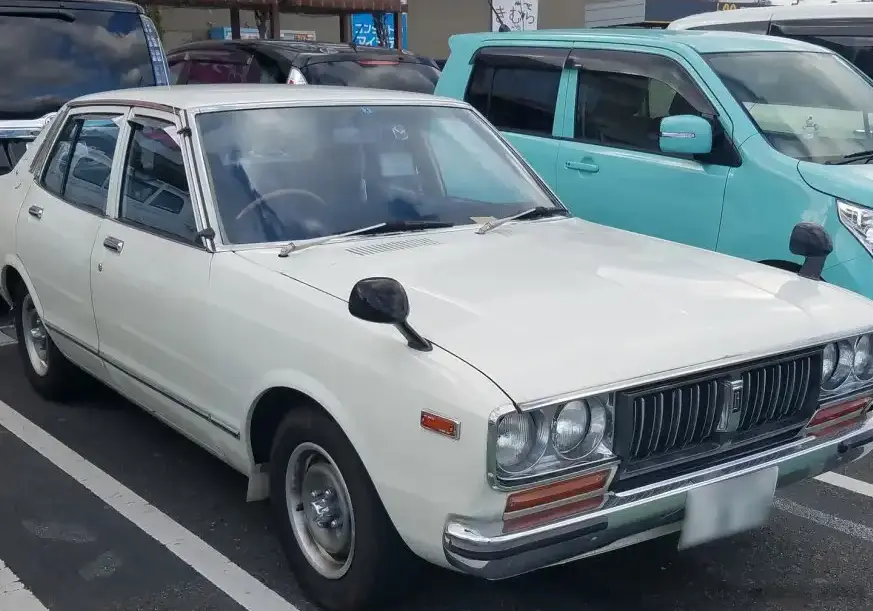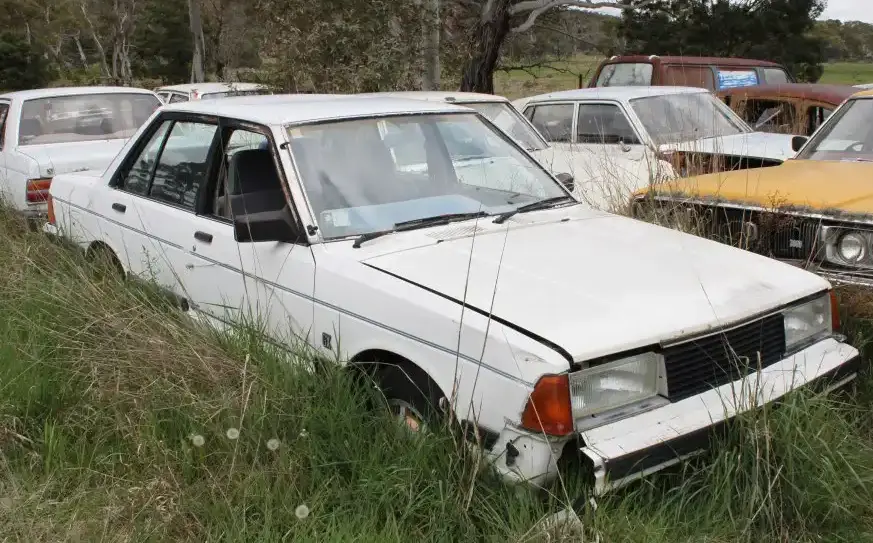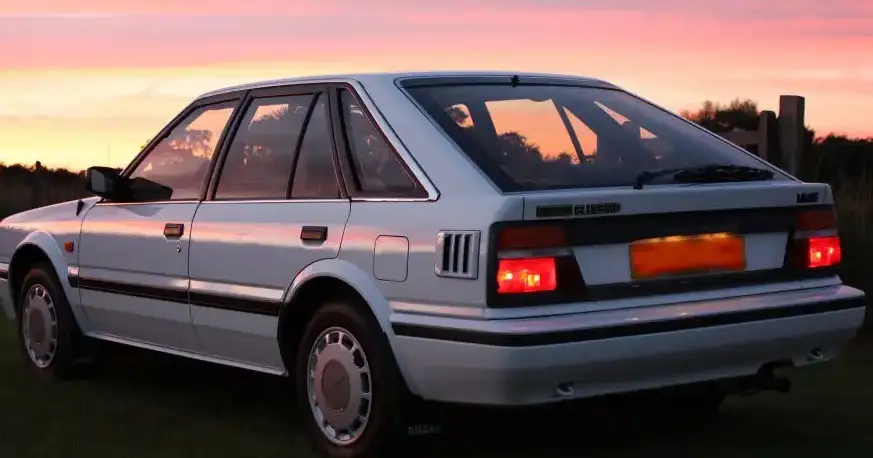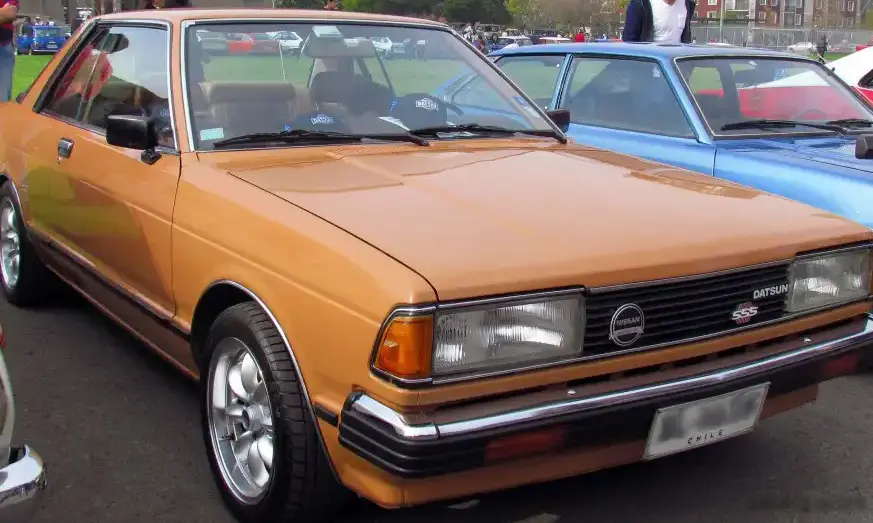
The Nissan Bluebird Coupe (910) 1.8, producing 90 horsepower, was a variant of the 910 series Bluebird coupe manufactured between 1980 and 1984. Positioned as an entry-level to mid-range offering within the 910 coupe lineup, it provided a more affordable and fuel-conscious alternative to the higher-performance and larger-displacement engine options available. The 910 Bluebird represented Nissan’s attempt to modernize and upscale its offerings in the face of increasing competition from Japanese and international automakers, particularly in the compact and mid-size segments. This coupe variant, in particular, aimed to appeal to buyers seeking a stylish and practical vehicle with a focus on everyday usability.
Technical Specifications
| Brand | Nissan |
| Model | Bluebird |
| Generation | Bluebird Coupe (910) |
| Type (Engine) | 1.8 (90 Hp) |
| Start of production | 1980 |
| End of production | 1984 |
| Powertrain Architecture | Internal Combustion Engine |
| Body type | Coupe |
| Seats | 5 |
| Doors | 2 |
| Fuel Type | Petrol (Gasoline) |
| Power | 90 Hp |
| Engine aspiration | Naturally aspirated |
| Drivetrain | Front Wheel Drive |
Powertrain & Engine Architecture
The 1.8-liter engine powering this Bluebird Coupe was part of Nissan’s ‘Z’ series engine family, specifically the Z18S. This engine was a naturally aspirated, inline-four cylinder unit displacing 1798cc. It featured a single overhead camshaft (SOHC) valvetrain, operating two valves per cylinder. Fuel delivery was managed by a carburetor, a common setup for vehicles of this era, rather than fuel injection. While not particularly advanced, the carburetor provided adequate fuel atomization for the engine’s modest power output. The Z18S engine was known for its relative simplicity and durability, contributing to the Bluebird’s reputation for reliability.
The transmission paired with the 1.8-liter engine was a three-speed automatic. This transmission was selected to provide ease of use and comfort, appealing to a broader range of drivers. The automatic transmission featured a torque converter, which multiplied engine torque at lower speeds, aiding in acceleration. However, the three-speed configuration meant that the engine often operated at higher RPMs during highway cruising, potentially impacting fuel economy and noise levels. The gear ratios were optimized for city driving and moderate acceleration, prioritizing smooth operation over outright performance.
Driving Characteristics
The 90 horsepower and automatic transmission combination resulted in a driving experience focused on comfort and practicality rather than sporty performance. Acceleration was adequate for merging onto highways and navigating city streets, but it wasn’t particularly brisk. The three-speed automatic transmission, while smooth, lacked the responsiveness of a manual gearbox or a more modern automatic with additional gears. The car felt most comfortable at moderate speeds, with the engine operating within its optimal power band. Compared to the available manual transmission versions of the Bluebird, the automatic offered less driver engagement and slightly slower acceleration times. Compared to larger-engined Bluebird models, the 1.8L automatic was noticeably less powerful, but it offered improved fuel economy.
Handling was typical for a front-wheel-drive coupe of the early 1980s. The suspension, while not particularly sophisticated, provided a reasonably comfortable ride. Steering was light and easy, making the car maneuverable in urban environments. However, the car exhibited noticeable body roll during cornering, and the front tires could reach their limit of grip relatively easily.
Equipment & Trim Levels
The 1.8-liter Bluebird Coupe typically came with a fairly basic level of standard equipment. Interior upholstery was generally cloth, with vinyl accents. The dashboard featured a simple layout with analog gauges for speed, fuel level, and coolant temperature. A basic AM/FM radio was usually standard, with optional upgrades to include a cassette player. Power steering was often included, but power windows and air conditioning were typically optional extras.
Trim levels varied depending on the market, but generally, the 1.8-liter model represented the entry point into the Bluebird Coupe range. Higher trim levels offered features such as upgraded upholstery, additional chrome trim, and more sophisticated audio systems. Optional extras could include alloy wheels, a sunroof, and upgraded suspension components.
Chassis & Braking
The Bluebird Coupe (910) utilized a conventional front-wheel-drive chassis layout. The front suspension consisted of MacPherson struts, while the rear suspension employed a twist-beam axle. This suspension setup provided a reasonable balance between ride comfort and handling. The chassis was constructed using a combination of steel and reinforced materials to provide adequate rigidity.
Braking on the 1.8-liter model typically consisted of disc brakes on the front wheels and drum brakes on the rear wheels. This configuration was common for vehicles in this price range during the early 1980s. The braking system was hydraulically operated, providing adequate stopping power for everyday driving conditions. A manual parking brake was also included. Stabilizer bars were fitted to both the front and rear axles to reduce body roll during cornering.
Market Reception & Comparison
The Nissan Bluebird Coupe (910) 1.8 received generally positive reviews for its styling, practicality, and reliability. Critics praised its comfortable ride and spacious interior for a coupe. However, the 1.8-liter engine and three-speed automatic transmission were often criticized for their lack of performance. Compared to other coupes in its class, such as the Toyota Celica and Honda Accord Coupe, the Bluebird offered a more affordable price point but lacked the same level of sporty refinement.
Fuel economy was a strong point for the 1.8-liter model, making it an attractive option for buyers concerned about rising gasoline prices. Reliability was also a key selling point, with the Z18S engine proving to be durable and relatively maintenance-free. Compared to the higher-displacement Bluebird models, the 1.8L automatic offered lower running costs but sacrificed performance.
Legacy
The Nissan Bluebird Coupe (910) 1.8, while not a performance icon, holds a significant place in Nissan’s history. It represented a step forward in terms of styling and refinement for the Bluebird line. The Z18S engine, while simple, proved to be a reliable and durable powerplant. Today, the 910 Bluebird Coupe is becoming increasingly sought after by classic car enthusiasts, particularly well-maintained examples.
The 1.8-liter automatic variant, while not the most desirable trim level, remains a relatively affordable entry point into Bluebird ownership. Parts availability can be a challenge, but the engine’s simplicity makes it relatively easy to repair. The car’s enduring appeal lies in its combination of classic styling, comfortable ride, and reliable mechanicals, making it a charming and practical classic for those seeking a taste of 1980s Japanese automotive engineering.