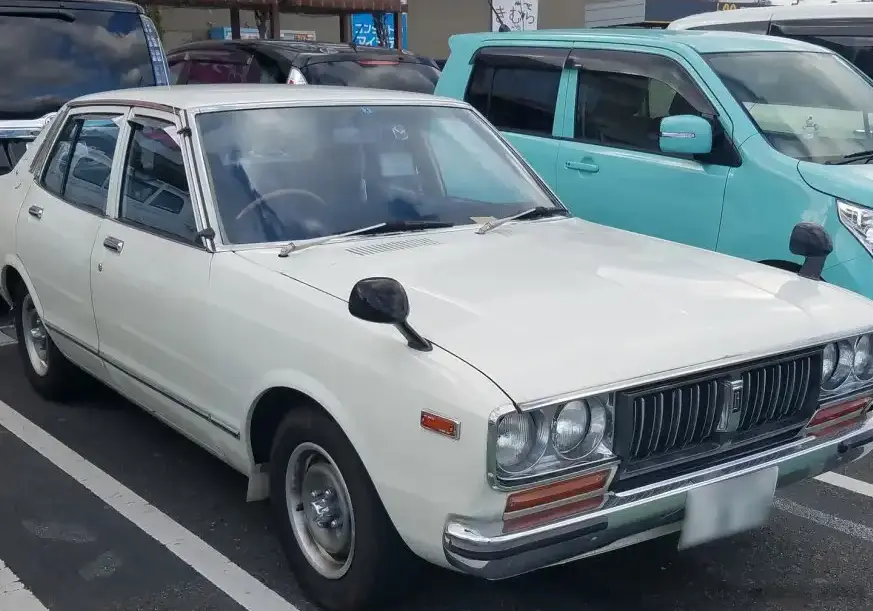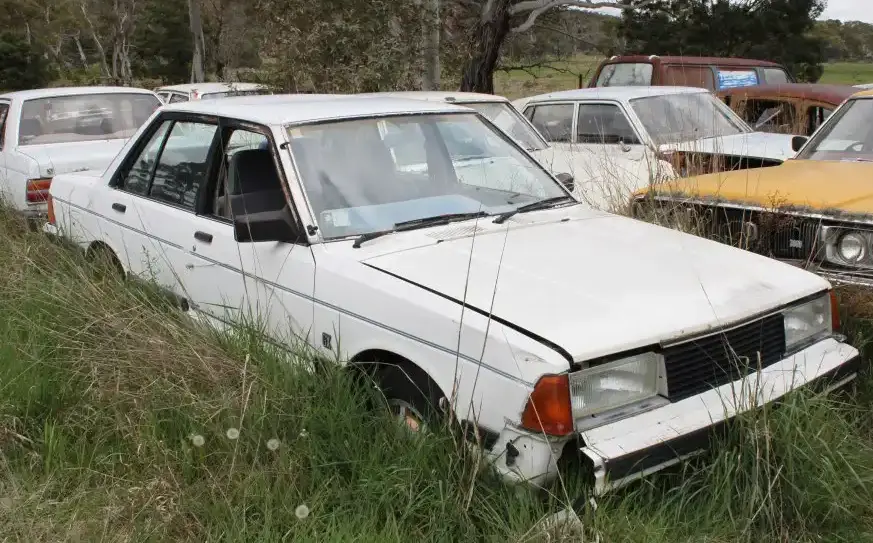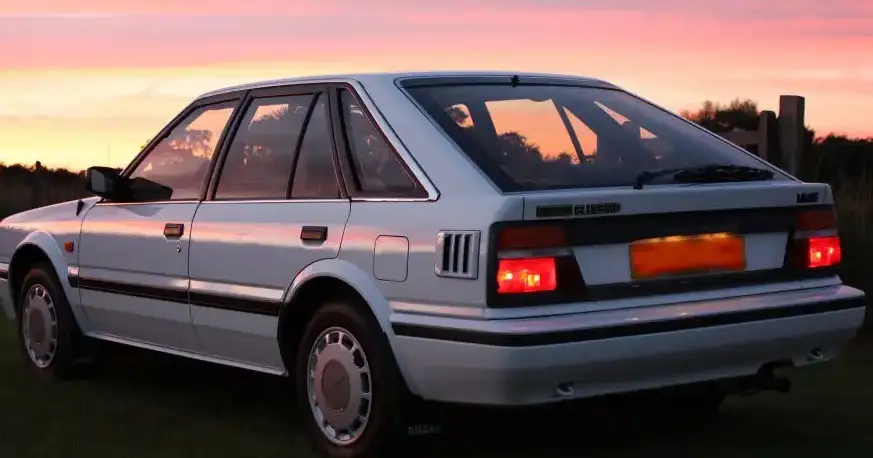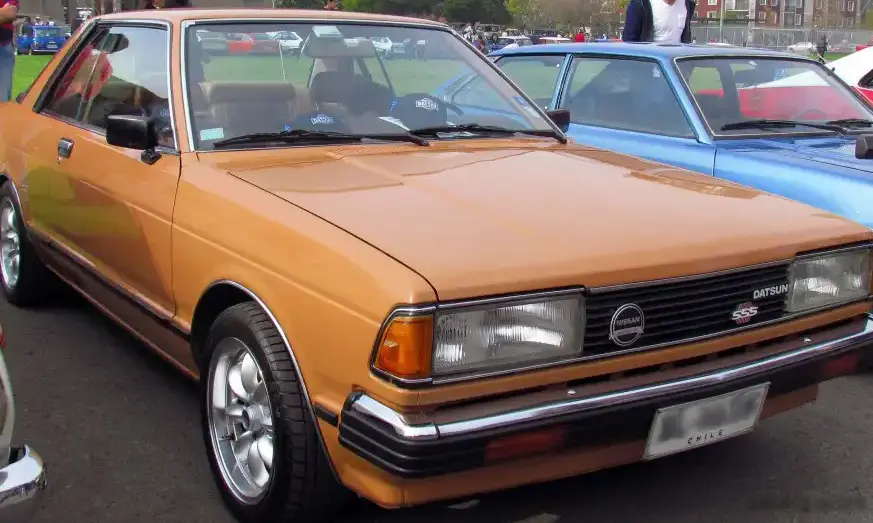
The Nissan Bluebird Coupe (910) 1.9i, produced between 1982 and 1984, represented a significant offering in Nissan’s lineup during a period of increasing competition in the global automotive market. Part of the 910 series Bluebird, this coupe variant aimed to provide a stylish and relatively affordable option for buyers seeking a comfortable and practical two-door vehicle. Positioned as a mid-range trim within the 910 Bluebird family, the 1.9i offered a balance between performance and fuel economy, appealing to a broad customer base. It was primarily marketed towards individuals and small families looking for a dependable and reasonably well-equipped vehicle.
Technical Specifications
| Brand | Nissan |
| Model | Bluebird |
| Generation | Bluebird Coupe (910) |
| Type (Engine) | 1.9i (109 Hp) |
| Start of production | 1982 |
| End of production | 1984 |
| Powertrain Architecture | Internal Combustion Engine |
| Body type | Coupe |
| Seats | 5 |
| Doors | 2 |
| Fuel Type | Petrol (Gasoline) |
| Power | 109 Hp |
| Engine aspiration | Naturally aspirated engine |
| Drivetrain | Front Wheel Drive |
Powertrain & Engine Architecture
The heart of the Bluebird Coupe 1.9i was Nissan’s 1800cc (1.8L, technically 1809cc) inline-four cylinder engine, designated as the CA18F. This engine was a naturally aspirated unit, meaning it did not employ forced induction like a turbocharger or supercharger. The CA18F featured a single overhead camshaft (SOHC) valvetrain, operating two valves per cylinder. Fuel delivery was managed by a carburetor, a common setup for vehicles of this era, though Nissan was beginning to experiment with fuel injection in other models. The carburetor provided adequate fuel atomization for the engine’s output, but lacked the precision of more modern fuel injection systems.
Power output was rated at 109 horsepower, and torque figures were around 109 lb-ft. The engine was mated to a three-speed automatic transmission, which was a popular choice for buyers prioritizing convenience over outright performance. The automatic transmission featured a torque converter, providing smooth shifts but at the expense of some efficiency. The drivetrain was front-wheel drive, a configuration becoming increasingly common in the early 1980s for its packaging advantages and improved traction in adverse conditions.
Driving Characteristics
The 1.9i automatic configuration of the Bluebird Coupe offered a comfortable, if not particularly sporty, driving experience. Acceleration was adequate for everyday driving, with a 0-60 mph time estimated to be around 12-13 seconds. The three-speed automatic transmission, while smooth, resulted in noticeable gear changes and a lack of the responsiveness found in manual transmission variants or models with more gears. The gear ratios were optimized for fuel economy and cruising comfort rather than aggressive acceleration. Compared to the available manual transmission, the automatic version sacrificed some performance, but provided a more relaxed driving experience, particularly in urban traffic. The front-wheel drive layout provided decent handling characteristics, although it wasn’t as engaging as rear-wheel drive vehicles.
Equipment & Trim Levels
The Bluebird Coupe 1.9i typically came equipped with a reasonable level of standard features for its time. These included cloth upholstery, a basic AM/FM radio, and manual windows and door locks. Air conditioning was often an optional extra, as were power windows and upgraded audio systems. The interior design was functional and relatively spacious for a coupe, offering comfortable seating for two adults in the front and limited space for passengers in the rear. The dashboard layout was straightforward, with clearly labeled controls. Trim levels varied slightly depending on the market, but generally, the 1.9i sat in the middle of the range, offering more features than the base models but fewer than the top-of-the-line trims.
Chassis & Braking
The Bluebird Coupe 910 utilized a MacPherson strut front suspension and a leaf spring rear suspension. This setup provided a comfortable ride quality, but wasn’t particularly sophisticated in terms of handling. The leaf spring rear suspension was a cost-effective solution, but it could sometimes result in a less refined ride compared to independent rear suspension systems. Braking duties were handled by disc brakes on the front wheels and drum brakes on the rear wheels. This configuration was typical for vehicles in this price range during the early 1980s. Power steering was often included as standard equipment, making maneuvering easier, especially at low speeds. Stabilizer bars were present on both axles, helping to reduce body roll during cornering.
Market Reception & Comparison
The Nissan Bluebird Coupe 1.9i was generally well-received by automotive critics as a practical and reliable vehicle. It was praised for its comfortable ride, spacious interior, and reasonable fuel economy. However, it was often criticized for its lack of outright performance and somewhat dated styling compared to some of its competitors. Compared to other coupes in its class, such as the Honda Accord Coupe or Toyota Celica, the Bluebird offered a more conservative and understated design. The 1.9i automatic variant was particularly popular with buyers who prioritized convenience and ease of use over sporty handling. Fuel economy was a strong point, averaging around 25-30 mpg in mixed driving conditions. Reliability was also a key strength, with the CA18F engine proving to be a durable and long-lasting unit.
Legacy
The Nissan Bluebird Coupe (910) 1.9i, while not a particularly iconic or collectible vehicle today, holds a place in automotive history as a representative of the early 1980s Japanese automotive industry. The CA18F engine, in particular, is known for its durability and relative simplicity, making it a relatively easy engine to maintain and repair. In the used car market, these Bluebird Coupes are becoming increasingly rare, and well-maintained examples are sought after by enthusiasts and collectors. The 1.9i automatic variant, while not the most desirable trim level, remains a viable option for those seeking a classic Japanese coupe that offers a comfortable and reliable driving experience. Its legacy lies in its practicality, dependability, and its contribution to Nissan’s growing reputation for building quality automobiles.