Technical Specifications
| Brand | Nissan |
| Model | Bluebird |
| Generation | Bluebird (T72, T12) |
| Type (Engine) | 1.6 (83 Hp) |
| Start of Production | 1986 |
| End of Production | 1990 |
| Powertrain Architecture | Internal Combustion Engine |
| Body Type | Sedan |
| Seats | 5 |
| Doors | 4 |
| Fuel Type | Petrol (Gasoline) |
| Power | 83 Hp |
| Engine Aspiration | Naturally Aspirated |
| Drivetrain | Front Wheel Drive |
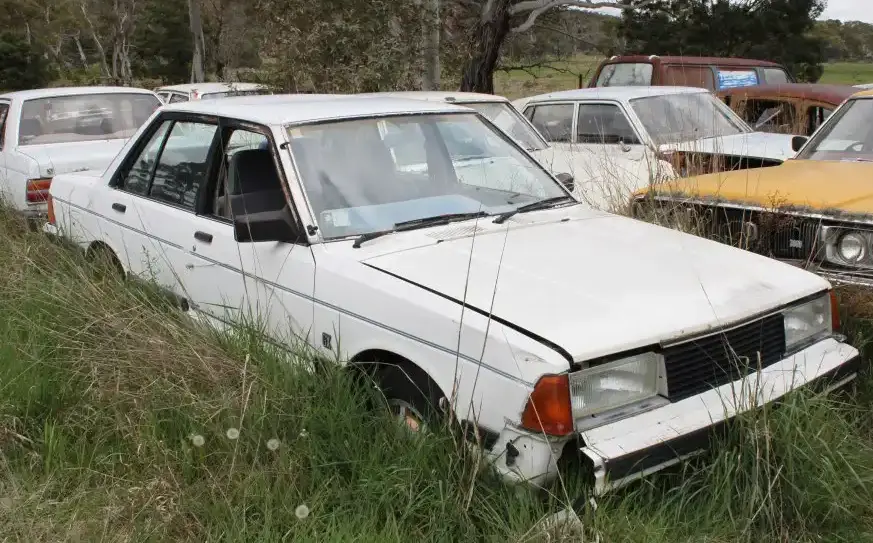
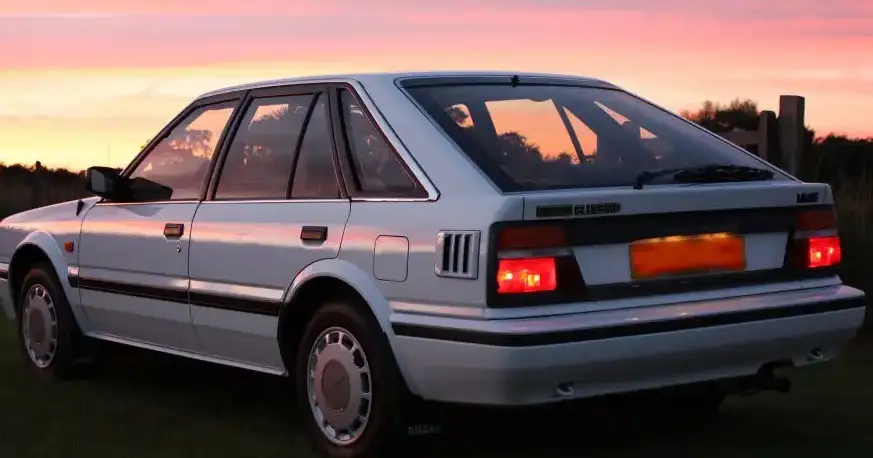
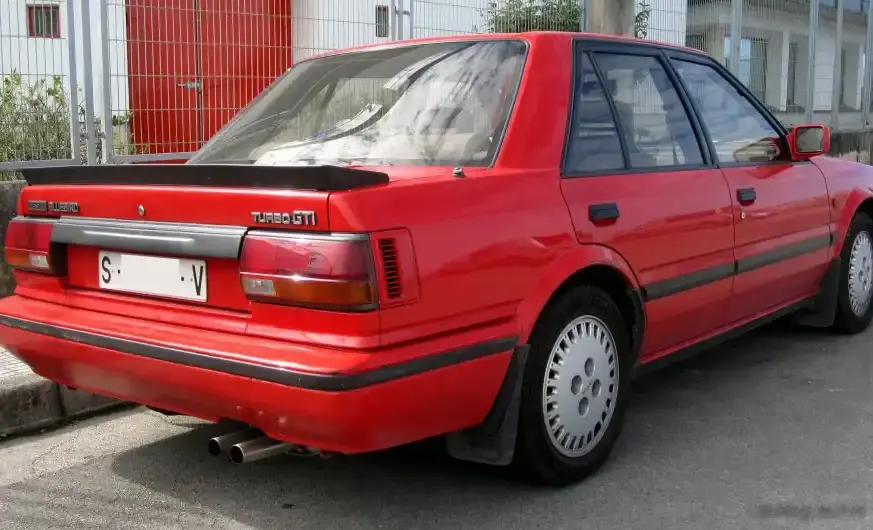
The Nissan Bluebird T72/T12, specifically the 1.6-liter (83 horsepower) variant, represents a notable iteration of Nissan’s long-running Bluebird lineage. Produced between 1986 and 1990, this model held a crucial position in Nissan’s lineup as a comfortable, practical, and relatively affordable family sedan. The T72/T12 generation was primarily sold in Japan, Australia, and select Asian markets, aiming to balance fuel efficiency with everyday usability. While not designed for high performance, the 1.6L engine provided a dependable and economical option for buyers seeking a no-frills, reliable vehicle. It served as the entry-level engine option for the Bluebird, positioned below the more powerful 1.8 and 2.0-liter variants.
Powertrain & Engine Architecture
The heart of this Bluebird variant is the Nissan E16S engine, a 1.6-liter inline-four cylinder gasoline engine. This engine, part of Nissan’s ‘E’ series, is a naturally aspirated unit producing 83 horsepower. The E16S utilizes a single overhead camshaft (SOHC) valvetrain, operating with two valves per cylinder. Fuel delivery is managed by a carburetor, a common feature for vehicles of this era, although some later models within the T72/T12 range transitioned to fuel injection. The engine’s design prioritized reliability and fuel economy over outright performance. The transmission paired with the E16S is typically a three or four-speed automatic, chosen for its ease of use and suitability for urban driving conditions. This automatic transmission, while providing convenience, does impact acceleration compared to the available five-speed manual transmission. The automatic’s torque converter multiplies engine torque at low speeds, aiding in smooth take-offs, but introduces some efficiency losses compared to a direct mechanical connection.
Driving Characteristics
The 1.6-liter Bluebird with the automatic transmission delivers a comfortable, albeit unhurried, driving experience. Acceleration is modest, with the engine needing to be revved to achieve brisk progress. The automatic transmission’s gear ratios are geared towards fuel efficiency, resulting in a relatively relaxed cruising speed. Compared to the 1.8 and 2.0-liter Bluebird models, the 1.6L feels noticeably less powerful, particularly when fully loaded with passengers or cargo. The manual transmission versions of the 1.6L offered a more engaging driving experience and slightly improved fuel economy, but the automatic was favored by buyers prioritizing convenience. Steering is light and precise, making it easy to maneuver in city traffic. The suspension, tuned for comfort, absorbs bumps and imperfections in the road reasonably well, though it doesn’t offer the sporty handling of some contemporary rivals. The automatic transmission’s shift points are calibrated for smooth transitions, but can sometimes feel hesitant during quick overtaking maneuvers.
Equipment & Trim Levels
The 1.6-liter Bluebird typically represented the base trim level within the T72/T12 range. Standard equipment generally included cloth upholstery, a basic AM/FM radio, and manual windows and door locks. Air conditioning was often an optional extra, as were power windows and a more advanced audio system. Interior appointments were functional and durable, prioritizing practicality over luxury. Dashboard design was straightforward, with clearly labeled controls and a simple instrument cluster. Higher trim levels, available with the larger engines, offered features such as upgraded upholstery, woodgrain trim, and more sophisticated audio systems. The 1.6L model was often chosen by fleet buyers and those seeking a basic, reliable transportation solution, so it often lacked many of the optional extras found on more upscale trims. Some models included a basic digital clock and a cigarette lighter as standard features.
Chassis & Braking
The Bluebird T72/T12 utilizes a front-engine, front-wheel-drive layout. Suspension consists of MacPherson struts at the front and a semi-independent torsion beam at the rear. The 1.6-liter models typically featured drum brakes on the rear wheels, while the higher-spec variants with larger engines often received disc brakes all around. Steering is rack-and-pinion, providing responsive and predictable handling. Stabilizer bars were often included as standard equipment, helping to reduce body roll during cornering. The chassis was designed to provide a comfortable ride and adequate handling for everyday driving conditions. The relatively lightweight nature of the 1.6L engine contributes to balanced handling, although it doesn’t offer the same level of dynamic performance as sportier sedans of the era. The drum brakes on the rear, while adequate for normal driving, lacked the stopping power and fade resistance of disc brakes.
Market Reception & Comparison
The Nissan Bluebird 1.6L automatic was generally well-received as a practical and economical family sedan. Critics praised its reliability, fuel efficiency, and comfortable ride. However, its lack of outright performance was often noted. Compared to rivals such as the Toyota Corolla and Honda Accord, the Bluebird 1.6L offered a competitive package, particularly in terms of value for money. The Corolla and Accord often commanded a premium price, making the Bluebird an attractive option for budget-conscious buyers. Fuel economy was comparable to other vehicles in its class, typically achieving around 25-30 miles per gallon in mixed driving conditions. The automatic transmission, while convenient, did slightly reduce fuel efficiency compared to the manual transmission. The Bluebird’s interior space was also considered competitive within its segment, offering ample room for passengers and luggage.
Legacy
The Nissan Bluebird T72/T12 1.6L, while not a particularly collectible model, enjoys a reputation for long-term reliability. The E16S engine is known for its durability and relatively simple maintenance requirements. Parts availability remains reasonable, making it a viable option for enthusiasts and those seeking a classic Japanese sedan. In the used car market, these Bluebirds are often found in well-maintained condition, having been cherished by their original owners. The automatic transmission, while not as sought after as the manual, offers a comfortable and convenient driving experience. The T72/T12 generation Bluebird represents a significant chapter in Nissan’s history, showcasing the company’s commitment to building reliable and affordable vehicles for the mass market. Today, it serves as a reminder of a simpler era in automotive design, prioritizing practicality and dependability over flashy features and high performance. The Bluebird’s enduring reputation for reliability has contributed to its continued presence on roads in some parts of the world.