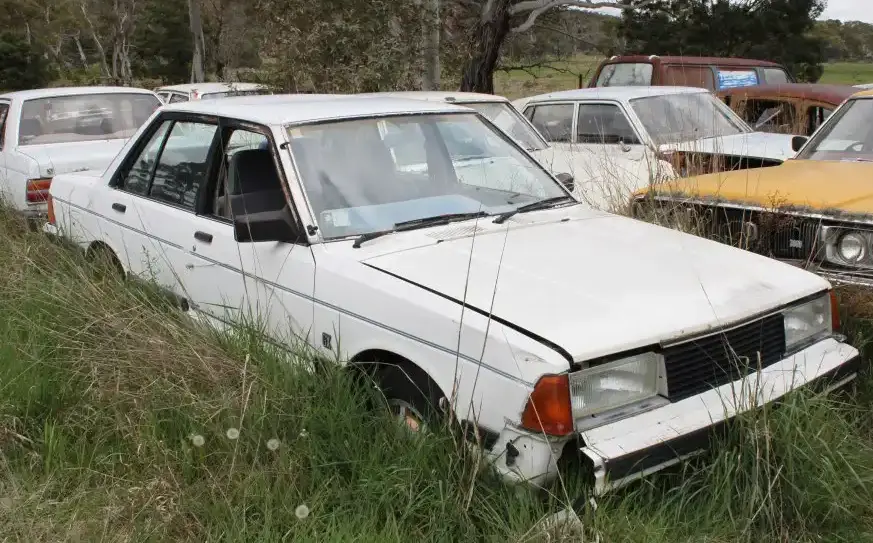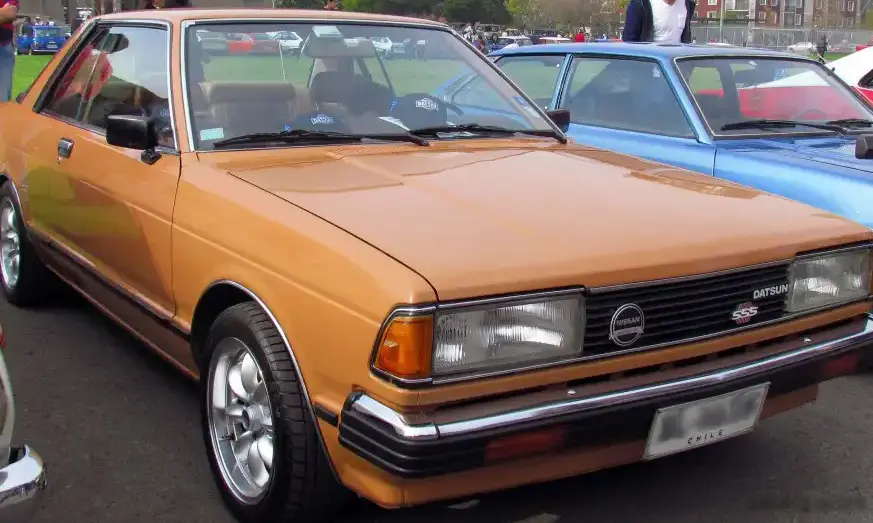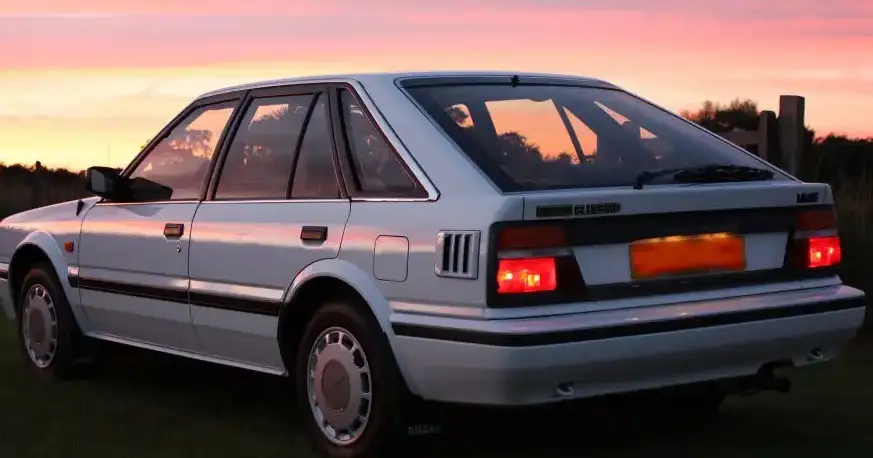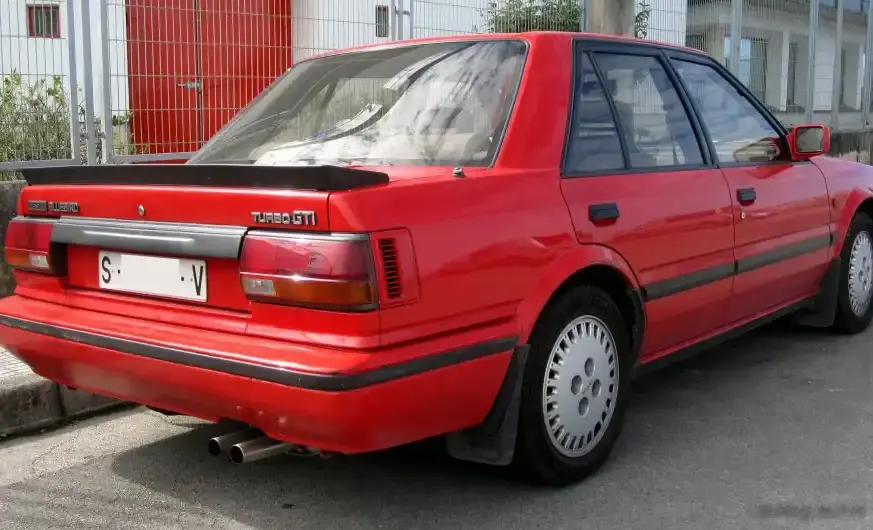
The Nissan Bluebird 2.0 D (SLT72, T12), produced between 1986 and 1990, represents a significant offering in Nissan’s lineup during the T72 and subsequent T12 series. This variant, powered by a 2.0-liter diesel engine producing 67 horsepower, was primarily aimed at the Japanese domestic market (JDM) and select export markets where fuel efficiency and durability were prioritized. It occupied a position as the entry-level diesel option within the broader Bluebird range, offering a more economical alternative to the gasoline-powered models and the slightly more powerful diesel variants available in some regions. The T72 Bluebird, and its subsequent T12 refresh, were known for their comfortable ride and practical design, appealing to families and business users alike.
Technical Specifications
| Brand | Nissan |
| Model | Bluebird |
| Generation | Bluebird (T72, T12) |
| Type (Engine) | 2.0 D (SLT72, T12) (67 Hp) |
| Start of Production | 1986 |
| End of Production | 1990 |
| Powertrain Architecture | Internal Combustion Engine |
| Body Type | Sedan |
| Seats | 5 |
| Doors | 4 |
| Fuel Type | Diesel |
| Power | 67 Hp |
| Engine Aspiration | Naturally Aspirated |
| Drivetrain | Front Wheel Drive |
Powertrain & Engine Architecture
The heart of the Bluebird 2.0 D is the SLT72 or T12 diesel engine, a 1998cc inline-four cylinder unit. This engine, while relatively modest in power output by modern standards, was designed for longevity and fuel economy. It featured indirect injection, a common characteristic of diesel engines of that era, utilizing a pre-combustion chamber design. This system helped to improve combustion efficiency and reduce noise compared to direct injection systems. The engine employed a naturally aspirated configuration, meaning it did not utilize a turbocharger or supercharger. The valvetrain consisted of a single overhead camshaft (SOHC) operating two valves per cylinder. The transmission paired with this engine was typically a four-speed automatic, chosen to provide ease of use and comfort for the target demographic. While a five-speed manual transmission was available on some Bluebird models, it was less common with the 2.0 D engine, as the automatic was favored for its convenience.
Driving Characteristics
The 67 horsepower output of the 2.0 D engine resulted in a driving experience focused on practicality rather than performance. Acceleration was leisurely, and the vehicle was best suited for steady cruising on highways or city streets. The four-speed automatic transmission was geared for fuel efficiency, with relatively tall gear ratios. This meant that the engine operated at lower RPMs at cruising speeds, contributing to improved fuel economy. Compared to the gasoline-powered Bluebird variants, the 2.0 D offered significantly less power but a noticeable improvement in fuel consumption. The manual transmission versions, when available, provided a more engaging driving experience and slightly improved acceleration, but at the expense of some comfort. The diesel engine’s torque characteristics meant that it felt stronger at lower RPMs than the gasoline engines, making it suitable for navigating hilly terrain or carrying a full load of passengers and cargo.
Equipment & Trim Levels
The Bluebird 2.0 D, particularly in its base trim, was generally equipped with a functional, rather than luxurious, set of features. Standard equipment typically included cloth upholstery, a basic AM/FM radio, and manual windows and door locks. Air conditioning was often an optional extra, as were power windows and central locking. The dashboard layout was straightforward and functional, prioritizing ease of use. Higher trim levels, such as the “Super Saloon” or “Grand Saloon” (depending on the market), added features like upgraded upholstery, a more sophisticated audio system, and additional convenience items. Exterior features were also relatively modest, with steel wheels and basic hubcaps being standard. Alloy wheels and body-colored trim were typically reserved for the higher trim levels.
Chassis & Braking
The Bluebird T72/T12 chassis utilized a front MacPherson strut suspension and a rear semi-trailing arm suspension. This configuration provided a comfortable ride and predictable handling. The 2.0 D variant, being one of the heavier Bluebird models due to the diesel engine, often featured slightly stiffer suspension components to compensate for the added weight. Braking systems varied depending on the market and trim level. Lower trim levels typically featured drum brakes on the rear wheels, while higher trim levels often included disc brakes all around. Power steering was a common feature, making the vehicle easier to maneuver in tight spaces. Stabilizer bars were fitted to both the front and rear suspension to reduce body roll during cornering.
Market Reception & Comparison
The Nissan Bluebird 2.0 D was generally well-received in markets where diesel engines were popular, such as Europe and Japan. Critics praised its fuel efficiency and durability, but noted its lack of outright performance. Compared to other diesel-powered sedans of the era, such as the Toyota Corolla Diesel and the Mazda 626 Diesel, the Bluebird offered a competitive combination of fuel economy, comfort, and reliability. The gasoline-powered Bluebird variants, particularly those with larger engines, offered more performance but at the expense of fuel efficiency. The 2.0 D was often seen as a sensible choice for drivers who prioritized practicality and economy over sporty driving dynamics.
Legacy
The Nissan Bluebird 2.0 D (SLT72, T12) has developed a reputation for being a reliable and durable vehicle. The SLT72/T12 diesel engine, while not particularly powerful, is known for its longevity and ability to withstand high mileage. In the used car market today, these Bluebirds are often sought after by enthusiasts and collectors who appreciate their simplicity and reliability. Parts availability can be a challenge, but many components are still available through specialist suppliers or from other Nissan models of the same era. The Bluebird 2.0 D represents a significant chapter in Nissan’s history, showcasing the company’s commitment to producing practical and fuel-efficient vehicles for a global audience. While not a performance icon, it remains a testament to the enduring appeal of well-engineered, dependable transportation.