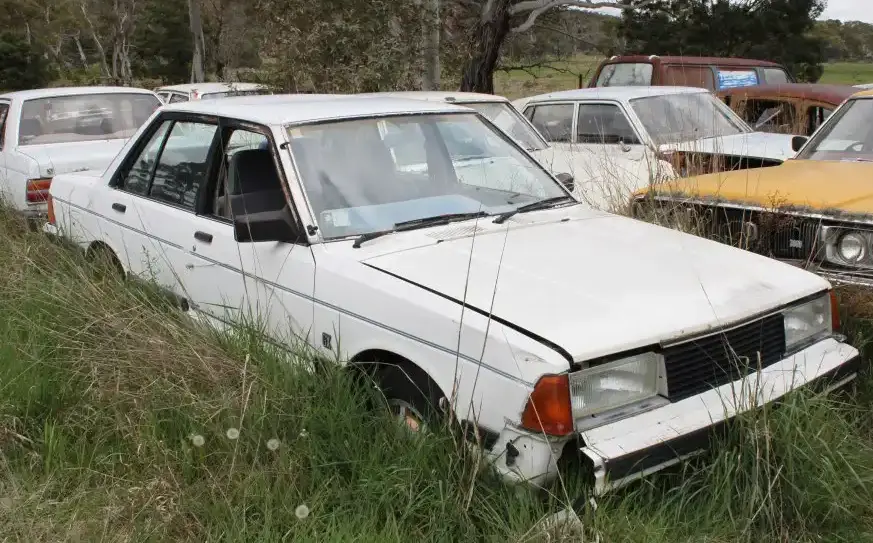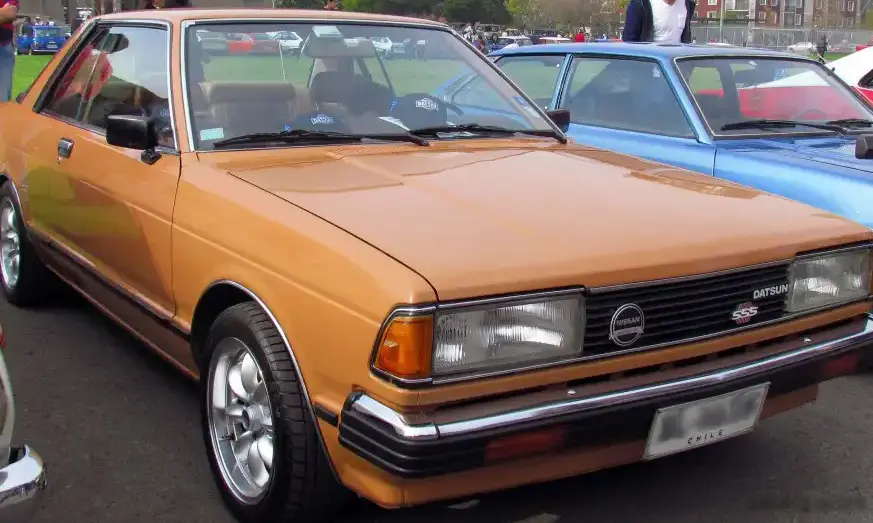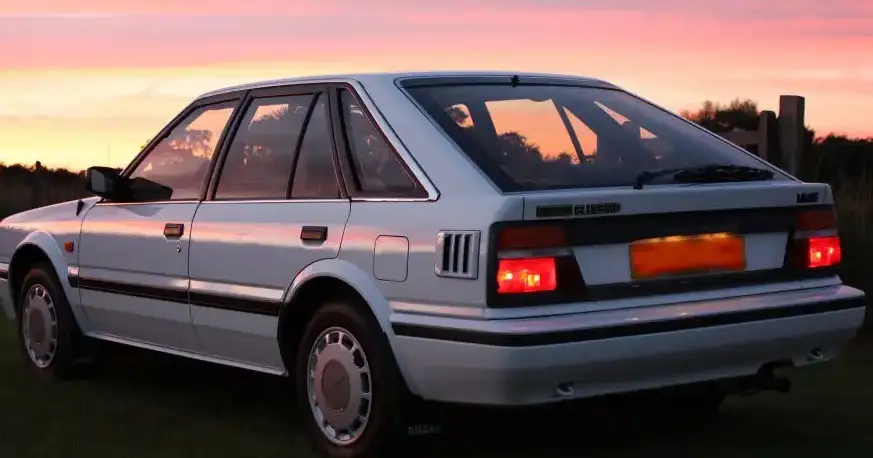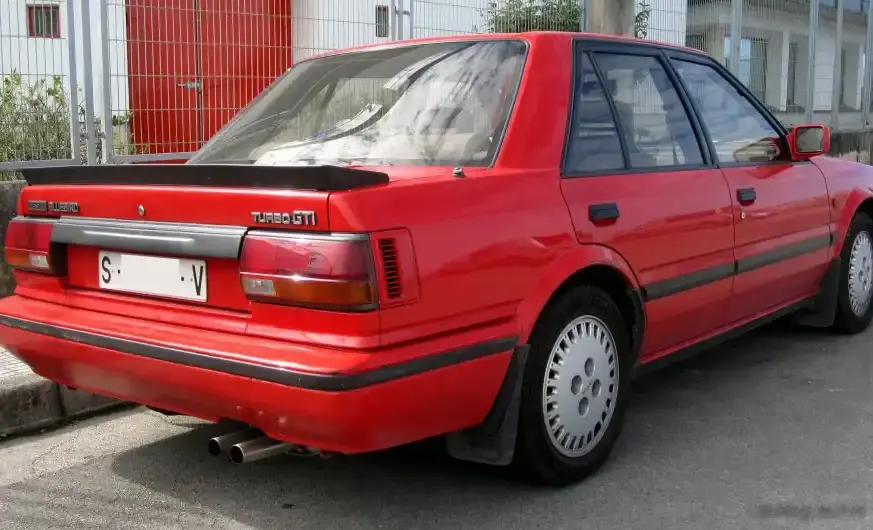
The Nissan Bluebird T12, produced between 1985 and 1987, represented a significant evolution of Nissan’s popular family sedan. Falling within the broader T72/T12 Bluebird generation (1983-1987), the 2.0-liter (T12) variant with 102 horsepower occupied a mid-range position in the lineup, offering a balance between performance and affordability. This model was primarily aimed at the Japanese domestic market (JDM) and select export markets, competing with other mid-size sedans like the Toyota Corolla and Honda Accord. The T12 series saw improvements in styling, interior comfort, and mechanical refinement compared to its predecessor, the T72.
Technical Specifications
| Brand | Nissan |
| Model | Bluebird |
| Generation | Bluebird (T72, T12) |
| Type (Engine) | 2.0 (T12) (102 Hp) |
| Start of Production | 1985 |
| End of Production | 1987 |
| Powertrain Architecture | Internal Combustion Engine |
| Body Type | Sedan |
| Seats | 5 |
| Doors | 4 |
| Fuel Type | Petrol (Gasoline) |
| Power | 102 Hp |
| Engine Aspiration | Naturally Aspirated |
| Drivetrain | Front Wheel Drive |
Powertrain & Engine Architecture
The heart of the Bluebird T12 2.0 was the Z20 engine, a 1988cc (2.0-liter) inline-four cylinder gasoline engine. This engine utilized a single overhead camshaft (SOHC) valvetrain, operating with two valves per cylinder. Fuel delivery was managed by a carburetor, a common feature for the time, though some later models in certain markets may have featured electronic fuel injection. The Z20 engine was known for its relative simplicity and durability, prioritizing reliability over outright performance. The 102 horsepower output was achieved at approximately 5,600 rpm, with peak torque of around 138 lb-ft at 3,200 rpm. The engine was paired with a four-speed automatic transmission, offering smooth, if not particularly sporty, gear changes. This automatic transmission was a typical torque-converter type, designed for comfortable cruising rather than aggressive acceleration.
Driving Characteristics
The 2.0-liter Bluebird T12 with the automatic transmission delivered a comfortable and predictable driving experience. Acceleration was adequate for everyday driving, but it wasn’t a particularly quick car. The automatic transmission’s gear ratios were geared towards fuel efficiency and smooth operation, resulting in a somewhat leisurely pace. Compared to the manual transmission versions of the same engine, the automatic suffered a slight performance penalty due to the transmission’s inherent power loss. The suspension, tuned for comfort, absorbed bumps and road imperfections well, providing a pleasant ride quality. Steering was light and easy, making it maneuverable in urban environments. However, it lacked the precision and feedback desired by more enthusiastic drivers. The overall driving experience was geared towards practicality and ease of use, making it a suitable choice for families and commuters.
Equipment & Trim Levels
The Bluebird T12 2.0 typically came equipped with a reasonable level of standard features for its time. These included cloth upholstery, a basic AM/FM radio, and manual windows and door locks. Air conditioning was often an optional extra, as were power windows and a more advanced audio system. Interior trim levels varied depending on the specific market and optional packages selected. Higher trim levels might have featured upgraded upholstery, woodgrain accents on the dashboard, and additional convenience features. The dashboard layout was functional and straightforward, with clearly labeled controls. The overall interior design prioritized practicality and durability over luxury.
Chassis & Braking
The Bluebird T12 utilized a conventional front-engine, front-wheel-drive layout. The suspension consisted of MacPherson struts at the front and a semi-independent torsion beam axle at the rear. This setup provided a good balance between ride comfort and handling. Braking was typically accomplished with disc brakes at the front and drum brakes at the rear. The braking system was adequate for normal driving conditions, but it lacked the stopping power of more modern vehicles. Steering was rack-and-pinion, providing relatively light and precise control. The chassis was designed for durability and longevity, prioritizing reliability over sporty handling characteristics.
Market Reception & Comparison
The Nissan Bluebird T12 2.0 was generally well-received in its target markets. Critics praised its comfortable ride, spacious interior, and reliable engine. However, some reviewers noted its somewhat bland styling and lack of sporty driving dynamics. Compared to other trims in the Bluebird lineup, the 2.0-liter automatic offered a good compromise between performance and fuel economy. The smaller 1.6-liter engine provided better fuel efficiency but lacked the power of the 2.0-liter, while the larger 2.0-liter with a manual transmission offered more engaging performance but at the expense of some comfort. Fuel economy for the 2.0-liter automatic was typically in the range of 22-26 mpg in combined driving conditions, which was competitive for its time. Reliability was a strong point, with the Z20 engine proving to be a durable and long-lasting unit.
Legacy
The Nissan Bluebird T12 2.0, while not a particularly groundbreaking vehicle, played an important role in Nissan’s history. It represented a solid and reliable family sedan that provided comfortable transportation for a wide range of customers. The Z20 engine, in particular, gained a reputation for its durability and longevity. Today, the Bluebird T12 is becoming increasingly sought after by classic car enthusiasts, particularly in Japan. Well-maintained examples are relatively rare, and prices have been steadily increasing in recent years. The 2.0-liter automatic variant is considered a desirable choice due to its balance of performance, comfort, and reliability. While it may not offer the excitement of more performance-oriented vehicles, the Bluebird T12 2.0 remains a testament to Nissan’s commitment to building practical and dependable automobiles.