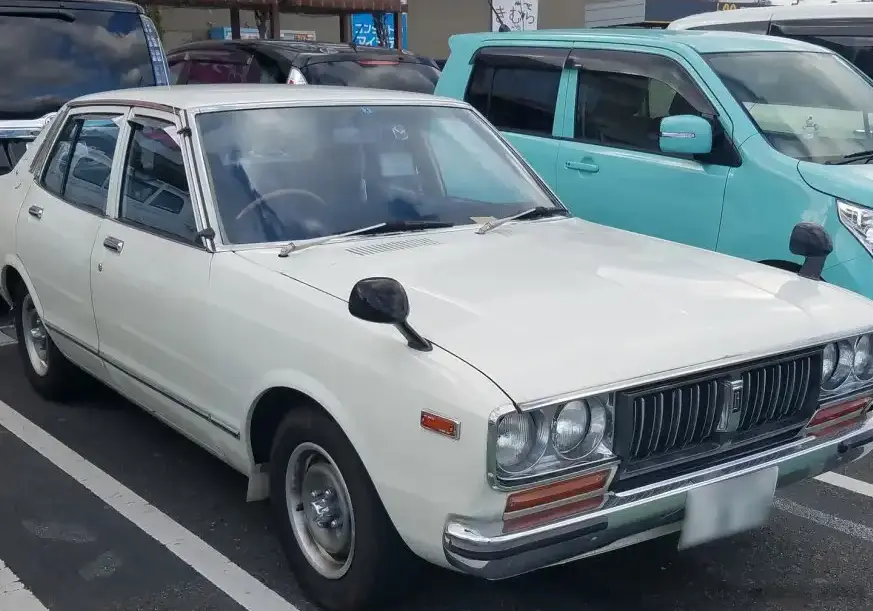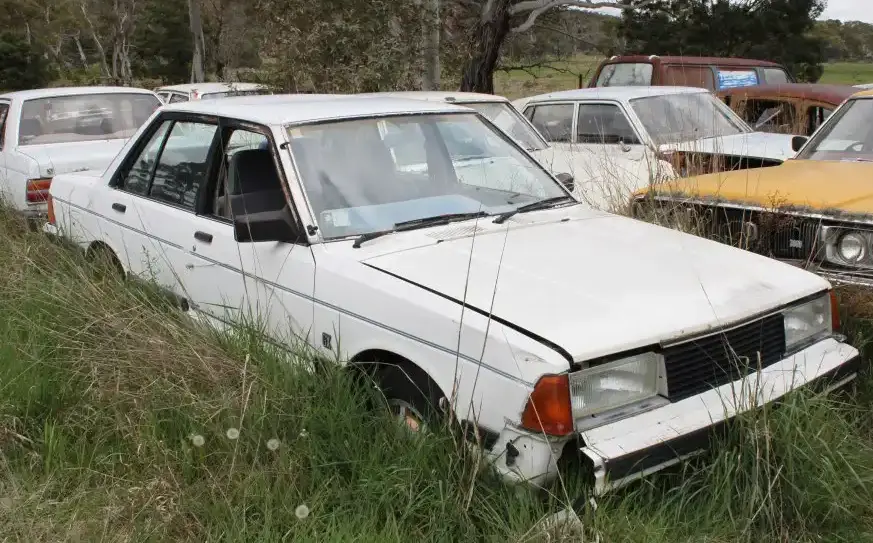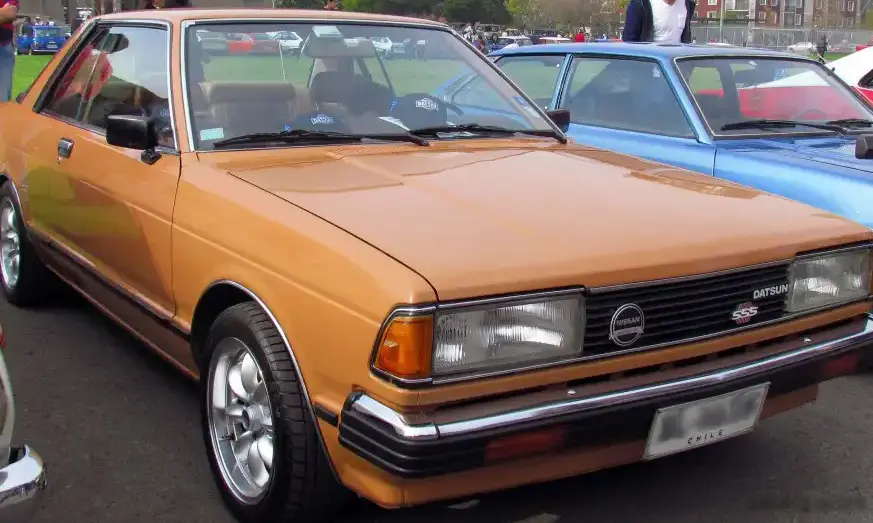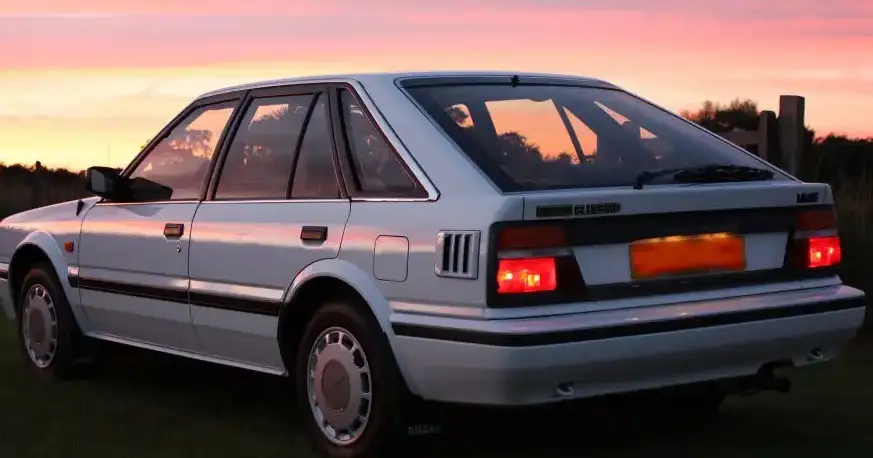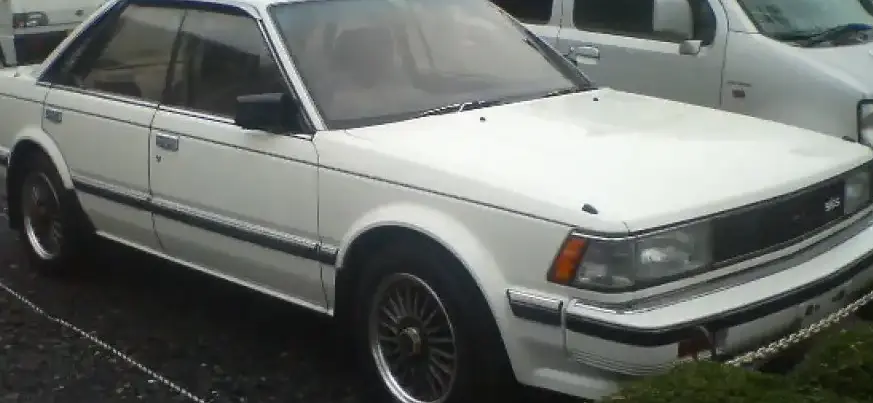
The Nissan Bluebird U11, produced between 1983 and 1986, represented a significant step forward for Nissan’s mid-size offering. Positioned as a practical and reliable family sedan, the U11 generation aimed to compete with established rivals in both domestic Japanese and export markets. Within the U11 lineup, the 1.8-liter (CA18S) engine with 90 horsepower and an automatic transmission represented an entry-level to mid-range option, prioritizing affordability and ease of use over outright performance. This variant was particularly popular with buyers seeking a comfortable and economical daily driver.
Technical Specifications
| Brand | Nissan |
| Model | Bluebird |
| Generation | Bluebird (U11) |
| Type (Engine) | 1.8 (90 Hp) |
| Start of production | 1983 |
| End of production | 1986 |
| Powertrain Architecture | Internal Combustion engine |
| Body type | Sedan |
| Seats | 5 |
| Doors | 4 |
| Fuel Type | Petrol (Gasoline) |
| Maximum speed | 170 km/h (105.63 mph) |
| Weight-to-power ratio | 11.9 kg/Hp, 84.1 Hp/tonne |
| Weight-to-torque ratio | 7.1 kg/Nm, 140.2 Nm/tonne |
| Power | 90 Hp @ 5200 rpm |
| Power per litre | 49.8 Hp/l |
| Torque | 150 Nm @ 2800 rpm (110.63 lb.-ft. @ 2800 rpm) |
| Engine layout | Front, Transverse |
| Engine Model/Code | CA18S |
| Engine displacement | 1809 cm3 (110.39 cu. in.) |
| Number of cylinders | 4 |
| Engine configuration | Inline |
| Cylinder Bore | 83 mm (3.27 in.) |
| Piston Stroke | 83.6 mm (3.29 in.) |
| Compression ratio | 9.6:1 |
| Number of valves per cylinder | 2 |
| Fuel injection system | Carburettor |
| Engine aspiration | Naturally aspirated engine |
| Valvetrain | SOHC |
| Engine oil capacity | 3.8 l (4.02 US qt | 3.34 UK qt) |
| Kerb Weight | 1070 kg (2358.95 lbs.) |
| Max. weight | 1675 kg (3692.74 lbs.) |
| Max load | 605 kg (1333.8 lbs.) |
| Trunk (boot) space – minimum | 507 l (17.9 cu. ft.) |
| Fuel tank capacity | 60 l (15.85 US gal | 13.2 UK gal) |
| Max. roof load | 100 kg (220.46 lbs.) |
| Permitted trailer load with brakes (12%) | 1200 kg (2645.55 lbs.) |
| Permitted trailer load without brakes | 535 kg (1179.47 lbs.) |
| Permitted towbar download | 50 kg (110.23 lbs.) |
| Length | 4360 mm (171.65 in.) |
| Width | 1690 mm (66.54 in.) |
| Height | 1400 mm (55.12 in.) |
| Wheelbase | 2550 mm (100.39 in.) |
| Front track | 1460 mm (57.48 in.) |
| Rear (Back) track | 1450 mm (57.09 in.) |
| Minimum turning circle (turning diameter) | 10 m (32.81 ft.) |
| Drivetrain Architecture | The Internal combustion engine (ICE) drives the front wheels of the vehicle. |
| Drive wheel | Front wheel drive |
| Number of gears and type of gearbox | 5 gears, manual transmission |
| Front suspension | Independent, type McPherson with coil spring and anti-roll bar |
| Rear suspension | Several levers and rods |
| Front brakes | Ventilated discs |
| Rear brakes | Drum |
| Steering type | Steering rack and pinion |
| Power steering | Hydraulic Steering |
| Wheel rims size | 5J x 14 |
Powertrain & Engine Architecture
The heart of this Bluebird variant was the CA18S engine, an 1.8-liter inline-four cylinder gasoline engine. This engine, a mainstay of Nissan’s offerings during the early 1980s, featured a single overhead camshaft (SOHC) valvetrain and utilized a carburetor for fuel delivery. While not a particularly advanced design by modern standards, the CA18S was known for its durability and relative simplicity. The carburetor system, while less efficient than fuel injection, contributed to the engine’s affordability. The engine produced 90 horsepower at 5200 rpm and 150 Nm (110.63 lb-ft) of torque at 2800 rpm. The automatic transmission was typically a three-speed unit, designed for smooth, comfortable shifts rather than sporty performance. The transmission’s gear ratios were optimized for fuel economy and everyday drivability.
Driving Characteristics
The 1.8L automatic Bluebird offered a comfortable, if not exhilarating, driving experience. Acceleration was adequate for typical commuting and highway cruising, but it lacked the punch of the larger-displacement engines available in the U11 range. The automatic transmission, while convenient, resulted in some power loss compared to the available five-speed manual. The gear ratios were spaced to prioritize fuel efficiency, meaning the engine often felt strained during quick acceleration or when climbing hills. Steering was light and easy, making it well-suited for urban driving. The suspension, tuned for comfort, absorbed bumps reasonably well, but didn’t offer particularly sporty handling.
Equipment & Trim Levels
The 1.8-liter automatic Bluebird typically came with a fairly basic level of equipment. Standard features generally included cloth upholstery, a simple dashboard layout with analog gauges, and manual windows and door locks. Air conditioning was often an optional extra, as were features like a radio/cassette player and upgraded interior trim. The trim level generally sat in the lower-mid range of the U11 lineup, offering a step up from the most basic models but lacking the luxury features found in higher-spec versions.
Chassis & Braking
The U11 Bluebird utilized a front-engine, front-wheel-drive layout. The front suspension employed a McPherson strut design with coil springs and an anti-roll bar, providing a reasonable balance of comfort and handling. The rear suspension used a multi-link setup, designed to maximize interior space and provide a comfortable ride. Braking was accomplished via ventilated discs on the front wheels and drum brakes on the rear. Power-assisted steering was standard, making maneuvering at low speeds easier. The relatively lightweight nature of the car (around 1070 kg or 2358.95 lbs) helped to offset the modest braking performance.
Market Reception & Comparison
The 1.8-liter automatic Bluebird was generally well-received as a practical and affordable family car. Critics praised its reliability and fuel economy, but noted its lack of performance compared to other engines in the lineup, such as the 2.0-liter variants. Compared to the manual transmission versions, the automatic offered less driver engagement but greater convenience. The 1.8L automatic was often seen as a sensible choice for buyers prioritizing comfort and ease of use over sporty driving dynamics. Fuel economy was a strong point, making it an attractive option during a period of rising fuel prices.
Legacy
The CA18S engine, while not a high-performance unit, proved to be remarkably durable and reliable. Many examples of the 1.8-liter Bluebird U11 are still on the road today, a testament to Nissan’s engineering. In the used car market, these models are often sought after by enthusiasts looking for a classic Japanese sedan that is relatively easy to maintain. Parts availability is generally good, and the simple engine design makes it accessible to amateur mechanics. While not a collector’s item, the 1.8L automatic Bluebird U11 remains a fondly remembered and practical classic car.