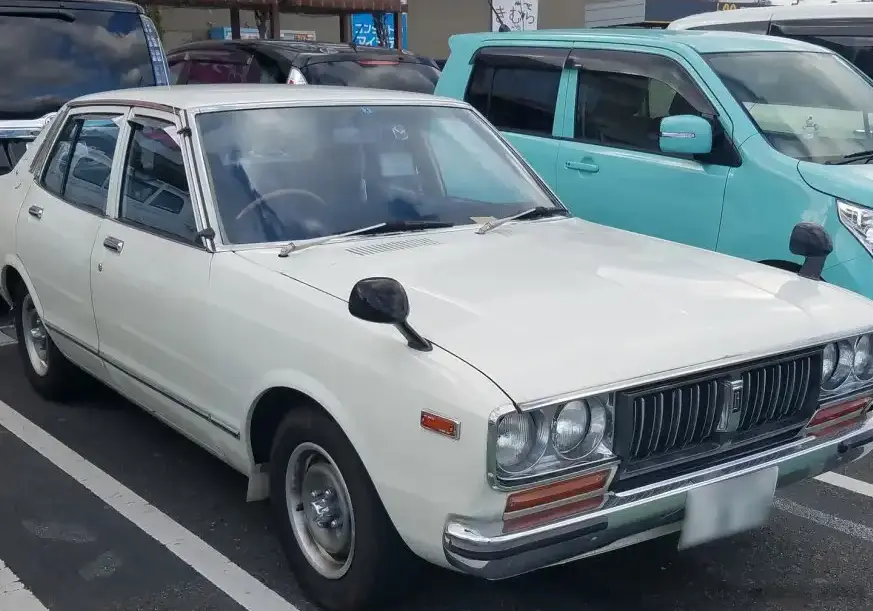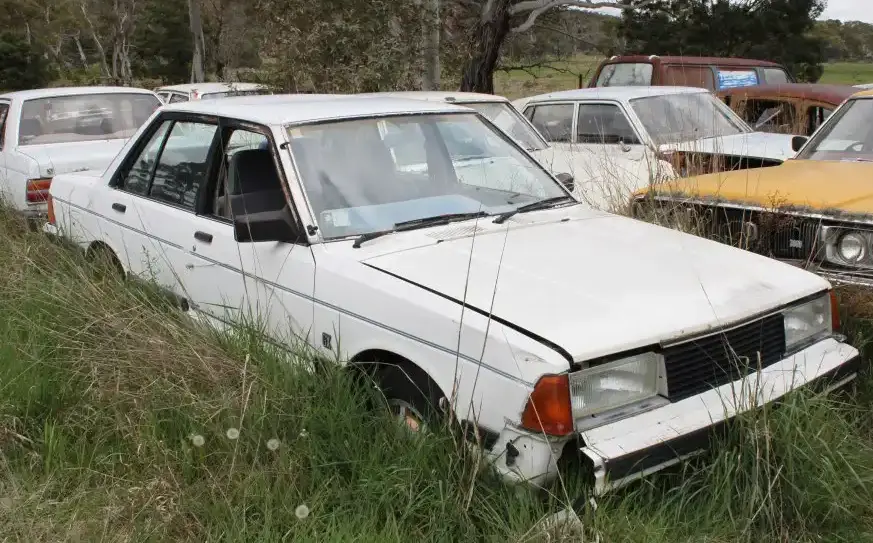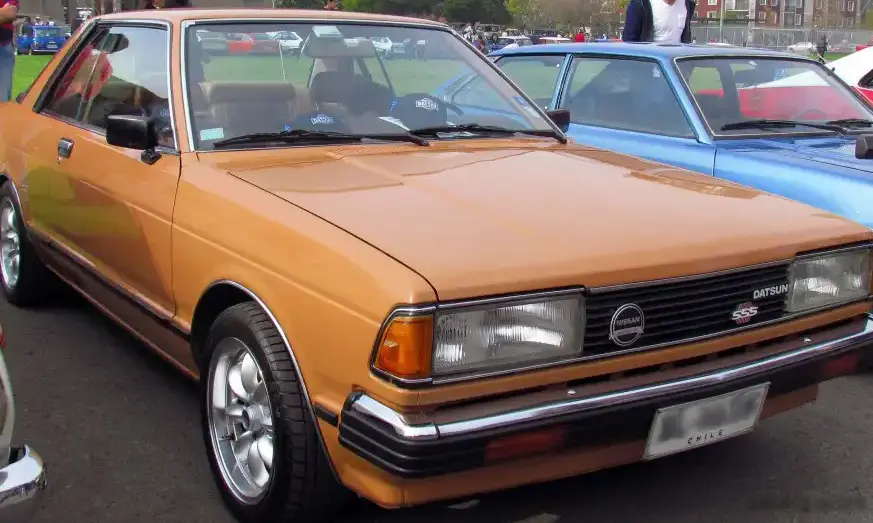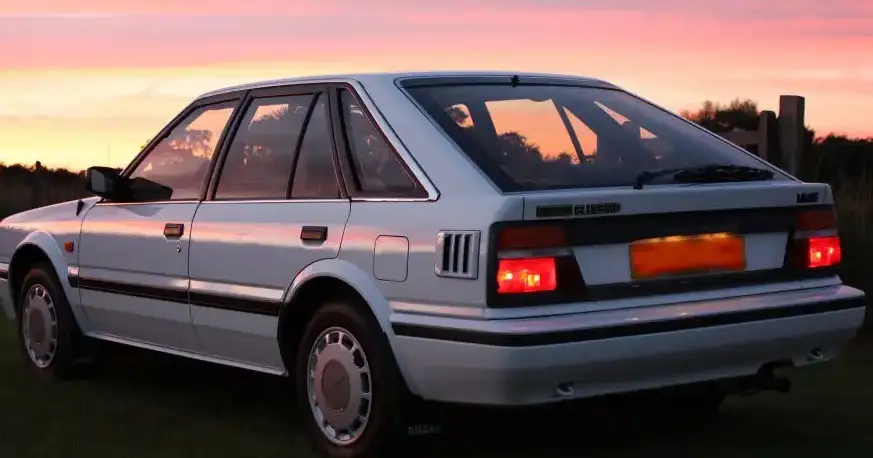
The Nissan Bluebird U12, manufactured between 1987 and 1991, marked a notable advancement in Nissan’s mid-size sedan lineup. Designed to compete with vehicles like the Toyota Corolla and Honda Accord, the U12 Bluebird aimed to combine practicality with a degree of sporty appeal, especially in the SSS trim. This generation featured more aerodynamic styling and enhanced interior comfort compared to previous models. The 1.8 SSS variant, equipped with a 140 horsepower engine, occupied a middle position within the U12 range, providing a balance between performance and fuel economy. It targeted buyers seeking a more engaging driving experience than the base models, without the cost or complexity of larger engines.
Technical Specifications
| Brand | Nissan |
| Model | Bluebird |
| Generation | Bluebird (U12) |
| Type (Engine) | 1.8 SSS (140 Hp) |
| Start of production | 1987 |
| End of production | 1991 |
| Powertrain Architecture | Internal Combustion engine |
| Body type | Sedan |
| Seats | 5 |
| Doors | 4 |
| Fuel consumption (urban) | 7.4 l/100 km (31.8 US mpg, 38.2 UK mpg, 13.5 km/l) |
| Fuel Type | Petrol (Gasoline) |
| Power | 140 Hp @ 6400 rpm |
| Power per litre | 76.1 Hp/l |
| Torque | 167 Nm @ 4800 rpm (123.17 lb.-ft. @ 4800 rpm) |
| Engine layout | Front, Transverse |
| Engine displacement | 1839 cm3 (112.22 cu. in.) |
| Number of cylinders | 4 |
| Engine configuration | Inline |
| Cylinder Bore | 82.5 mm (3.25 in.) |
| Piston Stroke | 86 mm (3.39 in.) |
| Compression ratio | 10:1 |
| Number of valves per cylinder | 4 |
| Fuel injection system | Multi-port manifold injection |
| Engine aspiration | Naturally aspirated engine |
| Valvetrain | DOHC |
| Fuel tank capacity | 60 l (15.85 US gal, 13.2 UK gal) |
| Length | 4520 mm (177.95 in.) |
| Width | 1690 mm (66.54 in.) |
| Height | 1375 mm (54.13 in.) |
| Wheelbase | 2550 mm (100.39 in.) |
| Front track | 1460 mm (57.48 in.) |
| Rear track | 1440 mm (56.69 in.) |
| Minimum turning circle | 10 m (32.81 ft.) |
| Drivetrain | Front wheel drive |
| Number of gears | 5 |
| Gearbox type | Manual transmission |
| Front brakes | Ventilated discs |
| Rear brakes | Drum |
Powertrain & Engine Architecture
The Nissan Bluebird 1.8 SSS was powered by the GA16DE engine, a 1.8-liter inline-four cylinder engine. This engine featured a double overhead camshaft (DOHC) valvetrain with four valves per cylinder. The GA16DE incorporated multi-port fuel injection, a relatively advanced system for its time, contributing to improved fuel efficiency and throttle response. A compression ratio of 10:1 represented a balance between performance and fuel quality considerations. The 140 horsepower output was achieved through precise tuning of the engine management system and the DOHC configuration, optimizing airflow and combustion. The engine was mounted transversely in the front of the vehicle, powering the front wheels. The standard transmission for the SSS model was a five-speed manual gearbox, designed to maximize the engine’s potential.
Driving Characteristics
The 1.8 SSS offered a more spirited driving experience compared to the base Bluebird models. While not a dedicated sports sedan, the 140 hp engine provided sufficient power for everyday driving and overtaking. The five-speed manual transmission allowed drivers to maintain the engine within its optimal power band, enhancing acceleration. The gear ratios were relatively close, promoting responsive performance. Compared to the lower-powered 1.6-liter Bluebird variants, the 1.8 SSS felt considerably more capable, especially when fully loaded or climbing hills. However, it lacked the outright acceleration of larger-engined competitors or even Nissan’s own Pulsar GTI-R. The suspension was tuned for a balance between comfort and handling, providing a reasonably comfortable ride without excessive body roll.
Equipment & Trim Levels
The SSS trim level represented an upgrade in standard equipment. Typically, the 1.8 SSS included features like power steering, upgraded interior trim (often featuring sportier cloth upholstery), a more comprehensive instrument cluster, and alloy wheels. Optional extras could include air conditioning, a cassette player with improved speakers, and power windows. The interior design was functional and relatively modern for the late 1980s, prioritizing ergonomics. The dashboard layout was straightforward, with clearly labeled controls. The SSS trim often featured a leather-wrapped steering wheel and shift knob as standard or optional equipment.
Chassis & Braking
The U12 Bluebird utilized a front-engine, front-wheel-drive layout. The suspension consisted of MacPherson struts at the front and a semi-independent torsion beam setup at the rear. The front brakes were ventilated discs, providing good stopping power, while the rear brakes were drum brakes, a cost-saving measure common in this vehicle class. The SSS trim often featured a slightly thicker front stabilizer bar compared to the base models, reducing body roll during cornering. The chassis was designed to provide a comfortable ride while maintaining reasonable handling characteristics. The steering was typically rack-and-pinion, offering precise control.
Market Reception & Comparison
The Nissan Bluebird U12 1.8 SSS was generally well-received by automotive critics as a competent and well-rounded family sedan. It was praised for its comfortable ride, spacious interior, and relatively fuel-efficient engine. Some reviewers noted that its styling was somewhat conservative compared to some rivals. Compared to the base 1.6-liter Bluebird, the 1.8 SSS offered a significant performance upgrade, making it a more appealing option for drivers who enjoyed a more engaging driving experience. Fuel economy was comparable to other 1.8-liter sedans of the era. Reliability was generally good, although regular maintenance was crucial to prevent issues with the fuel injection system and timing belt.
Legacy
The Nissan Bluebird U12, and particularly the 1.8 SSS variant, has garnered a modest following among enthusiasts. The GA16DE engine is known for its durability and relatively simple design, making it a relatively easy engine to maintain. While not a highly sought-after classic, well-maintained examples of the U12 Bluebird 1.8 SSS can still be found on the used car market. The car represents a snapshot of 1980s Japanese automotive engineering, offering a blend of practicality, reliability, and a touch of sporting character. Its relatively affordable price point and readily available parts make it an attractive option for those seeking a classic Japanese sedan.