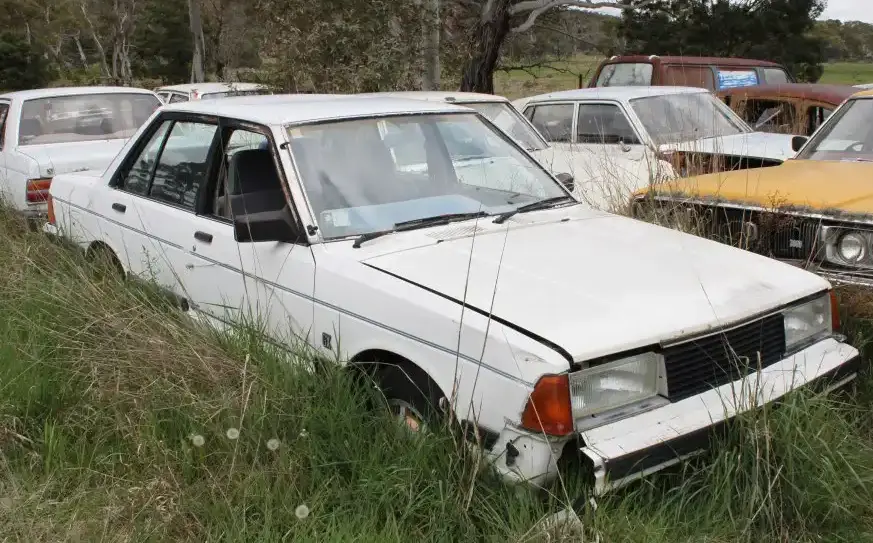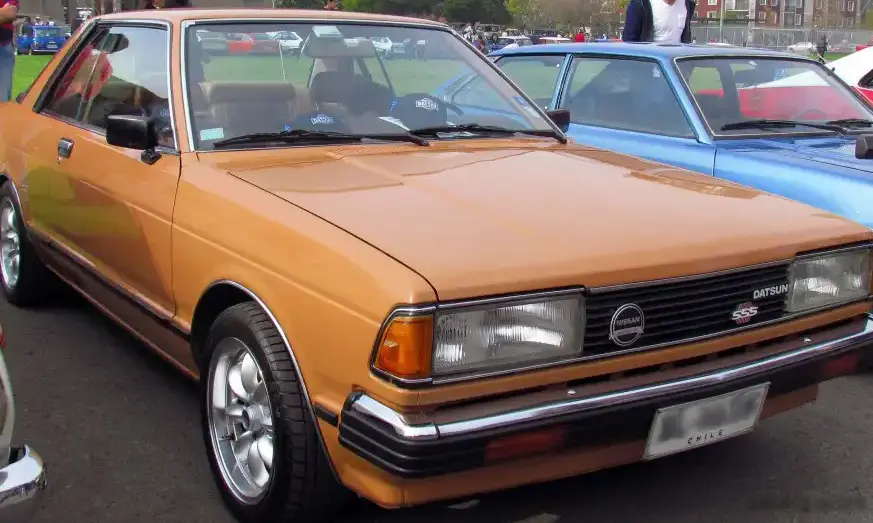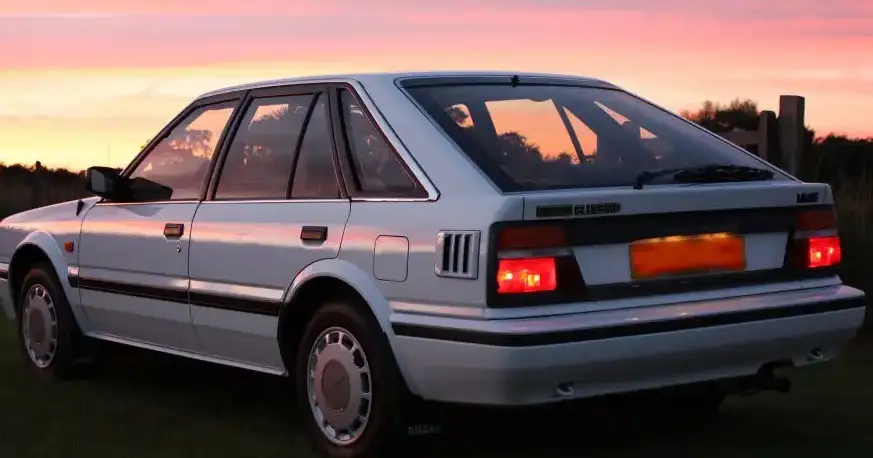
The Nissan Bluebird U12, produced between 1987 and 1991, represented a significant evolution in Nissan’s mid-size sedan offerings. This generation, known for its comfortable ride and practical design, aimed to compete with established rivals like the Toyota Corolla and Honda Accord. The 1.8i variant, equipped with an 88 horsepower engine, served as a core model within the U12 lineup, offering a balance between affordability and reasonable performance. It was primarily marketed towards families and commuters seeking a reliable and fuel-efficient vehicle. While the Bluebird nameplate had a long history in Japan and other markets, the U12 series saw limited official sales in the United States, making it a relatively uncommon sight in North America today.
Technical Specifications
| Brand | Nissan |
| Model | Bluebird |
| Generation | Bluebird (U12) |
| Type (Engine) | 1.8i (88 Hp) |
| Start of production | 1987 |
| End of production | 1991 |
| Powertrain Architecture | Internal Combustion engine |
| Body type | Sedan |
| Seats | 5 |
| Doors | 4 |
| Fuel consumption (urban) | 7.4 l/100 km (31.8 US mpg, 38.2 UK mpg, 13.5 km/l) |
| Fuel Type | Petrol (Gasoline) |
| Power | 88 Hp @ 5200 rpm |
| Power per litre | 48.6 Hp/l |
| Torque | 142 Nm @ 3200 rpm (104.73 lb.-ft. @ 3200 rpm) |
| Engine layout | Front, Transverse |
| Engine displacement | 1809 cm3 (110.39 cu. in.) |
| Number of cylinders | 4 |
| Engine configuration | Inline |
| Engine aspiration | Naturally aspirated |
| Fuel tank capacity | 60 l (15.85 US gal, 13.2 UK gal) |
| Length | 4520 mm (177.95 in.) |
| Width | 1690 mm (66.54 in.) |
| Height | 1375 mm (54.13 in.) |
| Wheelbase | 2550 mm (100.39 in.) |
| Front track | 1460 mm (57.48 in.) |
| Rear track | 1440 mm (56.69 in.) |
| Minimum turning circle | 10 m (32.81 ft.) |
| Drivetrain Architecture | Front wheel drive, Internal Combustion Engine |
| Number of gears | 5 |
| Gearbox type | Manual transmission |
| Front brakes | Ventilated discs |
| Rear brakes | Drum |
Powertrain & Engine Architecture
The heart of the Bluebird 1.8i was Nissan’s GA16DE engine, a 1.8-liter inline-four cylinder powerplant. This engine utilized a single overhead camshaft (SOHC) valvetrain with two valves per cylinder. Fuel delivery was managed by a multi-point fuel injection system, contributing to improved fuel efficiency and smoother operation compared to earlier carbureted designs. The GA16DE was known for its relatively simple design and robust construction, making it a reliable unit. The 88 horsepower output was achieved at 5200 rpm, while peak torque of 142 Nm (104.73 lb-ft) arrived at 3200 rpm. The engine’s transverse mounting and front-wheel-drive configuration were typical for vehicles of this class during the late 1980s. The U12 Bluebird 1.8i was exclusively offered with a 5-speed manual transmission in many markets, providing drivers with direct control over the engine’s power delivery.
Driving Characteristics
The 1.8i Bluebird, with its 88 horsepower and 5-speed manual transmission, offered adequate, though not exhilarating, performance. Acceleration was modest, with a 0-60 mph time estimated to be around 11-12 seconds. The engine’s torque curve was relatively flat, providing usable power across a broad range of engine speeds. The 5-speed gearbox allowed drivers to keep the engine in its optimal power band, improving responsiveness. Compared to higher-spec Bluebird models equipped with larger engines (such as the 2.0-liter variants), the 1.8i felt noticeably less powerful, particularly when fully loaded or tackling steep inclines. However, the lighter weight of the 1.8i compared to its larger-engined siblings contributed to slightly better fuel economy and handling. The steering was light and precise, making the Bluebird easy to maneuver in urban environments.
Equipment & Trim Levels
The 1.8i Bluebird typically served as the entry-level or mid-range trim within the U12 lineup. Standard equipment generally included cloth upholstery, a basic stereo system, and manual windows and door locks. Air conditioning was often an optional extra. Higher trim levels added features such as power windows, central locking, upgraded audio systems, and alloy wheels. Interior design was functional and straightforward, prioritizing practicality over luxury. The dashboard layout was clean and easy to use, with clearly labeled controls. The Bluebird offered a reasonably spacious interior for its class, providing comfortable seating for five adults.
Chassis & Braking
The U12 Bluebird utilized a MacPherson strut front suspension and a semi-independent torsion beam rear suspension. This setup provided a comfortable ride quality, absorbing bumps and imperfections in the road surface effectively. The front brakes were ventilated discs, offering good stopping power, while the rear brakes were drums. This combination was typical for vehicles in this price range during the late 1980s. The steering system was a rack-and-pinion setup, providing precise and responsive handling. Stabilizer bars were fitted to both the front and rear axles to reduce body roll during cornering.
Market Reception & Comparison
The Nissan Bluebird U12 1.8i was generally well-received by automotive critics as a practical and reliable family sedan. It was praised for its comfortable ride, fuel efficiency, and spacious interior. However, some reviewers noted that the 1.8-liter engine lacked the power and refinement of its competitors. Compared to the Toyota Corolla and Honda Accord, the Bluebird offered a similar level of practicality and reliability, but often at a slightly lower price point. The 1.8i variant was considered a good value for money, offering a reasonable balance between performance and affordability. Fuel economy was a strong point, with the Bluebird achieving around 32-35 mpg in mixed driving conditions.
Legacy
The Nissan Bluebird U12, particularly the 1.8i variant, has proven to be a durable and long-lasting vehicle. Many examples are still on the road today, testament to the robust construction of the engine and chassis. The GA16DE engine is known for its reliability and relatively low maintenance costs. In the used car market, the U12 Bluebird is often sought after by enthusiasts looking for a classic Japanese sedan. While not a particularly rare or valuable vehicle, well-maintained examples can command a reasonable price. The Bluebird U12 represents a significant chapter in Nissan’s history, showcasing the company’s commitment to building practical, reliable, and affordable vehicles.