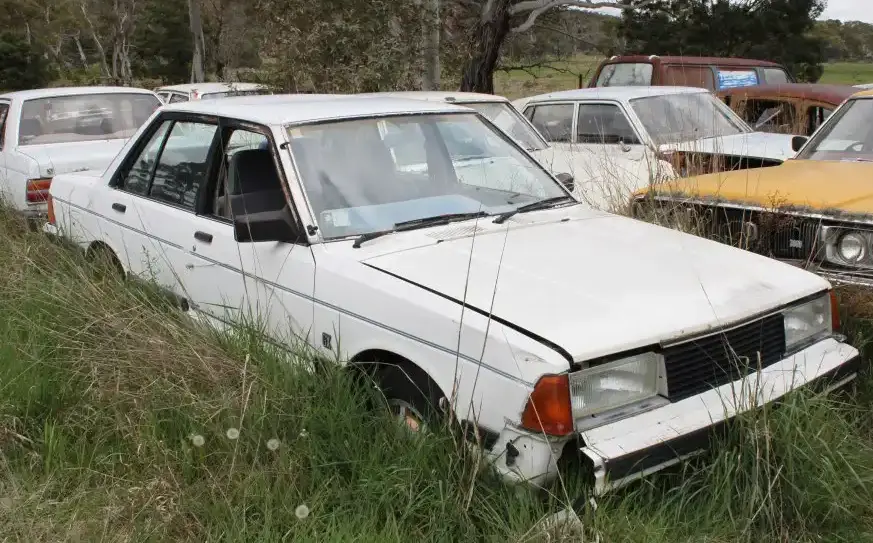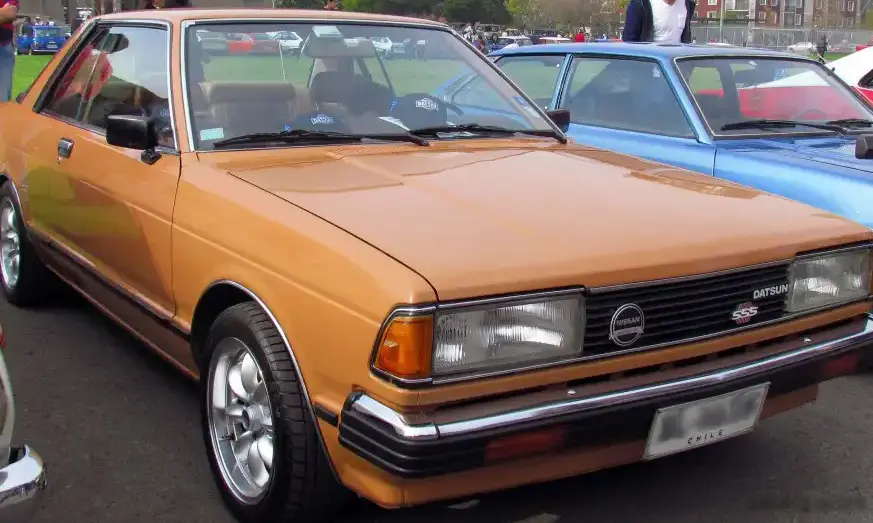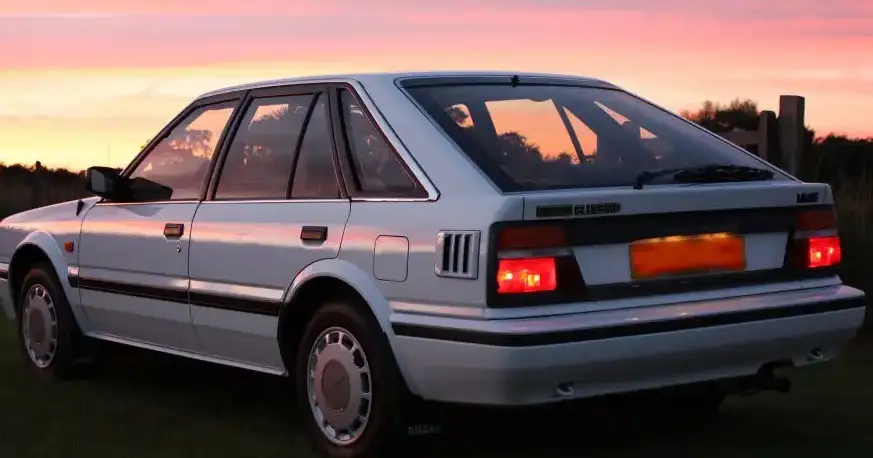
The Nissan Bluebird U12, produced between 1987 and 1991, represented a significant evolution of Nissan’s long-running Bluebird lineage. This generation, designated U12, aimed to offer a blend of practicality, comfort, and efficiency in a competitive mid-size sedan segment. Within the U12 range, the 2.0 D variant, powered by a 67 horsepower diesel engine, occupied a specific niche, appealing to buyers prioritizing fuel economy and durability over outright performance. This model was primarily marketed in Europe and other regions where diesel engines enjoyed considerable popularity due to favorable taxation and fuel costs. It served as a more economical alternative to the gasoline-powered Bluebird variants.
Technical Specifications
| Brand | Nissan |
| Model | Bluebird |
| Generation | Bluebird (U12) |
| Type (Engine) | 2.0 D (67 Hp) |
| Start of production | 1987 |
| End of production | 1991 |
| Powertrain Architecture | Internal Combustion engine |
| Body type | Sedan |
| Seats | 5 |
| Doors | 4 |
| Fuel consumption (urban) | 7.4 l/100 km (31.8 US mpg, 38.2 UK mpg, 13.5 km/l) |
| Fuel Type | Diesel |
| Power | 67 Hp |
| Power per litre | 33.9 Hp/l |
| Engine displacement | 1974 cm3 (120.46 cu. in.) |
| Number of cylinders | 4 |
| Engine configuration | Inline |
| Number of valves per cylinder | 2 |
| Fuel injection system | Precombustion chamber injection |
| Engine aspiration | Naturally aspirated engine |
| Valvetrain | OHC |
| Fuel tank capacity | 60 l (15.85 US gal, 13.2 UK gal) |
| Length | 4520 mm (177.95 in.) |
| Width | 1690 mm (66.54 in.) |
| Height | 1375 mm (54.13 in.) |
| Wheelbase | 2550 mm (100.39 in.) |
| Front track | 1460 mm (57.48 in.) |
| Rear track | 1440 mm (56.69 in.) |
| Minimum turning circle | 10 m (32.81 ft.) |
| Drivetrain Architecture | Front wheel drive, Internal Combustion Engine |
| Drive wheel | Front wheel drive |
| Number of gears | 5 |
| Gearbox type | Manual transmission |
| Front brakes | Ventilated discs |
| Rear brakes | Drum |
Powertrain & Engine Architecture
The heart of the Bluebird 2.0 D was Nissan’s naturally aspirated, inline-four cylinder diesel engine, displacing 1974 cubic centimeters (120.46 cubic inches). This engine, while modest in output at 67 horsepower, was designed for robustness and fuel efficiency. It employed a precombustion chamber injection system, a common diesel technology of the era. This system utilized a small pre-chamber connected to the main combustion chamber, where fuel was initially injected and ignited, then transferred to the main chamber for complete combustion. The engine featured a single overhead camshaft (OHC) valvetrain, operating two valves per cylinder. The engine’s relatively low compression ratio, typical for diesel engines, contributed to its durability. The U12 2.0 D was exclusively offered with a five-speed manual transmission, optimized for maximizing fuel economy and providing adequate acceleration given the engine’s torque characteristics.
Driving Characteristics
The driving experience in the Bluebird 2.0 D was characterized by its relaxed and economical nature. With only 67 horsepower on tap, acceleration was not a strong point, and the vehicle was best suited for steady cruising rather than spirited driving. The five-speed manual transmission allowed drivers to keep the engine within its optimal torque band, aiding in fuel efficiency and providing reasonable performance for everyday driving. The gear ratios were relatively long, emphasizing economy over responsiveness. Compared to the gasoline-powered Bluebird variants, the 2.0 D offered significantly lower fuel consumption but lacked the higher top speeds and quicker acceleration of its petrol counterparts. The diesel engine’s torque delivery was linear, providing predictable power throughout the rev range, but it lacked the high-end power of a gasoline engine.
Equipment & Trim Levels
The Bluebird 2.0 D typically came with a fairly basic level of equipment, reflecting its position as a more affordable and practical variant within the U12 lineup. Standard features generally included cloth upholstery, a basic instrument cluster, and manual windows and door locks. Air conditioning was often an optional extra, as were features like a radio/cassette player and power steering. The interior design was functional and straightforward, prioritizing durability and ease of use. Trim levels varied depending on the specific market, but the 2.0 D generally represented the entry-level diesel offering. Higher trim levels in the Bluebird range, available with gasoline engines, offered more luxurious features such as leather upholstery, electric windows, and upgraded audio systems.
Chassis & Braking
The Bluebird U12 featured a conventional front-engine, front-wheel-drive layout. The suspension system consisted of MacPherson struts at the front and a semi-independent torsion beam axle at the rear. This setup provided a comfortable ride quality, although it wasn’t particularly sporty. The 2.0 D variant, being a diesel model, often had slightly heavier-duty suspension components to cope with the engine’s increased weight. The braking system comprised ventilated discs at the front and drum brakes at the rear. While adequate for normal driving conditions, the braking performance wasn’t exceptional compared to more modern vehicles. The U12’s chassis was designed to prioritize comfort and practicality over handling precision.
Market Reception & Comparison
The Nissan Bluebird 2.0 D was generally well-received in markets where diesel engines were popular, particularly in Europe. Critics praised its fuel economy and durability, but noted its lack of performance. Compared to other diesel-powered sedans of the era, such as the Volkswagen Jetta Diesel or the Ford Sierra Diesel, the Bluebird offered a competitive combination of fuel efficiency, reliability, and affordability. However, it often lagged behind in terms of refinement and driving dynamics. The gasoline-powered Bluebird variants offered more exciting driving experiences, but at the cost of increased fuel consumption. The 2.0 D appealed to buyers who prioritized practicality and economy over performance and luxury.
Legacy
The Nissan Bluebird U12 2.0 D, while not a particularly glamorous or high-performance vehicle, proved to be a reliable and durable workhorse for many owners. The diesel engine, if properly maintained, was known for its longevity. Today, these vehicles are relatively rare, and well-maintained examples are sought after by enthusiasts and collectors. The U12 generation Bluebird represents a significant chapter in Nissan’s history, showcasing the company’s commitment to building practical and affordable vehicles. The 2.0 D variant, in particular, stands as a testament to the enduring appeal of diesel engines for those seeking fuel efficiency and reliability.