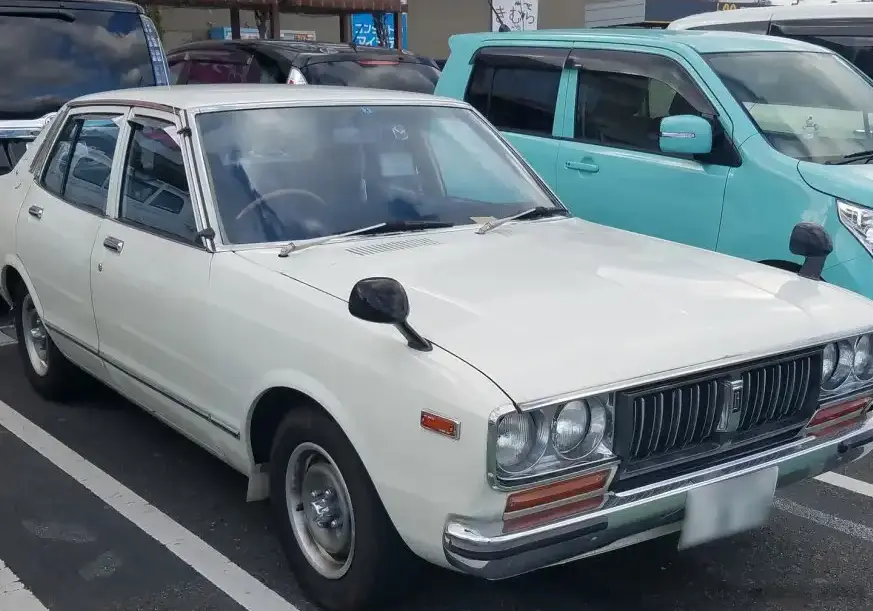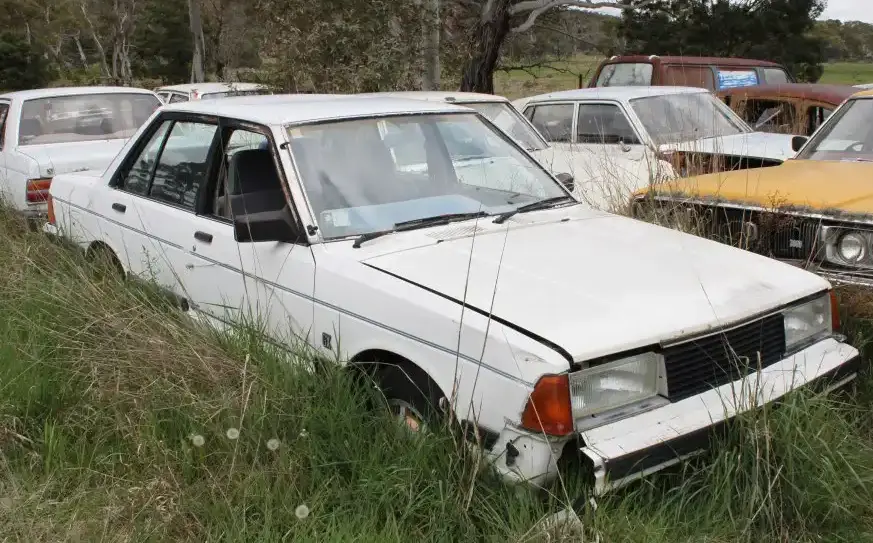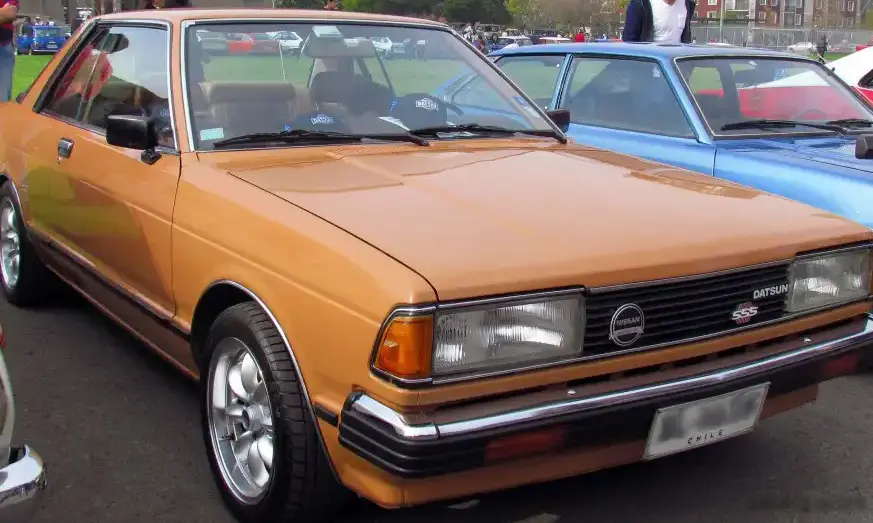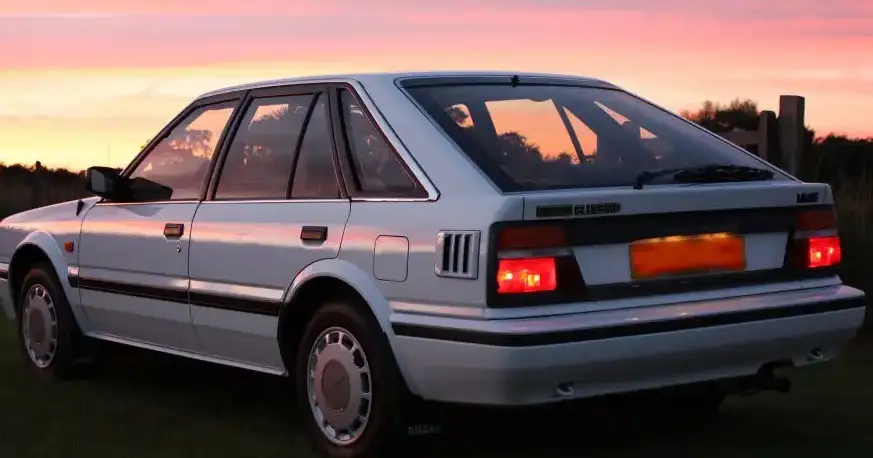
The Nissan Bluebird U12, produced between 1987 and 1991, represented a significant evolution in Nissan’s mid-size sedan offerings. Positioned as a comfortable and relatively sporty option, the U12 Bluebird aimed to appeal to a broad range of buyers. Within the U12 range, the 2.0 SSS Automatic variant occupied a middle ground, offering a step up in performance from the base models while remaining more accessible than the top-tier trims. This model was primarily marketed in Japan, Australia, and select Asian markets, where it competed with vehicles like the Toyota Corolla and Honda Accord.
Technical Specifications
| Brand | Nissan |
| Model | Bluebird |
| Generation | Bluebird (U12) |
| Type | 2.0 SSS (140 Hp) Automatic |
| Start of production | 1987 |
| End of production | 1991 |
| Powertrain Architecture | Internal Combustion engine |
| Body type | Sedan |
| Seats | 5 |
| Doors | 4 |
| Fuel consumption (urban) | 7.4 l/100 km (31.8 US mpg, 38.2 UK mpg, 13.5 km/l) |
| Fuel Type | Petrol (Gasoline) |
| Power | 140 Hp @ 5800 rpm |
| Power per litre | 70.1 Hp/l |
| Torque | 181 Nm @ 4800 rpm (133.5 lb.-ft. @ 4800 rpm) |
| Engine layout | Front, Transverse |
| Engine displacement | 1998 cm3 (121.93 cu. in.) |
| Number of cylinders | 4 |
| Engine configuration | Inline |
| Cylinder Bore | 86 mm (3.39 in.) |
| Piston Stroke | 86 mm (3.39 in.) |
| Compression ratio | 10:1 |
| Number of valves per cylinder | 4 |
| Fuel injection system | Multi-port manifold injection |
| Engine aspiration | Naturally aspirated engine |
| Valvetrain | DOHC |
| Fuel tank capacity | 60 l (15.85 US gal, 13.2 UK gal) |
| Length | 4520 mm (177.95 in.) |
| Width | 1690 mm (66.54 in.) |
| Height | 1375 mm (54.13 in.) |
| Wheelbase | 2550 mm (100.39 in.) |
| Front track | 1460 mm (57.48 in.) |
| Rear track | 1440 mm (56.69 in.) |
| Minimum turning circle | 10 m (32.81 ft.) |
| Drivetrain Architecture | Front wheel drive, Internal Combustion Engine |
| Number of gears | 4 |
| Gearbox type | Automatic transmission |
| Front brakes | Ventilated discs |
| Rear brakes | Drum |
Powertrain & Engine Architecture
The heart of the Bluebird 2.0 SSS Automatic was Nissan’s CA20S engine, a 1.998-liter inline-four cylinder powerplant. This engine featured a double overhead camshaft (DOHC) valvetrain, operating four valves per cylinder. The CA20S utilized multi-port fuel injection, contributing to improved fuel efficiency and throttle response compared to earlier carbureted designs. The engine produced 140 horsepower at 5800 rpm and 181 Nm (133.5 lb-ft) of torque at 4800 rpm. The automatic transmission was a four-speed unit, designed for smooth operation and ease of use. While not a particularly advanced transmission by modern standards, it was well-suited to the engine’s power characteristics and the intended market for the vehicle.
Driving Characteristics
The 2.0 SSS Automatic offered a comfortable and refined driving experience. The automatic transmission, while providing convenience, did slightly diminish the overall performance compared to the five-speed manual version. Acceleration was adequate for everyday driving, but the automatic’s gear ratios were geared more towards fuel economy than outright speed. The suspension, tuned for comfort, provided a smooth ride over most road surfaces. Steering was light and precise, making the Bluebird easy to maneuver in urban environments. Compared to the base 1.6L models, the 2.0 SSS offered noticeably more power, making highway merging and overtaking maneuvers less stressful. However, the higher-performance turbocharged variants, if available in certain markets, provided a significantly more engaging driving experience.
Equipment & Trim Levels
The 2.0 SSS Automatic trim level included a number of standard features designed to enhance comfort and convenience. These typically included power steering, central locking, electric windows, and an upgraded audio system. Interior upholstery was usually cloth, with a focus on durability and comfort. Optional extras could include air conditioning, a sunroof, and upgraded sound systems. The dashboard layout was functional and straightforward, with easy-to-read gauges and logically placed controls. The SSS designation also typically included some exterior enhancements, such as alloy wheels and a subtle body kit, differentiating it from the more basic Bluebird models.
Chassis & Braking
The U12 Bluebird utilized a front-engine, front-wheel-drive layout. The suspension consisted of MacPherson struts at the front and a semi-independent torsion beam setup at the rear. Braking was accomplished via ventilated discs on the front wheels and drum brakes on the rear. This configuration was typical for vehicles in this class during the late 1980s and early 1990s. While the braking system was adequate for normal driving conditions, it lacked the stopping power and sophistication of more modern systems. Stabilizer bars were included at both the front and rear to reduce body roll during cornering.
Market Reception & Comparison
The Nissan Bluebird U12 2.0 SSS Automatic was generally well-received by automotive critics. It was praised for its comfortable ride, spacious interior, and reliable powertrain. However, some reviewers noted that the automatic transmission dulled the engine’s performance and that the handling wasn’t as sporty as some of its competitors. Fuel economy was considered to be good for a vehicle of its size and class. Compared to the 1.6L Bluebird models, the 2.0 SSS offered a significant improvement in performance, but at a slightly higher price point. Against rivals like the Toyota Corolla and Honda Accord, the Bluebird offered a compelling combination of features, comfort, and value.
Legacy
The Nissan Bluebird U12, and specifically the 2.0 SSS Automatic variant, has proven to be a relatively durable and reliable vehicle. The CA20S engine is known for its longevity, and the automatic transmission, while not particularly sophisticated, is generally dependable. Today, these vehicles are becoming increasingly rare, and well-maintained examples are sought after by collectors and enthusiasts. Parts availability can be a challenge, but many components are still available through specialist suppliers. The U12 Bluebird represents a significant chapter in Nissan’s history, showcasing the company’s commitment to building comfortable, reliable, and affordable family sedans.