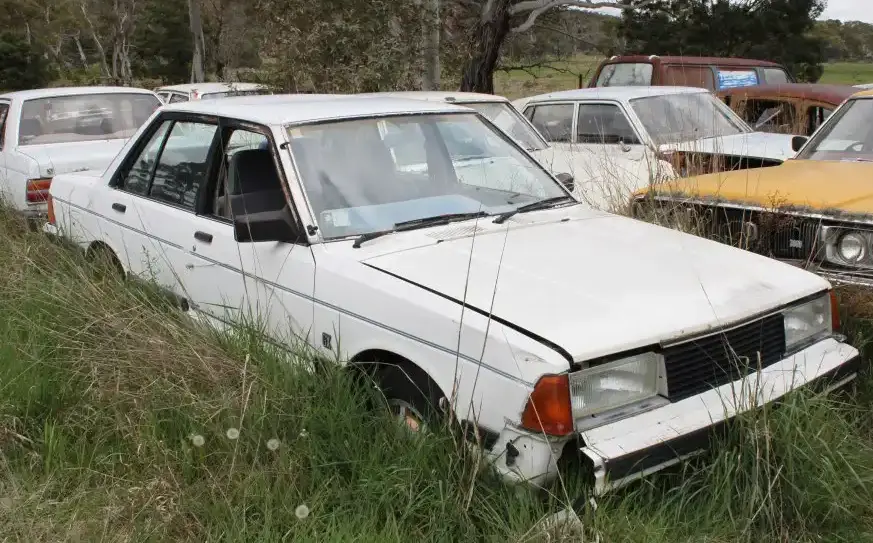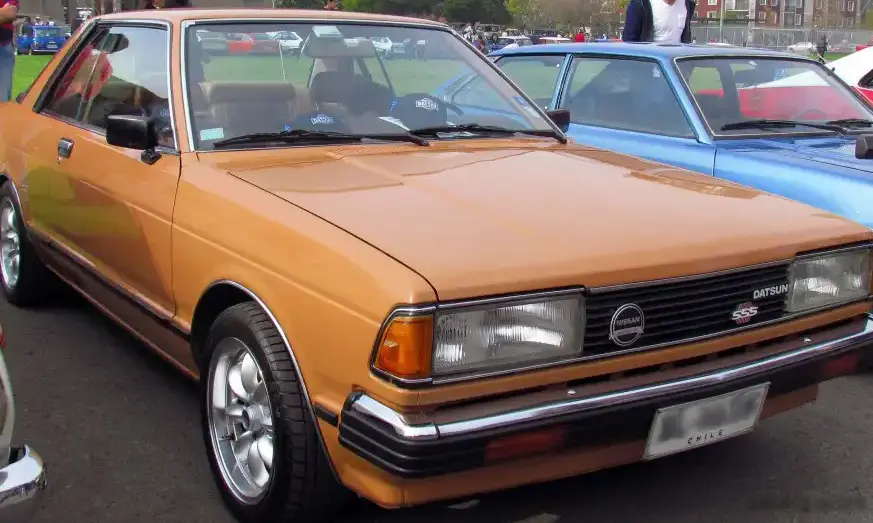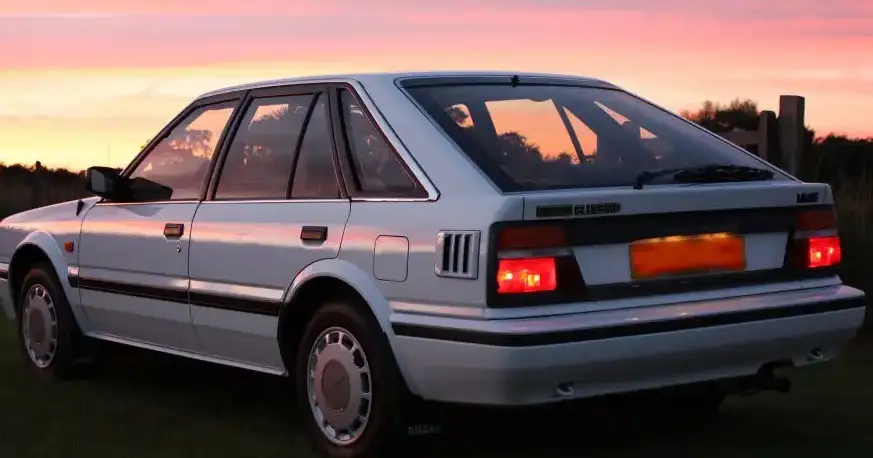
The Nissan Bluebird U13, produced between 1991 and 1997, represented a significant evolution of Nissan’s long-running Bluebird lineage. Within the U13 series, the 2.0D variant, powered by a 67 horsepower diesel engine, occupied a specific niche. This model was primarily aimed at buyers seeking fuel efficiency and durability, particularly in markets where diesel engines were favored for their economy and longevity. The U13 Bluebird was a mid-size sedan, positioned as a practical and reliable family vehicle, competing with models like the Toyota Corolla and Honda Accord. The 2.0D trim, while not the performance leader of the range, offered a cost-effective entry point into the Bluebird family.
Technical Specifications
| Brand | Nissan |
| Model | Bluebird |
| Generation | Bluebird (U13) |
| Type (Engine) | 2.0D (67 Hp) |
| Start of production | 1991 |
| End of production | 1997 |
| Powertrain Architecture | Internal Combustion engine |
| Body type | Sedan |
| Seats | 5 |
| Doors | 4 |
| Fuel Type | Diesel |
| Power | 67 Hp @ 4600 rpm |
| Power per litre | 33.9 Hp/l |
| Torque | 128 Nm @ 2400 rpm / 94.41 lb.-ft. @ 2400 rpm |
| Engine layout | Front, Transverse |
| Engine displacement | 1974 cm3 / 120.46 cu. in. |
| Number of cylinders | 4 |
| Engine configuration | Inline |
| Number of valves per cylinder | 2 |
| Fuel injection system | Direct injection |
| Engine aspiration | Naturally aspirated engine |
| Fuel tank capacity | 60 l / 15.85 US gal | 13.2 UK gal |
| Length | 4585 mm / 180.51 in. |
| Width | 1695 mm / 66.73 in. |
| Height | 1405 mm / 55.31 in. |
| Wheelbase | 2620 mm / 103.15 in. |
| Front track | 1465 mm / 57.68 in. |
| Rear (Back) track | 1455 mm / 57.28 in. |
| Ride height (ground clearance) | 160 mm / 6.3 in. |
| Drivetrain Architecture | The Internal combustion engine (ICE) drives the front wheels of the vehicle. |
| Drive wheel | Front wheel drive |
| Number of gears and type of gearbox | 5 gears, manual transmission |
| Front brakes | Ventilated discs |
| Rear brakes | Drum |
| Steering type | Steering rack and pinion |
Powertrain & Engine Architecture
The heart of the Bluebird 2.0D was the Nissan LD20 diesel engine. This 1974cc inline-four cylinder engine utilized a naturally aspirated configuration and direct fuel injection. The LD20 was a relatively simple design, prioritizing robustness and fuel economy over outright performance. It featured a two-valve per cylinder valvetrain, contributing to its lower output but also its inherent reliability. The direct injection system, while common for diesel engines of the era, helped to improve combustion efficiency and reduce emissions compared to indirect injection systems. The 67 horsepower output at 4600 rpm and 128 Nm (94.41 lb-ft) of torque at 2400 rpm were modest, but sufficient for comfortable everyday driving. The engine was transversely mounted in the front of the vehicle, driving the front wheels.
Driving Characteristics
The 2.0D Bluebird offered a driving experience focused on practicality and economy. Acceleration was not a strong point, with the 67 horsepower engine requiring careful throttle management, especially when fully loaded. The five-speed manual transmission helped to keep the engine within its optimal operating range, but the lack of significant low-end torque meant frequent downshifts were often necessary, particularly when tackling hills. Compared to the gasoline-powered Bluebird variants, the 2.0D felt noticeably slower. However, the diesel engine’s torque characteristics provided reasonable mid-range responsiveness for overtaking maneuvers. The suspension was tuned for comfort, providing a relatively smooth ride, although it wasn’t particularly sporty. The steering was light and easy to use, making it well-suited for urban driving.
Equipment & Trim Levels
The 2.0D trim of the U13 Bluebird typically represented the entry-level diesel offering. Standard equipment generally included basic features such as cloth upholstery, a simple dashboard layout, and manual windows and door locks. Air conditioning was often an optional extra, as were power windows and a more advanced audio system. The interior was functional and durable, prioritizing practicality over luxury. The exterior styling was relatively understated, with minimal chrome trim and standard steel wheels with hubcaps. Higher trim levels of the Bluebird, such as the 2.0i, offered more luxurious appointments, including upgraded upholstery, alloy wheels, and additional convenience features.
Chassis & Braking
The U13 Bluebird utilized a front-engine, front-wheel-drive layout. The suspension consisted of MacPherson struts at the front and a twist-beam rear axle. This configuration provided a good balance between ride comfort and handling. The 2.0D variant, being a more economically focused model, typically featured ventilated disc brakes at the front and drum brakes at the rear. This braking setup was adequate for the vehicle’s weight and performance, but lacked the stopping power of the all-disc brake systems found on higher-spec models. The steering system employed a rack-and-pinion setup, providing precise and responsive steering feel.
Market Reception & Comparison
The Nissan Bluebird 2.0D was generally well-received in markets where diesel engines were popular, such as Europe and parts of Asia. Critics praised its fuel efficiency and durability, but noted its lack of performance compared to gasoline-powered rivals. Compared to the 1.6L and 1.8L gasoline variants of the U13 Bluebird, the 2.0D offered significantly better fuel economy but considerably less power. The 2.0D was often seen as a sensible choice for drivers who prioritized economy and reliability over driving excitement. Its lower price point also made it an attractive option for budget-conscious buyers.
Legacy
The LD20 diesel engine, found in the Bluebird 2.0D, proved to be a remarkably durable and reliable powerplant. Many examples of this engine continue to operate today, testament to its robust construction. While not particularly sophisticated by modern standards, the LD20 was known for its longevity and relatively low maintenance costs. In the used car market, the U13 Bluebird 2.0D is often sought after by those looking for a simple, reliable, and fuel-efficient vehicle. However, finding well-maintained examples can be challenging, as many have accumulated high mileage over the years. The U13 Bluebird, and particularly the 2.0D variant, represents a significant chapter in Nissan’s history, showcasing the company’s commitment to building practical and dependable vehicles.