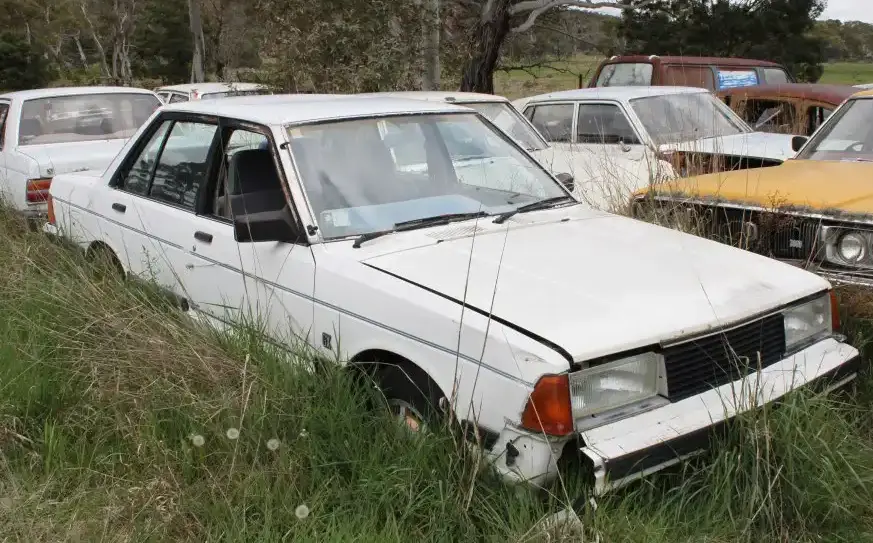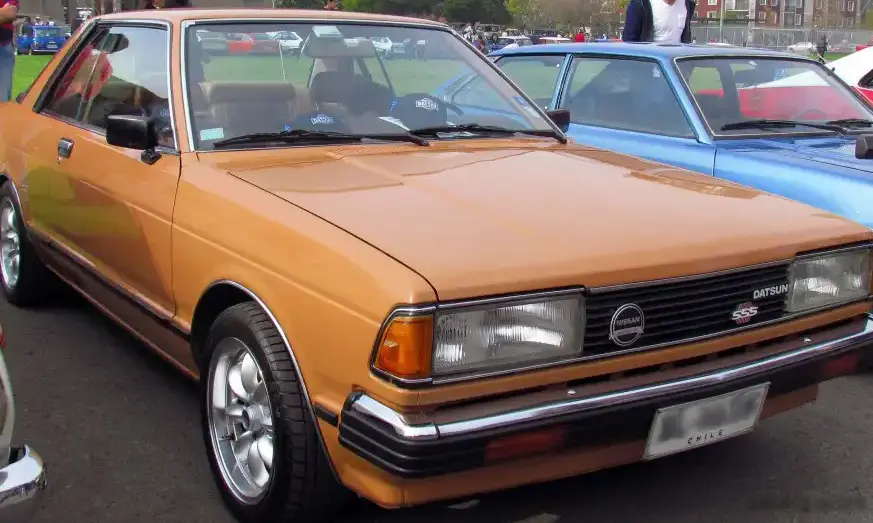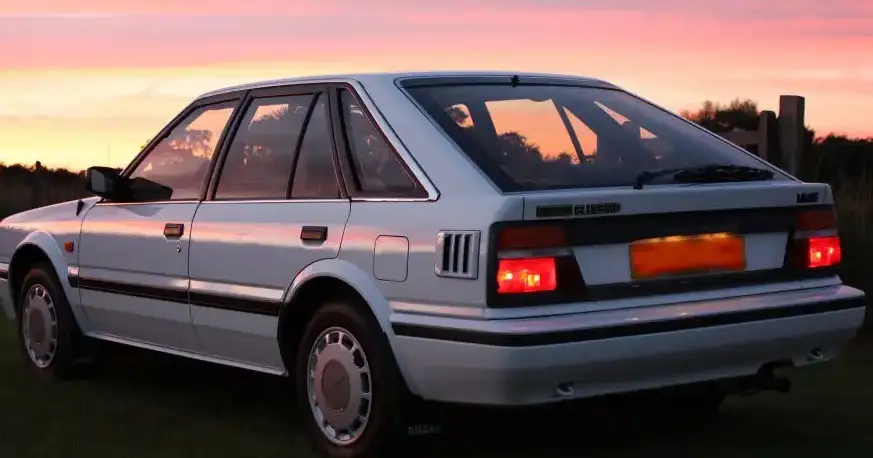
The Nissan Bluebird U13, produced between 1991 and 1997, represented a significant evolution of Nissan’s long-running Bluebird lineage. This generation, sold primarily in Japan, Australia, and select Asian markets, aimed to blend comfort, practicality, and a degree of sophistication. Within the U13 range, the 2.0D variant with a 67 horsepower diesel engine and automatic transmission occupied a specific niche, targeting buyers seeking fuel efficiency and ease of use over outright performance. It was positioned as a sensible, economical option within the broader Bluebird lineup, which also included gasoline-powered engines with varying levels of output and transmission choices.
Technical Specifications
| Brand | Nissan |
| Model | Bluebird |
| Generation | Bluebird (U13) |
| Type (Engine) | 2.0D (67 Hp) Automatic |
| Start of production | 1991 |
| End of production | 1997 |
| Powertrain Architecture | Internal Combustion engine |
| Body type | Sedan |
| Seats | 5 |
| Doors | 4 |
| Fuel Type | Diesel |
| Power | 67 Hp @ 4600 rpm |
| Power per litre | 33.9 Hp/l |
| Torque | 128 Nm @ 2400 rpm / 94.41 lb.-ft. @ 2400 rpm |
| Engine layout | Front, Transverse |
| Engine displacement | 1974 cm3 / 120.46 cu. in. |
| Number of cylinders | 4 |
| Engine configuration | Inline |
| Number of valves per cylinder | 2 |
| Fuel injection system | Direct injection |
| Engine aspiration | Naturally aspirated engine |
| Fuel tank capacity | 60 l / 15.85 US gal | 13.2 UK gal |
| Length | 4585 mm / 180.51 in. |
| Width | 1695 mm / 66.73 in. |
| Height | 1405 mm / 55.31 in. |
| Wheelbase | 2620 mm / 103.15 in. |
| Front track | 1465 mm / 57.68 in. |
| Rear (Back) track | 1455 mm / 57.28 in. |
| Ride height (ground clearance) | 160 mm / 6.3 in. |
| Drivetrain Architecture | The Internal combustion engine (ICE) drives the front wheels of the vehicle. |
| Drive wheel | Front wheel drive |
| Number of gears and type of gearbox | 4 gears, automatic transmission |
| Front brakes | Ventilated discs |
| Rear brakes | Drum |
| Steering type | Steering rack and pinion |
Powertrain & Engine Architecture
The heart of the Bluebird 2.0D Automatic was the Nissan LD20 diesel engine. This 1974cc inline-four cylinder engine utilized a naturally aspirated configuration and direct fuel injection. The LD20, while not known for its high output, was valued for its durability and fuel economy. The engine featured a two-valve per cylinder design, a relatively simple valvetrain contributing to its robustness. The direct injection system, common for diesel engines of the era, helped improve combustion efficiency. Paired with this engine was a four-speed automatic transmission, designed to provide smooth and effortless shifting. This transmission was a conventional hydraulic automatic, prioritizing ease of use over sporty responsiveness. The LD20 engine code is a key identifier for this specific powerplant, and parts availability, while diminishing, still exists through specialist suppliers.
Driving Characteristics
The 2.0D Automatic Bluebird offered a distinctly different driving experience compared to its gasoline-powered siblings. With only 67 horsepower, acceleration was modest, and the vehicle was not designed for spirited driving. The automatic transmission, while convenient, further muted performance, with noticeable delays in downshifting. However, the engine’s 128 Nm (94.41 lb-ft) of torque, available at a relatively low 2400 rpm, provided adequate pulling power for everyday driving situations. The gear ratios were optimized for fuel efficiency rather than rapid acceleration. Compared to the more powerful 1.8L or 2.0L gasoline versions, the diesel automatic felt considerably slower, but it excelled in providing a relaxed and economical driving experience, particularly on longer journeys.
Equipment & Trim Levels
The 2.0D Automatic trim level of the U13 Bluebird typically represented a mid-range offering. Standard equipment generally included power steering, central locking, and basic audio system. Interior upholstery was typically cloth, with a functional, if not luxurious, design. Air conditioning was often included, but could also be an optional extra depending on the specific market and package. Higher trim levels within the U13 range offered features such as alloy wheels, upgraded audio systems, and more refined interior materials. The 2.0D Automatic was often seen as a practical choice for families or individuals prioritizing fuel economy and reliability over premium features.
Chassis & Braking
The U13 Bluebird featured a conventional front-wheel-drive chassis layout. Suspension consisted of MacPherson struts at the front and a twist-beam rear axle. The 2.0D Automatic, being a heavier variant due to the diesel engine and automatic transmission, often featured slightly stiffer suspension components to maintain handling stability. Braking was accomplished via ventilated discs at the front and drum brakes at the rear. This configuration was typical for vehicles in this class during the early 1990s. The steering system utilized a rack and pinion setup, providing reasonably precise steering feel.
Market Reception & Comparison
The Nissan Bluebird 2.0D Automatic received generally positive reviews for its fuel efficiency and reliability. Critics acknowledged its modest performance but praised its comfortable ride and practical interior. Compared to other diesel-powered sedans of the time, the Bluebird offered a competitive combination of features and price. Within the Bluebird lineup, the 2.0D Automatic appealed to a different demographic than the gasoline-powered models. While the gasoline engines attracted buyers seeking more performance, the diesel variant resonated with those prioritizing economy and low running costs. Fuel economy figures were notably better than the gasoline counterparts, making it a popular choice for high-mileage drivers.
Legacy
The Nissan Bluebird U13 2.0D Automatic, while not a performance icon, holds a respectable place in automotive history as a reliable and economical family sedan. The LD20 diesel engine, when properly maintained, proved to be remarkably durable, with many examples exceeding high mileage. In the used car market, these Bluebirds are often sought after by those looking for a simple, affordable, and dependable vehicle. Parts availability has become increasingly challenging, but a dedicated community of enthusiasts continues to support the preservation of these classic Nissans. The U13 Bluebird, and particularly the 2.0D Automatic variant, represents a bygone era of automotive engineering focused on practicality and longevity.