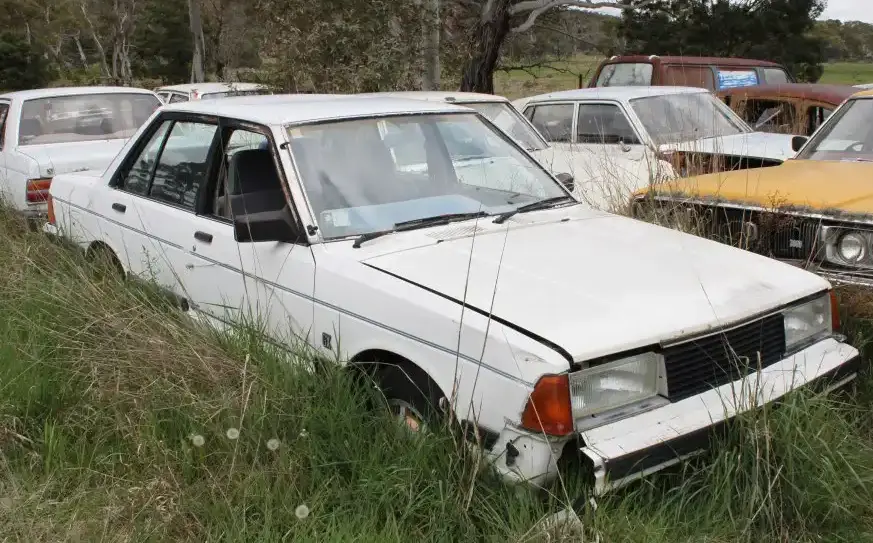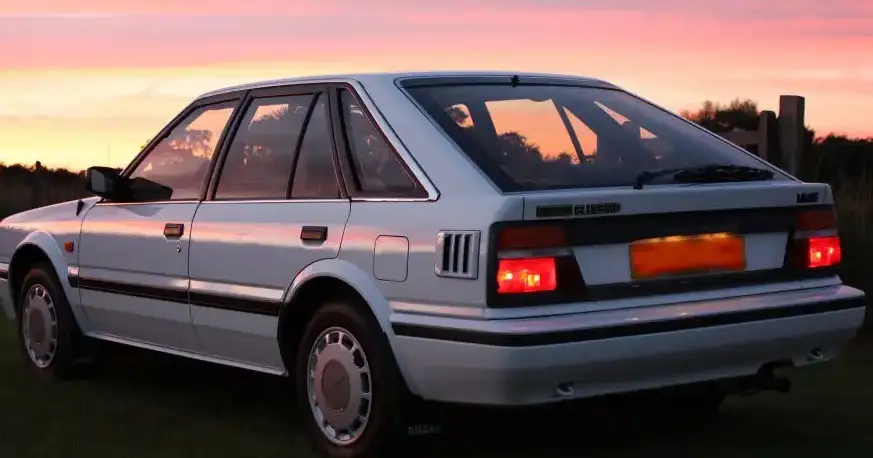
The Nissan Bluebird U13 2.0D, produced between 1991 and 1995, represented a practical and fuel-efficient offering within the broader Bluebird (U13) generation. Positioned as a more economical alternative to the gasoline-powered variants, the 2.0D catered to buyers prioritizing fuel economy and durability over outright performance. The U13 Bluebird itself was a significant model for Nissan, representing a continuation of a long-running lineage of family sedans, and was primarily marketed in Japan, Australia, and select Asian markets. This diesel variant, with its modest 76 horsepower, served as an entry point into the Bluebird range, appealing to fleet buyers and individuals seeking a reliable and cost-effective vehicle.
Technical Specifications
| Brand | Nissan |
| Model | Bluebird |
| Generation | Bluebird (U13) |
| Type (Engine) | 2.0D (76 Hp) |
| Start of production | 1991 |
| End of production | 1995 |
| Powertrain Architecture | Internal Combustion engine |
| Body type | Sedan |
| Seats | 5 |
| Doors | 4 |
| Fuel Type | Diesel |
| Weight-to-power ratio | 16.2 kg/Hp |
| Hp/tonne | 61.8 Hp/tonne |
| Weight-to-torque ratio | 9.3 kg/Nm |
| Nm/tonne | 107.3 Nm/tonne |
| Power | 76 Hp @ 4800 rpm |
| Power per litre | 38.5 Hp/l |
| Torque | 132 Nm @ 2800 rpm (97.36 lb.-ft. @ 2800 rpm) |
| Engine layout | Front, Transverse |
| Engine displacement | 1974 cm3 (120.46 cu. in.) |
| Number of cylinders | 4 |
| Engine configuration | Inline |
| Cylinder Bore | 84.5 mm (3.33 in.) |
| Piston Stroke | 88 mm (3.46 in.) |
| Compression ratio | 22.2:1 |
| Number of valves per cylinder | 2 |
| Fuel injection system | Direct injection |
| Engine aspiration | Naturally aspirated engine |
| Kerb Weight | 1230 kg (2711.69 lbs.) |
| Fuel tank capacity | 60 l (15.85 US gal | 13.2 UK gal) |
| Length | 4585 mm (180.51 in.) |
| Width | 1695 mm (66.73 in.) |
| Height | 1405 mm (55.31 in.) |
| Wheelbase | 2620 mm (103.15 in.) |
| Front track | 1465 mm (57.68 in.) |
| Rear track | 1455 mm (57.28 in.) |
| Ride height (ground clearance) | 160 mm (6.3 in.) |
| Drivetrain | Front wheel drive |
| Number of gears | 5 |
| Gearbox type | Manual transmission |
| Front brakes | Ventilated discs |
| Rear brakes | Drum |
| Steering type | Steering rack and pinion |
Powertrain & Engine Architecture
The heart of the Bluebird 2.0D was Nissan’s 1974cc inline-four cylinder diesel engine. While specific engine codes varied by market, it generally fell within the CD20 family. This engine utilized direct injection, a technology becoming increasingly common in diesel engines of the era, to improve fuel efficiency and reduce emissions. The engine featured a two-valve per cylinder configuration, a relatively simple valvetrain design prioritizing reliability and low-end torque over high-revving performance. The 22.2:1 compression ratio was typical for indirect injection diesels of the time, contributing to its fuel efficiency. The five-speed manual transmission was the standard offering, chosen to maximize the engine’s limited power output and provide reasonable acceleration. The transmission was designed for durability and ease of maintenance, reflecting the intended use of the vehicle.
Driving Characteristics
The 76 horsepower and 132 Nm (97.36 lb-ft) of torque produced by the 2.0D engine translated to modest, but adequate, performance. Acceleration was unhurried, and the vehicle was best suited for relaxed cruising rather than spirited driving. The five-speed manual transmission allowed drivers to keep the engine within its optimal torque band, aiding in everyday driving situations. Compared to the gasoline-powered Bluebirds, the 2.0D offered significantly better fuel economy, but at the expense of performance. The gear ratios were tuned for maximizing fuel efficiency, resulting in a taller final drive. This meant that while highway cruising was comfortable, overtaking maneuvers required careful planning. The diesel engine’s characteristic low-end grunt provided sufficient power for city driving, but it lacked the responsiveness of its gasoline counterparts.
Equipment & Trim Levels
The 2.0D trim level of the U13 Bluebird typically represented the base model. Standard equipment generally included cloth upholstery, a basic stereo system, and manual windows and door locks. Air conditioning was often an optional extra, as were power windows and central locking. The dashboard layout was functional and straightforward, prioritizing usability over aesthetic flair. Interior trim materials were durable and designed to withstand the rigors of daily use. The focus was on providing a comfortable and practical interior without excessive luxury. Depending on the market, some variants might have included features like a tachometer or upgraded seat fabrics as optional extras.
Chassis & Braking
The U13 Bluebird utilized a conventional front-engine, front-wheel-drive layout. The suspension consisted of MacPherson struts at the front and a twist-beam rear axle. This setup provided a comfortable ride quality, although it wasn’t particularly sporty. The front brakes were ventilated discs, offering adequate stopping power, while the rear brakes were drums, a cost-saving measure common in this class of vehicle. Steering was via a rack and pinion system, providing reasonably precise control. The chassis was designed to prioritize comfort and durability over handling prowess. Stabilizer bars were typically fitted to reduce body roll, but the overall handling characteristics were geared towards safe and predictable behavior rather than dynamic performance.
Market Reception & Comparison
The Nissan Bluebird 2.0D was generally well-received as a practical and economical family sedan. Critics praised its fuel efficiency and reliability, but noted its lack of performance. Compared to other diesel-powered sedans of the era, the Bluebird 2.0D offered a competitive combination of fuel economy, practicality, and affordability. Within the Bluebird lineup, it served as the entry-level option, appealing to budget-conscious buyers. The gasoline-powered variants offered more performance, but at a higher price point and with lower fuel economy. The 2.0D was often favored by fleet operators and individuals who prioritized long-term cost of ownership over driving excitement.
Legacy
The Nissan Bluebird U13 2.0D, while not a performance icon, established a reputation for reliability and fuel efficiency. The CD20 diesel engine proved to be a durable and long-lasting powerplant, and many examples remain on the road today. In the used car market, these Bluebirds are often sought after by those looking for a simple, affordable, and dependable vehicle. While maintenance costs can increase with age, the engine’s robust design and readily available parts contribute to its continued viability. The U13 Bluebird 2.0D represents a practical and honest offering from Nissan, a testament to the enduring appeal of a well-built and fuel-efficient family sedan.