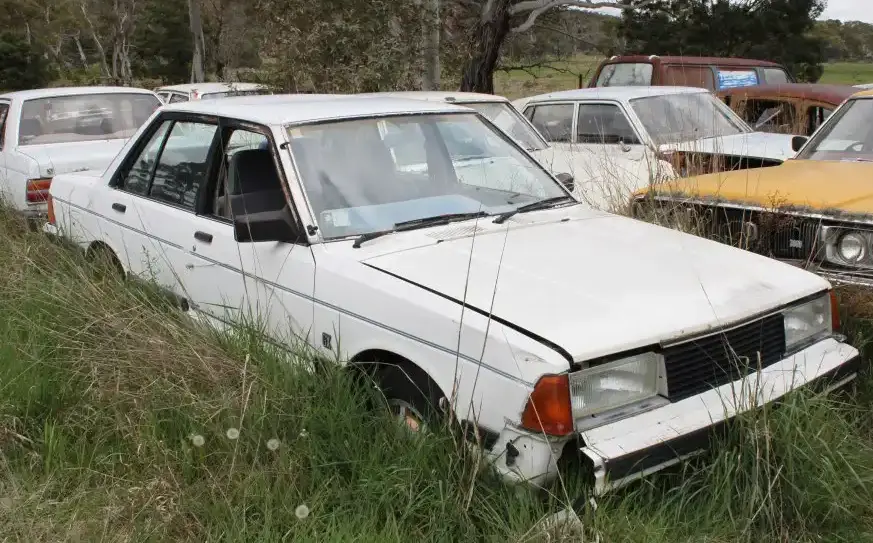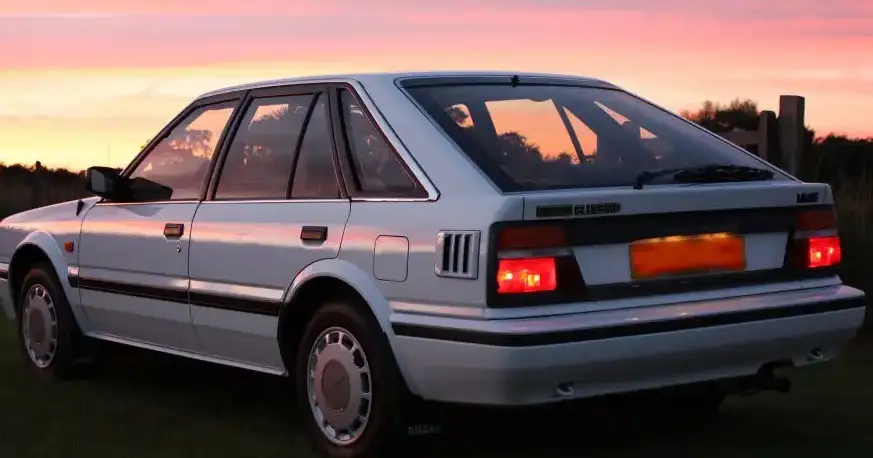
The Nissan Bluebird U13 2.0D 4×4, produced between 1991 and 1995, represents a somewhat unusual configuration within the broader U13 Bluebird range. The U13 generation, launched in 1991, aimed to modernize the Bluebird, a long-running Nissan nameplate, offering a blend of comfort, practicality, and increasingly, technological features. While the Bluebird was primarily a domestic market (Japan) vehicle, it also saw sales in select export markets, particularly in Asia and Australia. The 2.0D 4×4 variant, however, was a niche offering, combining a diesel engine with all-wheel drive – a configuration not commonly found in this class of vehicle at the time. It positioned itself as a practical, all-weather sedan for buyers needing enhanced traction, though it wasn’t a performance-oriented model.
Technical Specifications
| Brand | Nissan |
| Model | Bluebird |
| Generation | Bluebird (U13) |
| Type | 2.0D (76 Hp) 4×4 |
| Start of production | 1991 |
| End of production | 1995 |
| Powertrain Architecture | Internal Combustion engine |
| Body type | Sedan |
| Seats | 5 |
| Doors | 4 |
| Fuel Type | Diesel |
| Weight-to-power ratio | 17.5 kg/Hp |
| Hp/tonne | 57.1 Hp/tonne |
| Weight-to-torque ratio | 10.1 kg/Nm |
| Nm/tonne | 99.2 Nm/tonne |
| Power | 76 Hp @ 4800 rpm |
| Power per litre | 38.5 Hp/l |
| Torque | 132 Nm @ 2800 rpm (97.36 lb.-ft. @ 2800 rpm) |
| Engine layout | Front, Transverse |
| Engine displacement | 1974 cm3 (120.46 cu. in.) |
| Number of cylinders | 4 |
| Engine configuration | Inline |
| Cylinder Bore | 84.5 mm (3.33 in.) |
| Piston Stroke | 88 mm (3.46 in.) |
| Compression ratio | 22.2:1 |
| Number of valves per cylinder | 2 |
| Fuel injection system | Direct injection |
| Engine aspiration | Naturally aspirated engine |
| Kerb Weight | 1330 kg (2932.15 lbs.) |
| Fuel tank capacity | 60 l (15.85 US gal | 13.2 UK gal) |
| Length | 4585 mm (180.51 in.) |
| Width | 1695 mm (66.73 in.) |
| Height | 1405 mm (55.31 in.) |
| Wheelbase | 2620 mm (103.15 in.) |
| Front track | 1465 mm (57.68 in.) |
| Rear track | 1455 mm (57.28 in.) |
| Ride height (ground clearance) | 160 mm (6.3 in.) |
| Drive wheel | All wheel drive (4×4) |
| Number of gears | 5 |
| Gearbox type | Manual transmission |
| Front brakes | Ventilated discs |
| Rear brakes | Drum |
| Steering type | Steering rack and pinion |
| Tires size | 185/70 R14 |
| Wheel rims size | 14 |
Powertrain & Engine Architecture
The heart of the Bluebird 2.0D 4×4 is the Nissan LD20 diesel engine. This 1974cc inline-four cylinder engine utilizes direct injection, a technology becoming increasingly common in diesel engines of the era for improved fuel efficiency and reduced emissions. The LD20 features a relatively high compression ratio of 22.2:1, typical for indirect injection diesels, and a simple two-valve per cylinder configuration. The engine produces 76 horsepower at 4800 rpm and 132 Nm (97.36 lb-ft) of torque at 2800 rpm. The LD20 was known for its durability and relatively straightforward mechanical design, making it a popular choice for fleet vehicles and those prioritizing reliability. The five-speed manual transmission was the only gearbox option for this variant, providing a reasonable spread of gears for both on-road cruising and off-pavement traction.
Driving Characteristics
The 2.0D 4×4, with its 76 horsepower, wasn’t designed for rapid acceleration. Performance was adequate for everyday driving, but overtaking maneuvers required careful planning. The diesel engine’s torque characteristics meant that usable power was available from relatively low engine speeds, making it feel more responsive in real-world situations than the horsepower figure might suggest. The all-wheel-drive system provided enhanced grip, particularly on slippery surfaces, making it a capable vehicle in inclement weather. Compared to the gasoline-powered Bluebirds, the diesel offered significantly better fuel economy, but at the expense of refinement and outright performance. The manual transmission allowed for greater driver control, but the gear ratios were geared towards economy rather than spirited driving.
Equipment & Trim Levels
The Bluebird 2.0D 4×4 typically came with a fairly basic level of equipment, reflecting its positioning as a practical, rather than luxurious, vehicle. Standard features generally included power steering, central locking, and a basic audio system. Interior upholstery was typically cloth, and the dashboard layout was functional and straightforward. Optional extras could include air conditioning, electric windows, and upgraded audio systems. The trim level was generally considered to be mid-range within the U13 Bluebird lineup, offering a step up from the most basic models but lacking the more luxurious appointments found in higher-spec versions.
Chassis & Braking
The U13 Bluebird utilized a conventional chassis layout with MacPherson strut front suspension and a multi-link rear suspension. The 4×4 variant featured a viscous coupling-based all-wheel-drive system, which automatically engaged the rear wheels when slip was detected at the front. Braking was accomplished via ventilated discs at the front and drum brakes at the rear. The braking system was adequate for the vehicle’s weight and performance, but lacked the sophistication of more modern systems. Stabilizer bars were fitted to both the front and rear axles to reduce body roll during cornering.
Market Reception & Comparison
The Bluebird 2.0D 4×4 received mixed reviews. Critics praised its fuel economy, durability, and all-weather capability, but noted its lack of performance and refinement compared to gasoline-powered competitors. It was often seen as a sensible, practical choice for buyers prioritizing reliability and low running costs over driving excitement. Compared to other Bluebird variants, such as the 1.8L gasoline models, the 2.0D 4×4 offered significantly better fuel economy but considerably less power. The all-wheel-drive system set it apart from most other Bluebird models, appealing to buyers in regions with harsh winters or challenging road conditions.
Legacy
The Nissan Bluebird U13 2.0D 4×4, while not a high-volume seller, has developed a reputation for reliability and longevity. The LD20 diesel engine is known for its robustness, and many examples are still on the road today. In the used car market, these Bluebirds are often sought after by those looking for a dependable and affordable vehicle. Parts availability can be a challenge, but the engine’s simplicity and durability mean that it can often withstand significant mileage with proper maintenance. The combination of diesel economy and all-wheel-drive capability makes it a unique and appealing option for enthusiasts and practical drivers alike.