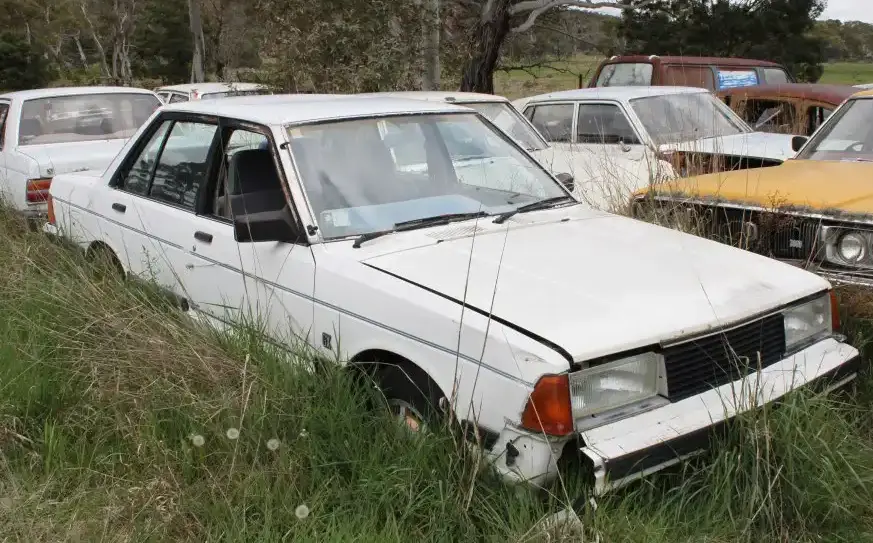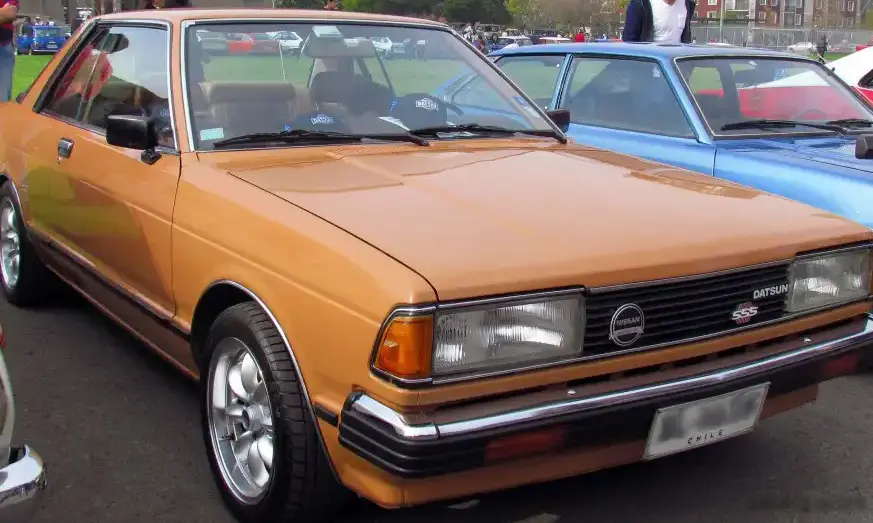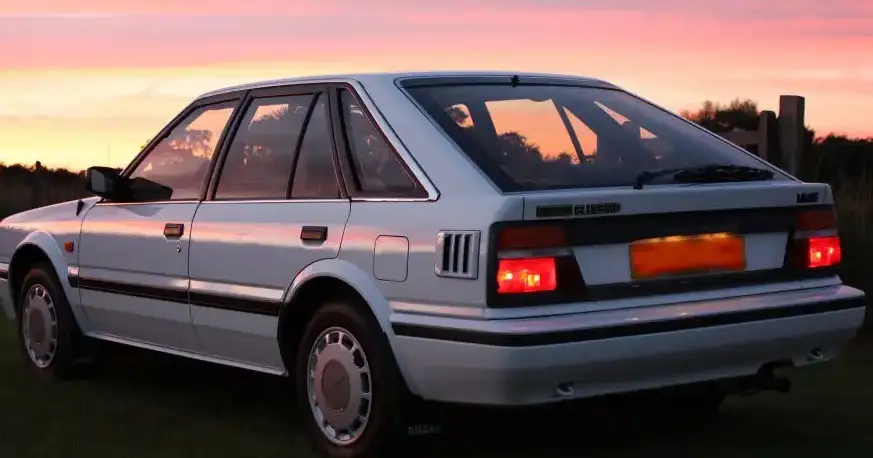
The Nissan Bluebird U13, produced between 1991 and 1995, represented a significant evolution of Nissan’s long-running Bluebird lineage. This generation, designated U13, was primarily aimed at the Japanese domestic market (JDM) and select export markets, offering a blend of comfort, practicality, and increasingly sophisticated technology. The 2.0i 4×4 Automatic variant occupied a mid-to-upper position within the U13 range, appealing to buyers seeking a well-equipped, all-weather capable sedan. It was a popular choice for families and business professionals who valued reliability and a comfortable driving experience. The U13 series was built on Nissan’s ‘N’ platform, a versatile architecture that also underpinned models like the Primera.
Technical Specifications
| Brand | Nissan |
| Model | Bluebird |
| Generation | Bluebird (U13) |
| Type | 2.0i (145 Hp) 4×4 Automatic |
| Start of production | 1991 |
| End of production | 1995 |
| Powertrain Architecture | Internal Combustion engine |
| Body type | Sedan |
| Seats | 5 |
| Doors | 4 |
| Fuel Type | Petrol (Gasoline) |
| Weight-to-power ratio | 9.4 kg/Hp, 105.8 Hp/tonne |
| Weight-to-torque ratio | 7.7 kg/Nm, 129.9 Nm/tonne |
| Power | 145 Hp @ 6400 rpm |
| Power per litre | 72.6 Hp/l |
| Torque | 178 Nm @ 4800 rpm (131.29 lb.-ft. @ 4800 rpm) |
| Engine layout | Front, Transverse |
| Engine displacement | 1998 cm3 (121.93 cu. in.) |
| Number of cylinders | 4 |
| Engine configuration | Inline |
| Cylinder Bore | 86 mm (3.39 in.) |
| Piston Stroke | 86 mm (3.39 in.) |
| Compression ratio | 9.5:1 |
| Number of valves per cylinder | 4 |
| Fuel injection system | Multi-port manifold injection |
| Engine aspiration | Naturally aspirated engine |
| Kerb Weight | 1370 kg (3020.33 lbs.) |
| Fuel tank capacity | 60 l (15.85 US gal | 13.2 UK gal) |
| Length | 4585 mm (180.51 in.) |
| Width | 1695 mm (66.73 in.) |
| Height | 1405 mm (55.31 in.) |
| Wheelbase | 2620 mm (103.15 in.) |
| Front track | 1465 mm (57.68 in.) |
| Rear track | 1455 mm (57.28 in.) |
| Ride height (ground clearance) | 160 mm (6.3 in.) |
| Drive wheel | All wheel drive (4×4) |
| Number of gears | 4 |
| Gearbox type | automatic transmission |
| Front brakes | Ventilated discs |
| Rear brakes | Disc |
| Steering type | Steering rack and pinion |
| Tires size | 195/65 R14 |
| Wheel rims size | 14 |
Powertrain & Engine Architecture
The heart of the Bluebird 2.0i 4×4 Automatic was Nissan’s SR20DE engine, a 1998cc inline-four cylinder powerplant. This engine utilized a multi-port fuel injection system, delivering a responsive and relatively efficient performance. The SR20DE featured a single overhead camshaft (SOHC) design with four valves per cylinder, contributing to its respectable power output. The engine’s 9.5:1 compression ratio was a balance between performance and fuel economy. The four-speed automatic transmission, a common unit in Nissan vehicles of the era, was chosen for its smoothness and ease of use, prioritizing comfort over outright performance. The 4×4 system employed a viscous coupling to distribute power between the front and rear axles, providing enhanced traction in adverse weather conditions without the complexity of a full-time all-wheel drive system.
Driving Characteristics
The 2.0i Automatic variant of the U13 Bluebird offered a comfortable and predictable driving experience. While not a sports sedan, the 145 horsepower engine provided adequate power for everyday driving and highway cruising. The automatic transmission, while smooth, did result in some power loss compared to the available manual transmission options. Gear ratios were tuned for fuel efficiency and relaxed acceleration. The all-wheel drive system noticeably improved grip, particularly on slippery surfaces, making it a more confident vehicle in inclement weather. Compared to the base 1.6L models, the 2.0i offered a significant performance boost, while remaining more affordable and less focused on outright performance than higher-spec variants.
Equipment & Trim Levels
The 2.0i 4×4 Automatic trim typically included features such as power windows, power steering, central locking, and an AM/FM radio with cassette player. Higher trim levels offered options like air conditioning, alloy wheels, and upgraded interior upholstery. Interior materials were generally of good quality for the price point, with a focus on durability and practicality. The dashboard layout was functional and straightforward, prioritizing ease of use. Optional extras included a sunroof, upgraded sound system, and metallic paint finishes.
Chassis & Braking
The U13 Bluebird featured a MacPherson strut front suspension and a multi-link rear suspension, providing a comfortable ride and decent handling characteristics. The 2.0i 4×4 Automatic model typically came equipped with ventilated disc brakes at the front and solid disc brakes at the rear, offering adequate stopping power for its weight class. Steering was via a rack and pinion system, providing precise and responsive control. Stabilizer bars were fitted to both the front and rear axles to reduce body roll during cornering.
Market Reception & Comparison
The Nissan Bluebird U13 2.0i 4×4 Automatic was generally well-received by critics and consumers alike. It was praised for its reliability, comfortable ride, and all-weather capability. Compared to its competitors, such as the Toyota Corolla and Honda Accord, the Bluebird offered a compelling combination of features and value. Fuel economy was respectable for a 2.0L engine and all-wheel drive system, although not class-leading. Reliability was a strong point, with the SR20DE engine proving to be a durable and long-lasting unit. The automatic transmission, while smooth, was sometimes criticized for being slightly less responsive than manual options.
Legacy
The Nissan Bluebird U13, and specifically the 2.0i 4×4 Automatic variant, has maintained a reputation for reliability and durability. Today, well-maintained examples are sought after by enthusiasts and collectors, particularly in Japan. The SR20DE engine remains a popular choice for engine swaps and modifications. While not a particularly rare or valuable classic car, the U13 Bluebird represents a significant chapter in Nissan’s history and a testament to the company’s commitment to building reliable and practical vehicles. The 4×4 system, while not as sophisticated as modern all-wheel drive systems, provided a valuable safety and performance benefit in challenging driving conditions, contributing to the model’s enduring appeal.