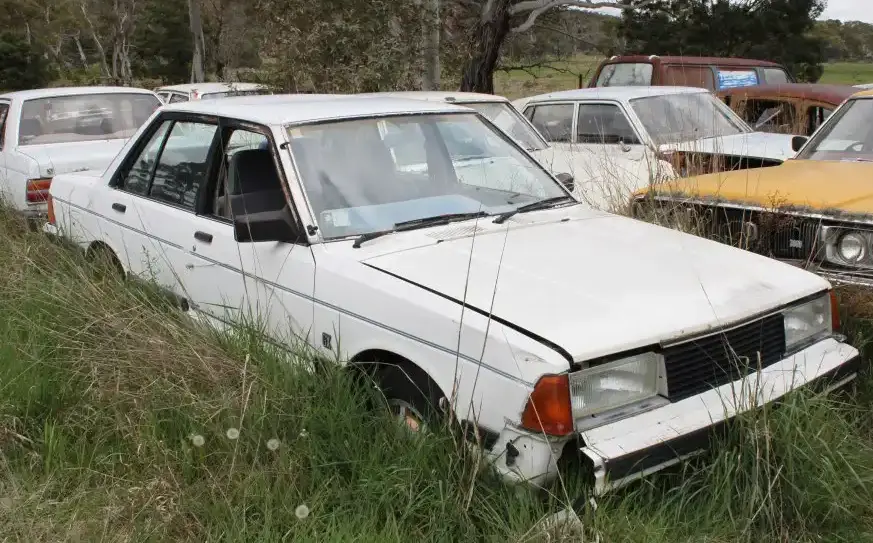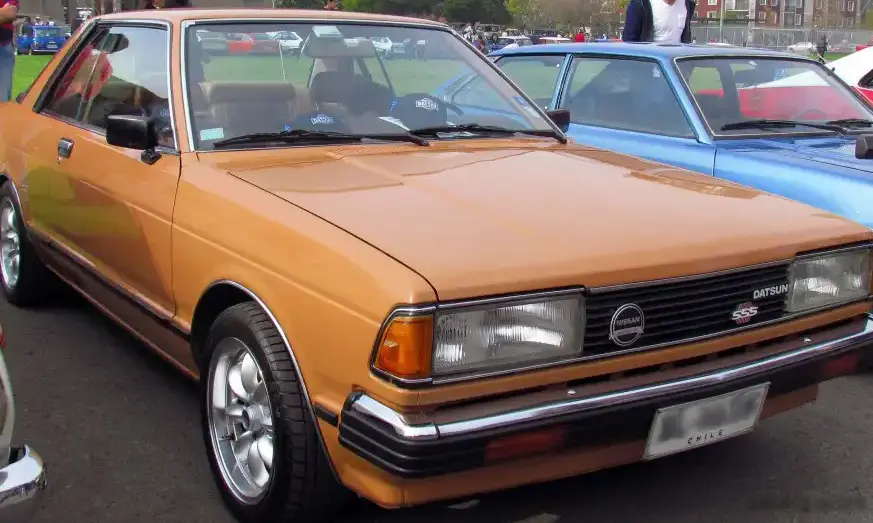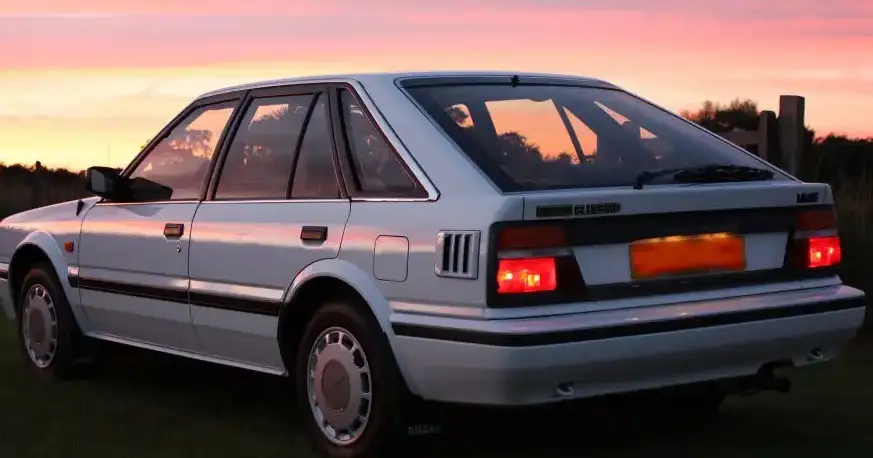
The Nissan Bluebird (U13) 2.0T, produced between 1991 and 1995, represented a performance-oriented variant within the broader U13 Bluebird generation. Positioned as a more sporting option, the 2.0T aimed to attract buyers seeking a blend of comfort and respectable power in a mid-size sedan. The U13 Bluebird itself was a significant model for Nissan, continuing a lineage of family sedans that had been a mainstay of the company’s lineup for decades. This generation saw a move towards more modern styling and technology, and the 2.0T variant capitalized on this with its turbocharged engine. It primarily served the Japanese domestic market (JDM) and select export markets, offering a compelling alternative to competitors like the Toyota Corona and Honda Accord.
Technical Specifications
| Brand | Nissan |
| Model | Bluebird |
| Generation | Bluebird (U13) |
| Type (Engine) | 2.0T (210 Hp) |
| Start of production | 1991 |
| End of production | 1995 |
| Powertrain Architecture | Internal Combustion engine |
| Body type | Sedan |
| Seats | 5 |
| Doors | 4 |
| Fuel Type | Petrol (Gasoline) |
| Weight-to-power ratio | 6.7 kg/Hp, 150 Hp/tonne |
| Weight-to-torque ratio | 5.1 kg/Nm, 196.4 Nm/tonne |
| Power | 210 Hp @ 6000 rpm |
| Power per litre | 105.1 Hp/l |
| Torque | 275 Nm @ 4000 rpm, 202.83 lb.-ft. @ 4000 rpm |
| Engine layout | Front, Transverse |
| Engine displacement | 1998 cm3, 121.93 cu. in. |
| Number of cylinders | 4 |
| Engine configuration | Inline |
| Cylinder Bore | 86 mm, 3.39 in. |
| Piston Stroke | 86 mm, 3.39 in. |
| Compression ratio | 10:1 |
| Number of valves per cylinder | 4 |
| Fuel injection system | Multi-port manifold injection |
| Engine aspiration | Turbocharger |
| Kerb Weight | 1400 kg, 3086.47 lbs |
| Fuel tank capacity | 60 l, 15.85 US gal | 13.2 UK gal |
| Length | 4585 mm, 180.51 in. |
| Width | 1695 mm, 66.73 in. |
| Height | 1405 mm, 55.31 in. |
| Wheelbase | 2620 mm, 103.15 in. |
| Front track | 1465 mm, 57.68 in. |
| Rear (Back) track | 1455 mm, 57.28 in. |
| Ride height (ground clearance) | 155 mm, 6.1 in. |
| Drivetrain Architecture | The Internal combustion engine (ICE) drives the front wheels of the vehicle. |
| Drive wheel | Front wheel drive |
| Number of gears and type of gearbox | 5 gears, manual transmission |
| Front brakes | Ventilated discs |
| Rear brakes | Disc |
| Steering type | Steering rack and pinion |
| Tires size | 195/65 R14 |
| Wheel rims size | 14 |
Powertrain & Engine Architecture
The heart of the Bluebird 2.0T was Nissan’s SR20DET engine, a 1998cc, inline-four cylinder powerplant. This engine was a derivative of the SR20DE, but significantly enhanced with the addition of a turbocharger and intercooler. The SR20DET featured multi-port fuel injection and a 10:1 compression ratio. The turbocharger, typically a Garrett or IHI unit, provided a substantial boost in power output, elevating it to 210 horsepower at 6000 rpm and 275 Nm (202.83 lb-ft) of torque at 4000 rpm. The engine’s robust bottom end and well-engineered cylinder head allowed it to handle the increased stresses associated with forced induction. The U13 2.0T exclusively came with a 5-speed manual transmission, designed to cope with the engine’s output and provide a more engaging driving experience.
Driving Characteristics
The 2.0T variant offered a noticeable performance upgrade over the naturally aspirated Bluebird models. The turbocharger provided a surge of power in the mid-range, making overtaking and highway cruising considerably easier. While not a dedicated sports sedan, the 2.0T delivered a responsive and enjoyable driving experience. The 5-speed manual transmission allowed for precise control, and the front-wheel-drive layout provided good traction in most conditions. Compared to the standard Bluebird, the 2.0T felt significantly more eager to accelerate, and the added torque made it more forgiving in everyday driving situations. The gear ratios were well-matched to the engine’s powerband, ensuring that the turbocharger remained in its optimal boost range during normal acceleration.
Equipment & Trim Levels
The Bluebird 2.0T typically came with a relatively well-equipped interior for its time. Standard features often included power windows, power steering, central locking, and an upgraded audio system. Interior upholstery was usually cloth, although leather options were sometimes available. The dashboard layout was functional and straightforward, with easy-to-read gauges. Optional extras could include air conditioning, a sunroof, and alloy wheels. The 2.0T was generally positioned as a mid-to-high trim level within the Bluebird range, offering a step up in both performance and features compared to the base models.
Chassis & Braking
The U13 Bluebird featured a conventional front-wheel-drive chassis with MacPherson strut suspension in the front and a multi-link suspension in the rear. The 2.0T variant often received slightly stiffer suspension components to improve handling and reduce body roll. Braking duties were handled by ventilated discs on the front wheels and solid discs on the rear. The braking system was adequate for the car’s performance, but it wasn’t particularly noteworthy. Steering was via a rack-and-pinion system, providing precise and responsive control.
Market Reception & Comparison
The Nissan Bluebird 2.0T was generally well-received by automotive critics in Japan. It was praised for its strong performance, comfortable ride, and relatively affordable price. However, some critics noted that the front-wheel-drive layout limited its handling potential compared to rear-wheel-drive competitors. In terms of fuel economy, the 2.0T was less efficient than the naturally aspirated models, but still offered reasonable figures for a turbocharged engine of its size. Compared to other turbocharged sedans of the era, the Bluebird 2.0T offered a good balance of performance, comfort, and value.
Legacy
The SR20DET engine found in the Bluebird 2.0T has become a popular choice for engine swaps and modifications. Its robust construction and readily available aftermarket parts make it a favorite among enthusiasts. The U13 Bluebird 2.0T itself has developed a cult following, particularly in Japan, where it is appreciated for its performance and reliability. Well-maintained examples are becoming increasingly rare and sought after by collectors. The powertrain, while not without its age-related maintenance needs, is generally considered durable and capable of providing years of reliable service when properly cared for. Today, the Bluebird 2.0T represents a compelling example of 1990s Japanese performance sedans, offering a unique blend of style, comfort, and driving enjoyment.