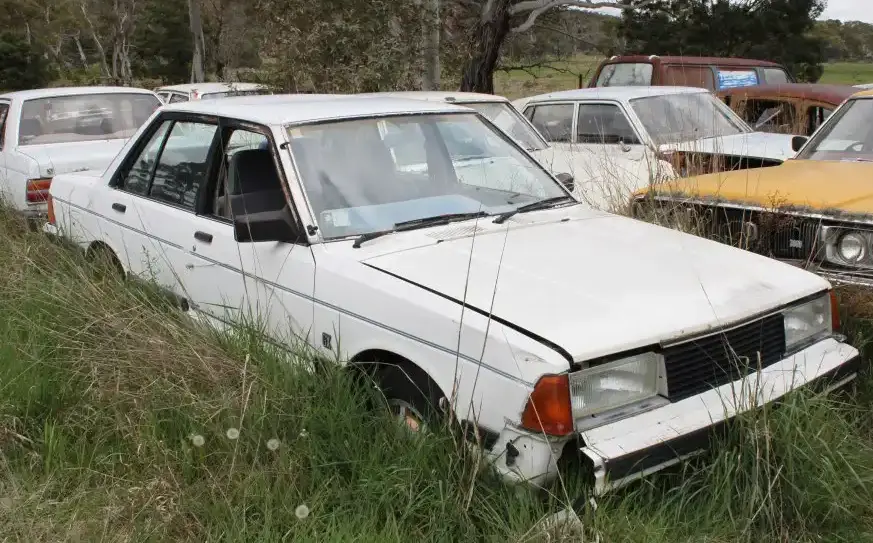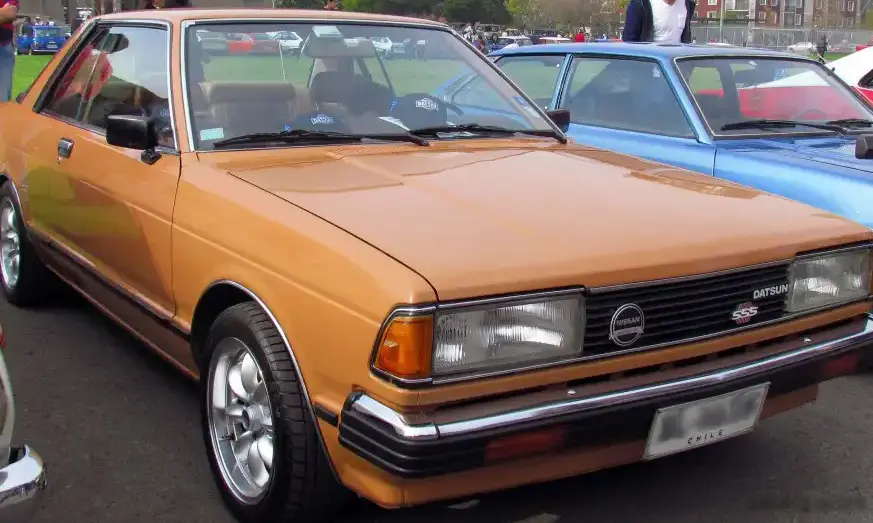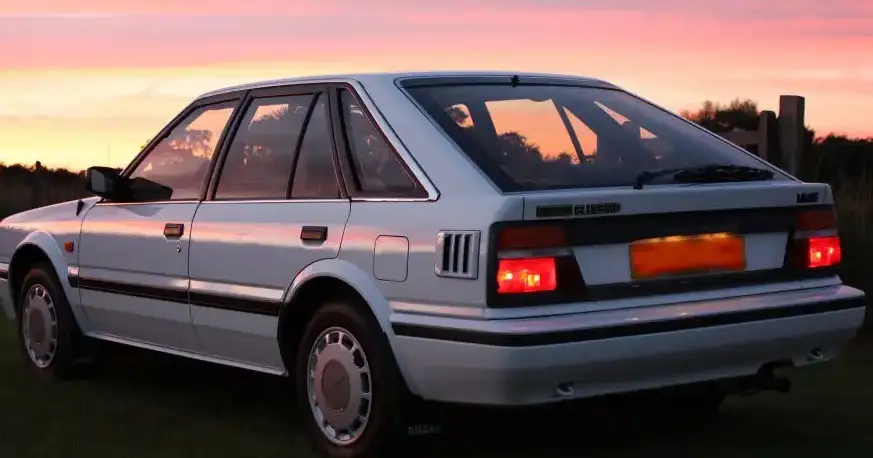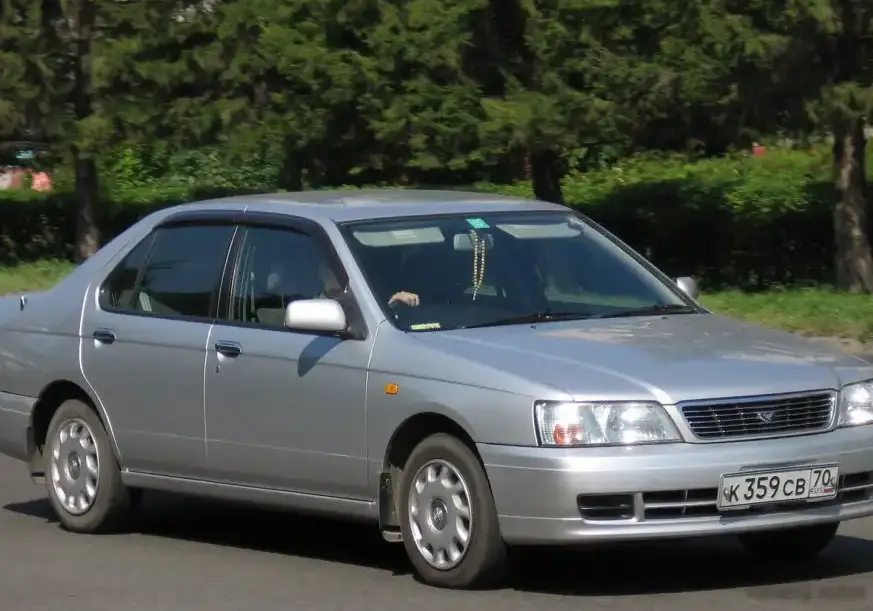
The Nissan Bluebird U14 1.8 XE Attesa 4×4 Automatic, produced between 1996 and 1998, represented a sophisticated offering within the Bluebird range. Positioned as a mid-to-upper trim level, this variant combined a 1.8-liter engine with a four-wheel drive system and an automatic transmission, aiming to provide a comfortable and capable driving experience. The U14 Bluebird, sold primarily in Japan and select export markets, was a significant model for Nissan, building upon the reputation for reliability and practicality established by its predecessors. It utilized Nissan’s ‘FF’ platform, but the Attesa system added all-wheel drive capability, enhancing traction and stability.
Technical Specifications
| Brand | Nissan |
| Model | Bluebird |
| Generation | Bluebird (U14) |
| Type | 1.8 XE Attesa (125 Hp) 4×4 Automatic |
| Start of production | 1996 |
| End of production | 1998 |
| Powertrain Architecture | Internal Combustion engine |
| Body type | Sedan |
| Seats | 5 |
| Doors | 4 |
| Fuel consumption (urban) | 10.3-13.5 l/100 km (22.8 – 17.4 US mpg, 27.4 – 20.9 UK mpg, 9.7 – 7.4 km/l) |
| Fuel consumption (extra urban) | 6.7-8.9 l/100 km (35.1 – 26.4 US mpg, 42.2 – 31.7 UK mpg, 14.9 – 11.2 km/l) |
| Fuel consumption (combined) | 9.3 l/100 km (25.3 US mpg, 30.4 UK mpg, 10.8 km/l) |
| Fuel Type | Petrol (Gasoline) |
| Acceleration 0 – 100 km/h | 13 sec |
| Acceleration 0 – 62 mph | 13 sec |
| Acceleration 0 – 60 mph | 12.4 sec |
| Maximum speed | 185 km/h (114.95 mph) |
| Weight-to-power ratio | 10.6 kg/Hp, 94.7 Hp/tonne |
| Weight-to-torque ratio | 8.4 kg/Nm, 118.9 Nm/tonne |
| Power | 125 Hp @ 6000 rpm |
| Power per litre | 68 Hp/l |
| Torque | 157 Nm @ 4800 rpm (115.8 lb.-ft. @ 4800 rpm) |
| Engine layout | Front, Transverse |
| Engine Model/Code | SR18DE |
| Engine displacement | 1838 cm3 (112.16 cu. in.) |
| Number of cylinders | 4 |
| Engine configuration | Inline |
| Cylinder Bore | 82.5 mm (3.25 in.) |
| Piston Stroke | 86 mm (3.39 in.) |
| Compression ratio | 9.5:1 |
| Number of valves per cylinder | 4 |
| Fuel injection system | Multi-port manifold injection |
| Engine aspiration | Naturally aspirated engine |
| Valvetrain | DOHC |
| Kerb Weight | 1320 kg (2910.1 lbs.) |
| Fuel tank capacity | 60 l (15.85 US gal | 13.2 UK gal) |
| Length | 4565 mm (179.72 in.) |
| Width | 1695 mm (66.73 in.) |
| Height | 1420 mm (55.91 in.) |
| Wheelbase | 2600 mm (102.36 in.) |
| Front track | 1465 mm (57.68 in.) |
| Rear track | 1450 mm (57.09 in.) |
| Ride height (ground clearance) | 155 mm (6.1 in.) |
| Drag coefficient (Cd) | 0.32 |
| Minimum turning circle | 10.8 m (35.43 ft.) |
| Drive wheel | All wheel drive (4×4) |
| Number of gears | 4 |
| Gearbox type | automatic transmission |
| Front brakes | Ventilated discs |
| Rear brakes | Disc |
| Steering type | Steering rack and pinion |
| Tires size | 185/70 R14 |
| Wheel rims size | 14 |
Powertrain & Engine Architecture
The heart of the Bluebird 1.8 XE Attesa was the SR18DE engine, a 1.8-liter inline-four cylinder powerplant. This engine featured a double overhead camshaft (DOHC) valvetrain and multi-port fuel injection, contributing to its relatively smooth power delivery. The SR18DE produced 125 horsepower at 6000 rpm and 157 Nm (115.8 lb-ft) of torque at 4800 rpm. The engine’s design prioritized refinement and fuel efficiency over outright performance. The automatic transmission was a four-speed unit, chosen to complement the engine’s characteristics and provide a comfortable driving experience. The Attesa system, Nissan’s electronically controlled all-wheel drive, actively distributed torque between the front and rear axles based on road conditions and driver input, enhancing stability and grip, particularly in inclement weather.
Driving Characteristics
The 1.8L engine and automatic transmission combination in the Bluebird Attesa delivered a comfortable, if not particularly sporty, driving experience. Acceleration from 0-60 mph took around 12.4 seconds, and top speed was approximately 115 mph. The automatic transmission, while smooth, wasn’t known for its responsiveness, resulting in a somewhat leisurely pace. The Attesa 4×4 system provided noticeable improvements in handling and traction, especially on slippery surfaces. Compared to the manual transmission versions of the 1.8, the automatic offered less driver engagement but greater convenience. Higher trim levels, equipped with larger engines like the 2.0-liter, offered significantly more performance, while diesel variants prioritized fuel economy.
Equipment & Trim Levels
The 1.8 XE Attesa trim level included a reasonable level of standard equipment. Features typically included power windows and locks, air conditioning, a basic audio system, and cloth upholstery. The interior design was functional and straightforward, prioritizing practicality over luxury. Optional extras could include alloy wheels, a sunroof, upgraded audio systems, and power-adjustable seats. The XE designation indicated a step up in features compared to the base models, offering a more comfortable and refined interior.
Chassis & Braking
The Bluebird U14 utilized a front MacPherson strut suspension and a rear independent multi-link suspension, providing a comfortable ride quality. The Attesa 4×4 system added to the vehicle’s stability. Braking consisted of ventilated discs on the front wheels and solid discs on the rear. The braking system was adequate for the vehicle’s weight and performance, but not particularly powerful. Stabilizer bars were fitted to both the front and rear axles to reduce body roll during cornering.
Market Reception & Comparison
The Nissan Bluebird U14 1.8 XE Attesa 4×4 Automatic was generally well-received as a practical and reliable family sedan. Critics praised its comfortable ride, spacious interior, and the added security of the all-wheel drive system. However, some reviewers noted the engine’s lack of outright power and the automatic transmission’s somewhat sluggish response. Compared to other vehicles in its class, such as the Toyota Corolla or Honda Accord, the Bluebird offered a unique combination of features and a slightly more understated character. Fuel economy was respectable for the time, averaging around 25.3 US mpg in combined driving.
Legacy
The SR18DE engine, while not a high-performance unit, proved to be a durable and reliable powerplant. The Bluebird U14, in general, gained a reputation for longevity and relatively low maintenance costs. Today, these vehicles are becoming increasingly rare, but well-maintained examples are sought after by enthusiasts who appreciate their simplicity and reliability. The Attesa 4×4 system, while not as sophisticated as modern all-wheel drive systems, was a notable feature for its time and contributed to the Bluebird’s appeal in regions with challenging weather conditions. The U14 Bluebird represents a transitional period in automotive design, bridging the gap between older, more mechanically-focused vehicles and the increasingly sophisticated cars of the late 1990s.