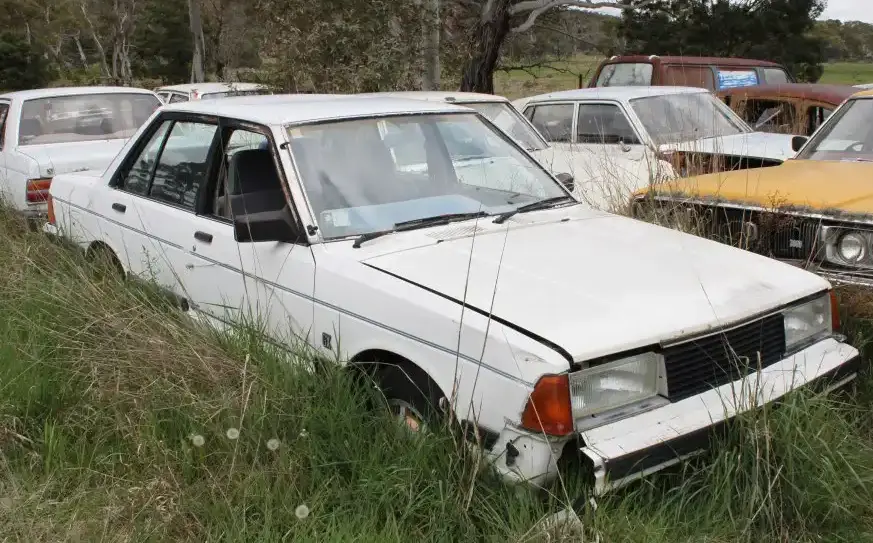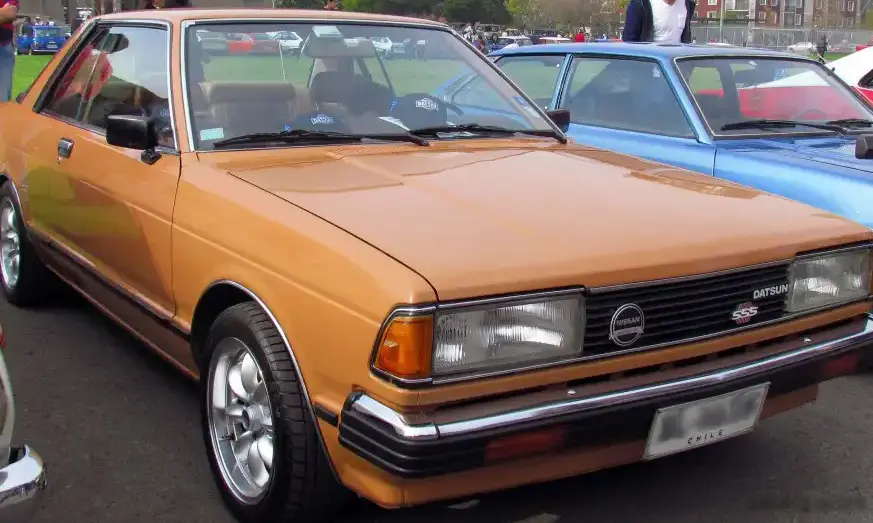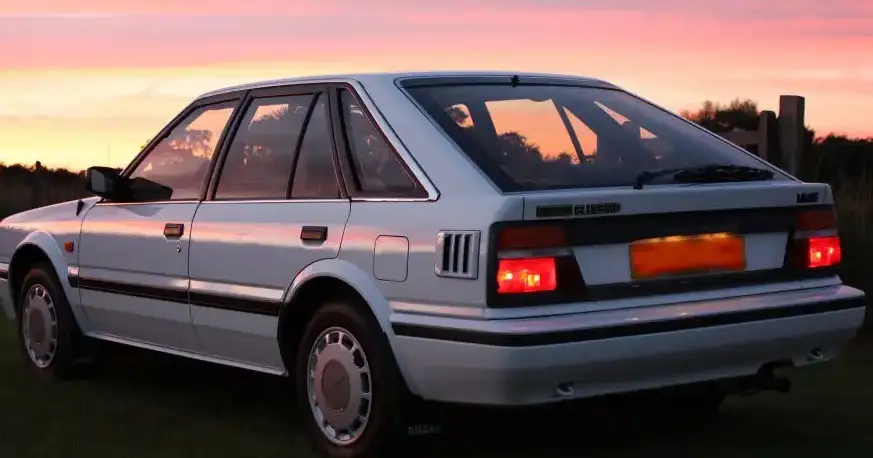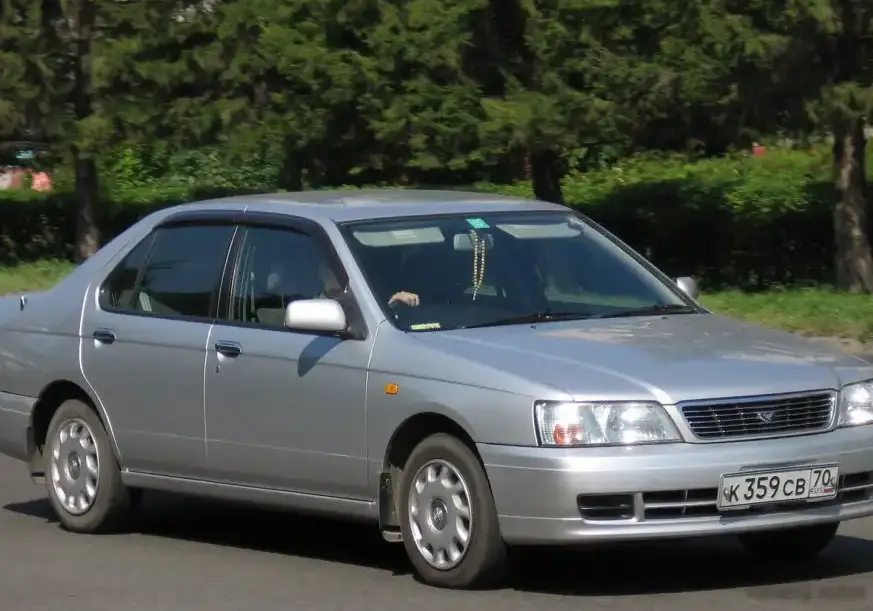
The Nissan Bluebird U14, produced between 1996 and 1998, represented a significant evolution of Nissan’s long-running Bluebird lineage. This generation, specific to the Japanese domestic market (JDM) and select export markets, aimed to blend comfort, practicality, and a degree of sporting appeal. The 2.0i variant, equipped with the SR20DE engine producing 145 horsepower, occupied a middle ground in the U14 lineup, positioned above the smaller displacement models and below the more performance-focused options. It was designed to appeal to buyers seeking a well-equipped, reliable, and reasonably powerful family sedan.
Technical Specifications
| Brand | Nissan |
| Model | Bluebird |
| Generation | Bluebird (U14) |
| Type (Engine) | 2.0i (145 Hp) |
| Start of production | 1996 |
| End of production | 1998 |
| Powertrain Architecture | Internal Combustion engine |
| Body type | Sedan |
| Seats | 5 |
| Doors | 4 |
| Fuel consumption (urban) | 10.5-13.8 l/100 km (22.4 – 17 US mpg, 26.9 – 20.5 UK mpg, 9.5 – 7.2 km/l) |
| Fuel consumption (extra urban) | 6.7-8.9 l/100 km (35.1 – 26.4 US mpg, 42.2 – 31.7 UK mpg, 14.9 – 11.2 km/l) |
| Fuel consumption (combined) | 9.4 l/100 km (25 US mpg, 30.1 UK mpg, 10.6 km/l) |
| Fuel Type | Petrol (Gasoline) |
| Acceleration 0 – 100 km/h | 8.7 sec |
| Acceleration 0 – 62 mph | 8.7 sec |
| Acceleration 0 – 60 mph | 8.3 sec |
| Maximum speed | 211 km/h (131.11 mph) |
| Weight-to-power ratio | 8.1 kg/Hp, 122.9 Hp/tonne |
| Weight-to-torque ratio | 6.6 kg/Nm, 150.8 Nm/tonne |
| Power | 145 Hp @ 6400 rpm |
| Power per litre | 72.6 Hp/l |
| Torque | 178 Nm @ 4800 rpm (131.29 lb.-ft. @ 4800 rpm) |
| Engine layout | Front, Transverse |
| Engine Model/Code | SR20DE |
| Engine displacement | 1998 cm3 (121.93 cu. in.) |
| Number of cylinders | 4 |
| Engine configuration | Inline |
| Cylinder Bore | 86 mm (3.39 in.) |
| Piston Stroke | 86 mm (3.39 in.) |
| Compression ratio | 10:1 |
| Number of valves per cylinder | 4 |
| Fuel injection system | Multi-port manifold injection |
| Engine aspiration | Naturally aspirated engine |
| Valvetrain | DOHC |
| Kerb Weight | 1180 kg (2601.45 lbs.) |
| Fuel tank capacity | 60 l (15.85 US gal | 13.2 UK gal) |
| Length | 4565 mm (179.72 in.) |
| Width | 1695 mm (66.73 in.) |
| Height | 1395 mm (54.92 in.) |
| Wheelbase | 2600 mm (102.36 in.) |
| Front track | 1465 mm (57.68 in.) |
| Rear track | 1455 mm (57.28 in.) |
| Ride height (ground clearance) | 140 mm (5.51 in.) |
| Drag coefficient (Cd) | 0.32 |
| Minimum turning circle | 10.4 m (34.12 ft.) |
| Drivetrain Architecture | The Internal combustion engine (ICE) drives the front wheels of the vehicle. |
| Drive wheel | Front wheel drive |
| Number of gears | 5 gears, manual transmission |
| Front brakes | Ventilated discs |
| Rear brakes | Drum |
| Steering type | Steering rack and pinion |
| Tires size | 185/65 R14 |
| Wheel rims size | 14 |
Introduction
The U14 Bluebird 2.0i, produced from 1996 to 1998, was a key model in Nissan’s lineup during a period of significant automotive development. Built on the 1HX0 platform, it aimed to provide a comfortable and reliable mid-size sedan experience. The 2.0-liter engine and five-speed manual transmission combination offered a balance between performance and fuel efficiency, making it a popular choice for families and commuters. This variant was primarily sold in Japan and select export markets, competing with other Japanese sedans like the Toyota Corolla and Honda Accord.
Powertrain & Engine Architecture
At the heart of the Bluebird 2.0i lies the SR20DE engine, a 1998cc inline-four cylinder powerplant. This engine is renowned for its durability and relatively simple design. The SR20DE utilizes multi-port fuel injection, delivering fuel directly into each intake port for optimized combustion. It features a double overhead camshaft (DOHC) valvetrain with four valves per cylinder, contributing to its respectable power output. The engine’s 10:1 compression ratio strikes a balance between efficiency and performance. The five-speed manual transmission provided a direct and engaging driving experience, with gear ratios tuned for both everyday driving and occasional spirited acceleration. The transmission was known for its smooth shifting and robust construction.
Driving Characteristics
The 2.0i variant offered a noticeable step up in performance compared to the lower-displacement Bluebird models. The 145 horsepower and 178 Nm (131.29 lb-ft) of torque provided adequate acceleration for merging onto highways and overtaking slower traffic. While not a sports car, the SR20DE engine delivered a responsive and linear power delivery. The five-speed manual transmission allowed drivers to fully utilize the engine’s powerband. Compared to automatic transmission equipped models, the manual version offered better fuel economy and a more connected driving feel. The U14’s suspension, while tuned for comfort, provided reasonable handling characteristics, making it a pleasant vehicle to drive on both city streets and winding roads.
Equipment & Trim Levels
The Bluebird 2.0i typically came equipped with a respectable array of standard features. These included power windows, power steering, air conditioning, and a basic audio system. Interior upholstery was typically cloth, with a focus on durability and comfort. Higher trim levels offered options such as alloy wheels, upgraded audio systems, and a sunroof. The dashboard layout was functional and straightforward, prioritizing ease of use. Optional extras included a CD player, central locking, and electric mirrors. The overall interior ambiance was one of practicality and understated elegance.
Chassis & Braking
The U14 Bluebird utilized a front-wheel-drive layout with an independent suspension system in the front and a semi-independent torsion beam suspension in the rear. The front brakes were ventilated discs, providing good stopping power, while the rear brakes were drums. This configuration was typical for vehicles in this class during the mid-1990s. The steering system employed a rack and pinion setup, offering precise and responsive steering feel. The chassis was designed to provide a comfortable ride while maintaining reasonable handling stability. Stabilizer bars were included to reduce body roll during cornering.
Market Reception & Comparison
The Nissan Bluebird 2.0i was generally well-received by automotive critics and consumers alike. It was praised for its reliability, comfortable ride, and reasonable performance. Compared to other models in the Bluebird lineup, the 2.0i offered a noticeable performance advantage over the smaller displacement engines. However, it wasn’t as sporty as some of its competitors, such as the Honda Accord or Mazda 626. Fuel economy was considered competitive for its class. The manual transmission version was favored by drivers who appreciated a more engaging driving experience, while the automatic transmission offered greater convenience for everyday commuting.
Legacy
The Nissan Bluebird U14, particularly the 2.0i variant, has developed a reputation for long-term reliability. The SR20DE engine is known to be a durable and relatively easy to maintain powerplant. Today, well-maintained examples of the U14 Bluebird are sought after by enthusiasts and collectors, particularly in Japan. The car represents a significant era in Japanese automotive history, showcasing the blend of practicality, reliability, and technological innovation that characterized Japanese cars of the 1990s. While not a high-performance icon, the Bluebird 2.0i remains a respected and fondly remembered vehicle.