The Nissan Silvia (S12) 2.0 GP (145 Hp): A Japanese Sporting Icon of the Mid-1980s
The Nissan Silvia (S12) 2.0 GP (145 Hp), representing the third generation of Nissan’s revered Silvia line, emerged onto the automotive scene in 1984, embodying the era’s evolving design philosophies and a commitment to accessible rear-wheel-drive performance. Produced until 1988, this particular variant, the 2.0 GP, showcased Nissan’s engineering prowess, especially in its home market of Japan and select international regions. While the S12 chassis was globally recognized, often marketed as the Nissan 200SX in North America, the 2.0 GP distinguished itself with its potent FJ20E engine, offering a compelling blend of spirited performance and agile handling in a stylish coupe package.
Positioned as a compact sports coupe, the Silvia (S12) was designed to appeal to enthusiasts seeking a driver-focused machine without the exorbitant costs of more exotic sports cars. Its production run spanned a pivotal time in automotive history, bridging the gap between the angular designs of the late 1970s and early 1980s and the more aerodynamic, performance-oriented vehicles that would define the latter half of the decade. The 2.0 GP (145 Hp) variant, with its advanced DOHC engine, carved out a niche for itself as a sophisticated and capable contender in its segment, laying further groundwork for the Silvia’s legendary status in the performance car world.
Engine & Performance: The Heart of the Nissan Silvia (S12) 2.0 GP
At the core of the Nissan Silvia (S12) 2.0 GP’s sporting character was its formidable FJ20E engine. This naturally aspirated, 1990 cm3 (approximately 2.0-liter, or 121.44 cu. in.) inline four-cylinder powerplant was a testament to Nissan’s engineering capabilities. Unlike many of its contemporaries, the FJ20E featured a Double Overhead Camshaft (DOHC) valvetrain with four valves per cylinder, a configuration that was relatively advanced for a mainstream performance car in the mid-1980s. This design allowed for superior airflow and combustion efficiency, contributing significantly to the engine’s impressive output.
The FJ20E generated a healthy 145 horsepower at 6400 rpm, translating to a specific output of 72.9 horsepower per liter. Peak torque stood at 175 Nm (129.07 lb.-ft.) delivered at 5000 rpm, ensuring a broad powerband that encouraged spirited driving. Fuel delivery was handled by a multi-port manifold injection system, providing precise fuel metering for optimal performance and efficiency. This combination allowed the Silvia 2.0 GP to accelerate from 0 to 60 mph in a respectable 9.1 seconds, with a top speed reaching 127.38 mph (205 km/h). These figures placed it firmly in the realm of genuine sports coupes of its era, offering exhilarating performance that belied its accessible positioning.
Power was transferred to the rear wheels via a crisp-shifting 5-speed manual transmission, a choice that underscored the car’s driver-centric philosophy. The rear-wheel-drive (RWD) architecture was a defining characteristic of the Silvia line, providing balanced handling dynamics and a purist driving experience that endeared it to enthusiasts. The car’s weight-to-power ratio of 8.3 kg/Hp (approximately 18.3 lbs/Hp) further contributed to its lively feel, making it a joy to drive on winding roads or through urban landscapes.
Design & Features of the Nissan Silvia (S12)
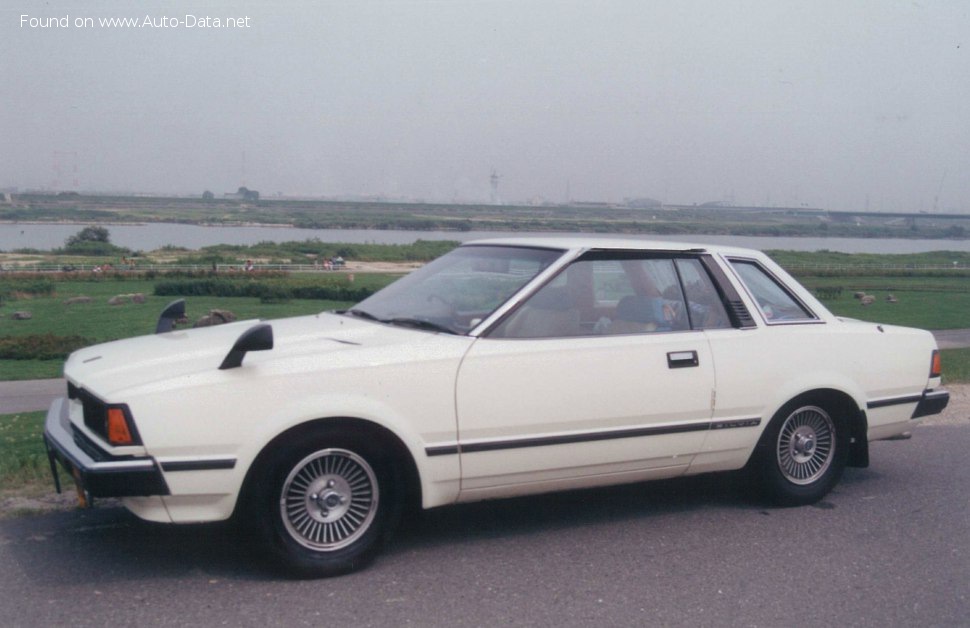
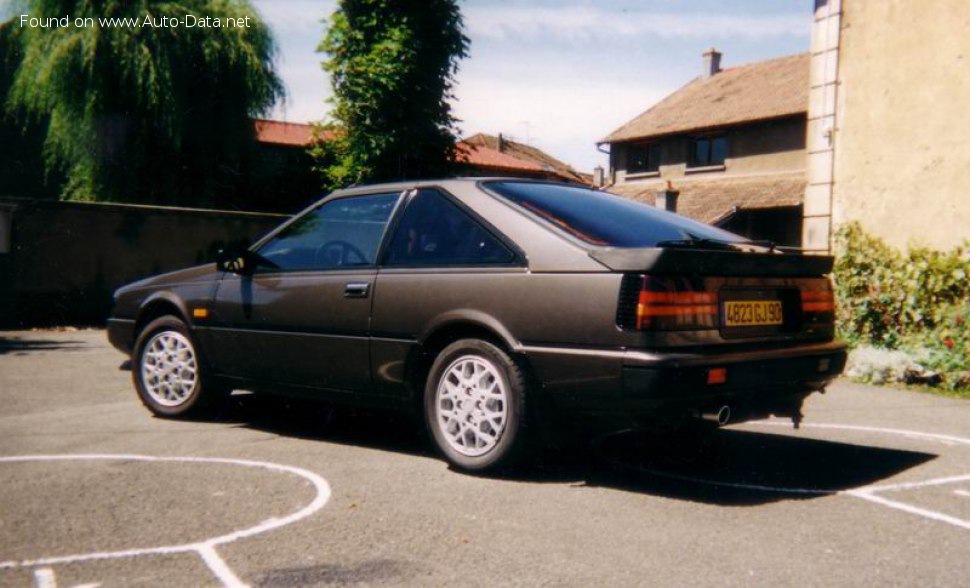
The Nissan Silvia (S12) 2.0 GP presented a distinctive design that evolved from its more angular S110 predecessor. It adopted a sleeker, more aerodynamic profile, characterized by its “wedge” shape and smooth lines that were indicative of mid-1980s automotive styling. The coupe body type, with its two doors and seating for four, exuded a sporty yet practical appeal. A standout feature, popular during this period, was the integration of pop-up headlights, which contributed to its clean front fascia when retracted and added a touch of dramatic flair when illuminated.
Dimensionally, the S12 measured 171.26 inches in length, 65.35 inches in width, and 52.36 inches in height, with a wheelbase of 95.67 inches. These compact dimensions, combined with a relatively low curb weight of 2645.55 lbs (1200 kg), contributed to its nimble handling. The drag coefficient (Cd) of 0.34 was competitive for its time, reflecting Nissan’s efforts in aerodynamic efficiency.
Underneath its stylish exterior, the Silvia (S12) featured a capable chassis designed for engaging driving. The front suspension utilized an independent McPherson strut setup with coil springs and an anti-roll bar, offering precise steering response and good road holding. The rear suspension employed a transverse stabilizer and a trailing arm design, providing a balance of comfort and dynamic stability. Braking performance was handled by ventilated discs at the front and solid discs at the rear, ensuring adequate stopping power for its performance capabilities. Hydraulic power steering, utilizing a rack and pinion system, offered responsive and communicative feedback to the driver. The car rode on 195/60 R15 tires mounted on 6J x 15-inch wheel rims, providing a good balance of grip and ride comfort for its segment.
Technical Specifications: Nissan Silvia (S12) 2.0 GP (145 Hp)
| Category | Specification | Metric Value | US/Imperial Value |
|---|---|---|---|
| General Information | |||
| Brand | Nissan | ||
| Model | Silvia | ||
| Generation | Silvia (S12) | ||
| Type (Engine) | 2.0 GP (145 Hp) | ||
| Start of Production | 1984 year | ||
| End of Production | 1988 year | ||
| Powertrain Architecture | Internal Combustion engine | ||
| Body Type | Coupe | ||
| Seats | 4 | ||
| Doors | 2 | ||
| Performance Specifications | |||
| Fuel Consumption (Urban) | 11.6 l/100 km | 20.3 US mpg | |
| Fuel Consumption (Extra Urban) | 7 l/100 km | 33.6 US mpg | |
| Fuel Type | Petrol (Gasoline) | ||
| Acceleration 0 – 60 mph | 9.1 sec | ||
| Acceleration 0 – 100 km/h | 9.6 sec | ||
| Maximum Speed | 205 km/h | 127.38 mph | |
| Weight-to-Power Ratio | 8.3 kg/Hp | 18.3 lbs/Hp | |
| Weight-to-Torque Ratio | 6.9 kg/Nm | ||
| Engine Specifications | |||
| Power | 145 Hp @ 6400 rpm | ||
| Power per Liter | 72.9 Hp/l | ||
| Torque | 175 Nm @ 5000 rpm | 129.07 lb.-ft. @ 5000 rpm | |
| Engine Layout | Front, Longitudinal | ||
| Engine Model/Code | FJ20E | ||
| Engine Displacement | 1990 cm3 | 121.44 cu. in. | |
| Number of Cylinders | 4 | ||
| Engine Configuration | Inline | ||
| Cylinder Bore | 89 mm | 3.5 in. | |
| Piston Stroke | 80 mm | 3.15 in. | |
| Compression Ratio | 9.5:1 | ||
| Number of Valves per Cylinder | 4 | ||
| Fuel Injection System | Multi-port manifold injection | ||
| Engine Aspiration | Naturally aspirated engine | ||
| Valvetrain | DOHC | ||
| Engine Oil Capacity | 4.7 l | 4.97 US qt | |
| Coolant Capacity | 8.6 l | 9.09 US qt | |
| Space, Volume and Weights | |||
| Kerb Weight | 1200 kg | 2645.55 lbs. | |
| Max. Weight | 1635 kg | 3604.56 lbs. | |
| Max Load | 435 kg | 959.01 lbs. | |
| Fuel Tank Capacity | 53 l | 14 US gal | |
| Max. Roof Load | 100 kg | 220.46 lbs. | |
| Permitted Trailer Load with Brakes (12%) | 1200 kg | 2645.55 lbs. | |
| Permitted Trailer Load without Brakes | 600 kg | 1322.77 lbs. | |
| Permitted Towbar Download | 50 kg | 110.23 lbs. | |
| Dimensions | |||
| Length | 4350 mm | 171.26 in. | |
| Width | 1660 mm | 65.35 in. | |
| Height | 1330 mm | 52.36 in. | |
| Wheelbase | 2430 mm | 95.67 in. | |
| Front Track | 1400 mm | 55.12 in. | |
| Rear (Back) Track | 1425 mm | 56.1 in. | |
| Drag Coefficient (Cd) | 0.34 | ||
| Drivetrain, Brakes and Suspension Specifications | |||
| Drivetrain Architecture | The Internal combustion engine (ICE) drives the rear wheels of the vehicle. | ||
| Drive Wheel | Rear wheel drive | ||
| Number of Gears and Type of Gearbox | 5 gears, manual transmission | ||
| Front Suspension | Independent, type McPherson with coil spring and anti-roll bar | ||
| Rear Suspension | Transverse stabilizer, Trailing arm | ||
| Front Brakes | Ventilated discs | ||
| Rear Brakes | Disc | ||
| Steering Type | Steering rack and pinion | ||
| Power Steering | Hydraulic Steering | ||
| Tires Size | Front wheel tires: 195/60 R15 Rear wheel tires: 195/60 R15 |
||
| Wheel Rims Size | Front wheel rims: 6J x 15 Rear wheel rims: 6J x 15 |
||
Legacy & Market Impact of the Nissan Silvia (S12)
The Nissan Silvia (S12) 2.0 GP, particularly with its FJ20E engine, played a crucial role in cementing the Silvia nameplate’s reputation as a serious contender in the compact sports car market. While not as universally recognized in North America as the later S13 or S14 generations, the S12 provided a solid foundation for the Silvia’s enduring legacy as a driver’s car. In its primary markets, such as Japan and parts of Europe, the 2.0 GP was well-regarded for its responsive engine, balanced chassis, and engaging driving experience.
Its competitors in the mid-1980s were varied, ranging from other Japanese coupes like the Toyota Celica and Honda Prelude to European offerings such as the Opel Manta or the Ford Capri in their respective markets. The Silvia (S12) distinguished itself with its robust rear-wheel-drive platform and the technical sophistication of engines like the DOHC FJ20E, offering a more performance-oriented proposition than some of its front-wheel-drive rivals. This made it a favorite among enthusiasts who appreciated its drift potential and tuning capabilities, even if these aspects became more prominent with later generations.
Historically, the S12 generation contributed significantly to the evolution of Nissan’s sports car philosophy. It showcased a blend of design flair, mechanical integrity, and performance accessibility that would define the Silvia series for decades to come. While the S12 might not have reached the iconic status of its successors in the global drifting scene, it was a vital step in the Silvia lineage, refining the formula that would eventually create some of the most beloved and influential Japanese sports cars of all time. Today, the Nissan Silvia (S12) 2.0 GP (145 Hp) is appreciated by classic car enthusiasts and JDM collectors for its unique styling, capable powertrain, and its place in the rich history of Nissan performance vehicles, often sought after for restoration or as a basis for period-correct custom builds.