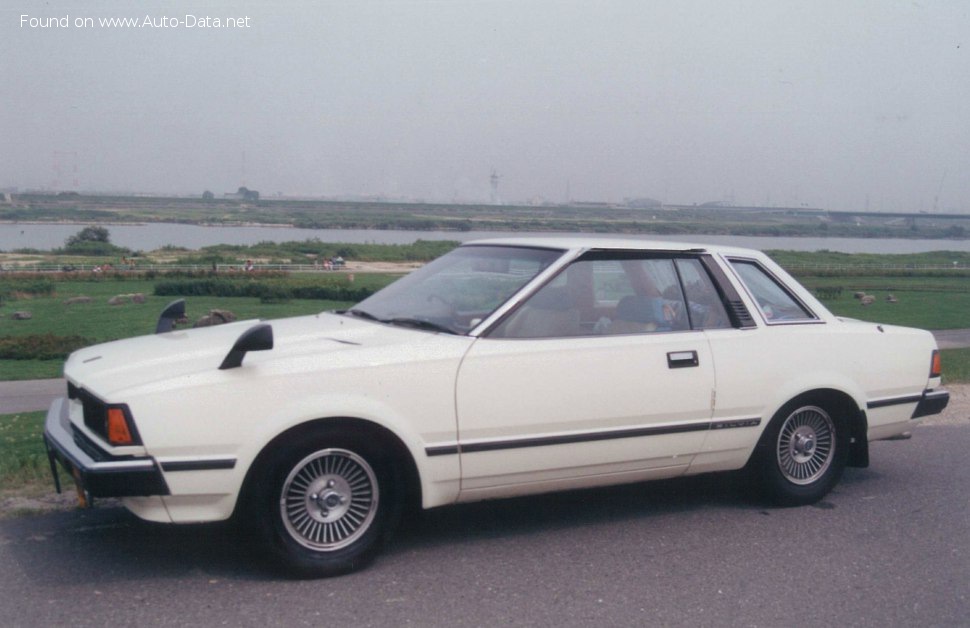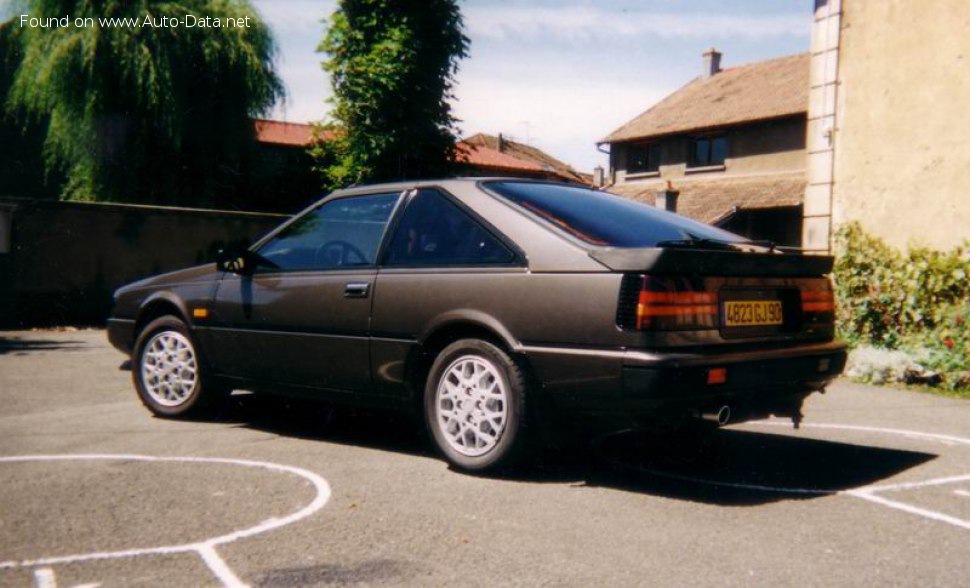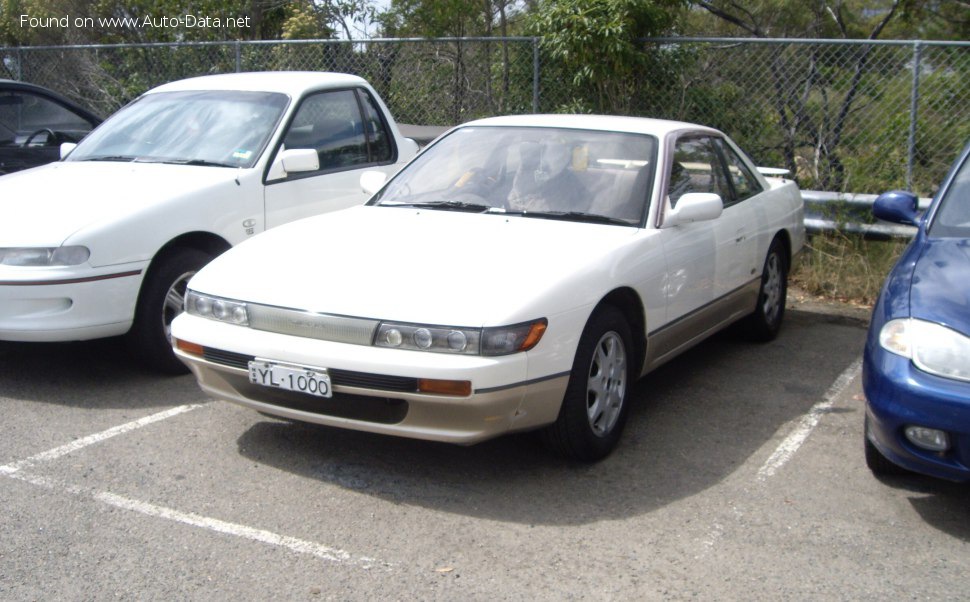
Nissan Silvia (S13) 1.8i (135 Hp) Automatic
The Nissan Silvia (S13) represents a pivotal moment in automotive history, particularly within the Japanese Domestic Market (JDM) and global enthusiast culture. Introduced in 1988, this generation of the Silvia line quickly garnered a reputation for its stylish coupe body, balanced rear-wheel-drive chassis, and highly tunable engines. The specific variant under review, the Nissan Silvia (S13) 1.8i (135 Hp) Automatic, was an entry-level offering that provided a blend of everyday usability and the inherent dynamic capabilities of the S13 platform. While the Silvia nameplate was never officially sold in the United States, its chassis was the basis for the highly popular Nissan 240SX, making the S13 generation globally recognized and revered. This particular model, produced from 1988 to 1990, showcases the early iteration of the S13, combining elegant design with Nissan’s robust engineering of the late 1980s.
Engine & Performance: The CA18DE Heartbeat
At the core of this particular Nissan Silvia (S13) model is the naturally aspirated CA18DE engine. This 1.8-liter (1809 cm3 or 110.39 cu. in.) inline-four powerplant, a DOHC (Double Overhead Camshaft) design with four valves per cylinder, was a sophisticated unit for its time. It produced a respectable 135 horsepower at 6400 rpm, translating to a power-per-liter output of 74.6 Hp/l. Torque figures stood at 159 Nm (117.27 lb.-ft.) delivered at 5200 rpm, indicating an engine that enjoyed being revved to extract its full potential.
The engine’s layout was front-longitudinal, a classic configuration for a rear-wheel-drive sports coupe, contributing to the S13’s balanced weight distribution and handling characteristics. With a bore of 83 mm (3.27 in.) and a stroke of 83.6 mm (3.29 in.), the engine featured an almost square design, favoring a good balance between low-end torque and high-revving power. A compression ratio of 9.5:1, combined with a multi-port manifold injection system, ensured efficient fuel delivery and combustion.
This specific Silvia (S13) model was equipped with a 4-speed automatic transmission. While many enthusiasts favored the manual gearbox for its direct engagement, the automatic option provided a smoother, more relaxed driving experience, making the Silvia accessible to a wider audience. Despite the automatic, the underlying rear-wheel-drive architecture ensured that the car retained its sporting pedigree, offering a weight-to-power ratio of 8.2 kg/Hp (121.6 Hp/tonne) and a weight-to-torque ratio of 7 kg/Nm (143.2 Nm/tonne). This combination, even in automatic guise, underlined the S13’s potential for agile handling and engaging dynamics.
Design & Features of the Nissan Silvia (S13)
The S13 generation of the Nissan Silvia is celebrated for its sleek and aerodynamic design, a significant departure from its boxier S12 predecessor. The coupe body type, with its two doors and seating for four, exuded a modern, youthful appeal. The design was characterized by its low-slung profile, long hood, and short rear deck, creating classic sports car proportions. Early S13 models, like this 1988-1990 variant, were often equipped with fixed headlights, though some markets and later iterations featured the iconic pop-up headlights that further enhanced its aggressive stance.
Measuring 175.98 inches (4470 mm) in length, 66.54 inches (1690 mm) in width, and 50.79 inches (1290 mm) in height, the S13 was compact yet purposeful. Its relatively long wheelbase of 97.44 inches (2475 mm) contributed to stable high-speed cruising, while its wide tracks—1465 mm (57.68 in.) front and 1460 mm (57.48 in.) rear—provided a confident footprint. The minimum turning circle of 30.84 feet (9.4 m) made it surprisingly nimble for city driving.
Suspension-wise, the S13 featured a spring strut setup at the front, a common and effective design for precise steering response. The rear employed a dependent multi-link spring system with telescopic shock absorbers, an advanced setup for its era that provided excellent handling and ride comfort, especially when combined with the rear-wheel-drive layout. Braking was handled by ventilated discs at the front and solid discs at the rear, offering reliable stopping power. The car rode on 185/70 R14 tires fitted to 14-inch wheel rims, a standard size that prioritized ride comfort and predictable handling for daily use. The curb weight of 2447.13 lbs (1110 kg) was commendably light, further contributing to its agile nature.
Technical Specifications
| Category | Specification |
|---|---|
| Brand | Nissan |
| Model | Silvia |
| Generation | Silvia (S13) |
| Type (Engine) | 1.8i (135 Hp) Automatic |
| Production Start | 1988 year |
| Production End | 1990 year |
| Powertrain Architecture | Internal Combustion engine |
| Body type | Coupe |
| Seats | 4 |
| Doors | 2 |
| Performance Specs | |
| Fuel Type | Petrol (Gasoline) |
| Weight-to-power ratio | 8.2 kg/Hp, 121.6 Hp/tonne |
| Weight-to-torque ratio | 7 kg/Nm, 143.2 Nm/tonne |
| Engine Specs | |
| Power | 135 Hp @ 6400 rpm |
| Power per liter | 74.6 Hp/l |
| Torque | 159 Nm @ 5200 rpm (117.27 lb.-ft. @ 5200 rpm) |
| Engine layout | Front, Longitudinal |
| Engine Model/Code | CA18DE |
| Engine displacement | 1809 cm3 (1.8 liters / 110.39 cu. in.) |
| Number of cylinders | 4 |
| Engine configuration | Inline |
| Cylinder Bore | 83 mm (3.27 in.) |
| Piston Stroke | 83.6 mm (3.29 in.) |
| Compression ratio | 9.5:1 |
| Number of valves per cylinder | 4 |
| Fuel injection system | Multi-port manifold injection |
| Engine aspiration | Naturally aspirated engine |
| Valvetrain | DOHC |
| Space, Volume and Weights | |
| Kerb Weight | 1110 kg (2447.13 lbs) |
| Fuel tank capacity | 60 l (15.85 US gal) |
| Dimensions | |
| Length | 4470 mm (175.98 in.) |
| Width | 1690 mm (66.54 in.) |
| Height | 1290 mm (50.79 in.) |
| Wheelbase | 2475 mm (97.44 in.) |
| Front track | 1465 mm (57.68 in.) |
| Rear (Back) track | 1460 mm (57.48 in.) |
| Minimum turning circle | 9.4 m (30.84 ft.) |
| Drivetrain, Brakes and Suspension Specs | |
| Drivetrain Architecture | The Internal combustion engine (ICE) drives the rear wheels of the vehicle. |
| Drive wheel | Rear wheel drive |
| Number of gears and type of gearbox | 4 gears, automatic transmission |
| Front suspension | Spring Strut |
| Rear suspension | Dependent, multi-link spring with telescopic shock absorbers |
| Front brakes | Ventilated discs |
| Rear brakes | Disc |
| Tires size | 185/70 R14 |
| Wheel rims size | 14 |
Legacy & Market Impact of the Nissan Silvia (S13)
The Nissan Silvia (S13) quickly carved out a significant niche in the global automotive landscape, particularly in its primary markets of Japan and parts of Europe and Oceania. Its combination of sleek styling, a robust rear-wheel-drive platform, and a range of potent four-cylinder engines made it an instant hit with enthusiasts. While this specific 1.8i automatic variant focused on daily drivability, the S13 chassis became legendary for its dynamic prowess, especially when equipped with more powerful turbocharged engines or manual transmissions.
In Japan, the S13 was a cultural icon, heavily featured in manga, anime, and early drifting videos. Its balanced chassis, easily modifiable suspension, and strong aftermarket support made it a favorite among tuners and amateur racers. The car’s inherent drift-ability, stemming from its front-engine, rear-wheel-drive layout, quickly cemented its status as one of the most popular platforms for the nascent sport of drifting. Its competitors in the Japanese market included vehicles like the Toyota AE86 (though older, it shared a similar enthusiast following), Mazda MX-5 Miata (for lightweight RWD appeal), and other compact sports coupes.
Although the Silvia name was not used in North America, the S13 chassis was the foundation for the Nissan 240SX, which became immensely popular in the United States. The 240SX typically featured a larger 2.4-liter KA24E or KA24DE engine, rather than the CA18DE, but shared the same fundamental chassis, suspension, and body lines. This connection further amplified the S13’s global recognition and contributed to its enduring legacy.
Today, the Nissan Silvia (S13) is considered a modern classic. Its reputation has only grown over time, with well-preserved examples fetching significant prices, especially those with desirable engine and transmission configurations. Even the more sedate 1.8i automatic models are appreciated for their timeless design and the underlying quality of the S13 platform. The car’s historical significance lies in its role as a gateway into performance driving for a generation, its indelible mark on drift culture, and its embodiment of Nissan’s engineering excellence during a golden age of Japanese sports cars. It remains a testament to thoughtful design and capable mechanics, continuing to inspire automotive enthusiasts worldwide.