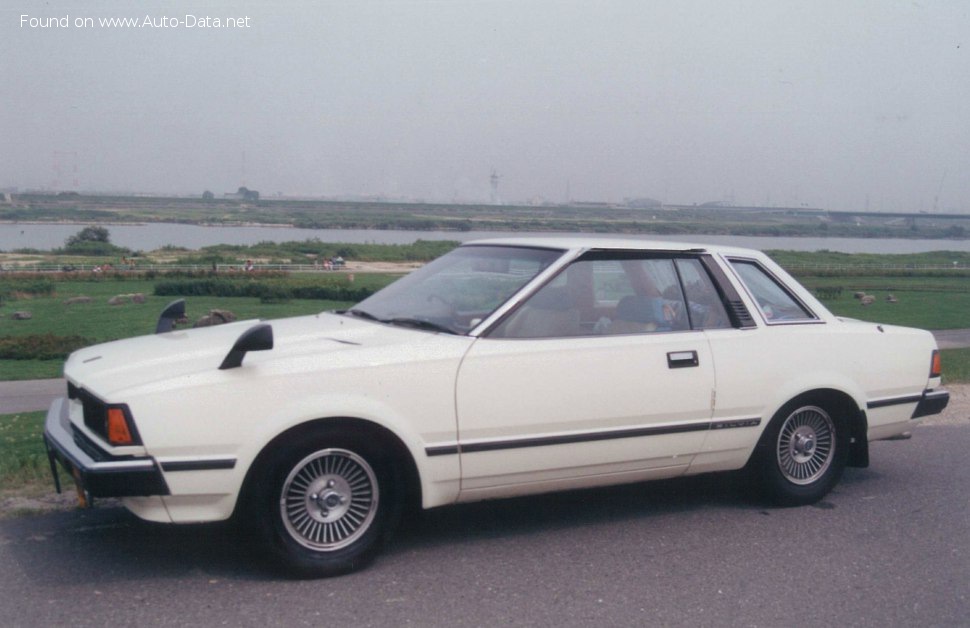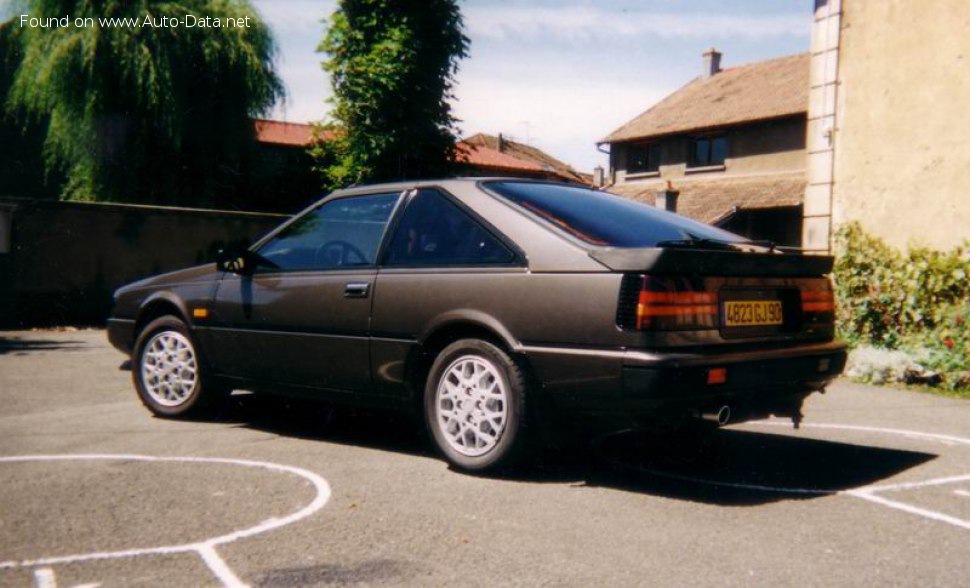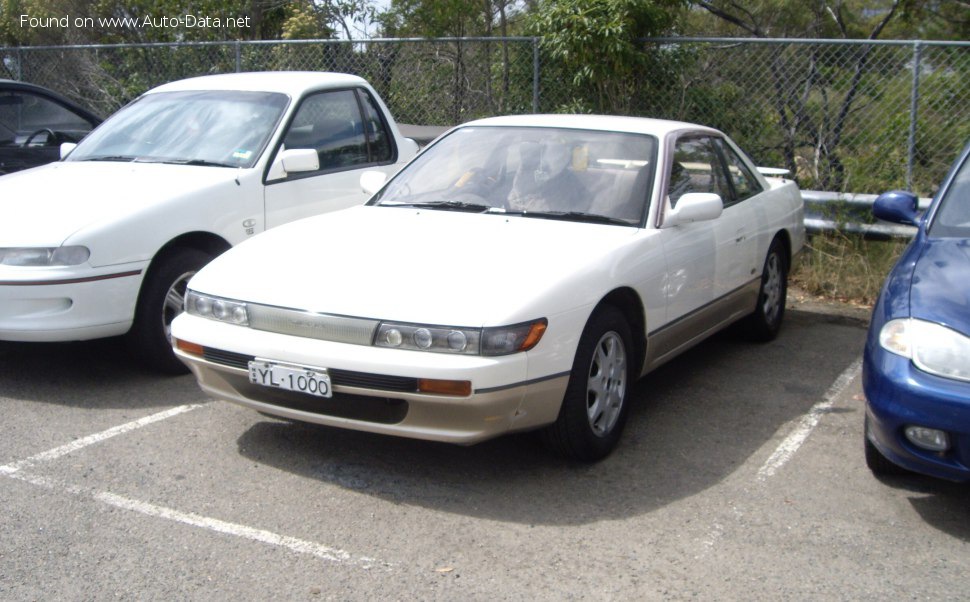
The Nissan Silvia (S13) 1.8T (175 Hp): A JDM Legend
The Nissan Silvia (S13) 1.8T (175 Hp) represents a pivotal moment in automotive history, particularly within the Japanese domestic market (JDM) and among global automotive enthusiasts. Produced from 1988 to 1990, this generation of the Silvia, known internally as the S13, quickly established itself as a benchmark for compact, rear-wheel-drive sports coupes. While never officially sold in the United States under the Silvia nameplate (it was rebadged as the Nissan 240SX with different engine options), its influence and iconic status transcended geographical boundaries, making it a highly sought-after vehicle for import enthusiasts, tuners, and motorsport participants. The 1.8T variant, powered by the potent CA18DET engine, offered a compelling blend of performance, agile handling, and a stylish design that perfectly captured the spirit of the late 1980s and early 1990s.
Engineering and Powertrain of the Nissan Silvia (S13) 1.8T (175 Hp)
At the heart of the Nissan Silvia (S13) 1.8T (175 Hp) lies the renowned CA18DET engine, a 1.8-liter (specifically 1,809 cm³ or 110.39 cubic inches) inline-four power plant. This engine was a technological marvel for its time, featuring a Double Overhead Camshaft (DOHC) valvetrain with four valves per cylinder, ensuring efficient breathing and high-revving capability. The “DET” in its designation signified its key performance enhancers: “D” for DOHC, “E” for electronic fuel injection (multi-port manifold injection in this case), and “T” for turbocharger. This turbocharger was instrumental in boosting the engine’s output, allowing it to produce a respectable 175 horsepower at 6400 rpm and a robust 166.69 lb.-ft. of torque (226 Nm) at 4000 rpm.
The engine’s layout was front-longitudinal, contributing to the Silvia’s excellent weight distribution and handling characteristics. With a compression ratio of 8.5:1, the CA18DET was designed to work efficiently with the turbocharger, delivering a spirited driving experience. Its power-to-weight ratio stood at an impressive 6.6 kg/Hp (150.9 Hp/tonne), translating to brisk acceleration and responsive performance for a vehicle weighing just 2,557.36 pounds (1160 kg). Power was channeled to the rear wheels via a precise 5-speed manual transmission, a choice that further cemented its appeal to driving purists and enthusiasts who valued direct control over the vehicle’s dynamics. The rear-wheel-drive architecture was a fundamental aspect of the S13’s identity, making it a natural choice for motorsport disciplines like drifting, where precise throttle control and chassis balance are paramount.
Design Philosophy and Features
The design of the Nissan Silvia (S13) was a significant departure from its predecessors, embracing a sleek, aerodynamic, and distinctly modern aesthetic that resonated with the burgeoning youth culture of the late 1980s. Its coupe body type, characterized by two doors and seating for four, exuded a sporty elegance. A defining visual feature of the early S13 models, including this 1.8T variant, was its iconic pop-up headlights, which contributed to its low-slung, aggressive front profile. The overall dimensions—a length of 175.98 inches (4470 mm), a width of 66.54 inches (1690 mm), and a height of 50.79 inches (1290 mm)—created a compact yet purposeful stance. The relatively short wheelbase of 97.44 inches (2475 mm) further enhanced its agility and responsiveness.
Beyond its captivating exterior, the S13 Silvia was engineered for dynamic performance. The suspension system featured a spring strut setup at the front, offering a good balance of comfort and handling precision. At the rear, an advanced (for its era) multi-link spring suspension with telescopic shock absorbers provided superior road holding and allowed for fine-tuning, a feature highly appreciated by performance enthusiasts. Braking duties were handled by ventilated discs at the front and solid discs at the rear, offering adequate stopping power for its performance capabilities. The vehicle rode on 195/60R15 tires, a common size for sporty cars of the period, providing a good balance of grip and ride quality. The interior, while not explicitly detailed in the specifications, typically featured a driver-focused cockpit with supportive seating, reflecting its sporting intentions. The 15.85 US gallon (60 liter) fuel tank provided a decent cruising range, making it suitable for both spirited drives and daily commuting.
Technical Specifications
| Category | Specification |
|---|---|
| General Information | |
| Brand | Nissan |
| Model | Silvia |
| Generation | Silvia (S13) |
| Type (Engine) | 1.8T (175 Hp) |
| Production Start | 1988 year |
| Production End | 1990 year |
| Powertrain Architecture | Internal Combustion Engine |
| Body Type | Coupe |
| Seats | 4 |
| Doors | 2 |
| Performance Specs | |
| Fuel Type | Petrol (Gasoline) |
| Weight-to-Power Ratio | 6.6 kg/Hp, 150.9 Hp/tonne |
| Weight-to-Torque Ratio | 5.1 kg/Nm, 194.8 Nm/tonne |
| Engine Specs | |
| Power | 175 Hp @ 6400 rpm |
| Power per liter | 96.7 Hp/l |
| Torque | 226 Nm @ 4000 rpm (166.69 lb.-ft. @ 4000 rpm) |
| Engine Layout | Front, Longitudinal |
| Engine Model/Code | CA18DET |
| Engine Displacement | 1809 cm³ (110.39 cu. in.) |
| Number of Cylinders | 4 |
| Engine Configuration | Inline |
| Cylinder Bore | 83 mm (3.27 in.) |
| Piston Stroke | 83.6 mm (3.29 in.) |
| Compression Ratio | 8.5:1 |
| Valves per Cylinder | 4 |
| Fuel Injection System | Multi-port manifold injection |
| Engine Aspiration | Turbocharger |
| Valvetrain | DOHC |
| Engine Oil Capacity | 3.5 l (3.7 US qt) |
| Coolant Capacity | 7 l (7.4 US qt) |
| Space, Volume, and Weights | |
| Kerb Weight | 1160 kg (2557.36 lbs.) |
| Fuel Tank Capacity | 60 l (15.85 US gal) |
| Dimensions | |
| Length | 4470 mm (175.98 in.) |
| Width | 1690 mm (66.54 in.) |
| Height | 1290 mm (50.79 in.) |
| Wheelbase | 2475 mm (97.44 in.) |
| Front Track | 1465 mm (57.68 in.) |
| Rear Track | 1460 mm (57.48 in.) |
| Minimum Turning Circle | 9.4 m (30.84 ft.) |
| Drivetrain, Brakes, and Suspension Specs | |
| Drivetrain Architecture | Internal combustion engine drives the rear wheels. |
| Drive Wheel | Rear wheel drive |
| Number of Gears/Gearbox Type | 5 gears, manual transmission |
| Front Suspension | Spring Strut |
| Rear Suspension | Dependent, multi-link spring with telescopic shock absorbers |
| Front Brakes | Ventilated discs |
| Rear Brakes | Disc |
| Tires Size | 195/60R15 |
Legacy and Cultural Impact
The Nissan Silvia (S13) 1.8T (175 Hp) cemented its place as a true automotive icon, particularly in the realm of Japanese performance cars. Its reputation was built on a foundation of exceptional handling, a lightweight chassis, and a highly tunable engine, making it an ideal platform for modification and motorsport. In its primary market of Japan, the Silvia S13 competed with other popular sports coupes like the Toyota Celica (though primarily front-wheel drive in its later generations), the Honda Prelude, and to some extent, the Mazda RX-7 (though the RX-7 occupied a higher performance tier). The S13 distinguished itself with its classic front-engine, rear-wheel-drive layout, which was increasingly rare in an era where many manufacturers were transitioning to front-wheel-drive platforms for efficiency and cost savings.
Historically, the S13’s significance cannot be overstated in the burgeoning drifting scene of the 1990s. Its balanced chassis, responsive steering, and robust powertrain made it a favorite among early drift pioneers, and it quickly became synonymous with the sport. Its affordability and widespread availability in the JDM market further fueled its adoption by grassroots racers and enthusiasts. Even today, decades after its production ceased, the S13 remains a highly sought-after vehicle for those looking to build a track car, drift machine, or simply own a piece of JDM history. Its enduring popularity in the used car market, particularly among import enthusiasts in North America and Europe who often import JDM examples, is a testament to its timeless appeal and mechanical integrity. The Silvia (S13) 1.8T (175 Hp) is not just a car; it’s a cultural phenomenon that helped define a generation of automotive performance and continues to inspire new generations of car enthusiasts worldwide.