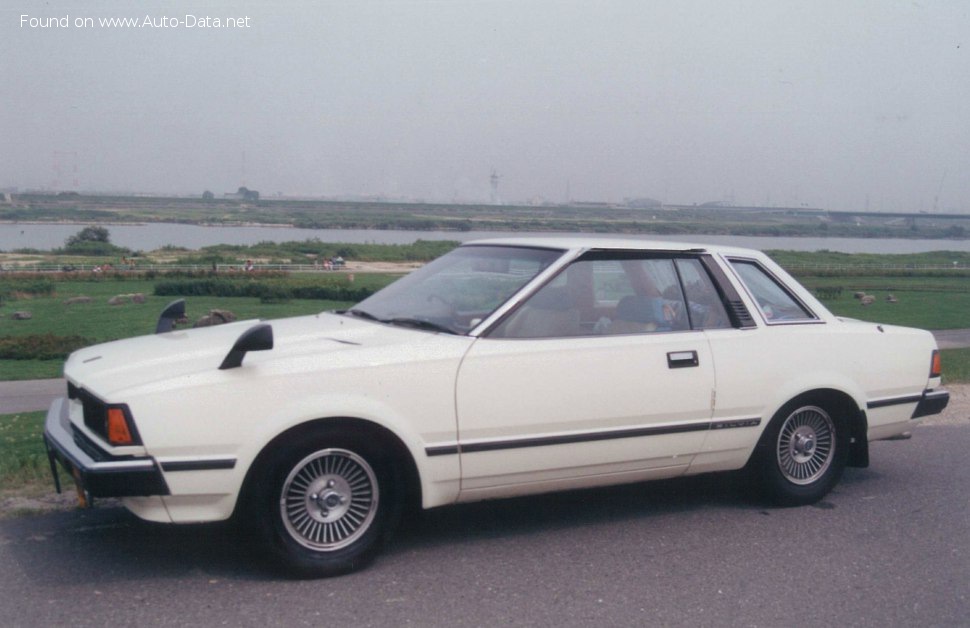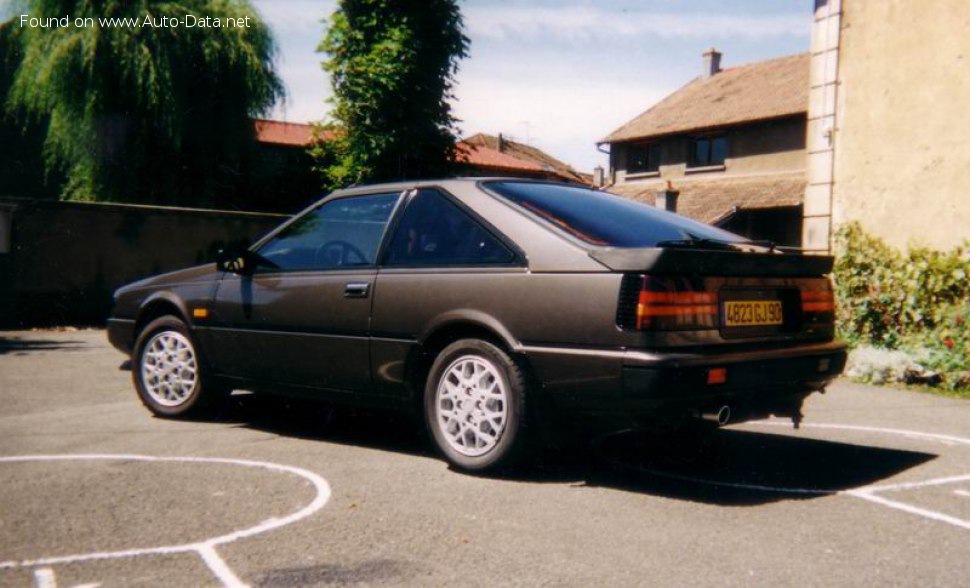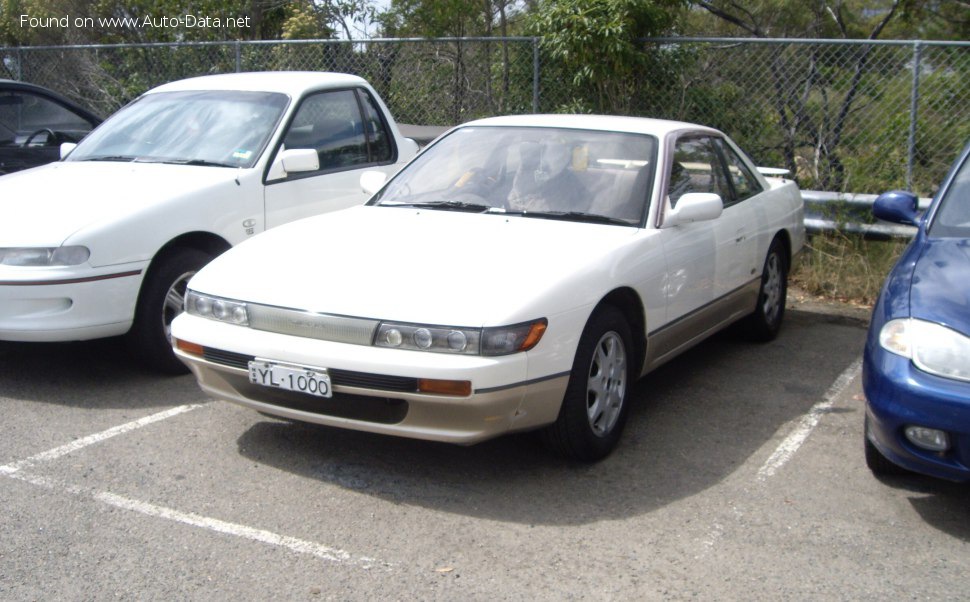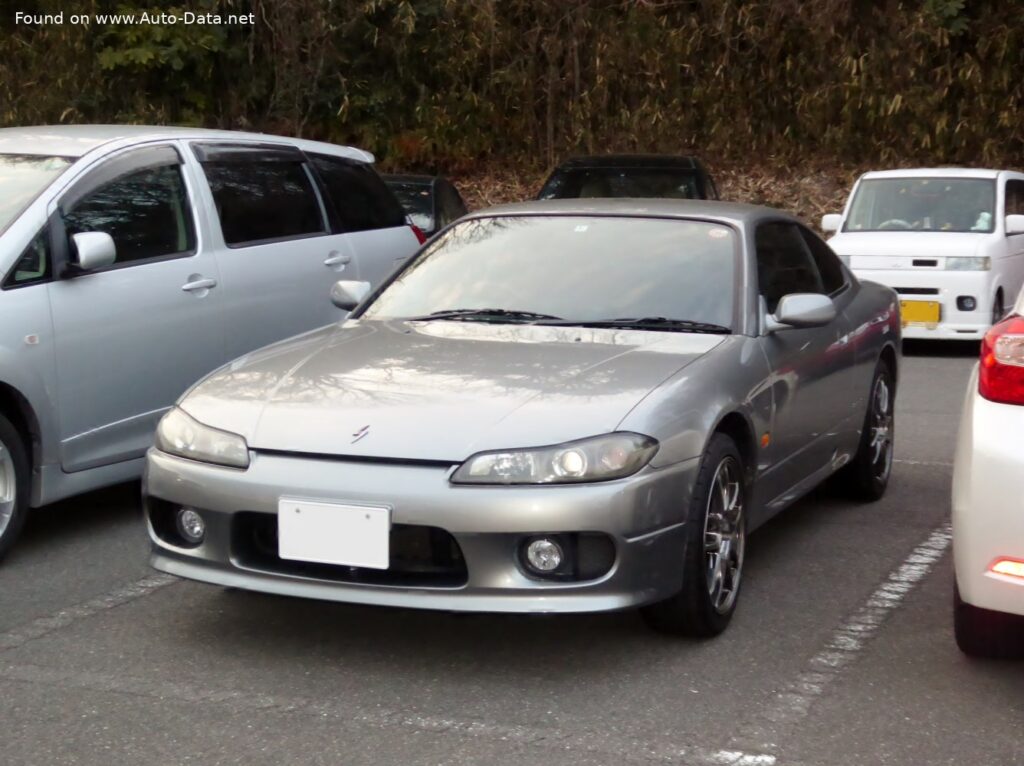
The Nissan Silvia (S15): A JDM Icon’s Final Act
The Nissan Silvia (S15) represents the seventh and final generation of Nissan’s revered sports coupe lineage, produced from 1999 to 2002. While never officially sold in the United States, the Nissan Silvia (S15) carved out an indelible legacy as a quintessential Japanese Domestic Market (JDM) performance car, particularly celebrated for its balanced chassis, rear-wheel-drive architecture, and robust engine options. This detailed analysis focuses on the naturally aspirated 2.0 i 16V variant, a foundational model that offered a compelling blend of everyday usability and genuine sporting character within its primary markets, predominantly Japan, Australia, and New Zealand. It served as an accessible entry point into the Silvia family, upholding the model’s reputation for driver engagement and tunability, even without the potent turbocharger found in its more famous brethren.
The Silvia series, which began its journey in the mid-1960s, evolved through several distinct generations, each contributing to its status as a desirable and attainable sports car. The S15 generation, launched at the cusp of the new millennium, brought a sharper, more aggressive design language and refined mechanics that ensured its place as a fitting swansong for the nameplate. For enthusiasts in regions where it was available, the S15 was a beloved choice, offering a direct competitor to other compact sports coupes of its era, such as the Honda Integra and Toyota Celica, albeit with a distinct rear-wheel-drive advantage that set it apart for driving purists.
Engine and Performance of the Nissan Silvia (S15) 2.0 i 16V
Under the hood of the Nissan Silvia (S15) 2.0 i 16V lies the venerable SR20DE engine. This 2.0-liter (1998 cm3 or 121.93 cubic inches) inline-four power plant is a naturally aspirated unit, featuring a Double Overhead Camshaft (DOHC) valvetrain with four valves per cylinder. It’s a testament to Nissan’s engineering prowess, known for its robust construction, reliability, and smooth power delivery. With a compression ratio of 9.5:1 and a multi-port manifold injection system, the SR20DE produces a respectable 165 horsepower at 6400 rpm. This grants it a power-per-liter output of 82.6 horsepower per liter, indicating an efficient and well-tuned engine for its time.
Torque figures for this variant stand at 192 Newton-meters (141.61 lb.-ft.) at 4800 rpm. This mid-range torque delivery, coupled with the engine’s willingness to rev up to its power peak, provides a lively driving experience. The power is channeled through a 5-speed manual transmission, offering direct engagement and control over the vehicle’s dynamics. The engine is mounted longitudinally at the front, driving the rear wheels, a classic sports car configuration that contributes significantly to the Silvia’s renowned handling characteristics.
Performance-wise, the Nissan Silvia (S15) 2.0 i 16V is capable of reaching a maximum speed of 130.49 mph (210 km/h). With a curb weight of 2645.55 lbs (1200 kg), the car boasts a weight-to-power ratio of 7.3 kg/Hp (137.5 Hp/tonne), and a weight-to-torque ratio of 6.3 kg/Nm (160 Nm/tonne). These figures underscore its agile nature and responsive acceleration, particularly in its intended role as a nimble, spirited driver’s car rather than an outright drag racer. Fuel consumption in urban conditions is rated at approximately 19.6 US mpg (12 l/100 km), which was competitive for a performance-oriented coupe of its era.
Design and Features
The Nissan Silvia (S15) adopted a sleek, aggressive coupe body style that perfectly encapsulated the late 1990s and early 2000s JDM aesthetic. Its compact dimensions – 175 inches (4445 mm) in length, 66.73 inches (1695 mm) in width, and 50.59 inches (1285 mm) in height – contributed to its agile handling and distinctive visual presence. The design featured sharp lines, a low stance, and a purposeful front fascia that hinted at its sporting intentions. With two doors and seating for four, the S15 maintained the traditional coupe layout, prioritizing front occupant comfort and dynamic capability over extensive passenger space.
The interior, while driver-focused, offered a comfortable and ergonomic cabin. The 240 liters (8.48 cubic feet) of trunk space was adequate for a compact sports coupe, accommodating essentials for weekend getaways or daily errands. From a safety perspective, the S15 generation incorporated Anti-lock Braking System (ABS) as a standard assisting system, paired with ventilated discs at the front and solid discs at the rear, ensuring competent stopping power. The hydraulic power steering system provided direct feedback to the driver, enhancing the connection with the road. The vehicle rode on 205/55 R16 tires, offering a good balance of grip and ride comfort for both spirited driving and daily use. The suspension setup, featuring coil springs at both the front and rear, was tuned to provide responsive handling and minimize body roll, making the S15 a joy to navigate on winding roads.
Technical Specifications: Nissan Silvia (S15) 2.0 i 16V (165 Hp)
| Category | Specification | Value |
|---|---|---|
| General Information | ||
| Brand | Nissan | |
| Model | Silvia | |
| Generation | Silvia (S15) | |
| Type (Engine) | 2.0 i 16V (165 Hp) | |
| Start of Production | 1999 year | |
| End of Production | 2002 year | |
| Powertrain Architecture | Internal Combustion engine | |
| Body Type | Coupe | |
| Seats | 4 | |
| Doors | 2 | |
| Performance Specs | ||
| Fuel Consumption (Urban) | 19.6 US mpg (12 l/100 km) | |
| Fuel Type | Petrol (Gasoline) | |
| Maximum Speed | 130.49 mph (210 km/h) | |
| Weight-to-Power Ratio | 7.3 kg/Hp (137.5 Hp/tonne) | |
| Weight-to-Torque Ratio | 6.3 kg/Nm (160 Nm/tonne) | |
| Engine Specs | ||
| Power | 165 Hp @ 6400 rpm | |
| Power per Liter | 82.6 Hp/l | |
| Torque | 141.61 lb.-ft. (192 Nm) @ 4800 rpm | |
| Engine Layout | Front, Longitudinal | |
| Engine Model/Code | SR20DE | |
| Engine Displacement | 2.0 liters (1998 cm3 / 121.93 cu. in.) | |
| Number of Cylinders | 4 | |
| Engine Configuration | Inline | |
| Cylinder Bore | 3.39 in. (86 mm) | |
| Piston Stroke | 3.39 in. (86 mm) | |
| Compression Ratio | 9.5:1 | |
| Number of Valves per Cylinder | 4 | |
| Fuel Injection System | Multi-port manifold injection | |
| Engine Aspiration | Naturally aspirated engine | |
| Valvetrain | DOHC | |
| Engine Oil Capacity | 3.59 US qt (3.4 l) | |
| Space, Volume and Weights | ||
| Kerb Weight | 2645.55 lbs (1200 kg) | |
| Max. Weight | 3637.63 lbs (1650 kg) | |
| Max Load | 992.08 lbs (450 kg) | |
| Trunk (Boot) Space – Minimum | 8.48 cu. ft. (240 l) | |
| Fuel Tank Capacity | 17.17 US gal (65 l) | |
| Dimensions | ||
| Length | 175 in. (4445 mm) | |
| Width | 66.73 in. (1695 mm) | |
| Height | 50.59 in. (1285 mm) | |
| Wheelbase | 99.41 in. (2525 mm) | |
| Front Track | 58.27 in. (1480 mm) | |
| Rear (Back) Track | 57.87 in. (1470 mm) | |
| Minimum Turning Circle | 32.15 ft. (9.8 m) | |
| Drivetrain, Brakes and Suspension Specs | ||
| Drivetrain Architecture | The Internal Combustion Engine (ICE) drives the rear wheels of the vehicle. | |
| Drive Wheel | Rear wheel drive | |
| Number of Gears and Type of Gearbox | 5 gears, manual transmission | |
| Front Suspension | Coil spring | |
| Rear Suspension | Coil spring | |
| Front Brakes | Ventilated discs | |
| Rear Brakes | Disc | |
| Assisting Systems | ABS (Anti-lock braking system) | |
| Power Steering | Hydraulic Steering | |
| Tires Size | 205/55 R16 | |
Legacy and Market Impact
The Nissan Silvia (S15) holds a significant place in automotive culture, particularly within the JDM enthusiast community. Although the 2.0 i 16V (165 Hp) variant was the entry-level model, its inherent qualities contributed to the overall reverence for the S15 generation. Its rear-wheel-drive layout, compact dimensions, and well-balanced chassis made it an ideal platform for performance modifications and motorsports, especially drifting. Even the naturally aspirated SR20DE engine, while not as powerful as its turbocharged SR20DET sibling, was praised for its reliability, smooth power delivery, and potential for tuning. Many enthusiasts opted for forced induction upgrades or engine swaps, but the stock DE engine provided a solid foundation.
In its primary markets, the S15 competed against a diverse range of sporty coupes. While the turbocharged S15 Spec-R often went head-to-head with more potent rivals like the Mitsubishi Lancer Evolution and Subaru Impreza WRX STi (though those were AWD), the naturally aspirated S15 2.0 i 16V found its niche against front-wheel-drive competitors such as the Honda Integra Type R (DC2/DC5) and the Toyota Celica (ZZT231). The Silvia’s RWD configuration offered a distinct advantage in terms of driving feel and drift potential, fostering a loyal following among those who valued traditional sports car dynamics.
The S15’s impact extends far beyond its production years. Its iconic status has been amplified by its prominent feature in video games, movies, and various forms of media, solidifying its image as a drift legend and a highly desirable tuner car. For enthusiasts in the United States, the S15 has long been a “forbidden fruit” due to import restrictions, only becoming legally importable under the 25-year rule starting in 2024 for the earliest models. This exclusivity has further fueled its mystique and demand, making well-maintained examples increasingly valuable.
The Nissan Silvia (S15), even in its naturally aspirated form, represents the pinnacle of a storied lineage. It’s remembered not just for its performance figures, but for its captivating design, engaging driving experience, and its enduring influence on car culture worldwide. Its legacy as a pure driver’s car, especially for those who appreciate the art of rear-wheel-drive dynamics, remains unchallenged.