The Nissan Silvia (S15): A JDM Icon’s Final Act
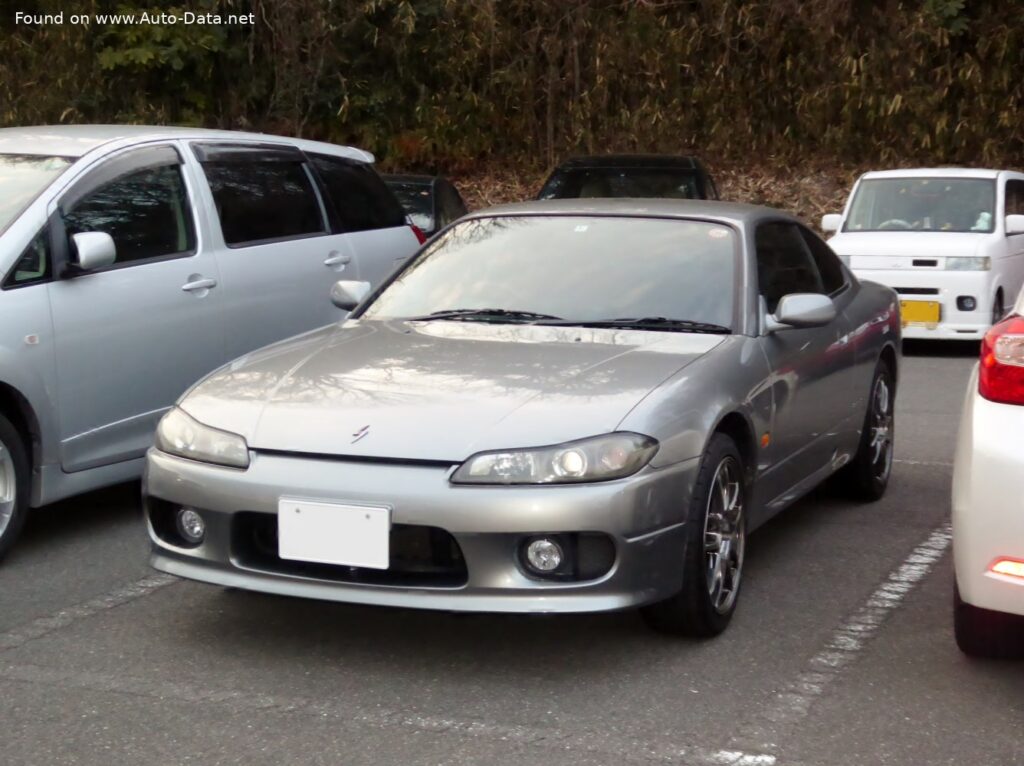
The Nissan Silvia (S15) represents the seventh and final generation of Nissan’s iconic sports coupe, a nameplate that had captivated enthusiasts for decades. Produced from 1999 to 2002, the S15 was exclusively offered in the Japanese domestic market (JDM), though its reputation and influence quickly spread globally, establishing it as a highly coveted vehicle among performance car aficionados, particularly within the drifting and tuning communities. This particular variant, the Nissan Silvia (S15) 2.0 i 16V T (250 Hp) Automatic, showcased Nissan’s commitment to delivering a potent and stylish rear-wheel-drive platform, even in a more accessible automatic transmission form.
Building on a rich lineage of lightweight, agile, and easily modifiable sports cars, the S15 elevated the Silvia’s design and performance to new heights. It was positioned in a segment that valued driving dynamics and aesthetic appeal, catering to a younger, performance-oriented demographic in Japan. Despite its limited official availability outside Japan, the Nissan Silvia (S15) has achieved legendary status, becoming a symbol of Japanese automotive engineering and a benchmark for accessible performance.
Engine & Performance: The Heart of the Nissan Silvia (S15)
At the core of the Nissan Silvia (S15) 2.0 i 16V T (250 Hp) Automatic lies the legendary SR20DET engine. This 2.0-liter (1998 cm3 or 121.93 cubic inches) inline-four powerplant is renowned for its robust construction and exceptional tunability. Featuring a DOHC (Double Overhead Camshaft) valvetrain with 16 valves (4 per cylinder) and multi-port manifold injection, the SR20DET was a technological marvel for its time.
The “T” in its designation signifies the presence of a turbocharger, which was instrumental in boosting its output significantly. This particular iteration of the SR20DET generated an impressive 250 horsepower at 6400 rpm, translating to a substantial 125.1 horsepower per liter. Torque figures were equally compelling, peaking at 202.09 lb.-ft. (274 Nm) at 4800 rpm. With a compression ratio of 8.5:1, the engine was engineered for forced induction, ensuring both power and durability. The engine’s layout was front, longitudinal, contributing to the car’s balanced weight distribution and classic rear-wheel-drive dynamics.
Paired with a 4-speed automatic transmission, this Silvia variant offered a smoother, less involving driving experience compared to its manual counterparts, which were often preferred by hardcore enthusiasts. Nevertheless, the automatic gearbox capably managed the engine’s power, allowing the coupe to achieve a top speed of 146.02 mph (235 km/h). The vehicle’s kerb weight of 2777.82 pounds (1260 kg) resulted in an excellent weight-to-power ratio of 5 kg/Hp (198.4 Hp/tonne), underscoring its performance potential. Fuel consumption in urban environments was rated at approximately 26.7 US mpg (8.8 l/100 km), a reasonable figure for a turbocharged sports car of its era.
Design & Features: Form Meets Function
The design of the Nissan Silvia (S15) was a significant evolution from its predecessor, the S14. It adopted a sharper, more aggressive aesthetic, characterized by sleek lines, distinctive headlights, and a sculpted profile that exuded sportiness. The coupe body style, with its two doors and seating for four, maintained the Silvia’s traditional compact sports car dimensions. Measuring 175 inches (4445 mm) in length, 66.73 inches (1695 mm) in width, and 50.59 inches (1285 mm) in height, the S15 possessed a nimble and athletic stance.
The interior, while driver-focused, offered a blend of functionality and comfort. The cockpit was ergonomically designed, placing controls within easy reach. While not opulent, the materials and finish were appropriate for a sports coupe aimed at performance enthusiasts. Standard features included hydraulic power steering, which provided direct and communicative feedback, essential for a driver’s car. Safety was addressed with the inclusion of ventilated disc brakes at the front and disc brakes at the rear, augmented by an Anti-lock Braking System (ABS) for enhanced stopping power and control. The car rode on 16-inch wheels wrapped in 205/55 R16 tires, offering a good balance of grip and ride comfort for both spirited driving and daily use. The trunk space, at 8.48 cubic feet (240 liters), provided adequate room for weekend trips or daily essentials.
Technical Specifications
| Category | Specification |
|---|---|
| Brand | Nissan |
| Model | Silvia |
| Generation | Silvia (S15) |
| Type (Engine) | 2.0 i 16V T (250 Hp) Automatic |
| Start of Production | 1999 year |
| End of Production | 2002 year |
| Powertrain Architecture | Internal Combustion engine |
| Body type | Coupe |
| Seats | 4 |
| Doors | 2 |
| Performance Specs | |
| Fuel consumption (economy) – urban | 26.7 US mpg (8.8 l/100 km) |
| Fuel Type | Petrol (Gasoline) |
| Maximum speed | 146.02 mph (235 km/h) |
| Weight-to-power ratio | 5 kg/Hp, 198.4 Hp/tonne |
| Weight-to-torque ratio | 4.6 kg/Nm, 217.5 Nm/tonne |
| Engine Specs | |
| Power | 250 Hp @ 6400 rpm. |
| Power per liter | 125.1 Hp/l |
| Torque | 202.09 lb.-ft. (274 Nm) @ 4800 rpm. |
| Engine layout | Front, Longitudinal |
| Engine Model/Code | SR20DET |
| Engine displacement | 121.93 cu. in. (1998 cm3) |
| Number of cylinders | 4 |
| Engine configuration | Inline |
| Cylinder Bore | 3.39 in. (86 mm) |
| Piston Stroke | 3.39 in. (86 mm) |
| Compression ratio | 8.5:1 |
| Number of valves per cylinder | 4 |
| Fuel injection system | Multi-port manifold injection |
| Engine aspiration | Turbocharger |
| Valvetrain | DOHC |
| Engine oil capacity | 3.7 US qt (3.5 l) |
| Coolant | 7.4 US qt (7 l) |
| Space, Volume and Weights | |
| Kerb Weight | 2777.82 lbs. (1260 kg) |
| Max. weight | 3924.23 lbs. (1780 kg) |
| Max load | 1146.4 lbs. (520 kg) |
| Trunk (boot) space – minimum | 8.48 cu. ft. (240 l) |
| Fuel tank capacity | 17.17 US gal (65 l) |
| Dimensions | |
| Length | 175 in. (4445 mm) |
| Width | 66.73 in. (1695 mm) |
| Height | 50.59 in. (1285 mm) |
| Wheelbase | 99.41 in. (2525 mm) |
| Front track | 58.27 in. (1480 mm) |
| Rear (Back) track | 57.87 in. (1470 mm) |
| Minimum turning circle (turning diameter) | 32.15 ft. (9.8 m) |
| Drivetrain, Brakes and Suspension Specs | |
| Drivetrain Architecture | The Internal combustion engine (ICE) drives the rear wheels of the vehicle. |
| Drive wheel | Rear wheel drive |
| Number of gears and type of gearbox | 4 gears, automatic transmission |
| Front suspension | Coil spring |
| Rear suspension | Coil spring |
| Front brakes | Ventilated discs |
| Rear brakes | Disc |
| Assisting systems | ABS (Anti-lock braking system) |
| Power steering | Hydraulic Steering |
| Tires size | 205/55 R16 |
| Wheel rims size | 16 |
Legacy & Market Impact of the Nissan Silvia (S15)
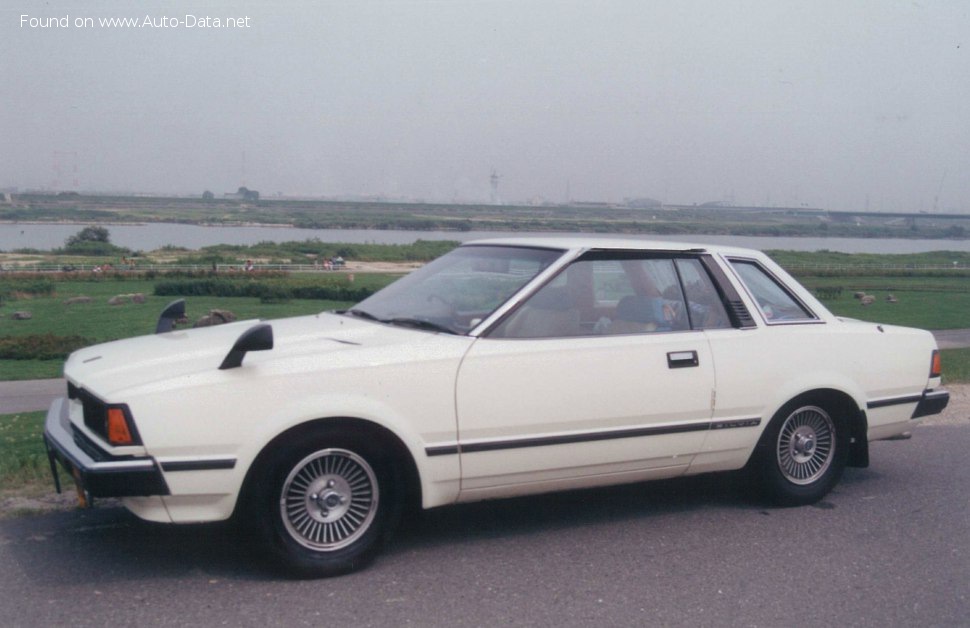
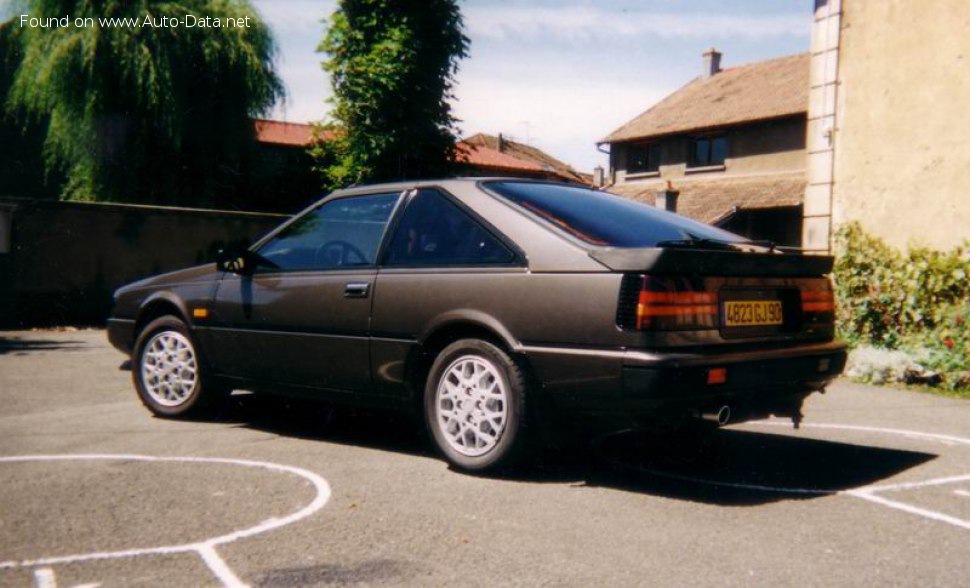
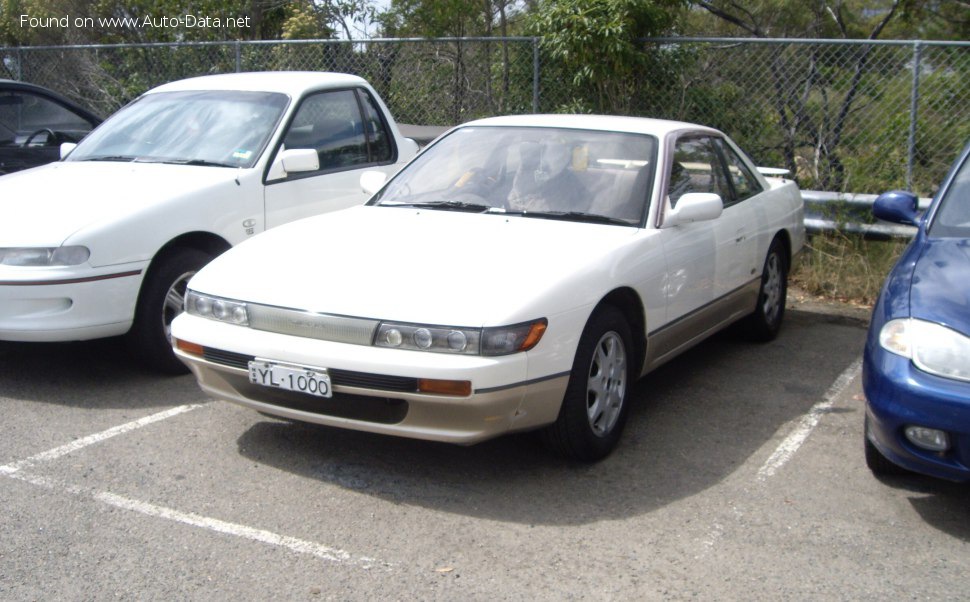
The Nissan Silvia (S15), despite its relatively short production run and JDM-only status, carved out an indelible legacy in the automotive world. It stands as a pinnacle of Nissan’s “S-chassis” platform, which began with the Silvia in the mid-1960s and evolved into a globally recognized symbol of accessible, rear-wheel-drive performance.
In its primary market, Japan, the S15 was a highly sought-after sports coupe, competing with other performance-oriented vehicles of its time such as the Toyota Chaser, Honda S2000, and even Mazda’s RX-7. While some of these rivals offered different engine configurations or higher price points, the S15 carved its niche by offering a potent turbocharged inline-four, excellent handling, and a distinct style at a competitive price point. Its appeal was further amplified by its frequent appearance in popular Japanese media, including video games like Gran Turismo and anime series such as Initial D, which cemented its status as a cultural icon.
Beyond Japan, the Nissan Silvia (S15) gained immense popularity through grey market imports and the burgeoning internet culture of the early 2000s. It became a darling of the drifting scene, praised for its balanced chassis, strong SR20DET engine, and the abundance of aftermarket support. Its rear-wheel-drive configuration and robust powertrain made it an ideal candidate for modifications, ranging from mild performance upgrades to extreme track and drift builds. This widespread adoption by the tuning community solidified its reputation as one of the most versatile and capable Japanese sports cars ever made.
While the 4-speed automatic transmission variant might not be the top choice for purist enthusiasts who typically gravitate towards the manual transmission models (especially the Spec-R with its 6-speed manual and helical limited-slip differential), it still offered a compelling package. For those seeking a powerful and stylish daily driver with the option for spirited weekend cruising, the automatic S15 delivered the same iconic SR20DET power in a more relaxed, user-friendly format. It allowed a broader audience to experience the thrill of the Silvia, proving that performance and convenience could coexist.
Today, the Nissan Silvia (S15) remains a highly prized vehicle worldwide. Its rarity outside of Japan, combined with its strong performance credentials and undeniable cool factor, has ensured its status as a modern classic. Prices for well-maintained examples continue to appreciate, a testament to its enduring appeal and significant impact on global car culture. The S15 closed the chapter on the Silvia legacy with a bang, leaving behind a car that continues to inspire and excite drivers across the globe.