The Nissan Skyline IX (R33) 2.0 i GTS Automatic: A Mid-Nineties Japanese Sedan
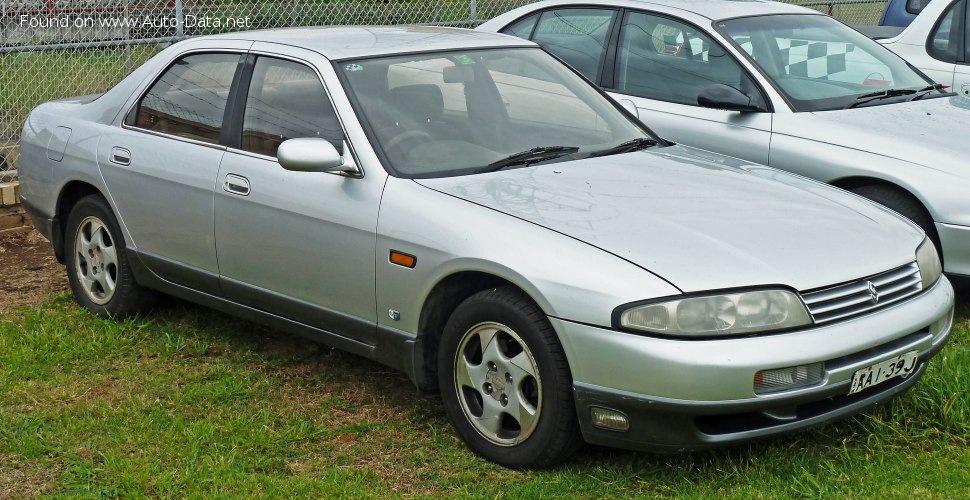
The Nissan Skyline IX, widely known by its chassis code R33, represents a significant chapter in the storied history of the Nissan Skyline nameplate. Produced from 1995 to 1998, the R33 generation followed the highly acclaimed R32 and preceded the iconic R34. While the R33 generation is most famously associated with its high-performance GT-R variant, the majority of Skylines produced were more sedate, everyday models designed for the Japanese domestic market (JDM). The Nissan Skyline IX (R33) 2.0 i GTS Automatic, a four-door sedan, exemplifies this practical side of the Skyline lineage, offering a blend of Nissan’s reputable engineering, comfort, and a touch of the performance heritage, albeit in a more accessible and economical package. This particular variant was positioned as a reliable and spacious family car or executive cruiser within Japan, rather than an outright sports machine, yet it retained the fundamental rear-wheel-drive architecture and inline-six engine that defined the Skyline.
Engine and Performance of the Nissan Skyline IX (R33) 2.0 i GTS Automatic
Under the hood, the Nissan Skyline IX (R33) 2.0 i GTS Automatic featured the robust and well-regarded RB20E engine. This naturally aspirated, 2.0-liter (1998 cm3 or 121.93 cubic inches) inline-six powerplant was a staple in many Nissan models of the era, known for its smooth operation and reliability. The “E” in RB20E denotes its single overhead camshaft (SOHC) valvetrain with two valves per cylinder, a more conventional and less complex setup compared to the twin-cam (DOHC) engines found in more performance-oriented Skyline models.
The RB20E in this configuration produced a respectable 125 horsepower at 5600 revolutions per minute (rpm) and 126.86 lb-ft of torque at 4400 rpm. While these figures might seem modest by today’s standards, or even when compared to its turbocharged siblings, they were entirely adequate for daily driving in 1990s Japan. The engine’s power delivery was linear and predictable, characteristic of a naturally aspirated inline-six. Its multi-port manifold injection system ensured efficient fuel delivery, contributing to a combined fuel economy rating of approximately 32.7 US miles per gallon (7.2 liters per 100 km).
Power was transmitted to the rear wheels via a 4-speed automatic transmission. This gearbox was engineered for smooth shifts and comfort, prioritizing relaxed cruising over aggressive acceleration, aligning perfectly with the GTS sedan’s intended market. The rear-wheel-drive architecture, a hallmark of the Skyline, provided balanced handling dynamics, even for this non-performance variant. The car’s weight-to-power ratio stood at 10.2 kg per horsepower, or 98.4 horsepower per ton, indicating its role as a competent daily driver rather than a track-focused vehicle.
Design and Features
The R33 generation of the Nissan Skyline, including the 2.0 i GTS sedan, presented a design that evolved from its predecessor, the R32. The R33 was notably longer and wider than the R32, measuring 185.83 inches in length and 67.72 inches in width, with a wheelbase stretched to 107.09 inches. This increase in dimensions translated directly into a more spacious and comfortable cabin, a key selling point for a sedan in its segment. The four-door body style offered practical access for passengers and cargo, making it a versatile vehicle for families or business use.
Aesthetically, the R33 sedan featured a smoother, more rounded silhouette compared to the sharper lines of the R32, reflecting the prevailing automotive design trends of the mid-1990s. While it shared some visual cues with the GT-R, such as the distinctive four round taillights, the GTS sedan maintained a more understated and sophisticated appearance. The interior was designed with comfort and functionality in mind, offering seating for five occupants. Standard features for its time included power windows, air conditioning, and a capable audio system.
Safety features for the 1995-1998 era included an Anti-lock Braking System (ABS) as an assisting system, which was a significant advancement for improved braking control. The car was equipped with ventilated disc brakes at the front and disc brakes at the rear, providing adequate stopping power for its weight and performance level. The steering system utilized a hydraulic rack and pinion setup, offering a direct and communicative feel, a characteristic appreciated by enthusiasts even in the more basic Skyline models. The suspension system consisted of spring struts at the front and coil springs at the rear, tuned for a comfortable ride while maintaining stable handling. The car rode on 185/70 R14 S tires, mounted on 14-inch wheel rims, a common setup for sedans of its class.
Technical Specifications
| Nissan Skyline IX (R33) 2.0 i GTS (125 Hp) Automatic – Specifications | |
|---|---|
| General Information | |
| Brand | Nissan |
| Model | Skyline |
| Generation | Skyline IX (R33) |
| Type (Engine) | 2.0 i GTS (125 Hp) Automatic |
| Start of Production | 1995 year |
| End of Production | 1998 year |
| Powertrain Architecture | Internal Combustion engine |
| Body Type | Sedan |
| Seats | 5 |
| Doors | 4 |
| Performance Specs | |
| Fuel Consumption (Combined) | 7.2 l/100 km (32.7 US mpg) |
| Fuel Type | Petrol (Gasoline) |
| Weight-to-Power Ratio | 10.2 kg/Hp (98.4 Hp/tonne) |
| Weight-to-Torque Ratio | 7.4 kg/Nm (135.4 Nm/tonne) |
| Engine Specs | |
| Power | 125 Hp @ 5600 rpm |
| Power per Liter | 62.6 Hp/l |
| Torque | 172 Nm (126.86 lb.-ft.) @ 4400 rpm |
| Engine Layout | Front, Longitudinal |
| Engine Model/Code | RB20E |
| Engine Displacement | 1998 cm3 (121.93 cu. in.) |
| Number of Cylinders | 6 |
| Engine Configuration | Inline |
| Cylinder Bore | 78 mm (3.07 in.) |
| Piston Stroke | 69.7 mm (2.74 in.) |
| Compression Ratio | 9.5:1 |
| Number of Valves per Cylinder | 2 |
| Fuel Injection System | Multi-port manifold injection |
| Engine Aspiration | Naturally aspirated engine |
| Valvetrain | OHC |
| Engine Oil Capacity | 4.2 l (4.44 US qt) |
| Coolant Capacity | 8.5 l (8.98 US qt) |
| Space, Volume and Weights | |
| Kerb Weight | 1270 kg (2799.87 lbs.) |
| Max. Weight | 1545 kg (3406.14 lbs.) |
| Max Load | 275 kg (606.27 lbs.) |
| Fuel Tank Capacity | 65 l (17.17 US gal) |
| Dimensions | |
| Length | 4720 mm (185.83 in.) |
| Width | 1720 mm (67.72 in.) |
| Height | 1360 mm (53.54 in.) |
| Wheelbase | 2720 mm (107.09 in.) |
| Front Track | 1480 mm (58.27 in.) |
| Rear (Back) Track | 1470 mm (57.87 in.) |
| Drivetrain, Brakes and Suspension Specs | |
| Drivetrain Architecture | The Internal combustion engine (ICE) drives the rear wheels of the vehicle. |
| Drive Wheel | Rear wheel drive |
| Number of Gears and Type of Gearbox | 4 gears, automatic transmission |
| Front Suspension | Spring Strut |
| Rear Suspension | Coil spring |
| Front Brakes | Ventilated discs |
| Rear Brakes | Disc |
| Assisting Systems | ABS (Anti-lock braking system) |
| Steering Type | Steering rack and pinion |
| Power Steering | Hydraulic Steering |
| Tires Size | 185/70 R14 S |
| Wheel Rims Size | 14 inch |
Legacy and Market Impact
The Nissan Skyline IX (R33) 2.0 i GTS Automatic, while often overshadowed by its legendary GT-R counterpart, played a crucial role in maintaining the Skyline’s presence as a versatile and desirable car in the Japanese market. In its primary market, Japan, this sedan variant was a strong competitor against other popular mid-size sedans such as the Toyota Mark II and Chaser, Honda Accord, and Mazda Capella. Its appeal lay in its blend of respectable performance, comfortable ride, and the prestige associated with the Skyline name. For many Japanese consumers, it offered a practical and reliable daily driver with an underlying connection to Nissan’s performance heritage.
The R33 generation, in general, received mixed reactions upon its release, primarily due to its increased size and weight compared to the R32, which some purists felt diluted the Skyline’s sporting edge. However, these changes were largely aimed at improving comfort, refinement, and safety, catering to a broader customer base. The 2.0 i GTS variant perfectly embodied this shift, providing a more mature and comfortable driving experience.
Despite not being an export model to the United States during its production, the Nissan Skyline R33, including its less powerful variants, has gained a significant cult following among automotive enthusiasts worldwide, particularly in markets where JDM imports are popular. Its robust RB-series engine, even in naturally aspirated SOHC form, is known for its durability and potential for modification, though this specific model was rarely a target for extreme tuning. Instead, it is often appreciated for its original design, comfortable driving dynamics, and its connection to the iconic Skyline lineage.
Today, the R33 2.0 i GTS serves as a testament to Nissan’s engineering prowess in the mid-1990s, offering a glimpse into the everyday automotive landscape of Japan during that era. It represents the backbone of the Skyline series, the reliable and accessible model that underpinned the more exotic GT-R variants, ensuring the brand’s commercial success and enduring legacy. Its historical significance lies in its contribution to the Skyline’s reputation as a diverse platform, capable of delivering both thrilling performance and dependable daily transport. As classic JDM vehicles continue to appreciate in value and appeal, even these more modest R33 sedans are finding new appreciation among collectors and enthusiasts who value originality and a connection to automotive history.