The Nissan Skyline (R30): A Japanese Automotive Icon of the Early 1980s
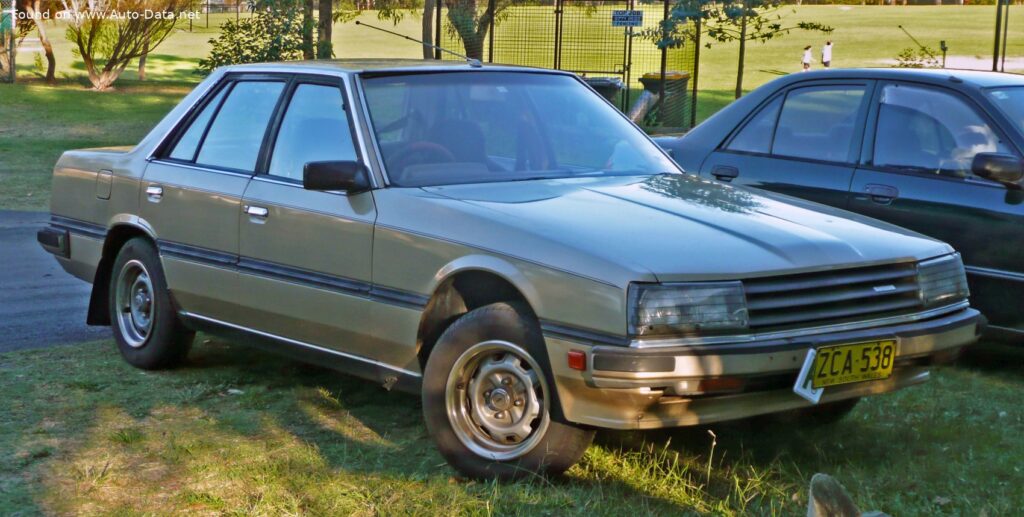
The Nissan Skyline (R30) represents the sixth generation of Nissan’s venerable Skyline model line, a nameplate synonymous with performance and innovation in the Japanese domestic market (JDM) and beyond. Produced from 1981 to 1985, the R30 generation marked a significant evolution from its predecessors, embracing the angular, functional design language prevalent in the early 1980s. While never officially imported to the United States, the Skyline R30 played a crucial role in cementing the Skyline’s reputation in Japan as a versatile vehicle, offering everything from practical sedans to high-performance coupes. The variant under review, the 2.0-liter sedan with 130 horsepower, exemplified the accessible yet capable daily driver within the R30 lineup, balancing everyday usability with a hint of the sporting pedigree that would define future Skylines.
The Evolution of the Nissan Skyline (R30)
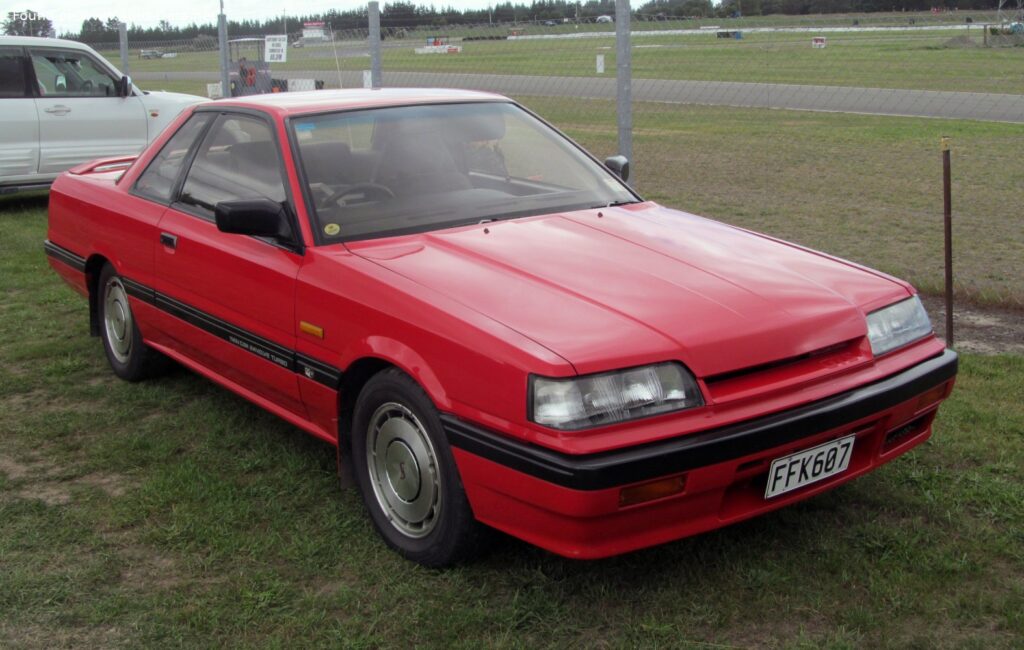
Following the popular C210 generation, the R30 Skyline was introduced at a time of technological advancement and shifting design trends. Nissan aimed to modernize the Skyline while retaining its core identity as a driver-focused machine. The R30 was available in a variety of body styles, including two-door coupes, four-door sedans, and even a five-door hatchback, showcasing its adaptability to different market needs. The sedan, in particular, was a cornerstone of the lineup, appealing to families and business professionals who desired reliability, comfort, and a touch of driving enjoyment. This generation is often remembered for its robust build quality and a clear embrace of electronic fuel injection across many of its engine options, signaling a move towards greater efficiency and performance precision.
Engine and Performance: The 2.0-liter Heart of the Nissan Skyline (R30)
The specific Nissan Skyline (R30) model in question is powered by a 2.0-liter internal combustion engine, delivering a respectable 130 horsepower. This naturally aspirated gasoline (petrol) engine was a common and well-regarded powerplant within Nissan’s stable during the early 1980s. For its time, 130 horsepower from a 2.0-liter displacement offered a compelling balance of performance and fuel economy, especially in the context of a four-door sedan designed for daily driving in Japan’s urban and highway environments. The powertrain architecture focused on reliability and smooth power delivery, characteristic of Japanese engineering of the era.
Unlike some of the more exotic turbocharged variants that would later emerge within the R30 lineup (such as the famed RS-X Turbo), this 2.0-liter naturally aspirated engine provided a more linear and predictable driving experience. Its design emphasized durability and ease of maintenance, making it an ideal choice for the general public. The engine’s responsiveness and adequate power output ensured that the R30 sedan was capable of comfortable highway cruising and confident maneuvering in city traffic. While not a pure performance machine, the 130 horsepower offered a spirited drive that was a cut above many contemporary family sedans.
Design and Features of the Nissan Skyline (R30) Sedan
The Nissan Skyline (R30) sedan, produced between 1981 and 1985, embodied the popular “straight-line” design philosophy of the early 1980s. Its aesthetic was characterized by sharp angles, a relatively flat hood, and a distinctive front fascia. The four-door, four-seat configuration prioritized practicality and passenger comfort, making it a suitable choice for families or as a professional vehicle. The body type exuded a sense of understated sportiness, a trait that has long been associated with the Skyline lineage.
Inside, the R30 sedan offered a functional and ergonomic cabin. While not opulent by today’s standards, the interior was designed for ease of use, with clearly laid-out instrumentation and controls. Seating for four adults was comfortable, and the trunk provided ample cargo space for daily needs or weekend trips. Features common to cars of this era included manual windows, air conditioning (often optional), and a basic radio. Safety features, while rudimentary compared to modern vehicles, typically included three-point seatbelts and a robust chassis structure for crash protection. The R30’s design, particularly its clean lines and relatively compact dimensions for a sedan, allowed for good maneuverability in congested Japanese cities, while still providing a stable and comfortable ride on expressways.
Technical Specifications: Nissan Skyline (R30) 2.0 (130 Hp) Sedan
| Category | Specification |
|---|---|
| Brand | Nissan |
| Model | Skyline |
| Generation | Skyline (R30) |
| Type (Engine) | 2.0 (130 Hp) |
| Start of Production | 1981 year |
| End of Production | 1985 year |
| Powertrain Architecture | Internal Combustion engine |
| Body type | Sedan |
| Seats | 4 |
| Doors | 4 |
| Fuel Type | Petrol (Gasoline) |
| Power | 130 Hp |
| Engine Aspiration | Naturally aspirated engine |
Legacy and Market Impact of the Nissan Skyline (R30)
The Nissan Skyline (R30) occupies a significant, albeit often overshadowed, position within the illustrious Skyline lineage. While subsequent generations like the R32, R33, and R34 gained global legendary status, particularly among enthusiasts for their GT-R variants, the R30 was a vital bridge that continued to evolve the Skyline’s identity. In its primary market of Japan, the R30 was a strong seller, lauded for its blend of reliability, practicality, and an underlying sporty character. It successfully catered to a wide demographic, from families seeking a dependable sedan to enthusiasts who appreciated its more potent turbo variants.
Competitors in the Japanese market during its production run included models like the Toyota Corona, Mazda Capella (626 in some markets), and Mitsubishi Galant. The R30 Skyline differentiated itself through its slightly more premium positioning and its strong association with performance, a reputation built over previous generations. Its involvement in motorsport, particularly in Japanese touring car races, further enhanced its image, even if the 2.0-liter naturally aspirated sedan wasn’t the direct participant in these high-octane events.
The R30’s historical significance lies in its role as a transitional model. It embraced modern technologies like electronic fuel injection and introduced more aerodynamic styling cues, laying the groundwork for the technological leaps seen in future Skylines. It solidified the Skyline’s reputation as an automotive innovator in Japan, capable of delivering both everyday utility and exhilarating performance. Today, the R30 is increasingly recognized by classic car enthusiasts, particularly those interested in the evolution of JDM icons. Its robust engineering means many examples still exist, serving as a testament to Nissan’s build quality during the early 1980s. While not as universally famous as its successors, the Nissan Skyline R30 remains a cherished piece of Japanese automotive history, embodying the spirit of a practical yet engaging driving machine.