The Nissan Skyline VII Coupe (R31): A Bridge to Performance Legacy
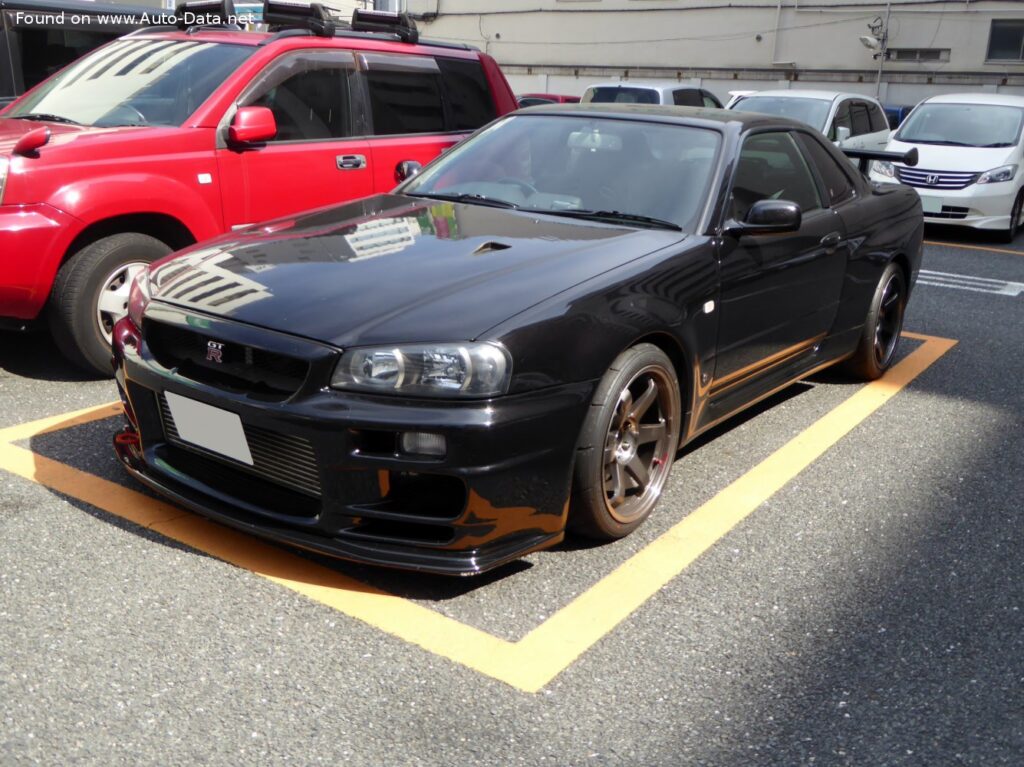
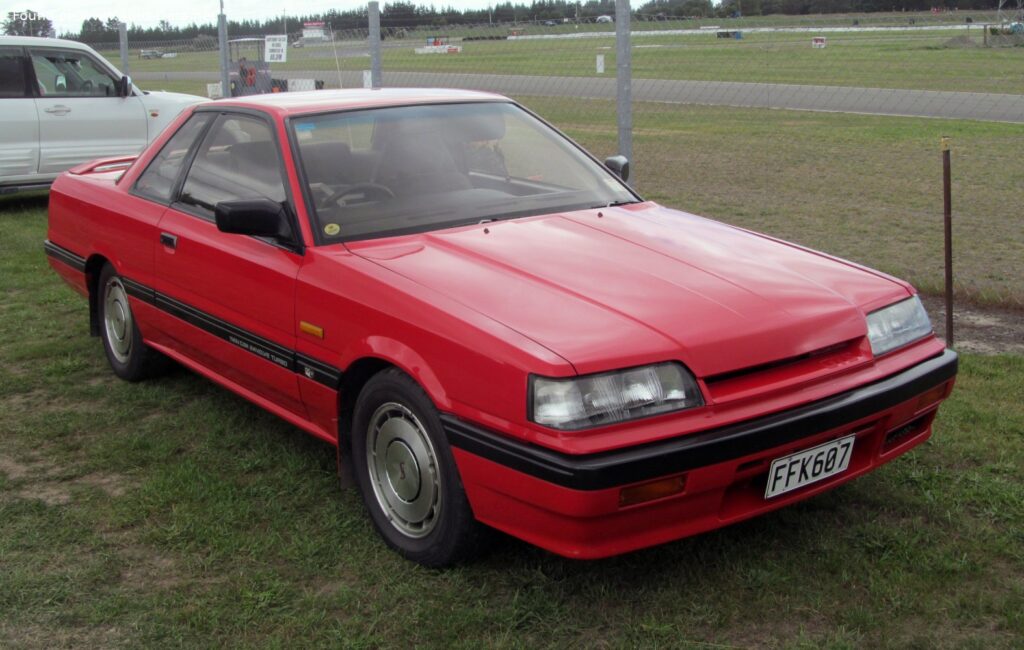
The Nissan Skyline VII Coupe (R31), produced from 1985 to 1995, represents a pivotal, yet often overlooked, chapter in the storied history of the Nissan Skyline nameplate. While not as universally recognized as its R32, R33, or R34 GT-R successors, the R31 generation was a significant vehicle in its primary market, Japan, introducing a host of technological advancements and setting the stage for the legendary performance cars that would follow. As a two-door coupe, the R31 offered a blend of executive comfort and burgeoning sporting potential, catering to a discerning Japanese audience looking for a sophisticated, rear-wheel-drive machine. This generation, particularly its performance-oriented variants like the 2.6 i R6 24V (280 Hp) model, pushed the boundaries of what was expected from a Japanese sports coupe in the mid-1980s.
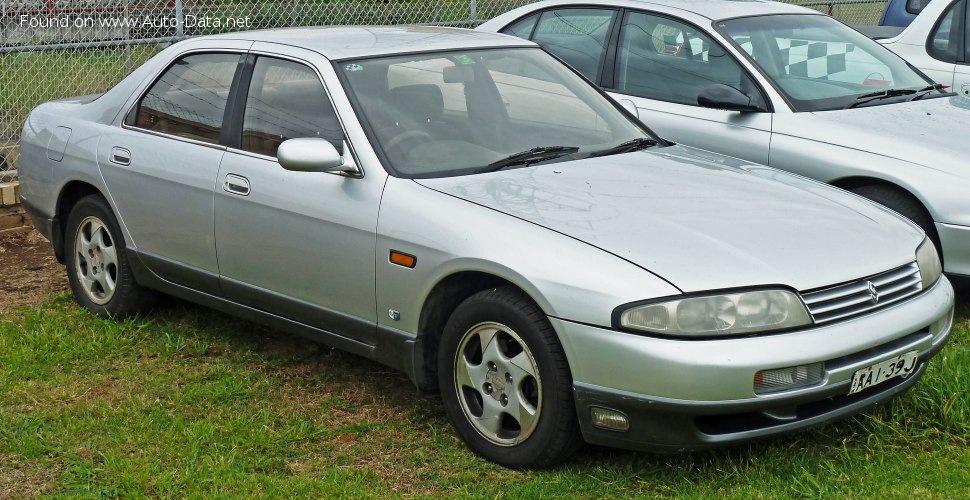
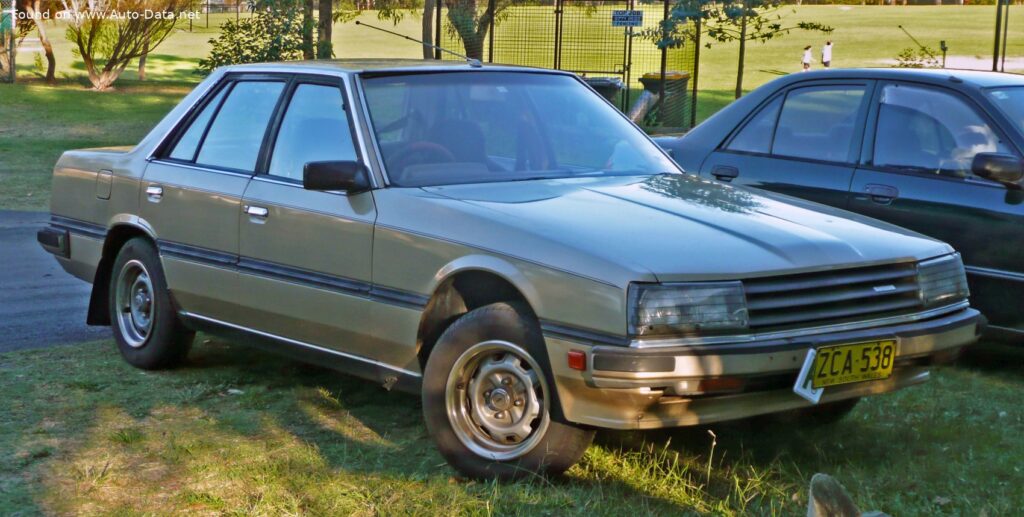
The R31 Skyline marked a departure from the more angular designs of its predecessors, embracing a slightly more aerodynamic, though still distinctly boxy, aesthetic that was characteristic of the era. It was during this period that Nissan experimented heavily with new technologies, many of which would become staples in future Skyline iterations. While the R31 was available in various body styles, including sedans and wagons, the coupe variant was the most performance-focused and visually striking, embodying the spirit of a grand tourer with a sporting edge. Its limited availability outside of Japan has made it a cult classic among enthusiasts worldwide, appreciated for its robust engineering and its critical role in the Skyline lineage.
Engine and Performance of the Nissan Skyline VII Coupe (R31)
At the heart of the potent Nissan Skyline VII Coupe (R31) 2.6 i R6 24V was a formidable powertrain, designed to deliver exhilarating performance for its time. This particular variant was equipped with a 2.6-liter (2568 cm³) inline-six engine, a configuration that would become synonymous with the Skyline’s high-performance identity. The engine featured a sophisticated 24-valve DOHC (Double Overhead Camshaft) valvetrain, a cutting-edge design choice that allowed for superior airflow and higher revving capabilities compared to conventional SOHC engines.
Further enhancing its output, the engine was fitted with a turbocharger, a crucial component that significantly boosted power and torque. Fuel delivery was managed by a multi-port manifold injection system, ensuring precise fuel metering for optimal combustion efficiency. This meticulous engineering resulted in an impressive peak power output of 280 horsepower at 6800 rpm, a figure that famously skirted the “gentlemen’s agreement” among Japanese automakers to cap horsepower at 280 HP. The power per liter stood at a remarkable 109 Hp/l, showcasing the engine’s efficiency and high-performance tuning.
Torque production was equally robust, with the engine generating 289.12 lb.-ft. (392 Nm) at 4400 rpm, providing strong acceleration and responsiveness across a wide rev range. Power was sent to the rear wheels via a precise 5-speed manual transmission, offering an engaging driving experience that appealed to enthusiasts. The engine’s front, longitudinal layout contributed to a balanced weight distribution, enhancing the car’s handling dynamics. With a kerb weight of 3152.61 lbs. (1430 kg), the power-to-weight ratio was a respectable 5.1 kg/Hp, or 195.8 Hp/tonne, allowing the coupe to achieve a top speed of 155.34 mph (250 km/h). This level of performance positioned the R31 Coupe as a serious contender in the Japanese performance car market of the mid-to-late 1980s.
Design and Features
The Nissan Skyline VII Coupe (R31) sported a distinctive two-door coupe body type, designed to accommodate five occupants. Its styling, while somewhat constrained by the design language of the 1980s, featured clean lines and a purposeful stance. The overall dimensions—178.35 inches (4530 mm) in length, 63.58 inches (1615 mm) in width, and 52.17 inches (1325 mm) in height—gave it a substantial road presence. The wheelbase of 102.95 inches (2615 mm) contributed to both interior space and ride stability, while the front and rear tracks, both at 57.48 inches (1460 mm), provided a solid foundation for handling.
Inside, the R31 Coupe offered a driver-focused cockpit with instrumentation and controls typical of a premium Japanese car of its era. While specific luxury features might vary by trim, the emphasis was on functional ergonomics and a comfortable driving environment. For safety and control, the R31 was equipped with an Anti-lock Braking System (ABS), a significant advanced feature for the mid-1980s that provided enhanced stopping power and stability under hard braking. The hydraulic power steering system ensured precise and communicative steering feedback, crucial for a performance-oriented vehicle.
The braking system comprised ventilated discs at the front and solid discs at the rear, providing robust and fade-resistant performance. The car rode on 225/60 VR16 tires, a generous size for the period, offering ample grip and contributing to the car’s athletic appearance. The 15.85 US gallon (60 l) fuel tank capacity provided a reasonable range for spirited driving or touring. The combination of a strong engine, a driver-centric interior, and advanced (for its time) safety and handling features made the R31 Coupe a compelling package in its native market.
Technical Specifications for the Nissan Skyline VII Coupe (R31) 2.6 i R6 24V (280 Hp)
| Category | Specification | Metric Value | US Value |
|---|---|---|---|
| Brand | Nissan | ||
| Model | Skyline | ||
| Generation | Skyline VII Coupe (R31) | ||
| Type (Engine) | 2.6 i R6 24V (280 Hp) | ||
| Start of Production | 1985 year | ||
| End of Production | 1995 year | ||
| Powertrain Architecture | Internal Combustion engine | ||
| Body Type | Coupe | ||
| Seats | 5 | ||
| Doors | 2 | ||
| Performance Specs | |||
| Fuel Type | Petrol (Gasoline) | ||
| Maximum Speed | 250 km/h | 155.34 mph | |
| Weight-to-Power Ratio | 5.1 kg/Hp | 195.8 Hp/tonne | |
| Weight-to-Torque Ratio | 3.6 kg/Nm | 274.1 Nm/tonne | |
| Engine Specs | |||
| Power | 280 Hp @ 6800 rpm | ||
| Power per Liter | 109 Hp/l | ||
| Torque | 392 Nm @ 4400 rpm | 289.12 lb.-ft. @ 4400 rpm | |
| Engine Layout | Front, Longitudinal | ||
| Engine Displacement | 2568 cm³ | 2.6 l / 156.71 cu. in. | |
| Number of Cylinders | 6 | ||
| Engine Configuration | Inline | ||
| Cylinder Bore | 86 mm | 3.39 in. | |
| Piston Stroke | 73.7 mm | 2.9 in. | |
| Compression Ratio | 9:1 | ||
| Number of Valves per Cylinder | 4 | ||
| Fuel Injection System | Multi-port manifold injection | ||
| Engine Aspiration | Turbocharger | ||
| Valvetrain | DOHC | ||
| Space, Volume and Weights | |||
| Kerb Weight | 1430 kg | 3152.61 lbs. | |
| Fuel Tank Capacity | 60 l | 15.85 US gal | |
| Dimensions | |||
| Length | 4530 mm | 178.35 in. | |
| Width | 1615 mm | 63.58 in. | |
| Height | 1325 mm | 52.17 in. | |
| Wheelbase | 2615 mm | 102.95 in. | |
| Front Track | 1460 mm | 57.48 in. | |
| Rear (Back) Track | 1460 mm | 57.48 in. | |
| Drivetrain, Brakes and Suspension Specs | |||
| Drivetrain Architecture | The Internal combustion engine (ICE) drives the rear wheels of the vehicle. | ||
| Drive Wheel | Rear wheel drive | ||
| Number of Gears and Type of Gearbox | 5 gears, manual transmission | ||
| Front Brakes | Ventilated discs | ||
| Rear Brakes | Disc | ||
| Assisting Systems | ABS (Anti-lock braking system) | ||
| Power Steering | Hydraulic Steering | ||
| Tires Size | 225/60 VR16 | ||
Legacy and Market Impact of the Nissan Skyline VII Coupe (R31)
The Nissan Skyline VII Coupe (R31) holds a unique place in the Skyline saga. While it didn’t achieve the global superstar status of its direct successor, the R32 GT-R, it was a crucial evolutionary step for the brand. In its home market of Japan, the R31 was well-regarded for its blend of performance, luxury, and technological innovation. It was during the R31’s production run that Nissan introduced several key features that would define future Skylines, including the first iteration of the now-legendary RB-series inline-six engine, albeit a different variant than the iconic RB26DETT. The 2.6-liter DOHC turbocharged engine in this specific coupe variant demonstrated Nissan’s commitment to high-performance engineering.
The R31’s reputation among enthusiasts, particularly in the JDM scene, is one of an underrated classic. It represents the last of the more traditional, somewhat boxy Skyline designs before the R32 ushered in a new era of aerodynamic and overtly sporting aesthetics. Its mechanical robustness and the tunability of its RB engine family have ensured its continued relevance in certain automotive circles. Competitors in the Japanese market during its prime included other domestic performance coupes such as the Toyota Supra (A70 generation), Mazda RX-7 (FC generation), and the Mitsubishi Starion. The R31 carved out its niche by offering a distinct blend of executive comfort and genuine performance capabilities, often appealing to a slightly more mature or discerning buyer than some of its more flamboyant rivals.
Historically, the R31’s impact lies in its role as a transitional model. It bridged the gap between the more conventional, four-door-centric Skylines of the 1970s and early 1980s and the high-tech, performance-focused models of the 1990s. Its introduction of advanced suspension systems (like Nissan’s HICAS four-wheel steering, though not present in all variants or explicitly listed in this data) and refined engine technologies laid the groundwork for the R32 GT-R’s dominance. Today, the Nissan Skyline VII Coupe (R31) is appreciated by collectors and enthusiasts who understand its significance as a foundational piece in the development of Nissan’s most iconic performance car lineage. Its rarity outside of Japan, coupled with its robust engineering and historical importance, ensures its legacy as a cherished classic within the international automotive community.