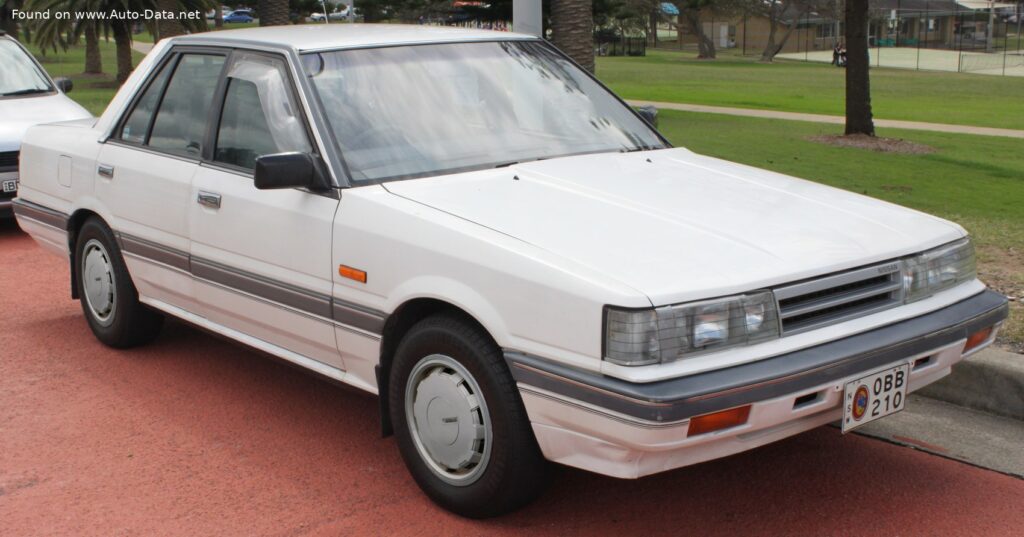
Introduction to the Nissan Skyline VII (R31)
The Nissan Skyline VII (R31) represents a significant, albeit often overshadowed, chapter in the illustrious history of the Nissan Skyline. Produced from 1985 to 1995, the R31 generation marked a transitional period for the iconic nameplate, bridging the gap between its more utilitarian predecessors and the legendary performance models that would follow. While the R31 series is perhaps best known for its more potent GTS-R variants and the introduction of Nissan’s revered RB-series inline-six engines, this particular analysis focuses on the more accessible and economy-oriented Nissan Skyline VII (R31) 1.8 i (91 Hp) sedan. This variant served as a foundational offering in its primary markets, largely Japan, Australia, and other right-hand-drive territories, providing a reliable and practical rear-wheel-drive platform for everyday use. Unlike later Skyline generations, the R31 was not officially imported to the United States, cementing its status as a JDM (Japanese Domestic Market) and regional classic, appreciated by enthusiasts for its unique blend of traditional Skyline attributes and burgeoning technological advancements of the mid-to-late 1980s.
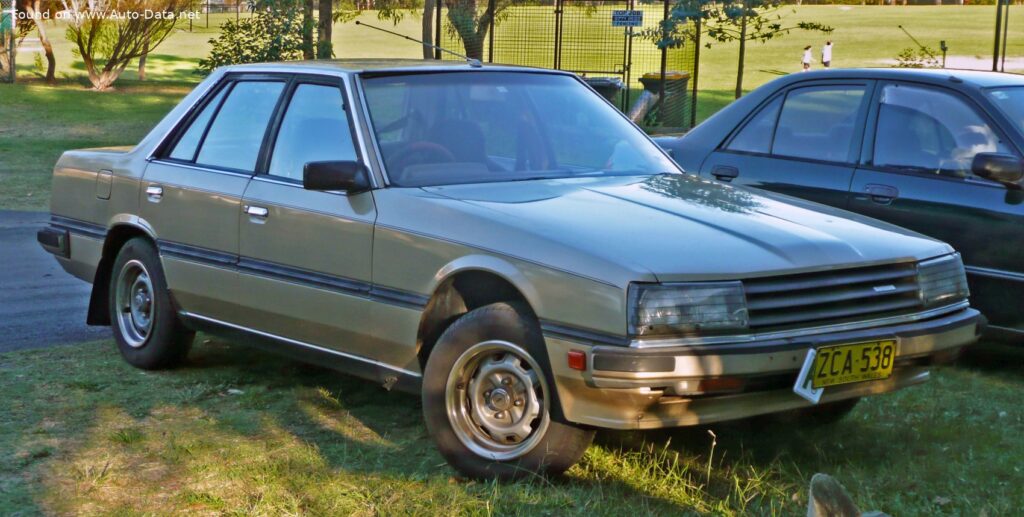
The R31 generation was a product of its time, characterized by a more angular, “boxy” design aesthetic that was prevalent in the mid-1980s. It sought to evolve the Skyline’s image from a purely sporting machine to a more upscale and technologically sophisticated sedan, coupe, and wagon lineup. The 1.8 i model, with its modest yet efficient powertrain, underscored Nissan’s commitment to offering a broad range of options within the Skyline family, catering to buyers who prioritized fuel economy and everyday usability over outright performance. Despite its entry-level positioning, the Nissan Skyline VII (R31) 1.8 i still benefited from the robust engineering and rear-wheel-drive dynamics inherent to the Skyline lineage, offering a driving experience that was both engaging and practical for its target demographic.
Engine & Performance: The Heart of the Nissan Skyline VII (R31) 1.8 i
Under the hood, the Nissan Skyline VII (R31) 1.8 i (91 Hp) was powered by a naturally aspirated 1.8-liter (1809 cm3 or 110.39 cu. in.) inline-four cylinder engine. This powerplant, likely a variant of Nissan’s CA-series engine, was designed for reliability and efficiency rather than raw power. It produced a respectable 91 horsepower at 5200 rpm, delivering a power-per-liter ratio of 50.3 horsepower per liter, which was competitive for a non-turbocharged, economy-focused engine of its era. Torque output stood at 142 Nm (104.73 lb.-ft.) peaking at a relatively low 3200 rpm, ensuring decent low-end grunt for city driving and everyday acceleration.
The engine featured a front, longitudinal layout, driving the rear wheels, a hallmark of the Skyline’s sporting heritage. With two valves per cylinder and a single-point fuel injection system, the 1.8 i engine was a straightforward and proven design. Its 8.8:1 compression ratio further emphasized its focus on fuel efficiency and smooth operation. Mated to a 5-speed manual transmission, the powertrain offered drivers direct control over the vehicle’s modest output, allowing for optimal use of the available power and torque.
Performance figures for the 1.8 i model reflected its practical orientation. The car could achieve a maximum speed of 175 km/h (108.74 mph). Fuel economy was a key selling point, with urban consumption rated at 14 l/100 km (16.8 US mpg) and extra-urban consumption at 8 l/100 km (29.4 US mpg). These figures, while not stellar by modern standards, were quite reasonable for a mid-size rear-wheel-drive sedan in the mid-1980s. The car’s kerb weight of 1140 kg (2513.27 lbs) resulted in a weight-to-power ratio of 12.5 kg/Hp (79.8 Hp/tonne), indicating a balanced, if not particularly sprightly, performance envelope. This configuration made the Nissan Skyline VII (R31) 1.8 i a dependable daily driver, capable of comfortable highway cruising and urban commuting within its intended markets.
Design & Features: A Mid-80s Sedan Aesthetic
The design of the Nissan Skyline VII (R31) embraced the prevailing automotive styling trends of the mid-1980s, characterized by sharp angles, flat surfaces, and a more aerodynamic profile compared to its R30 predecessor. As a 4-door, 5-seat sedan, the 1.8 i variant offered practical passenger capacity and cargo space, making it a suitable family car or executive transport in its target markets. Its dimensions—length of 4580 mm (180.31 in), width of 1695 mm (66.73 in), and height of 1340 mm (52.76 in)—placed it squarely in the mid-size sedan segment. The wheelbase of 2615 mm (102.95 in) contributed to a stable ride and a reasonably spacious cabin for its occupants.
From a features perspective, the R31 1.8 i offered a solid, if not extravagant, package for its time. Safety was a growing concern in the automotive industry, and this model included an Anti-lock Braking System (ABS) as an assisting system, a significant advancement for a non-premium vehicle in the mid-1980s. The braking system utilized ventilated discs at the front and solid discs at the rear, providing confident stopping power. Hydraulic power steering was standard, ensuring ease of maneuverability, particularly at lower speeds. The car rode on 165/80 SR14 tires, offering a comfortable ride and predictable handling characteristics suited to its intended purpose.
While the R31 is perhaps most famous for introducing advanced features like Nissan’s HICAS (High Capacity Actively Controlled Steering) four-wheel steering system on higher-spec models, the 1.8 i focused on providing core functionality and reliability. The interior was functional, with durable materials and a straightforward dashboard layout typical of Japanese cars of the era. The emphasis was on user-friendliness and longevity, qualities that have contributed to the R31’s enduring appeal among enthusiasts and collectors in regions where it was sold. Its design, though distinct from the more curvaceous R32 that followed, holds a particular charm as a quintessential 1980s Japanese sedan.
Technical Specifications: Nissan Skyline VII (R31) 1.8 i (91 Hp)
| Category | Specification |
|---|---|
| General Information | |
| Brand | Nissan |
| Model | Skyline |
| Generation | Skyline VII (R31) |
| Type (Engine) | 1.8 i (91 Hp) |
| Production Start | 1985 year |
| Production End | 1995 year |
| Powertrain Architecture | Internal Combustion Engine |
| Body type | Sedan |
| Seats | 5 |
| Doors | 4 |
| Performance Specs | |
| Fuel Consumption (Urban) | 14 l/100 km (16.8 US mpg) |
| Fuel Consumption (Extra Urban) | 8 l/100 km (29.4 US mpg) |
| Fuel Type | Petrol (Gasoline) |
| Maximum Speed | 175 km/h (108.74 mph) |
| Weight-to-Power Ratio | 12.5 kg/Hp (79.8 Hp/tonne) |
| Weight-to-Torque Ratio | 8 kg/Nm (124.6 Nm/tonne) |
| Engine Specs | |
| Power | 91 Hp @ 5200 rpm |
| Power per Liter | 50.3 Hp/l |
| Torque | 142 Nm @ 3200 rpm (104.73 lb.-ft. @ 3200 rpm) |
| Engine Layout | Front, Longitudinal |
| Engine Displacement | 1809 cm3 (1.8 liters / 110.39 cu. in.) |
| Number of Cylinders | 4 |
| Engine Configuration | Inline |
| Cylinder Bore | 83 mm (3.27 in) |
| Piston Stroke | 83.6 mm (3.29 in) |
| Compression Ratio | 8.8:1 |
| Valves per Cylinder | 2 |
| Fuel Injection System | Single-point injection |
| Engine Aspiration | Naturally aspirated engine |
| Space, Volume and Weights | |
| Kerb Weight | 1140 kg (2513.27 lbs) |
| Fuel Tank Capacity | 60 l (15.85 US gal) |
| Dimensions | |
| Length | 4580 mm (180.31 in) |
| Width | 1695 mm (66.73 in) |
| Height | 1340 mm (52.76 in) |
| Wheelbase | 2615 mm (102.95 in) |
| Front Track | 1460 mm (57.48 in) |
| Rear (Back) Track | 1460 mm (57.48 in) |
| Drivetrain, Brakes and Suspension Specs | |
| Drivetrain Architecture | Internal Combustion engine drives the rear wheels. |
| Drive Wheel | Rear wheel drive |
| Number of Gears & Gearbox Type | 5 gears, manual transmission |
| Front Brakes | Ventilated discs |
| Rear Brakes | Disc |
| Assisting Systems | ABS (Anti-lock braking system) |
| Power Steering | Hydraulic Steering |
| Tires Size | 165/80 SR14 |
Legacy & Market Impact of the Nissan Skyline VII (R31)
The Nissan Skyline VII (R31) holds a unique position in the Skyline lineage. While it often lives in the shadow of the more revered R32, R33, and R34 GT-R models, the R31 was a crucial evolutionary step for the nameplate. For many, the R31 represented the last of the “boxy” Skylines before the more rounded, performance-focused designs took over. The 1.8 i sedan, in particular, carved out a niche as a dependable, rear-wheel-drive family car or commuter in markets like Japan and Australia, where it competed with contemporaries such as the Toyota Mark II/Chaser (known as Cressida in some markets) and the Mazda Luce (929). These vehicles all aimed to offer a blend of comfort, reliability, and respectable performance for their segment.
The R31 generation was instrumental in introducing several key technologies that would become mainstays in future Nissan models. While the 1.8 i model didn’t feature all of them, the R31 platform saw the debut of the highly acclaimed RB-series inline-six engines and the HICAS four-wheel steering system on its higher-performance GTS and GTS-R variants. These innovations showcased Nissan’s engineering prowess and laid the groundwork for the R32 GT-R’s legendary status. The presence of ABS as an option even on a lower-tier model like the 1.8 i highlighted Nissan’s commitment to safety and modern vehicle dynamics, pushing the envelope for what was expected in a mainstream sedan.
In its primary markets, the Nissan Skyline VII (R31) 1.8 i was valued for its robustness, ease of maintenance, and the inherent balance of its rear-wheel-drive chassis. It offered a driving experience that, while not overtly sporty, was engaging and predictable. Over its production run from 1985 to 1995, the R31 solidified its reputation as a reliable workhorse, enduring long after many of its competitors faded. Today, these earlier R31 models, especially the more basic variants, are increasingly appreciated by enthusiasts who value the purity of a classic JDM sedan, its historical significance within the Skyline family, and its potential as a canvas for modification or simply as a well-preserved example of 1980s Japanese automotive engineering. The 1.8 i stands as a testament to the Skyline’s versatility, proving that even its more modest iterations contributed meaningfully to the brand’s enduring legacy.