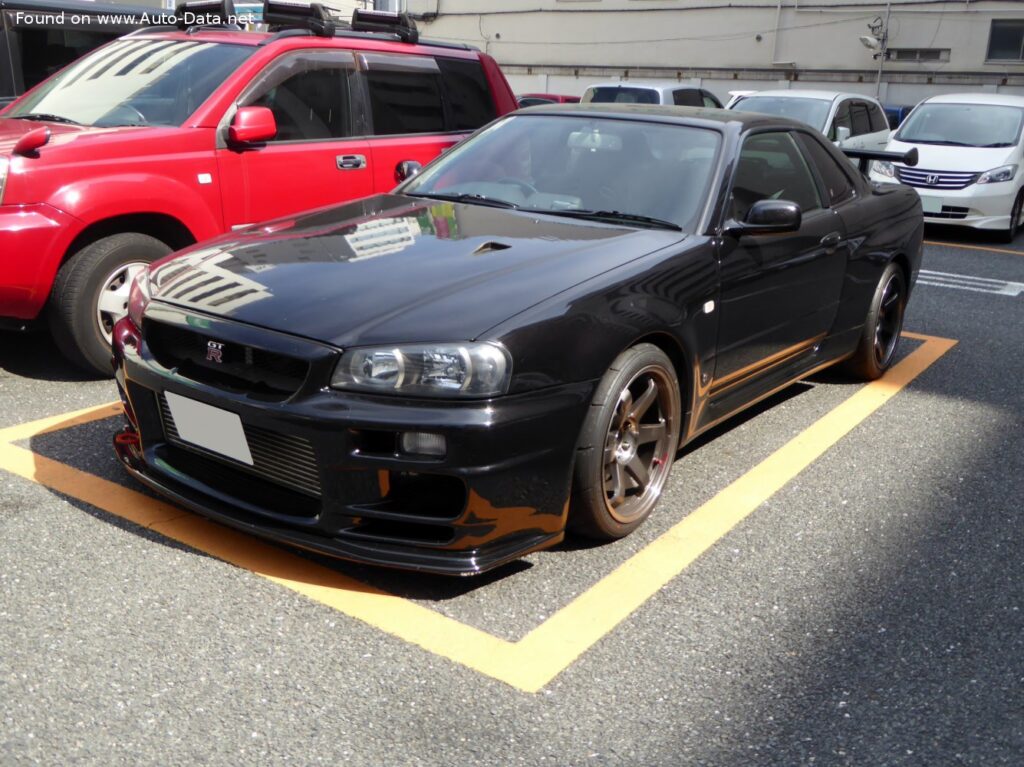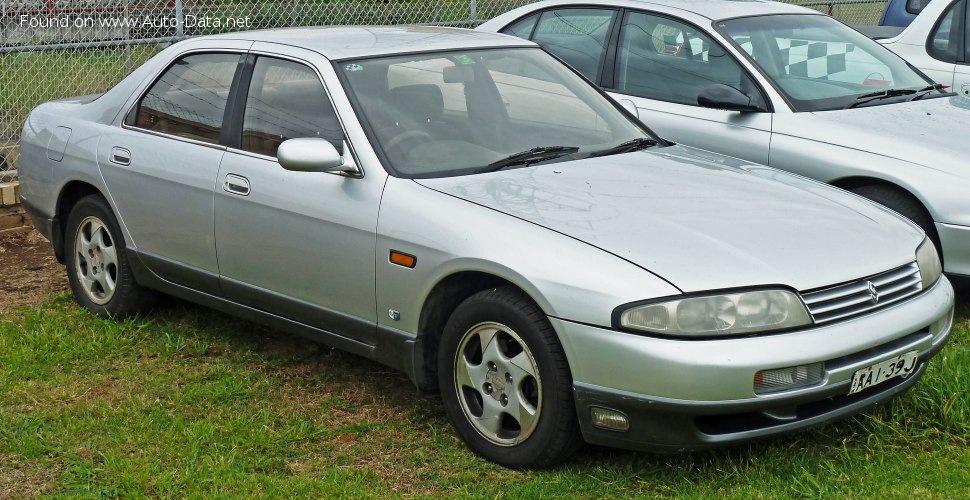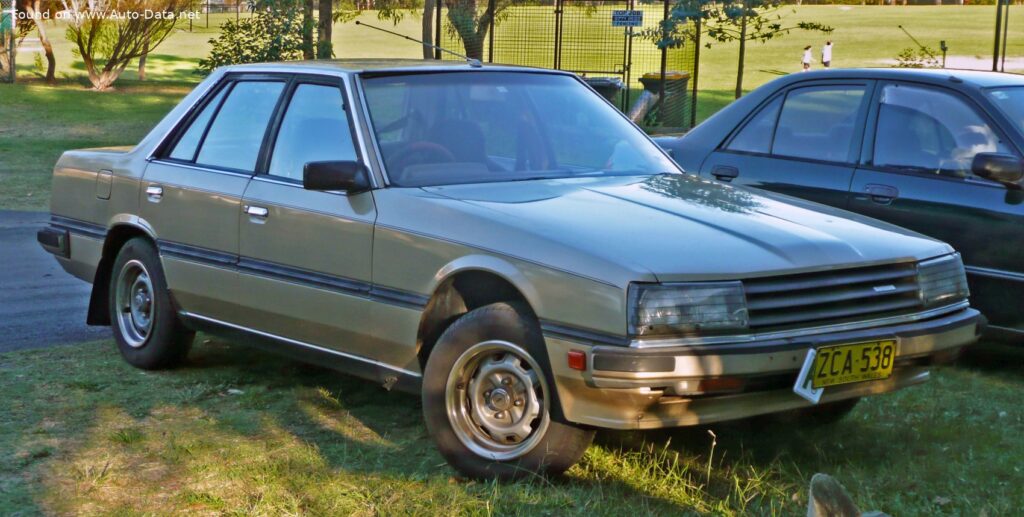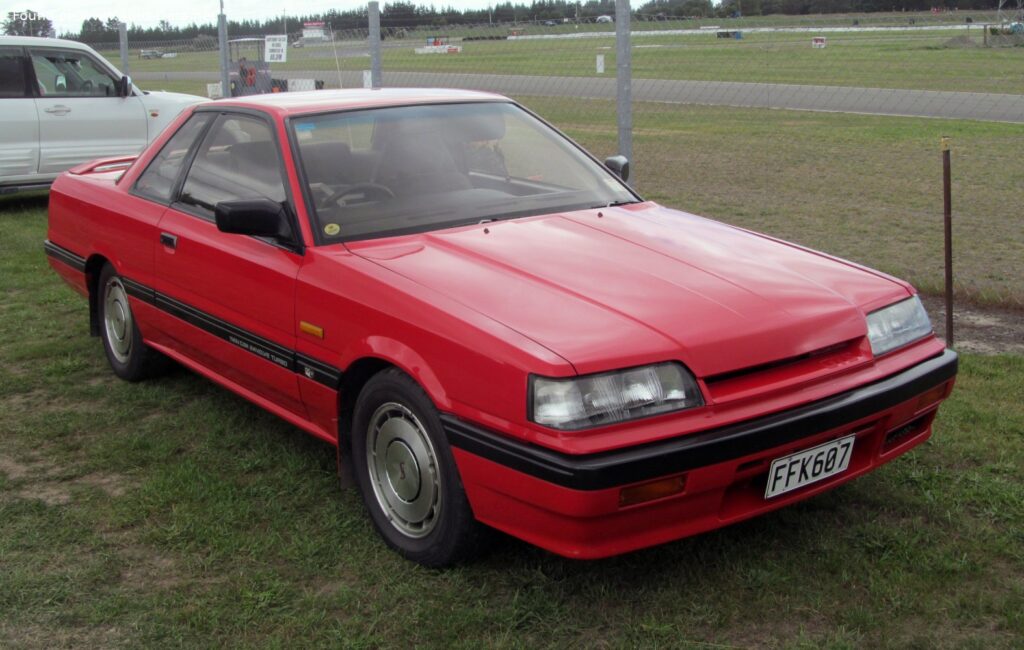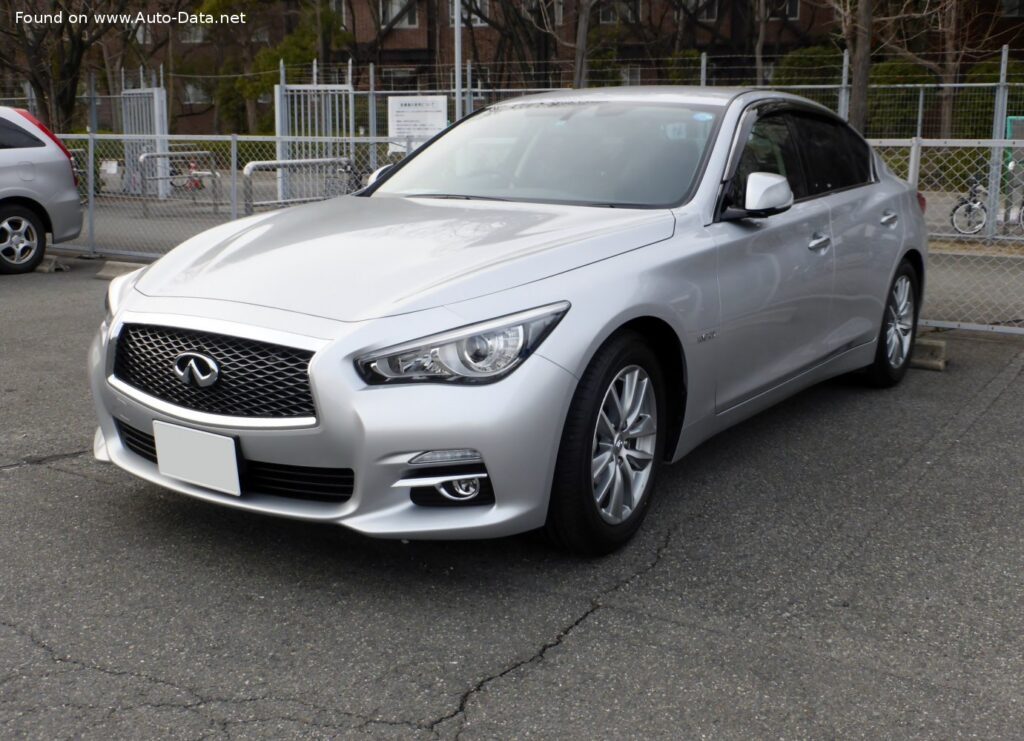
The Nissan Skyline XIII (HV37): A Hybrid Evolution of a Japanese Icon
The Nissan Skyline is a nameplate steeped in automotive history, particularly revered in its home market of Japan. For generations, it has epitomized a blend of performance, luxury, and technological innovation. The thirteenth generation, known internally as the HV37, represents a significant chapter in this storied lineage, particularly the 3.5 V6 (364 Hp) Hybrid 4WD Automatic variant. Launched in February 2014 and produced until 2017, this iteration marked a distinct shift towards advanced hybrid powertrain technology and a more refined, luxury-oriented positioning within the sport sedan segment. While primarily marketed as the Nissan Skyline in Japan, this model also served as the basis for the globally recognized Infiniti Q50, showcasing Nissan’s premium aspirations on an international stage. The HV37 generation, especially in its hybrid all-wheel-drive configuration, underscored Nissan’s commitment to both exhilarating performance and improved fuel efficiency, all within a sophisticated four-door sedan package.
Engine & Performance: The Power of Hybrid Synergy in the Nissan Skyline XIII (HV37)
At the heart of the Nissan Skyline XIII (HV37) 3.5 V6 Hybrid 4WD Automatic lies a sophisticated full hybrid electric vehicle (FHEV) powertrain. This system masterfully integrates Nissan’s renowned VQ35HR 3.5-liter V6 gasoline engine with an advanced electric motor, delivering a compelling combination of power and efficiency. The naturally aspirated VQ35HR engine, known for its smooth operation and robust output, contributes a substantial 306 horsepower at 6800 rpm and 258.15 lb.-ft. of torque at 5000 rpm. Its design features a front, longitudinal layout, a DOHC valvetrain, and multi-port manifold injection, ensuring responsive power delivery.
Complementing the gasoline engine is a potent electric motor, designated HM34, strategically placed between the combustion engine and the transmission. This electric motor provides an additional 68 horsepower between 1770-2000 rpm and an impressive 213.89 lb.-ft. of torque at 1770 rpm. The synergy of these two power sources results in a formidable total system output of 364 horsepower at 6500 rpm and a peak system torque of 420.41 lb.-ft. at 2000 rpm. This substantial torque figure, available at low RPMs thanks to the electric motor, provides immediate and strong acceleration, a hallmark of modern hybrid performance vehicles.
Power is channeled through a smooth-shifting 7-speed automatic transmission to an intelligent all-wheel-drive (4×4) system. This advanced drivetrain architecture allows the vehicle to operate in full electric mode, mixed hybrid mode, or engage the front wheels as needed through an electrically or mechanically controlled clutch, ensuring optimal traction and performance across various driving conditions. Despite its significant power, the HV37 hybrid achieves remarkable fuel economy for its class, rated at an impressive 39.9 US mpg combined, translating to 5.9 liters per 100 km. This efficiency is further supported by a 1.4 kWh lithium-ion battery, located behind the rear passenger cabin wall, which powers the electric motor and facilitates regenerative braking. The vehicle’s weight-to-power ratio of 5.1 kg/Hp (197.8 Hp/tonne) and weight-to-torque ratio of 3.2 kg/Nm (309.8 Nm/tonne) underscore its agile and potent character.
Design & Features: Sophistication Meets Functionality
The Nissan Skyline XIII (HV37) presents itself as a sleek and modern four-door sedan, embodying a sophisticated design language that balances athleticism with executive elegance. Measuring 188.58 inches in length, 71.65 inches in width, and 57.09 inches in height, with a substantial 112.2-inch wheelbase, the HV37 projects a strong, grounded stance. Its aerodynamic profile is highlighted by a low drag coefficient of 0.26, contributing to both its fuel efficiency and high-speed stability.
Inside, the cabin is designed to comfortably accommodate five occupants, offering a premium and driver-focused environment. While specific interior features are not detailed in the provided data, a vehicle of this caliber and era would typically include advanced infotainment systems, premium materials, and a comprehensive suite of convenience features. From a dynamic perspective, the HV37 features a double wishbone front suspension and an independent multi-link rear suspension, providing a refined ride quality and precise handling. The steering system utilizes rack and pinion, ensuring direct feedback to the driver. Braking performance is handled by ventilated discs at both the front and rear, complemented by an Anti-lock Braking System (ABS) for enhanced safety and control. The vehicle rides on 225/55 R17 tires mounted on 7.5J x 17 wheel rims, a practical choice that offers a good balance of comfort and grip.
Safety for a modern vehicle like the HV37 would extend beyond ABS to include a robust chassis, multiple airbags, stability control, and potentially driver-assistance features common in premium sedans of the mid-2010s. The focus on a refined driving experience, coupled with the efficiency of its hybrid powertrain, makes the HV37 a compelling choice for those seeking a sophisticated and environmentally conscious sport sedan.
Technical Specifications: Nissan Skyline XIII (HV37) 3.5 V6 (364 Hp) Hybrid 4WD Automatic
| Category | Specification | Value |
|---|---|---|
| General Information | ||
| Brand | Nissan | |
| Model | Skyline | |
| Generation | Skyline XIII (HV37) | |
| Type (Engine) | 3.5 V6 (364 Hp) Hybrid 4WD Automatic | |
| Start of Production | February, 2014 | |
| End of Production | 2017 | |
| Powertrain Architecture | FHEV (Full Hybrid Electric Vehicle) | |
| Body Type | Sedan | |
| Seats | 5 | |
| Doors | 4 | |
| Performance Specs | ||
| Fuel Consumption (Combined) | 39.9 US mpg (5.9 l/100 km) | |
| Fuel Type | Petrol (Gasoline) | |
| Weight-to-Power Ratio | 5.1 kg/Hp (197.8 Hp/tonne) | |
| Weight-to-Torque Ratio | 3.2 kg/Nm (309.8 Nm/tonne) | |
| Electric Cars and Hybrids Specs | ||
| Gross Battery Capacity | 1.4 kWh | |
| Battery Technology | Lithium-ion (Li-Ion) | |
| Battery Location | Behind the back wall of the passenger cabin | |
| Electric Motor Power | 68 Hp @ 1770-2000 rpm | |
| Electric Motor Torque | 213.89 lb.-ft. @ 1770 rpm (290 Nm) | |
| Electric Motor Model/Code | HM34 | |
| Electric Motor Location | Between the combustion engine and the transmission | |
| System Power | 364 Hp @ 6500 rpm | |
| System Torque | 420.41 lb.-ft. @ 2000 rpm (570 Nm) | |
| Internal Combustion Engine Specs | ||
| Power | 306 Hp @ 6800 rpm | |
| Power per Liter | 87.5 Hp/l | |
| Torque | 258.15 lb.-ft. @ 5000 rpm (350 Nm) | |
| Engine Layout | Front, Longitudinal | |
| Engine Model/Code | VQ35HR | |
| Engine Displacement | 3.5 liters (3498 cm3 / 213.46 cu. in.) | |
| Number of Cylinders | 6 | |
| Engine Configuration | V-engine | |
| Cylinder Bore | 3.76 in. (95.5 mm) | |
| Piston Stroke | 3.2 in. (81.4 mm) | |
| Compression Ratio | 10.6:1 | |
| Number of Valves per Cylinder | 4 | |
| Fuel Injection System | Multi-port manifold injection | |
| Engine Aspiration | Naturally aspirated engine | |
| Valvetrain | DOHC | |
| Engine Oil Capacity | 5.18 US qt (4.9 l) | |
| Coolant Capacity | 10.88 US qt (10.3 l) | |
| Space, Volume and Weights | ||
| Curb Weight | 4056.51 lbs. (1840 kg) | |
| Max. Weight | 4662.78 lbs. (2115 kg) | |
| Max Load | 606.27 lbs. (275 kg) | |
| Fuel Tank Capacity | 19.81 US gal (75 l) | |
| Dimensions | ||
| Length | 188.58 in. (4790 mm) | |
| Width | 71.65 in. (1820 mm) | |
| Height | 57.09 in. (1450 mm) | |
| Wheelbase | 112.2 in. (2850 mm) | |
| Front Track | 60.83 in. (1545 mm) | |
| Rear (Back) Track | 61.81 in. (1570 mm) | |
| Ride Height (Ground Clearance) | 4.72 in. (120 mm) | |
| Drag Coefficient (Cd) | 0.26 | |
| Minimum Turning Circle | 37.4 ft. (11.4 m) | |
| Drivetrain, Brakes and Suspension Specs | ||
| Drivetrain Architecture | The Internal Combustion Engine (ICE) and the electric motor permanently drive the rear wheels of the vehicle, capable of running in full electric or mixed mode, and if necessary through the electrically or mechanically controlled clutch, the front wheels are driven. | |
| Drive Wheel | All-wheel drive (4×4) | |
| Number of Gears and Type of Gearbox | 7 gears, automatic transmission | |
| Front Suspension | Double wishbone | |
| Rear Suspension | Independent multi-link suspension | |
| Front Brakes | Ventilated discs | |
| Rear Brakes | Ventilated discs | |
| Assisting Systems | ABS (Anti-lock braking system) | |
| Steering Type | Steering rack and pinion | |
| Tire Size | 225/55 R17 | |
| Wheel Rims Size | 7.5J x 17 | |
Legacy & Market Impact of the Nissan Skyline XIII (HV37)
The Nissan Skyline XIII (HV37) 3.5 V6 Hybrid 4WD Automatic holds a unique position in Nissan’s history and the broader automotive landscape. In Japan, the Skyline name carries immense cultural weight, often associated with high-performance coupes and sedans. The HV37 generation, while offering impressive performance, also marked a pivot towards a more luxurious and technologically advanced identity, particularly with the introduction of its sophisticated hybrid powertrain. This move reflected evolving market demands for greater fuel efficiency and reduced emissions, even in the premium segment, without sacrificing the exhilarating driving experience expected from a Skyline.
Globally, the HV37 was more widely recognized as the Infiniti Q50, serving as Infiniti’s entry into the competitive luxury sport sedan market. This dual branding strategy allowed Nissan to cater to the traditional Skyline enthusiast in Japan while simultaneously expanding its premium brand’s footprint internationally. In the American market, the Infiniti Q50 Hybrid, sharing the HV37’s core powertrain, competed directly with established luxury hybrid sedans such as the Lexus ES Hybrid, BMW 3 Series Hybrid (F30 ActiveHybrid 3), and Mercedes-Benz C-Class Hybrid. Its distinct advantage was often its potent combination of V6 power and electric assist, delivering performance figures that often surpassed its European and domestic rivals, while still offering competitive fuel economy.
The HV37’s legacy is defined by its pioneering use of a high-performance hybrid system within a mainstream luxury sedan, a testament to Nissan’s engineering prowess. It demonstrated that a hybrid could be both powerful and efficient, challenging the perception that hybrids were solely for economy-focused vehicles. Its advanced all-wheel-drive system further enhanced its appeal, providing confident handling in diverse conditions. While the Skyline name itself continued to evoke a sense of performance heritage in Japan, the HV37, particularly in its hybrid 4WD form, solidified its role as a forward-thinking, technologically advanced luxury sport sedan, setting a benchmark for future hybrid offerings from Nissan and Infiniti. It proved that the legendary Skyline could evolve, embracing new technologies while retaining its fundamental appeal to drivers who demand both excitement and refinement.