The Nissan Stagea 2.5 4X4 (190 Hp): Japan’s Performance Wagon
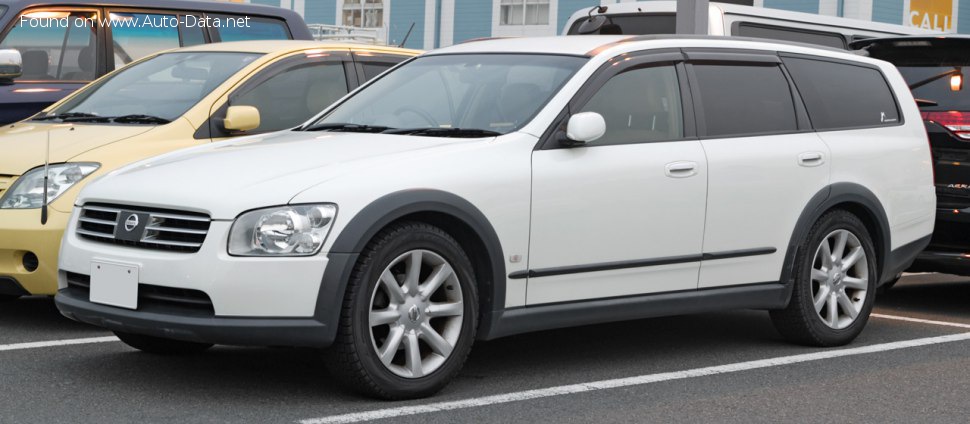
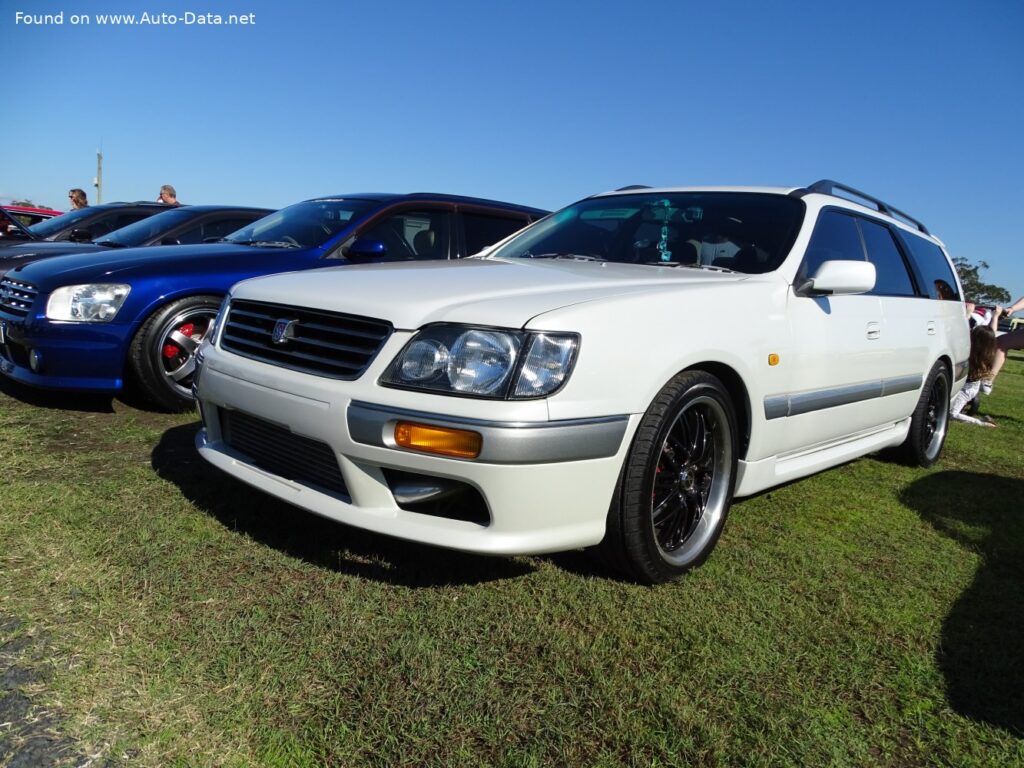
The Nissan Stagea, specifically the first-generation model produced from 1996 to 2001, stands as a distinctive and highly regarded vehicle in the Japanese domestic market (JDM). Often dubbed the “Skyline wagon” due to its shared platform and powertrain components with the legendary Nissan Skyline R33 and R34, the Nissan Stagea 2.5 4X4 (190 Hp) represented Nissan’s foray into the performance station wagon segment. Launched in October 1996, the Stagea was designed to offer a unique blend of practicality, comfort, and sporting prowess, a combination not typically found in conventional family haulers. It catered to a segment of buyers who desired the utility of a wagon but refused to compromise on driving excitement. While never officially imported to the United States, the Stagea has garnered a significant cult following among enthusiasts worldwide, particularly those appreciative of its robust engineering and tuning potential, solidifying its place as a quintessential JDM icon.
Engine & Performance of the Nissan Stagea
At the heart of the Nissan Stagea 2.5 4X4 (190 Hp) lies a naturally aspirated variant of Nissan’s revered RB-series engine. This particular model is equipped with the RB25DE, a 2.5-liter (2499 cm3 or 152.5 cu. in.) inline-six powerplant. This engine configuration is celebrated for its inherent balance, smooth operation, and durability, traits that have made the RB series a cornerstone of Nissan’s performance heritage. Featuring a Double Overhead Camshaft (DOHC) valvetrain with four valves per cylinder, the RB25DE was designed for efficient breathing and responsive power delivery.
The engine produces a respectable 190 horsepower at 6400 rpm, providing ample motivation for the wagon. Torque output stands at 169.64 lb.-ft. (230 Nm) at 4800 rpm, ensuring a broad power band suitable for both relaxed cruising and spirited driving. The engine’s layout is front-mounted and longitudinal, a classic performance car setup that contributes to better weight distribution and allows for more sophisticated drivetrain solutions. With a compression ratio of 10:1 and a multi-port manifold injection system, the RB25DE delivers a power per liter rating of 76 Hp/l, showcasing its efficient design for a naturally aspirated engine of its era.
Power is channeled through a robust 4-speed automatic transmission, which, while not as advanced as modern multi-speed units, was a common and reliable choice for performance vehicles of the mid-to-late 1990s. The defining characteristic of this particular Stagea variant is its full-time all-wheel-drive (4×4) system. This advanced system, often featuring Nissan’s renowned ATTESA E-TS (Advanced Total Traction Engineering System for All-Terrain with Electronic Torque Split) found in the Skyline GT-R, provided superior traction and handling stability in various driving conditions. This combination of a potent inline-six engine, an automatic transmission, and an intelligent all-wheel-drive system allowed the Stagea 2.5 4X4 to achieve a top speed of 130.49 mph (210 km/h), making it a surprisingly quick and capable wagon. Fuel economy, while not its primary selling point, was rated at an estimated 15.7 US mpg in urban driving and 26.1 US mpg on the highway, reflecting the balance between performance and practicality.
Design & Features
The Nissan Stagea’s design philosophy aimed to combine the practicality of a station wagon with the dynamic styling cues often associated with Nissan’s performance coupes and sedans. The first-generation Stagea, with its five-door, five-seat station wagon body, presented a sleek and somewhat understated profile, yet possessed an undeniable athletic stance. Its overall length of 188.98 inches (4800 mm), width of 69.09 inches (1755 mm), and height of 58.66 inches (1490 mm) provided generous interior space for passengers and cargo, making it a highly versatile vehicle for families or those requiring substantial hauling capacity.
The exterior styling featured clean lines and a purposeful look, with a design that was often compared to contemporary European performance wagons. The long wheelbase of 108.66 inches (2760 mm) contributed to a stable ride and ample legroom. The front track measured 57.48 inches (1460 mm) and the rear track 59.65 inches (1515 mm), providing a wide and confident road presence. Standard tires were sized 205/60 R15, offering a good balance of grip and ride comfort for everyday driving.
Inside, the Stagea offered a comfortable and well-appointed cabin, typical of Nissan’s offerings in the mid-90s. While specific luxury features varied by trim, the general focus was on ergonomics and functionality. For safety, the Stagea was equipped with an Anti-lock Braking System (ABS), a crucial feature for improving braking control, especially in adverse conditions. The braking system utilized ventilated discs at the front and solid discs at the rear, providing strong and consistent stopping power. The suspension system comprised coil springs at both the front and rear, tuned to provide a comfortable ride without sacrificing too much of the car’s sporting character. Steering was handled by a rack and pinion system with hydraulic power steering, offering direct feedback and ease of maneuverability, a hallmark of driver-focused vehicles.
Technical Specifications: Nissan Stagea 2.5 4X4 (190 Hp)
| Category | Specification |
|---|---|
| General Information | |
| Brand | Nissan |
| Model | Stagea |
| Generation | Stagea (First Generation) |
| Type (Engine) | 2.5 4X4 (190 Hp) |
| Start of Production | 1996 year |
| End of Production | 2001 year |
| Powertrain Architecture | Internal Combustion Engine |
| Body Type | Station Wagon (Estate) |
| Seats | 5 |
| Doors | 5 |
| Performance Specs | |
| Fuel Consumption (City) | 15.7 US mpg (15 l/100 km) |
| Fuel Consumption (Highway) | 26.1 US mpg (9 l/100 km) |
| Fuel Consumption (Combined) | 15.7 US mpg (15 l/100 km) |
| Fuel Type | Petrol (Gasoline) |
| Maximum Speed | 130.49 mph (210 km/h) |
| Weight-to-Power Ratio | 8.4 kg/Hp, 119.5 Hp/tonne |
| Weight-to-Torque Ratio | 6.9 kg/Nm, 144.7 Nm/tonne |
| Engine Specs | |
| Power | 190 Hp @ 6400 rpm |
| Power per Liter | 76 Hp/l |
| Torque | 169.64 lb.-ft. (230 Nm) @ 4800 rpm |
| Engine Layout | Front, Longitudinal |
| Engine Displacement | 2.5 Liters (2499 cm3 / 152.5 cu. in.) |
| Number of Cylinders | 6 |
| Engine Configuration | Inline |
| Cylinder Bore | 3.39 in. (86 mm) |
| Piston Stroke | 2.82 in. (71.7 mm) |
| Compression Ratio | 10:1 |
| Number of Valves per Cylinder | 4 |
| Fuel Injection System | Multi-port Manifold Injection |
| Engine Aspiration | Naturally Aspirated Engine |
| Valvetrain | DOHC |
| Space, Volume and Weights | |
| Kerb Weight | 3505.35 lbs (1590 kg) |
| Fuel Tank Capacity | 17.96 US gal (68 l) |
| Dimensions | |
| Length | 188.98 in. (4800 mm) |
| Width | 69.09 in. (1755 mm) |
| Height | 58.66 in. (1490 mm) |
| Wheelbase | 108.66 in. (2760 mm) |
| Front Track | 57.48 in. (1460 mm) |
| Rear (Back) Track | 59.65 in. (1515 mm) |
| Drivetrain, Brakes and Suspension Specs | |
| Drive Wheel | All-Wheel Drive (4×4) |
| Number of Gears and Gearbox Type | 4 gears, Automatic Transmission |
| Front Suspension | Coil Spring |
| Rear Suspension | Coil Spring |
| Front Brakes | Ventilated Discs |
| Rear Brakes | Disc |
| Assisting Systems | ABS (Anti-lock Braking System) |
| Steering Type | Steering Rack and Pinion |
| Power Steering | Hydraulic Steering |
| Tires Size | 205/60 R15 |
Legacy & Market Impact of the Nissan Stagea
The Nissan Stagea carved out a distinctive niche in the Japanese automotive landscape, offering a compelling alternative to more conventional sedans and SUVs. Its primary market was Japan, where it competed with other domestic performance wagons like the Subaru Legacy Touring Wagon and, to a lesser extent, imported European offerings such as the Audi A4 Avant or BMW 3-Series Touring. What set the Stagea apart was its direct lineage to the Skyline, giving it an immediate advantage in terms of performance credibility and enthusiast appeal.
The first-generation Nissan Stagea 2.5 4X4 (190 Hp), with its robust RB25DE engine and advanced all-wheel-drive system, quickly gained a reputation as a “sleeper” car – a practical wagon capable of surprising performance. This reputation was further enhanced by the availability of more powerful turbocharged variants (like the RB25DET, and later the RB26DETT in the Autech 260RS model), which cemented the Stagea’s status as a highly tunable and desirable platform for performance modifications. Enthusiasts appreciated its strong chassis, capable drivetrain, and the sheer potential of the RB engine, leading to a vibrant aftermarket scene.
Although never officially sold in the United States, the Stagea has become a sought-after import, particularly as it reaches the 25-year import eligibility mark under federal regulations. Its unique blend of family-friendly utility and genuine sports car DNA resonates deeply with those who appreciate JDM culture and engineering excellence. The Stagea’s influence can be seen in its contribution to Nissan’s image as a manufacturer capable of producing diverse vehicles that cater to both practicality and performance. It demonstrated that a station wagon could be much more than just a utilitarian vehicle, successfully blending the mundane with the exhilarating. Its enduring appeal lies in its rarity outside Japan and its ability to deliver a driving experience that is both engaging and distinctively Nissan, making it a beloved classic among JDM aficionados today.