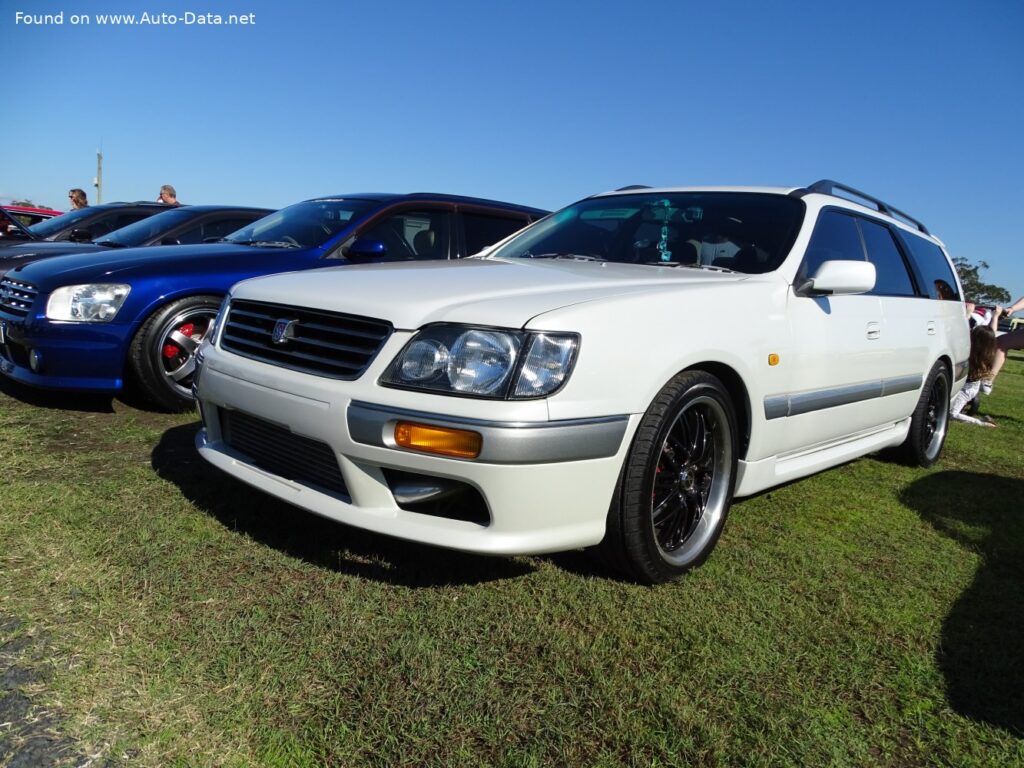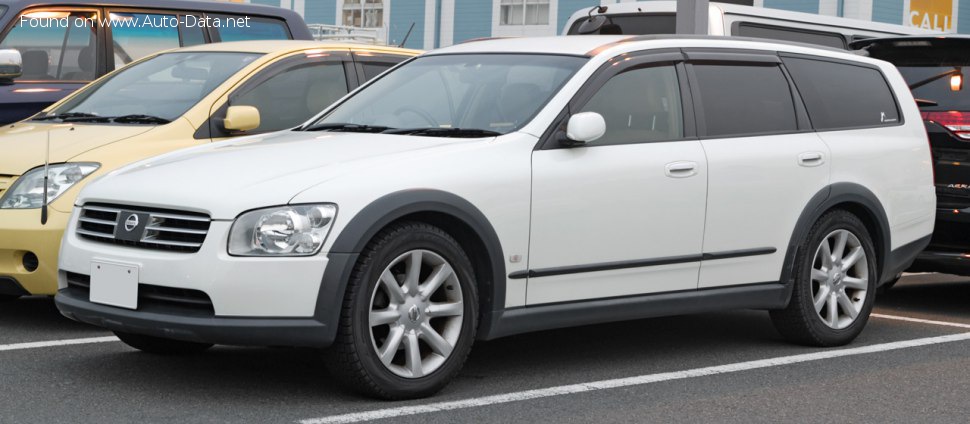
The Nissan Stagea II (M35): A JDM Performance Wagon Icon
The Nissan Stagea II, specifically the M35 generation produced from 2001 to 2007, represents a unique and highly regarded chapter in the history of Japanese Domestic Market (JDM) performance vehicles. As a five-door station wagon, the Stagea M35 carved out a distinct niche, blending the practicality of an estate car with the spirited performance DNA derived from Nissan’s renowned Skyline platform. While never officially sold in the United States, the Stagea II (M35) has garnered a cult following among enthusiasts worldwide, particularly those who appreciate its potent powertrain options and versatile design. This article focuses on the formidable 2.5 V6 24V variant, which boasted an impressive 280 horsepower, making it a true sleeper in its segment.
Engine & Performance of the Nissan Stagea II (M35) 2.5 V6 24V (280 Hp)
At the heart of this particular Nissan Stagea II (M35) lies a potent 2.5-liter V6 engine, featuring a 24-valve, DOHC (Double Overhead Camshaft) valvetrain. This sophisticated powertrain is configured longitudinally at the front of the vehicle, driving the rear wheels, a layout favored by performance enthusiasts for its balanced dynamics. The engine’s true character, however, is unleashed by its turbocharger and intercooler system, which contribute significantly to its impressive output figures.
The 2.5-liter V6 engine delivers a robust 280 horsepower at 6400 rpm, a figure that placed it at the top of its class for a wagon of its era. Torque is equally impressive, peaking at 300.19 lb.-ft. at a relatively low 3200 rpm, ensuring strong acceleration and effortless cruising. This combination of power and torque results in a weight-to-power ratio of approximately 6 kg per horsepower (or 166.7 horsepower per ton), indicating its serious performance capabilities. The car is capable of reaching a maximum speed of 149.13 miles per hour, an exceptional velocity for a family-oriented station wagon.
Fuel is delivered via a multi-port manifold injection system, utilizing gasoline. Despite its performance focus, the engine maintains a compression ratio of 8.5:1. Power is managed by a durable 4-speed automatic transmission, which, while not as advanced as modern multi-gear units, was well-matched to the engine’s torque curve, providing smooth shifts and reliable performance. Fuel economy figures, converted to US standards, are approximately 13.8 US miles per gallon in urban driving conditions and 23.5 US miles per gallon on the highway, reflecting the demands of a turbocharged performance engine.
Design & Features
The Nissan Stagea II (M35) adopted a more refined and contemporary design compared to its boxier predecessor. As a five-door station wagon, it offered a blend of sleek aesthetics and considerable practicality. Its overall length measures 187.6 inches, with a width of 69.29 inches and a height of 59.45 inches. A generous wheelbase of 112.2 inches contributes to a stable ride and ample interior space.
The exterior styling, while distinct from the V35 Skyline (Infiniti G35 in the US) with which it shared its platform, carried a modern and somewhat understated sporty appeal. The wide stance, characterized by a front and rear track of 59.45 inches, gave the Stagea a planted look. The vehicle rode on 215/55 R17 tires, providing a balance of grip and ride comfort.
Inside, the Stagea II (M35) was designed to accommodate five occupants comfortably. The station wagon body type inherently offered excellent cargo versatility, with a minimum trunk space of 17.66 cubic feet. This could be expanded significantly by folding down the rear seats, making it a highly practical vehicle for families or those requiring substantial hauling capacity. For its era, the Stagea came equipped with essential safety and driving aids, including an Anti-lock Braking System (ABS). The steering system featured a rack and pinion setup with hydraulic power steering, providing direct feedback and ease of maneuverability. The suspension system utilized coil springs at both the front and rear, tuned to provide a comfortable yet capable ride. Braking performance was ensured by ventilated discs at the front and solid discs at the rear.
Technical Specifications: Nissan Stagea II (M35) 2.5 V6 24V (280 Hp)
| Category | Specification |
|---|---|
| Brand | Nissan |
| Model | Stagea |
| Generation | Stagea II (M35) |
| Engine Type | 2.5 V6 24V (280 Hp) |
| Production Start | 2001 |
| Production End | 2007 |
| Body Type | Station wagon (estate) |
| Seats | 5 |
| Doors | 5 |
| Performance | |
| Fuel Consumption (Urban) | 13.8 US mpg |
| Fuel Consumption (Extra Urban) | 23.5 US mpg |
| Fuel Type | Petrol (Gasoline) |
| Maximum Speed | 149.13 mph |
| Weight-to-Power Ratio | 6 kg/Hp (166.7 Hp/tonne) |
| Weight-to-Torque Ratio | 4.1 kg/Nm (242.3 Nm/tonne) |
| Engine Specs | |
| Power | 280 Hp @ 6400 rpm |
| Power per Liter | 112.2 Hp/l |
| Torque | 300.19 lb.-ft. @ 3200 rpm |
| Engine Layout | Front, Longitudinal |
| Engine Displacement | 2495 cm³ (2.5 liters / 152.25 cu. in.) |
| Number of Cylinders | 6 |
| Engine Configuration | V-engine |
| Cylinder Bore | 3.35 in. (85 mm) |
| Piston Stroke | 2.89 in. (73.3 mm) |
| Compression Ratio | 8.5:1 |
| Valves per Cylinder | 4 |
| Fuel Injection System | Multi-port manifold injection |
| Engine Aspiration | Turbocharger, Intercooler |
| Valvetrain | DOHC |
| Dimensions & Weight | |
| Kerb Weight | 3703.77 lbs. (1680 kg) |
| Trunk (Boot) Space – Minimum | 17.66 cu. ft. (500 l) |
| Fuel Tank Capacity | 21.13 US gal (80 l) |
| Length | 187.6 in. (4765 mm) |
| Width | 69.29 in. (1760 mm) |
| Height | 59.45 in. (1510 mm) |
| Wheelbase | 112.2 in. (2850 mm) |
| Front Track | 59.45 in. (1510 mm) |
| Rear Track | 59.45 in. (1510 mm) |
| Drivetrain, Brakes & Suspension | |
| Drivetrain Architecture | Internal combustion engine (ICE) drives the rear wheels |
| Drive Wheel | Rear wheel drive |
| Gearbox | 4 gears, automatic transmission |
| Front Suspension | Coil spring |
| Rear Suspension | Coil spring |
| Front Brakes | Ventilated discs |
| Rear Brakes | Disc |
| Assisting Systems | ABS (Anti-lock braking system) |
| Steering Type | Steering rack and pinion |
| Power Steering | Hydraulic Steering |
| Tires Size | 215/55 R17 |
Legacy & Market Impact
The Nissan Stagea II (M35) holds a significant place in the JDM landscape, particularly for its unique blend of utility and performance. In its primary market of Japan, it competed against other sporty wagons like the Subaru Legacy GT-B and the Toyota Caldina GT-Four, offering a distinct rear-wheel-drive (or optional all-wheel-drive) alternative. Its platform sharing with the V35 Nissan Skyline (which became the Infiniti G35 in the US) earned it the moniker of “Skyline wagon,” a title that bolstered its appeal among enthusiasts seeking Skyline performance with added practicality.
The 2.5 V6 24V (280 Hp) variant, in particular, was revered for its strong, turbocharged engine, which provided exhilarating acceleration and a rewarding driving experience. This made it a popular choice for those who needed a family vehicle during the week but desired a capable performance car for weekend spirited driving or light track use. The Stagea’s understated styling, combined with its potent powertrain, cemented its reputation as a true “sleeper” – a car that could surprise many sportier-looking vehicles.
Post-production, the Nissan Stagea II (M35) has seen a resurgence in popularity in various international markets, including the United States, as it reaches the 25-year import eligibility mark. Its robust VQ-series engine, known for its tuning potential, and the availability of aftermarket parts have made it a favorite among tuners and customizers. The car’s strong aftermarket support allows owners to further enhance its performance, handling, and aesthetics, transforming it into an even more formidable machine. The Stagea remains a testament to Nissan’s engineering prowess, offering a compelling package of performance, practicality, and unique JDM heritage that continues to captivate automotive enthusiasts around the globe.