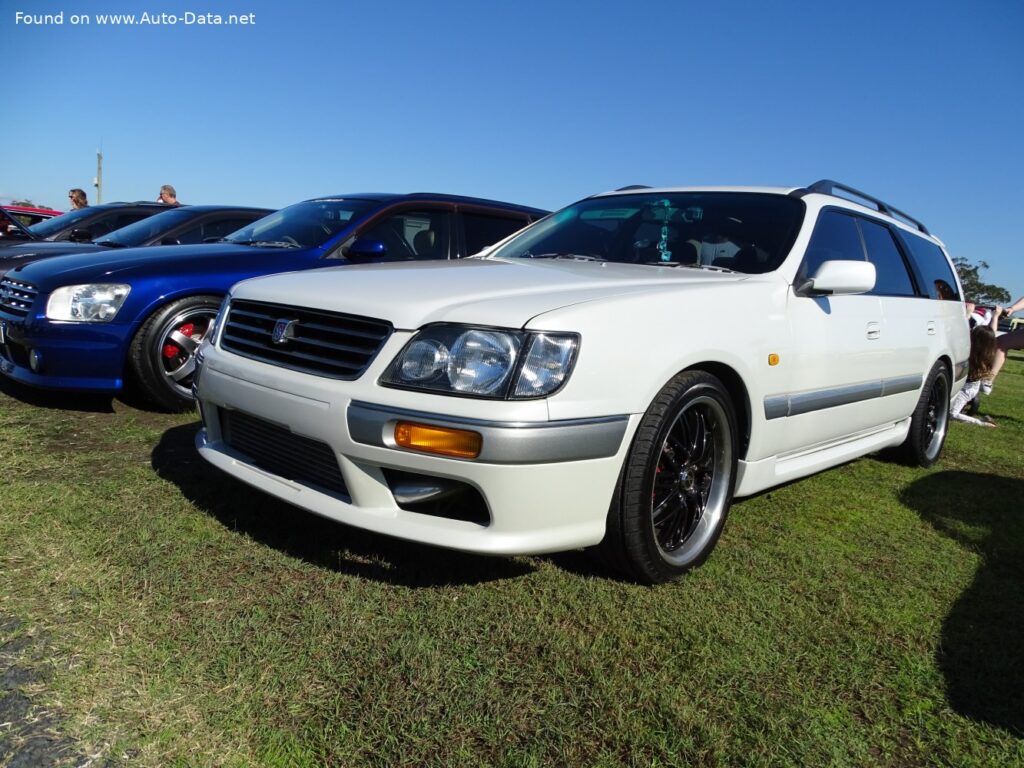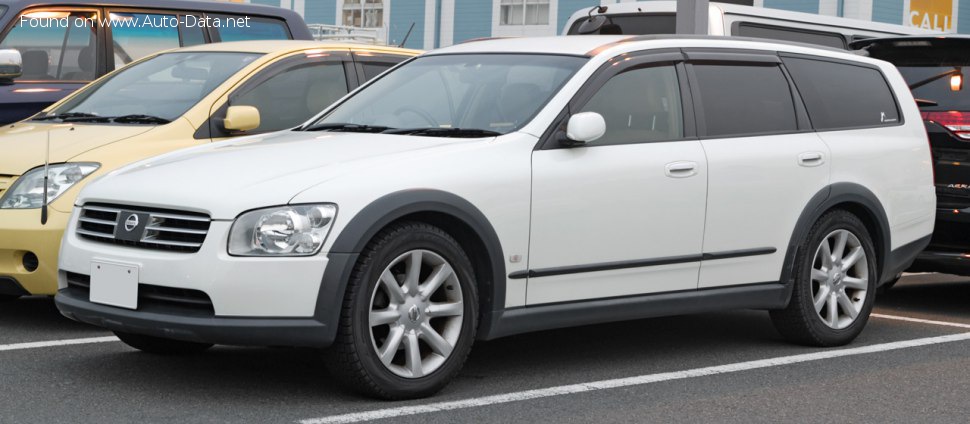
The Nissan Stagea II (M35): A Grand Touring Wagon for the JDM Enthusiast
The Nissan Stagea II, specifically the M35 generation, represents a unique and compelling chapter in Nissan’s history, particularly within the Japanese domestic market (JDM). Launched in 2001 and produced until 2007, the M35 Stagea evolved from its R34 Skyline-based predecessor, embracing a more modern V35 Skyline (Infiniti G35 in North America) platform. This shift marked a departure from the traditional inline-six engine layout, moving to Nissan’s acclaimed VQ series V6 engines. The particular variant under scrutiny, the Nissan Stagea II (M35) 2.5 V6 24V AR-X Four (280 Hp), stood out as a high-performance, all-wheel-drive station wagon, blending executive comfort with sports car capability. While never officially sold in the United States, the M35 Stagea carved a niche in Japan as a sophisticated and powerful family hauler, often affectionately dubbed the “Skyline wagon” due to its shared underpinnings and performance aspirations. Its combination of a potent turbocharged V6, advanced all-wheel-drive system, and practical station wagon body style made it a desirable option for those seeking versatility without compromising on driving excitement.
Engine and Performance: The Heart of the Nissan Stagea II (M35)
At the core of the Nissan Stagea II (M35) 2.5 V6 24V AR-X Four (280 Hp) lies a formidable powertrain, engineered to deliver both spirited performance and refined operation. This specific model is equipped with a 2.5-liter (2495 cm3 or 152.25 cubic inches) V6 engine, designated as the VQ25DET. Unlike its naturally aspirated siblings, this powerplant benefits from a turbocharger and intercooler setup, significantly boosting its output. The engine produces a robust 280 horsepower at 6400 rpm, a figure that was often a gentleman’s agreement limit for Japanese domestic market performance cars of the era. Torque delivery is equally impressive, peaking at a substantial 300.19 lb-ft (407 Nm) at a relatively low 3200 rpm, ensuring strong acceleration from virtually any speed.
The VQ25DET engine features a front, longitudinal layout and a DOHC (Double Overhead Camshaft) valvetrain with 4 valves per cylinder, optimizing airflow and combustion efficiency. Its bore and stroke dimensions of 3.35 inches (85 mm) and 2.89 inches (73.3 mm), respectively, contribute to its responsive nature. Fuel is delivered via a multi-port manifold injection system, precisely controlled to achieve both power and efficiency. Despite its performance orientation, the engine maintains a compression ratio of 8.5:1, typical for a turbocharged setup to manage boost pressures effectively.
Power is channeled through a sophisticated all-wheel-drive (4×4) system, ensuring excellent traction and stability, particularly when deploying the engine’s full capabilities. This is paired with a smooth-shifting 5-speed automatic transmission, designed to provide a balance of comfortable cruising and responsive acceleration. The vehicle’s top speed is rated at 149.13 mph (240 km/h), a testament to its performance credentials. With a weight-to-power ratio of 6.1 kg/Hp (approximately 13.45 lbs/Hp) and a weight-to-torque ratio of 4.2 kg/Nm (approximately 9.26 lbs/Nm), the Stagea AR-X Four offers a compelling power-to-weight balance for a vehicle of its size and utility. While fuel economy figures of 13.8 US mpg in urban settings and 23.5 US mpg on the highway might seem modest by contemporary standards, they were respectable for a turbocharged AWD wagon of its era and performance caliber.
Design and Features: Practicality Meets Sportiness
The M35 generation Nissan Stagea II (M35) adopted a more curvaceous and contemporary design compared to its boxier predecessor, aligning with Nissan’s new design language introduced with the V35 Skyline. As a station wagon (often referred to as an “estate” in other markets), it masterfully combined the practicality of a five-door, five-seat configuration with a sleek, athletic stance. The overall length of 188.98 inches (4800 mm), width of 70.47 inches (1790 mm), and height of 61.02 inches (1550 mm) gave it a substantial road presence, yet its proportions remained balanced and appealing. The long wheelbase of 112.2 inches (2850 mm) contributed to a spacious interior and a stable ride.
The “AR-X Four” trim level typically suggested a more rugged or adventure-oriented aesthetic, often featuring revised bumpers, side skirts, and perhaps slightly increased ride height, though the core design remained sporty. The exterior was complemented by 17-inch wheels shod with 215/55 R17 tires, providing a good balance of grip and ride comfort.
Inside, the Stagea II (M35) offered a comfortable and well-appointed cabin. While specific interior features varied by trim, the AR-X Four would likely have included premium cloth or leather upholstery, automatic climate control, and a comprehensive audio system. The focus remained on driver and passenger comfort, with thoughtful storage solutions and ergonomic controls. A key aspect of its design was its practicality: the trunk space provided a generous 17.66 cubic feet (500 liters) of cargo volume, making it highly capable for family trips or hauling gear.
Safety features for the era included an Anti-lock Braking System (ABS), enhancing braking control under challenging conditions. The vehicle employed ventilated discs for the front brakes and standard discs for the rear, ensuring strong stopping power. The suspension system, featuring coil springs at both the front and rear, was tuned to provide a compliant ride while maintaining dynamic handling characteristics, a crucial balance for a performance wagon. Steering was handled by a hydraulic rack and pinion system, offering direct feedback and a connected driving experience.
Technical Specifications
| Category | Specification |
|---|---|
| Brand | Nissan |
| Model | Stagea |
| Generation | Stagea II (M35) |
| Type (Engine) | 2.5 V6 24V AR-X Four (280 Hp) |
| Production Start | 2001 |
| Production End | 2007 |
| Powertrain Architecture | Internal Combustion Engine |
| Body Type | Station Wagon (Estate) |
| Seats | 5 |
| Doors | 5 |
| Performance Specs | |
| Fuel Consumption (City) | 13.8 US mpg |
| Fuel Consumption (Highway) | 23.5 US mpg |
| Fuel Type | Petrol (Gasoline) |
| Maximum Speed | 149.13 mph (240 km/h) |
| Weight-to-Power Ratio | 6.1 kg/Hp (13.45 lbs/Hp) |
| Weight-to-Torque Ratio | 4.2 kg/Nm (9.26 lbs/Nm) |
| Engine Specs | |
| Power | 280 Hp @ 6400 rpm |
| Power per Liter | 112.2 Hp/l |
| Torque | 300.19 lb-ft (407 Nm) @ 3200 rpm |
| Engine Layout | Front, Longitudinal |
| Engine Displacement | 2.5 liters (2495 cm3 / 152.25 cu. in.) |
| Number of Cylinders | 6 |
| Engine Configuration | V-engine |
| Cylinder Bore | 3.35 in. (85 mm) |
| Piston Stroke | 2.89 in. (73.3 mm) |
| Compression Ratio | 8.5:1 |
| Valves per Cylinder | 4 |
| Fuel Injection System | Multi-port manifold injection |
| Engine Aspiration | Turbocharger, Intercooler |
| Valvetrain | DOHC |
| Dimensions, Volume, and Weights | |
| Curb Weight | 3791.95 lbs (1720 kg) |
| Trunk (Boot) Space – Minimum | 17.66 cu. ft. (500 l) |
| Fuel Tank Capacity | 21.13 US gal (80 l) |
| Length | 188.98 in. (4800 mm) |
| Width | 70.47 in. (1790 mm) |
| Height | 61.02 in. (1550 mm) |
| Wheelbase | 112.2 in. (2850 mm) |
| Front Track | 69.29 in. (1760 mm) |
| Rear Track | 59.45 in. (1510 mm) |
| Drivetrain, Brakes, and Suspension Specs | |
| Drive Wheel | All-wheel drive (4×4) |
| Gearbox Type | 5-speed automatic transmission |
| Front Suspension | Coil spring |
| Rear Suspension | Coil spring |
| Front Brakes | Ventilated discs |
| Rear Brakes | Disc |
| Assisting Systems | ABS (Anti-lock Braking System) |
| Steering Type | Steering rack and pinion |
| Power Steering | Hydraulic Steering |
| Tires Size | 215/55 R17 |
Legacy and Market Impact: The Underrated JDM Performance Wagon
The Nissan Stagea II (M35) 2.5 V6 24V AR-X Four (280 Hp) holds a unique and somewhat cult status, particularly among enthusiasts of Japanese performance cars. While it never officially graced the showrooms of North America or Europe, its reputation as a “Skyline wagon” in its native Japan and other right-hand-drive markets (such as Australia and New Zealand, where it was often imported) cemented its place as a desirable, understated performance machine. It offered a compelling blend of the V35 Skyline’s sophisticated platform and powerful VQ-series V6 engine, combined with the practical utility of a station wagon. This made it an ideal choice for buyers who needed space for family or cargo but refused to compromise on driving dynamics or outright speed.
In its primary Japanese market, the Stagea II (M35) faced competition from other domestic performance wagons, though few offered its specific combination of a powerful turbocharged V6 and advanced all-wheel-drive system. Subaru’s Legacy GT wagon, with its horizontally opposed turbocharged engine and symmetrical AWD, was a natural rival, offering a different flavor of performance wagon. Toyota also had its Crown Estate, though typically more comfort-oriented than the sporty Stagea. Globally, the concept of a high-performance executive wagon was familiar, with European contenders like the Audi A4 Avant quattro or BMW 3-Series Touring offering similar versatility, but the Stagea brought a distinct Japanese interpretation to the segment.
The M35 Stagea’s historical significance lies in its evolution and its engineering. Moving from the R34-era chassis to the V35 platform demonstrated Nissan’s commitment to modernizing its product lineup. The adoption of the VQ-series V6, particularly the turbocharged VQ25DET in the AR-X Four, showcased Nissan’s engineering prowess in developing powerful yet relatively compact engines. The all-wheel-drive system further enhanced its appeal, providing confidence in varied driving conditions and contributing to its performance capabilities.
Today, the Nissan Stagea II (M35) remains a sought-after vehicle in the used JDM market and among import enthusiasts. Its reputation for reliability (a hallmark of many Nissan vehicles), combined with its potent drivetrain and practical body, makes it a highly versatile and enjoyable car. It serves as a testament to an era when Japanese manufacturers produced a diverse range of niche vehicles, blending performance, luxury, and utility in ways that were often unique to their domestic market. The AR-X Four variant, with its 280 horsepower and all-wheel drive, stands out as a prime example of Nissan’s ability to create a truly engaging and capable grand touring wagon.