The Nissan Stanza Hatchback (T11) 1.6 (82 Hp): A Compact Pioneer
The Nissan Stanza Hatchback (T11), specifically the 1.6-liter variant producing 82 horsepower, represents a significant chapter in Nissan’s global automotive strategy during the early to mid-1980s. Produced from 1981 to 1985, this generation of the Stanza was a pivotal front-wheel-drive compact car, embodying Nissan’s commitment to efficiency, practicality, and modern engineering. While known as the Stanza in North American markets, where it competed in a fiercely contested segment, this same platform was sold as the Nissan Bluebird (910 series) in many other international markets, particularly in Europe and Asia. Its introduction marked a departure from the largely rear-wheel-drive vehicles that had characterized Nissan’s offerings in this class, signaling a shift towards more space-efficient and fuel-economical designs. The Nissan Stanza Hatchback (T11) was designed to appeal to a broad demographic looking for a reliable, no-nonsense vehicle suitable for both daily commuting and family duties, offering a blend of Japanese dependability with contemporary styling for its era.
Engine & Performance: The Heart of the Nissan Stanza Hatchback (T11)
Underpinning the Stanza Hatchback (T11)’s proposition was its robust and reliable powertrain. The 1.6-liter (1595 cc, to be precise) inline four-cylinder engine was a naturally aspirated unit, a common configuration for vehicles of its class and time. This powerplant was engineered to deliver a respectable 82 horsepower, a figure that, while modest by today’s standards, was entirely competitive for an economical compact car in the early 1980s. The engine’s design prioritized fuel efficiency and longevity, two critical attributes that resonated deeply with consumers facing fluctuating gasoline prices and seeking practical ownership costs.
The naturally aspirated nature of the engine meant a linear power delivery, free from the complexities and lag associated with turbocharging, which was still a nascent technology in mainstream compact cars. This made the Stanza predictable and easy to drive, attributes highly valued by its target audience. Power was typically routed through either a five-speed manual transmission or an optional three-speed automatic, both designed to maximize the engine’s output for everyday driving conditions. The overall performance was characterized by adequate acceleration for city driving and comfortable cruising at highway speeds, without pretensions of sportiness. Its reliable performance made it a popular choice for families and commuters alike, establishing a reputation for durability that many Nissan vehicles enjoyed during this period. The powertrain architecture, an internal combustion engine, was a testament to the conventional yet proven engineering practices of the time, focusing on mechanical simplicity and ease of maintenance.
Design & Features: Form Meets Function in the Nissan Stanza Hatchback (T11)
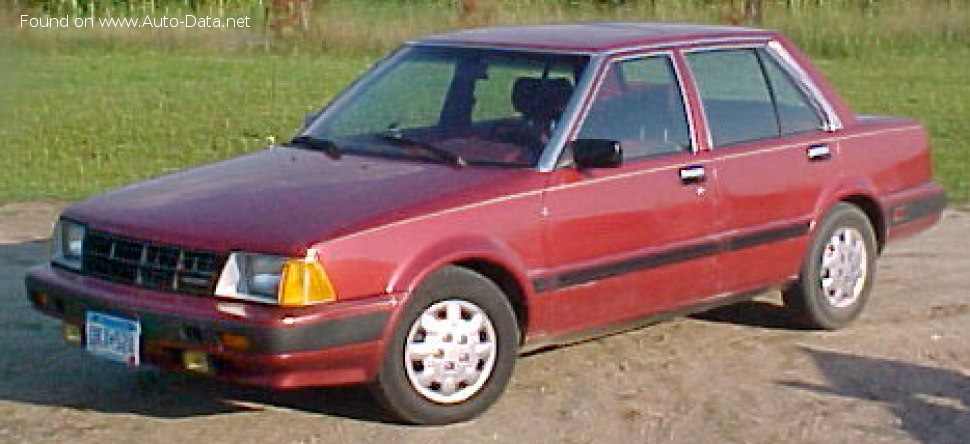
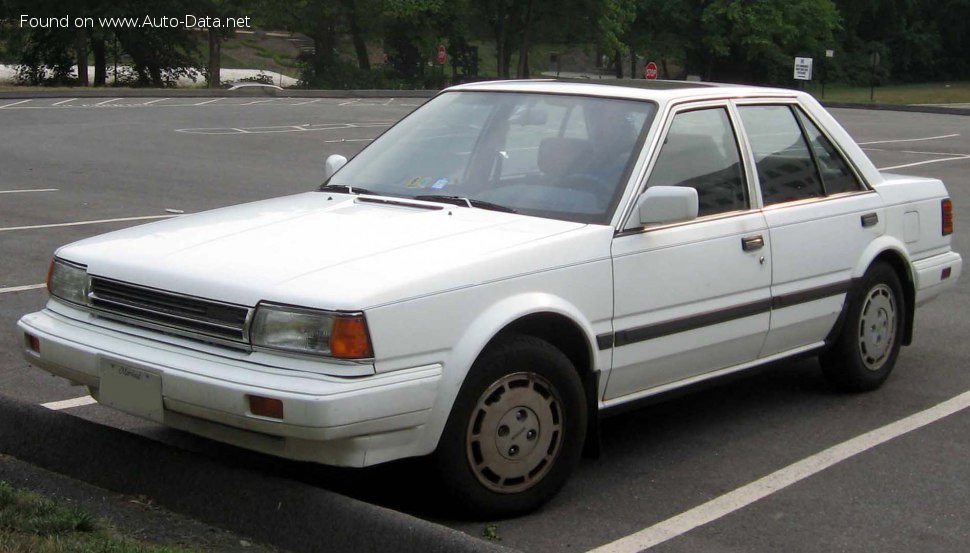
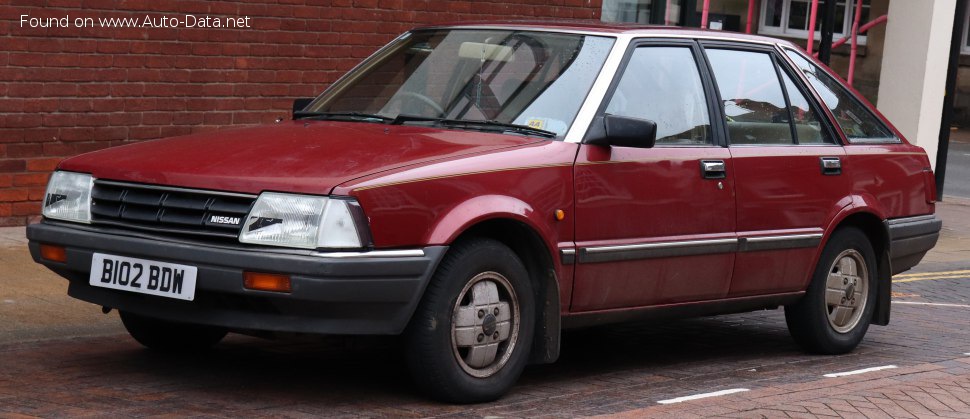
The design of the Nissan Stanza Hatchback (T11) reflected the automotive aesthetic of the early 1980s: a pragmatic, angular approach that prioritized interior space and aerodynamic efficiency over flamboyant styling. The hatchback body type was a significant draw, offering enhanced versatility compared to its sedan counterparts. The large rear hatch provided easy access to a surprisingly generous cargo area, which could be further expanded by folding down the rear seats, making it highly practical for hauling groceries, luggage, or sporting equipment. This flexibility was a key selling point in a market increasingly valuing multi-purpose vehicles.
Externally, the Stanza featured clean lines, a relatively flat hood, and a prominent grille that housed Nissan’s emblem. Rectangular headlights and taillights were characteristic of the era, contributing to its straightforward, unpretentious appearance. While not revolutionary, the design was contemporary and well-proportioned, allowing it to blend seamlessly into the automotive landscape of the time. The emphasis was on functional design, with large glass areas providing good visibility, a crucial safety and convenience factor.
Inside, the Stanza’s cabin was designed for functionality and user-friendliness. The dashboard layout was logical, with clearly legible analog gauges and controls that were within easy reach of the driver. Materials were durable, intended to withstand years of regular use, even if they lacked the premium feel of more expensive vehicles. Standard features typically included a basic AM/FM radio, manual windows, and a straightforward heating and ventilation system. Depending on the trim level, power steering, air conditioning, and a cassette player might have been available as options, enhancing comfort and convenience. Safety features, by modern standards, were rudimentary, primarily consisting of seatbelts for all occupants and a robust body structure designed to meet contemporary crash standards. The Stanza’s primary safety advantage lay in its predictable handling and reliable braking system, which typically included front disc brakes and rear drum brakes. The overall interior was a testament to Japanese efficiency, maximizing usable space within a compact footprint.
Technical Specifications
| Category | Specification |
|---|---|
| Brand | Nissan |
| Model | Stanza |
| Generation | Stanza Hatchback (T11) |
| Engine Type | 1.6 (82 Hp) |
| Start of Production | 1981 year |
| End of Production | 1985 year |
| Powertrain Architecture | Internal Combustion engine |
| Body type | Hatchback |
| Fuel Type | Petrol (Gasoline) |
| Power | 82 Hp |
| Engine Aspiration | Naturally aspirated engine |
| Drivetrain | Internal Combustion engine |
Legacy & Market Impact of the Nissan Stanza Hatchback (T11)
The Nissan Stanza Hatchback (T11) played a crucial role in solidifying Nissan’s presence in key international markets, particularly North America, during a period of intense competition and evolving consumer preferences. Its introduction marked Nissan’s full embrace of front-wheel-drive technology for its compact and mid-size offerings, a strategic move that allowed for more efficient packaging, improved interior space, and better fuel economy—attributes highly sought after in the post-oil crisis era. This shift to FWD was a significant engineering undertaking for Nissan, demonstrating its adaptability and foresight in meeting global market demands.
In the United States, the Stanza directly competed with established rivals such as the Honda Accord, Toyota Camry (which was still relatively new to the market), Mazda 626, and domestic offerings like the Ford Tempo and Chevrolet Cavalier. While it may not have always captured the same level of enthusiast appeal as some of its Japanese competitors, the Stanza carved out a niche for itself as a dependable, practical, and economical choice. Its reputation for reliability and low maintenance costs contributed significantly to Nissan’s growing brand loyalty in the American market. It was often chosen by buyers who valued long-term ownership and minimal fuss over cutting-edge design or performance.
Globally, the T11 platform, under its various names (most notably the Bluebird in Japan and other markets), demonstrated Nissan’s engineering prowess and its ability to produce a versatile and robust global car. The Stanza’s practicality, combined with its no-frills approach to motoring, made it a popular choice for families and fleet operators alike. It contributed to the perception of Japanese cars as being exceptionally well-built and value-oriented, a reputation that would serve Nissan well for decades to come. The success of the T11 generation further paved the way for more sophisticated and technologically advanced Nissan models in the compact segment.
While not a groundbreaking performance machine, the Nissan Stanza Hatchback (T11) 1.6 (82 Hp) remains an important historical artifact, representing a pivotal moment in automotive design and market strategy. It showcased how Japanese manufacturers were adapting to global demands for efficient, spacious, and reliable front-wheel-drive vehicles. Its legacy is one of quiet competence, solid engineering, and a foundational contribution to Nissan’s enduring success as a major player in the global automotive industry. Many examples served their owners faithfully for hundreds of thousands of miles, a testament to the build quality and engineering integrity that defined this generation of Nissan vehicles. Its straightforward nature and robust mechanics ensured its place as a workhorse of the era, paving the way for future generations of Nissan compacts that would continue to build on this legacy of reliability and value.