The Nissan Stanza Hatchback (T11) 1.8 (88 Hp): A Quintessential Early 1980s Compact
The Nissan Stanza Hatchback (T11) represents a significant chapter in Nissan’s global expansion, particularly its efforts to solidify its presence in the North American market during the early 1980s. Launched in 1981 as part of the T11 generation, the Stanza was positioned as a practical, economical, and reliable compact car designed to appeal to a broad demographic seeking sensible transportation. This particular variant, equipped with the 1.8-liter engine producing 88 horsepower, exemplified the era’s focus on fuel efficiency and straightforward engineering, characteristics that resonated strongly with consumers navigating a changing automotive landscape. The Stanza T11, known as the Nissan Auster in some markets and the Datsun Stanza in others (reflecting Nissan’s transitional branding at the time), played a crucial role in establishing Nissan’s reputation for quality and value in a fiercely competitive segment. Its hatchback body style offered enhanced versatility, a highly desirable trait for families and individuals alike.
Origins and Market Positioning of the Nissan Stanza Hatchback (T11)
The T11 generation of the Nissan Stanza succeeded the A10 series, bringing with it a more modern, front-wheel-drive architecture. This shift was strategic for Nissan, aligning its compact offerings with the prevailing trends in the automotive industry, which favored space efficiency, improved handling dynamics, and better fuel economy offered by FWD layouts. In the United States, the Stanza was marketed as a direct competitor to other popular Japanese imports such as the Toyota Corolla and Mazda 323, as well as domestic compacts like the Ford Escort and Chevrolet Cavalier. Its mission was clear: to provide a compelling alternative that combined Japanese reliability with practical design and an accessible price point. The Hatchback variant, in particular, capitalized on the growing demand for versatile vehicles that could serve multiple purposes, from daily commuting to weekend errands, all while offering a comfortable and unassuming ride.
Engine and Performance: The Heart of the Nissan Stanza Hatchback (T11)
Powering the Nissan Stanza Hatchback (T11) 1.8 (88 Hp) was a robust, naturally aspirated 1.8-liter inline-four gasoline engine. This powerplant, while not designed for blistering performance, was perfectly suited to the Stanza’s mission as a dependable daily driver. Delivering 88 horsepower, it provided adequate acceleration for city driving and comfortable cruising on highways, especially when paired with the typical manual transmission options of the era. The engine’s naturally aspirated design meant predictable power delivery and straightforward maintenance, qualities highly valued by consumers of compact cars.
In the context of the early 1980s, 88 horsepower from a 1.8-liter engine was a respectable output for its class. Many competitors offered similar power figures, emphasizing efficiency and longevity over outright speed. The Stanza’s engine was engineered for durability, a hallmark of Nissan vehicles from this period, contributing to its reputation for reliability. Fuel economy was also a key consideration, and the 1.8-liter unit delivered competitive mileage, an important factor during an era still conscious of fuel prices and environmental concerns. The powertrain architecture, centered around an internal combustion engine, reflected the standard technology of the time, refined for optimal balance between power, economy, and emissions for its market. This blend of attributes made the Stanza a practical choice for a wide range of buyers who prioritized cost-effective and trouble-free ownership.
Design and Features: Functionality Meets Early 80s Style
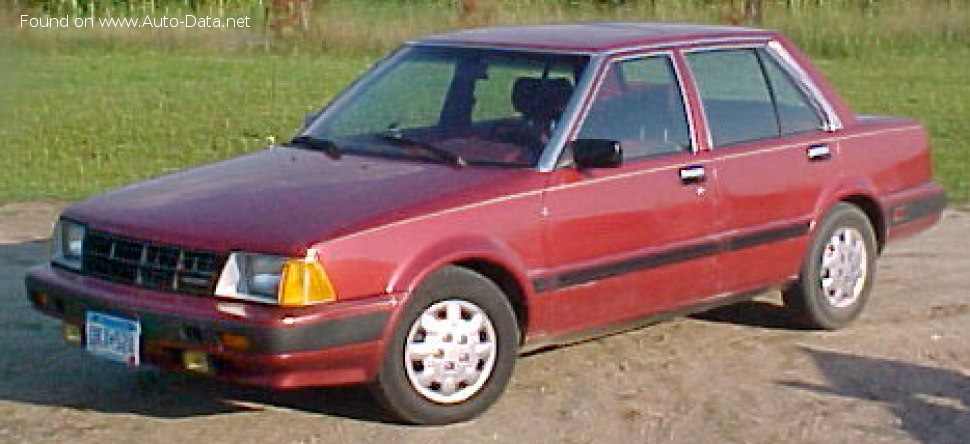
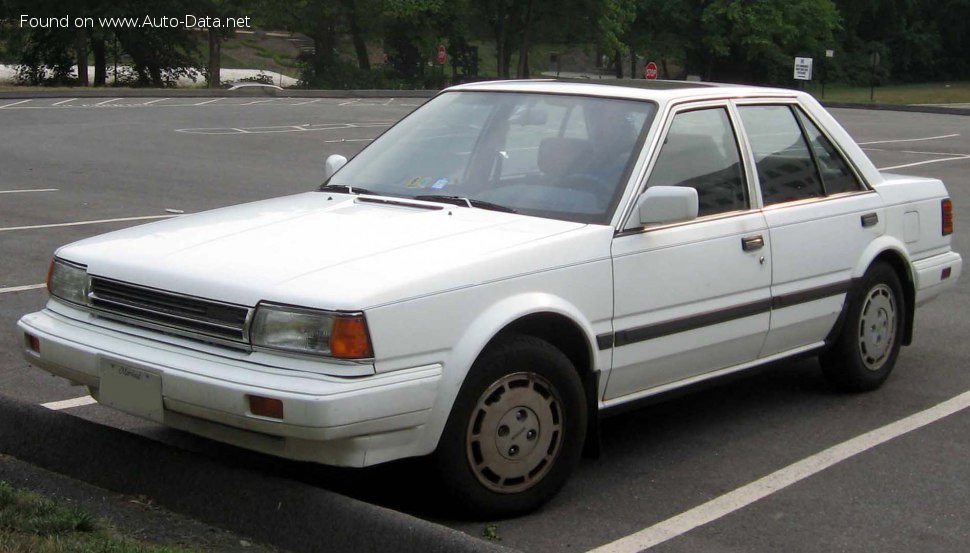
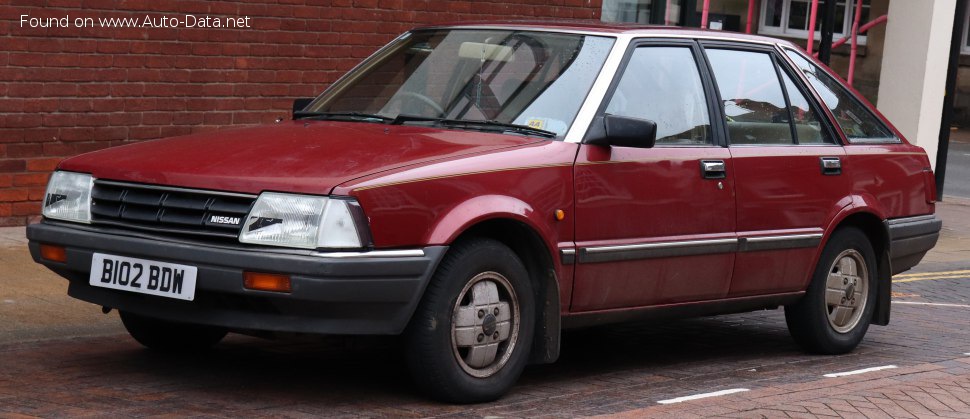
The design of the Nissan Stanza Hatchback (T11) was characteristic of early 1980s automotive aesthetics: a largely angular, functional shape that prioritized interior space and visibility. The hatchback body type was a primary selling point, offering a large rear opening and folding rear seats that significantly expanded cargo capacity, making it a highly versatile vehicle for its size. This practicality was a major differentiator in a segment often dominated by sedans. The Stanza’s exterior featured clean lines, rectangular headlights, and a relatively upright stance, contributing to a spacious cabin and excellent outward visibility—features that contemporary drivers appreciated.
Inside, the Stanza’s cabin was designed with user-friendliness in mind. While not luxurious, the interior was comfortable and well-appointed for its class. Cloth upholstery, clear instrumentation, and logically placed controls were standard. Depending on the trim level, features might have included an AM/FM radio, rudimentary air conditioning, and power steering. Safety features were basic by today’s standards but typical for the era, primarily consisting of three-point seatbelts for front occupants and some level of structural rigidity designed to protect occupants in a collision. The T11 generation also benefited from Nissan’s commitment to build quality, which ensured that even these practical features were durable and reliable over the long term. The emphasis on practicality, ease of use, and robust construction made the Stanza a dependable and appealing choice for consumers looking for an honest, no-frills vehicle.
Technical Specifications for the Nissan Stanza Hatchback (T11) 1.8 (88 Hp)
| Specification | Detail |
|---|---|
| Brand | Nissan |
| Model | Stanza |
| Generation | Stanza Hatchback (T11) |
| Type (Engine) | 1.8 (88 Hp) |
| Start of Production | 1981 year |
| End of Production | 1985 year |
| Powertrain Architecture | Internal Combustion engine |
| Body Type | Hatchback |
| Fuel Type | Petrol (Gasoline) |
| Power | 88 Hp |
| Engine Aspiration | Naturally aspirated engine |
Legacy and Market Impact of the Nissan Stanza Hatchback (T11)
The Nissan Stanza Hatchback (T11) enjoyed a respectable run from 1981 to 1985, leaving a notable, albeit understated, legacy in the compact car segment. Its primary impact was in reinforcing Nissan’s image as a producer of reliable, economical, and practical vehicles. In the North American market, it helped to further cement the reputation of Japanese imports for superior quality and efficiency compared to many domestic offerings of the time. The Stanza’s reputation was built on its solid construction, dependable powertrain, and user-friendly design, making it a popular choice for budget-conscious buyers and those seeking a trouble-free ownership experience.
Competitors for the Stanza were numerous and formidable. It went head-to-head with the likes of the Honda Accord (though the Accord often commanded a slightly higher price point and a more premium perception), the Toyota Corolla and Celica, and the Mazda 626. Domestically, it vied for sales against the Ford Escort, Chevrolet Cavalier, and Plymouth Reliant. What set the Stanza apart was its consistent delivery of core values: robust engineering, good fuel economy, and the exceptional versatility afforded by its hatchback body style. While perhaps not as iconic as some of its rivals, the Stanza was a workhorse that quietly contributed to Nissan’s growing market share and brand loyalty.
Historically, the T11 Stanza represented a crucial evolutionary step for Nissan, moving towards more modern front-wheel-drive platforms that would define its subsequent compact and mid-size offerings. It demonstrated Nissan’s engineering prowess in adapting to changing consumer demands and regulatory environments. Even today, surviving examples of the Stanza T11 are testaments to its inherent durability. While not a collector’s item in the same vein as some performance cars of its era, its significance lies in its role as a reliable, everyday vehicle that helped shape the automotive landscape of the early 1980s and laid foundational groundwork for Nissan’s continued success in the global marketplace. Its legacy is one of practicality, reliability, and quiet competence, embodying the spirit of accessible, quality transportation for the masses.