Introduction to the Nissan Stanza (T11)
The Nissan Stanza (T11) represents a significant chapter in Nissan’s global automotive strategy during the early to mid-1980s. Introduced in 1981 in Japan as the Nissan Auster and later globally as the Stanza, this generation marked a departure from its rear-wheel-drive predecessors, embracing a modern front-wheel-drive (FWD) architecture. The Stanza (T11) was positioned by Nissan as a compact to mid-size sedan, offering a blend of practicality, fuel efficiency, and a comfortable ride, appealing to a broad demographic seeking reliable transportation. The specific variant under review, the 1.8 SGL with 90 horsepower (Hp), produced between 1983 and 1985, was a common and well-regarded offering within the Stanza lineup, embodying the pragmatic engineering philosophy prevalent in Japanese automobiles of that era.
In the North American market, the Stanza was an important model for Nissan, competing in a fiercely contested segment against rivals such as the Honda Accord, Toyota Camry (which was still finding its footing as an FWD model), and Mazda 626. Its introduction came at a time when Japanese manufacturers were solidifying their reputation for building durable, economical, and well-equipped vehicles. The T11 generation, with its contemporary styling and efficient powertrain, aimed to further cement Nissan’s position as a serious contender in the family car segment, providing a sensible alternative to domestic offerings.
The Nissan Stanza (T11): Engineering and Design
Engine and Performance
The heart of the Nissan Stanza (T11) 1.8 SGL (90 Hp) was its naturally aspirated 1.8-liter gasoline (petrol) engine. This powerplant, while not designed for outright blistering performance, was engineered for reliability, smooth operation, and reasonable fuel economy – characteristics highly valued during the post-oil crisis era of the early 1980s. Generating a peak output of 90 horsepower, the engine provided adequate motivation for the sedan, ensuring it could comfortably keep pace with traffic on highways and navigate urban environments with ease.
The choice of a naturally aspirated engine meant a simpler, more robust design compared to the then-emerging turbocharged alternatives. This simplicity contributed to lower manufacturing costs and, crucially, reduced maintenance complexity and enhanced long-term durability, a hallmark of Nissan engineering during this period. The engine’s power delivery was linear and predictable, making the Stanza an easy car to drive for a wide range of consumers. Mated to either a manual or automatic transmission (though specific transmission details are not provided in the core data, these were standard options for the segment), the drivetrain architecture, with its internal combustion engine driving the front wheels, provided efficient packaging and improved interior space compared to its rear-wheel-drive predecessors. This FWD setup also offered superior traction in adverse weather conditions, a practical benefit for many drivers.
While 90 horsepower may seem modest by today’s standards, it was competitive for a compact sedan in the early 1980s. The focus was less on raw acceleration figures and more on delivering a dependable and economical driving experience. Nissan’s engineering prowess was evident in the engine’s refinement and its ability to deliver consistent performance over many years and miles, contributing significantly to the Stanza’s reputation for longevity.
Design and Features
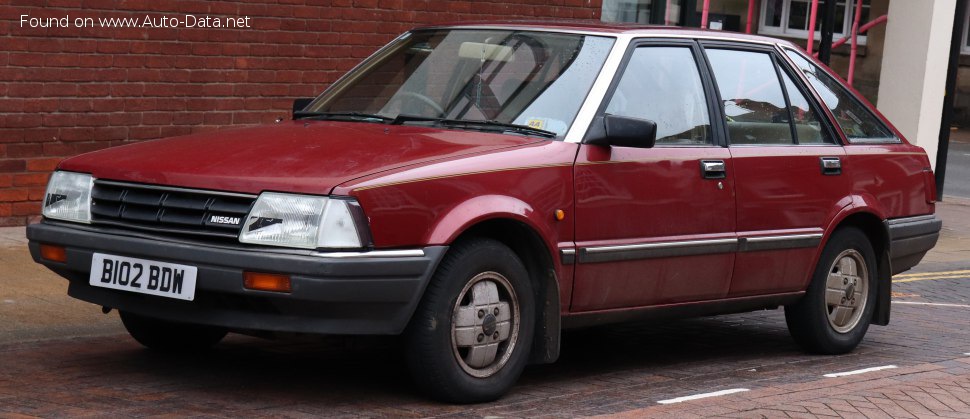
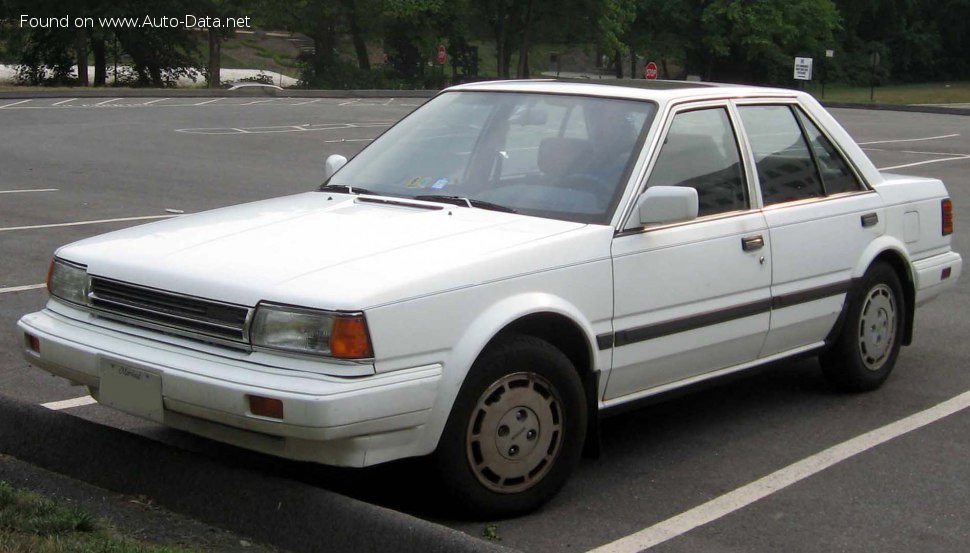
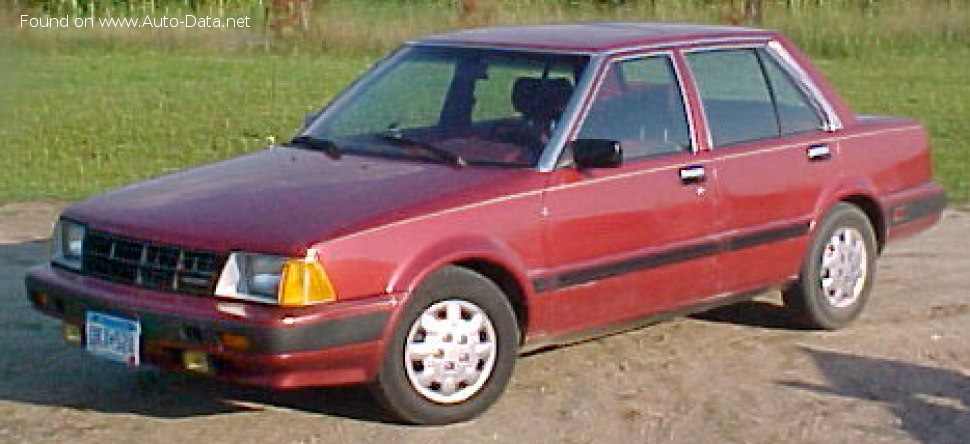
The Nissan Stanza (T11) adopted the quintessential sedan body type, characterized by a three-box design with distinct compartments for the engine, passengers, and cargo. Its styling was typical of the early 1980s – clean, somewhat angular, and functional, eschewing overly flamboyant aesthetics in favor of a more conservative and broadly appealing look. The design prioritized practicality, offering good visibility and a spacious interior for its class.
The exterior featured flush-mounted headlights and a grille design that was consistent with Nissan’s corporate identity of the time. Depending on the market and trim level, the SGL designation typically implied a more upscale offering within the Stanza range, often including features such as improved interior upholstery, power windows, central locking, and potentially an upgraded audio system – amenities that were considered luxuries in mainstream compact cars of the era.
Inside, the Stanza (T11) focused on ergonomic design and user-friendliness. The dashboard layout was straightforward, with easily accessible controls and clear instrumentation. Seating was designed for comfort on longer journeys, and the FWD layout allowed for a flatter floor in the rear, enhancing passenger legroom. Cargo capacity in the trunk was generous for a vehicle of its size, making it a practical choice for families and individuals alike. Safety features, by early 1980s standards, would have included basic seatbelts, a sturdy body structure, and potentially optional anti-lock brakes (though less common on mainstream models at this time). The Stanza was built with a focus on structural rigidity to protect occupants in the event of a collision, reflecting the growing awareness of automotive safety.
Technical Specifications
| Category | Specification |
|---|---|
| Brand | Nissan |
| Model | Stanza |
| Generation | Stanza (T11) |
| Type (Engine) | 1.8 SGL (90 Hp) |
| Start of production | 1983 year |
| End of production | 1985 year |
| Powertrain Architecture | Internal Combustion engine |
| Body type | Sedan |
| Fuel Type | Petrol (Gasoline) |
| Power | 90 Hp |
| Engine aspiration | Naturally aspirated engine |
Legacy and Market Impact
The Nissan Stanza (T11) 1.8 SGL (90 Hp) played a crucial role in cementing Nissan’s reputation for building reliable, economical, and practical vehicles in the early to mid-1980s. While perhaps not as iconic as some of its contemporaries, the Stanza was a workhorse that consistently delivered on its promise of dependable transportation. Its transition to a front-wheel-drive platform was a strategic move that aligned Nissan with the evolving preferences of consumers, who increasingly valued interior space, improved traction, and fuel efficiency over the traditional rear-wheel-drive layout.
In the North American market, the Stanza faced stiff competition. Its primary rivals included the Honda Accord, which was rapidly gaining market share with its refined driving dynamics and quality, and the Toyota Camry, which, like the Stanza, was transitioning to FWD and would soon become a dominant force. Other competitors included the Mazda 626, known for its sportier feel, and various domestic offerings such as the Ford Tempo/Topaz and Chevrolet Celebrity, which often struggled to match the Japanese imports in terms of perceived quality and long-term reliability. The Stanza held its own by offering a solid, no-nonsense package that appealed to buyers prioritizing value and durability.
The Stanza (T11) contributed significantly to Nissan’s sales volume during its production run, helping to establish the brand’s presence in key international markets. Its legacy is one of quiet competence rather than groundbreaking innovation. It was a car that simply worked, year after year, often outlasting many of its flashier contemporaries. This reputation for longevity and low running costs made it a popular choice for budget-conscious families and commuters. While the T11 generation itself was relatively short-lived (1983-1985 for the 1.8 SGL variant), it laid important groundwork for subsequent Nissan models, refining the FWD platform and continuing to build brand loyalty through consistent quality. Today, surviving examples of the Stanza (T11) are testaments to the robust engineering of 1980s Japanese automobiles, cherished by enthusiasts for their classic utilitarian design and mechanical simplicity.