The Nissan Sunny (B15) 2.2 Di (79 Hp): A Global Workhorse
The Nissan Sunny, a nameplate with a long and storied history, represents Nissan’s commitment to delivering reliable and economical transportation to markets around the globe. The B15 generation, produced from 2000 to 2003, continued this tradition, particularly in its sedan guise. While the Sunny nameplate has appeared in various forms across different continents, the specific variant under review, the Nissan Sunny (B15) 2.2 Di (79 Hp), was a prominent offering in markets prioritizing fuel efficiency, durability, and low running costs, especially in parts of Asia, Africa, and select European regions where diesel-powered compact sedans held a significant market share. This model served as a practical, no-nonsense compact sedan, positioned squarely in the C-segment, catering to families and businesses seeking dependable daily transport. It embodied Nissan’s philosophy of offering a robust and accessible vehicle for a wide demographic.
Engine and Performance: The Heart of the Nissan Sunny (B15) 2.2 Di (79 Hp)
At the core of the Nissan Sunny (B15) 2.2 Di (79 Hp) was its 2.2-liter naturally aspirated diesel engine. This powertrain architecture, characterized by its direct injection (Di) system, was designed for maximum fuel economy and longevity rather than outright speed or dynamic performance. With a modest output of 79 horsepower, the engine delivered power in a linear, predictable fashion, well-suited for urban commuting and steady highway cruising. The naturally aspirated design meant there was no turbocharger to boost power, which translated into a simpler, more robust engine with fewer complex components, potentially lowering maintenance costs and increasing reliability—a crucial factor in its target markets.
The 2.2-liter displacement provided a decent amount of low-end torque, even without forced induction, which aided in carrying passengers and cargo without feeling overly strained. While specific torque figures are not provided, naturally aspirated diesels of this era and size typically offered sufficient pulling power at lower RPMs, making them feel less frantic in stop-and-go traffic compared to some smaller gasoline engines. This engine was paired with a manual transmission, further emphasizing the vehicle’s focus on driver engagement, control over fuel consumption, and simplicity. The powertrain architecture, being an internal combustion engine, adhered to conventional design principles, ensuring widespread familiarity for mechanics and readily available parts in its primary markets. The overall performance profile of the Nissan Sunny (B15) 2.2 Di (79 Hp) was one of unwavering reliability and exceptional fuel efficiency, making it an ideal choice for economical daily driving.
Design and Features: Practicality Personified
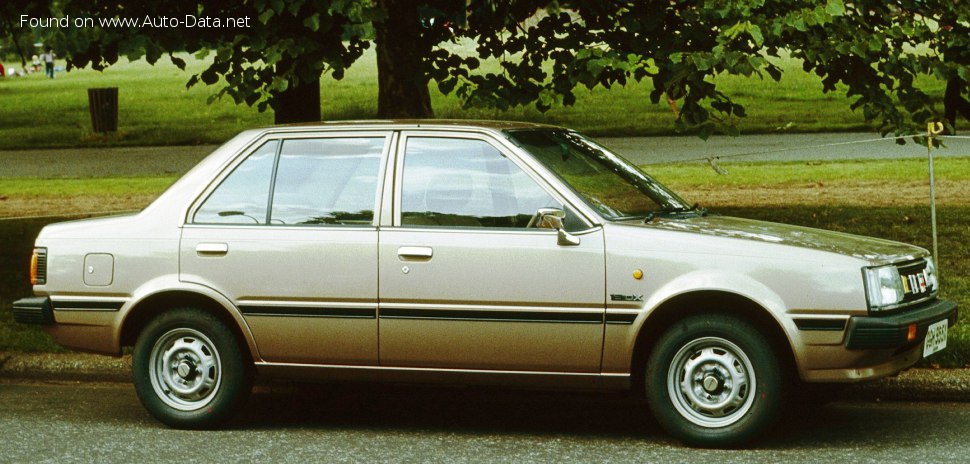
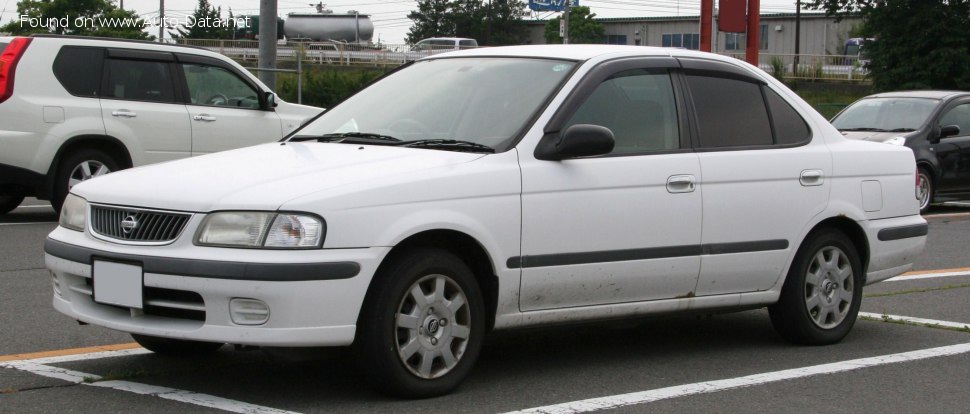
The Nissan Sunny (B15) generation, as a four-door sedan, adopted a design language that prioritized practicality and a conservative aesthetic, typical for compact sedans of the early 2000s. Its exterior styling was clean and uncluttered, eschewing aggressive lines or flamboyant flourishes in favor of a timeless, understated appeal. The body type, a traditional sedan, offered a distinct trunk separate from the passenger compartment, providing secure storage and a classic profile. With four doors, ingress and egress for all passengers were convenient, reinforcing its role as a family or business vehicle.
Inside, the B15 Sunny was designed for function and durability. The cabin offered ample space for five occupants, with a focus on comfortable seating and ergonomic controls. Materials used were generally robust and easy to clean, capable of withstanding the rigors of daily use in varied climates. While not luxurious, the interior was well-appointed for its segment, featuring essential amenities that drivers and passengers expected at the turn of the millennium. Safety features, though not explicitly detailed, would have included basic necessities for the era, such as seatbelts for all occupants and potentially driver and passenger airbags depending on market specifications. The overall design philosophy of the Nissan Sunny (B15) was to create a dependable, comfortable, and spacious vehicle that would serve its owners reliably for many years, without unnecessary frills. Its straightforward design contributed to its reputation for ease of maintenance and repair.
Technical Specifications: Nissan Sunny (B15) 2.2 Di (79 Hp)
| Specification | Detail |
|---|---|
| Brand | Nissan |
| Model | Sunny |
| Generation | Sunny (B15) |
| Type (Engine) | 2.2 Di (79 Hp) |
| Start of Production | 2000 year |
| End of Production | 2003 year |
| Powertrain Architecture | Internal Combustion engine |
| Body type | Sedan |
| Doors | 4 |
| Fuel Type | Diesel |
| Power | 79 Hp |
| Engine aspiration | Naturally aspirated engine |
Legacy and Market Impact
The Nissan Sunny (B15) 2.2 Di (79 Hp) carved out a significant niche in its primary markets by offering an unbeatable combination of reliability, fuel efficiency, and affordability. In regions where fuel costs were a major concern and infrastructure could be challenging, the robust nature of the 2.2-liter naturally aspirated diesel engine proved to be a major selling point. Its ability to run reliably on various grades of diesel fuel and its relatively simple mechanicals meant lower running costs and easier repairs, making it a favorite among taxi operators, fleet owners, and private individuals who prioritized economy over performance.
Competitors in its segment included established players like the Toyota Corolla, Honda Civic (though often with gasoline engines in some markets), and potentially diesel variants of European models like the Volkswagen Golf (Jetta sedan) or Opel Astra in certain regions, as well as rising Korean brands like the Hyundai Elantra. However, the Sunny often distinguished itself with its reputation for bulletproof reliability and competitive pricing. While it might not have been the most technologically advanced or dynamically engaging vehicle, its strengths lay in its sheer dependability and low cost of ownership.
The legacy of the Nissan Sunny (B15) 2.2 Di (79 Hp) is one of a dependable workhorse. It solidified Nissan’s reputation in key global markets as a manufacturer of practical and enduring vehicles. Even years after its production ceased, many B15 Sunnys, particularly those with the robust diesel engine, continued to ply roads in various parts of the world, a testament to their inherent durability and engineering. This generation of the Sunny, and particularly this diesel variant, played a crucial role in providing accessible and efficient personal transportation to millions, contributing significantly to Nissan’s global footprint and reinforcing the brand’s image as a provider of reliable mobility solutions. Its impact resonates in the continued presence of these vehicles on the road, serving as a reminder of an era when simplicity, economy, and robustness were paramount in automotive design.