The Nissan Sunny I Wagon (B11): A Pioneer of Practicality and Front-Wheel Drive
The Nissan Sunny I Wagon (B11), produced from 1982 to 1986, represented a pivotal moment in Nissan’s history, marking a significant transition for its globally successful Sunny line. As the seventh generation of the Nissan Sunny, the B11 series was revolutionary for adopting a front-wheel-drive (FWD) powertrain architecture, a departure from its rear-wheel-drive predecessors. This shift aimed to optimize interior space, improve fuel efficiency, and enhance driving dynamics, aligning with contemporary automotive trends. The 1.5-liter (75 Hp) variant of the Sunny I Wagon epitomized the B11’s core values: reliable, economical, and exceptionally practical family transportation, particularly popular in its primary markets across Asia, Europe, and Australia. While the “Sunny” nameplate for this wagon variant wasn’t as prevalent in the United States, the B11 platform formed the basis for the highly successful Nissan Sentra in North America, underscoring its global engineering significance.
Engine and Performance of the Nissan Sunny I Wagon (B11)
Under the hood, the Nissan Sunny I Wagon (B11) 1.5 (75 Hp) was powered by a naturally aspirated, 1.5-liter internal combustion engine. This powerplant delivered a modest yet entirely adequate 75 horsepower, a respectable output for a compact wagon of its era. Nissan engineered this engine for durability, fuel efficiency, and smooth operation, characteristics that were highly valued by the target demographic of families and small businesses. The decision to employ a naturally aspirated engine meant a straightforward design, contributing to the vehicle’s reputation for reliability and ease of maintenance.
The most significant engineering change for the B11 generation, including this particular Sunny I Wagon, was the adoption of a front-wheel-drive architecture. This configuration not only allowed for a more compact engine bay and a flatter floor, thereby maximizing passenger and cargo space, but also offered improved traction in adverse weather conditions compared to its rear-wheel-drive forebears. The power delivery to the front wheels ensured predictable handling and a comfortable ride, making it an ideal daily driver. While not designed for outright performance, the 1.5-liter engine provided sufficient power for urban commuting, highway cruising, and hauling light loads, perfectly suiting its role as a practical family vehicle. Its robust construction and proven mechanicals contributed to the Sunny’s enduring appeal as a dependable workhorse.
Design and Features: The Practicality of the Nissan Sunny I Wagon (B11)
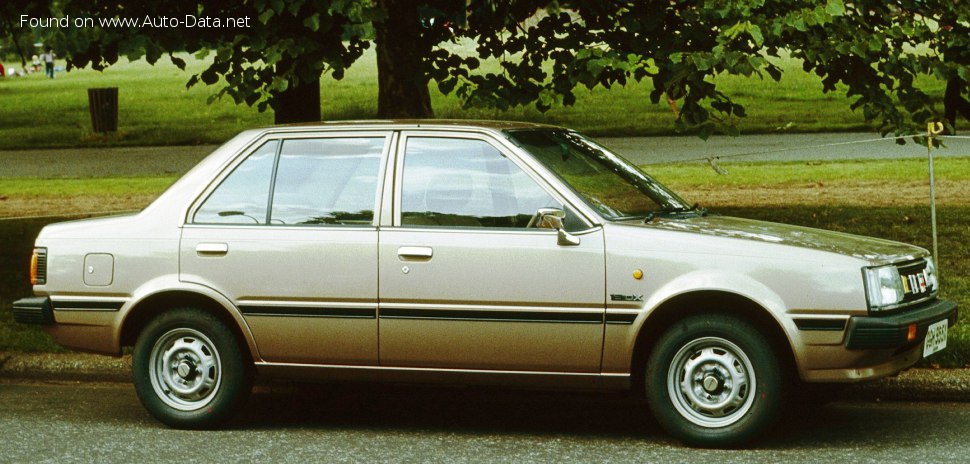
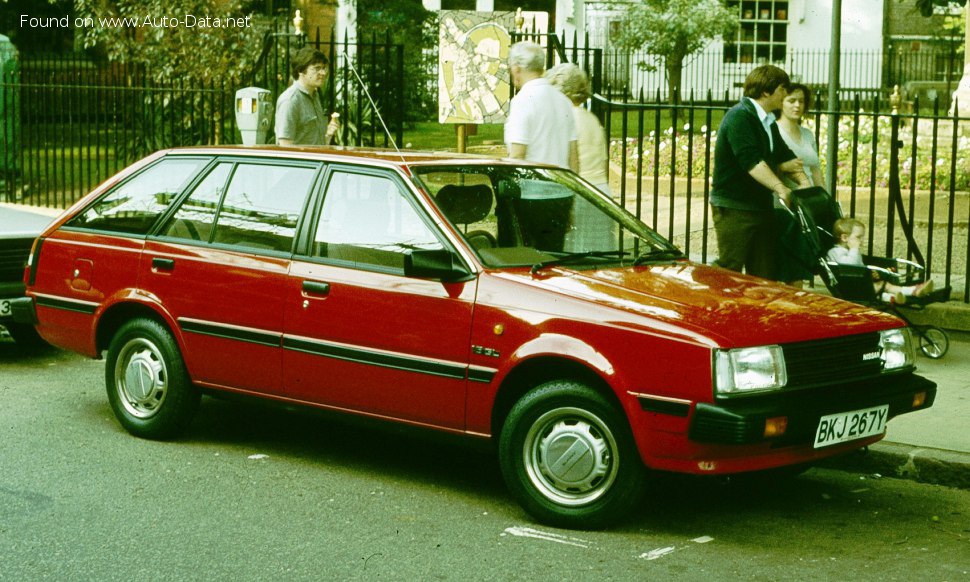
The design of the Nissan Sunny I Wagon (B11) was a testament to early 1980s automotive aesthetics: functional, clean, and boxy, prioritizing utility over flamboyant styling. As a station wagon (or estate car), its primary purpose was to offer maximum cargo volume and passenger comfort within a compact footprint. The B11 Wagon was typically available in a 5-door configuration, providing easy access to both the front and rear passenger compartments, as well as the capacious rear cargo area. Some markets might have seen a 3-door variant, possibly aimed at commercial use or a niche market segment, further emphasizing its versatility.
The exterior styling featured large glass areas, enhancing visibility and contributing to a light, airy cabin feel. The overall silhouette was characterized by straight lines and sharp angles, a common design language of the era that also facilitated efficient manufacturing and maximized interior volume. Inside, the Sunny I Wagon was designed with practicality in mind. It offered comfortable seating for five occupants, with durable fabric upholstery and straightforward controls. While luxury amenities were minimal, the focus was on ergonomics and ease of use. The rear seats could typically fold down, creating an expansive, flat load floor, which was a significant selling point for families needing to transport groceries, luggage, or hobby equipment. Safety features, consistent with the early 1980s, included three-point seatbelts for front occupants and lap belts for rear passengers, along with a robust body structure designed to offer basic crash protection. The B11’s design ethos was simple: provide reliable, spacious, and economical transport without unnecessary frills.
Technical Specifications: Nissan Sunny I Wagon (B11) 1.5 (75 Hp)
| Category | Specification |
|---|---|
| Brand | Nissan |
| Model | Sunny |
| Generation | Sunny I Wagon (B11) |
| Type (Engine) | 1.5 (75 Hp) |
| Start of production | 1982 year |
| End of production | 1986 year |
| Powertrain Architecture | Internal Combustion engine |
| Body type | Station wagon (estate) |
| Seats | 5 |
| Doors | 3/5 |
| Fuel Type | Petrol (Gasoline) |
| Power | 75 Hp |
| Engine aspiration | Naturally aspirated engine |
| Drivetrain Architecture | The Internal combustion engine (ICE) drives the front wheels of the vehicle. |
| Drive wheel | Front wheel drive |
Legacy and Market Impact of the Nissan Sunny I Wagon (B11)
The Nissan Sunny I Wagon (B11) played a crucial role in solidifying Nissan’s reputation as a manufacturer of dependable and affordable compact vehicles worldwide. Its introduction marked a significant technological leap for the Sunny line, establishing the front-wheel-drive layout as the standard for future generations. This FWD platform was a global success, serving as the foundation for various Nissan models, including the popular Nissan Sentra in North America, where it quickly became a best-seller, recognized for its economy, reliability, and practical size.
In its primary markets, the Sunny I Wagon competed fiercely with rivals such as the Toyota Corolla Wagon, Honda Civic Wagon, and Mazda Familia/323 Wagon. What set the Sunny apart was its reputation for robust engineering, low running costs, and a no-nonsense approach to utility. It was widely praised for its spacious interior, especially the cargo capacity offered by the wagon body style, making it a favorite among families, small businesses, and anyone needing versatile transport. Its 1.5-liter engine, while not powerful, was celebrated for its longevity and fuel efficiency, crucial factors during the fluctuating fuel prices of the early 1980s.
The B11 generation, and specifically the Sunny I Wagon, helped cement Nissan’s image as a brand that delivered value and quality. Its transition to front-wheel drive showcased Nissan’s commitment to modern engineering and adapting to market demands for more efficient and spacious compact cars. Today, the Nissan Sunny I Wagon (B11) is remembered as a classic example of 1980s Japanese automotive engineering: practical, reliable, and instrumental in shaping the compact car segment globally. It laid important groundwork for Nissan’s continued success in the compact car market, proving that thoughtful design and robust mechanics could create a lasting impact. Its legacy is one of quiet competence and widespread utility, a true workhorse that served its owners faithfully and efficiently.