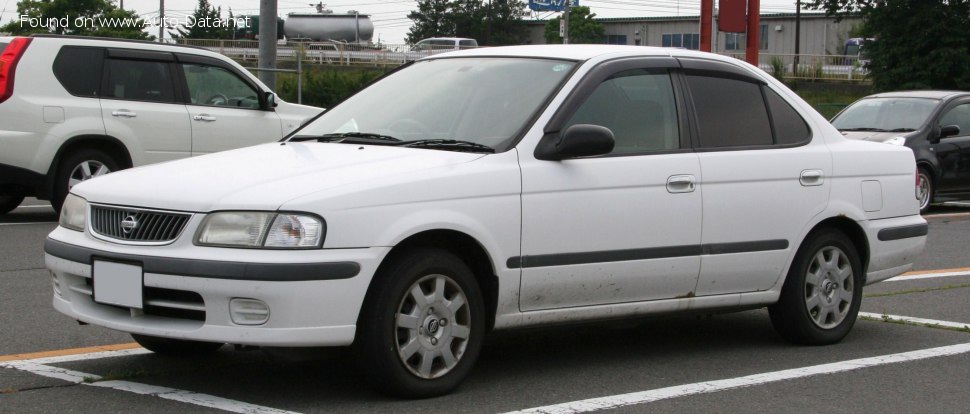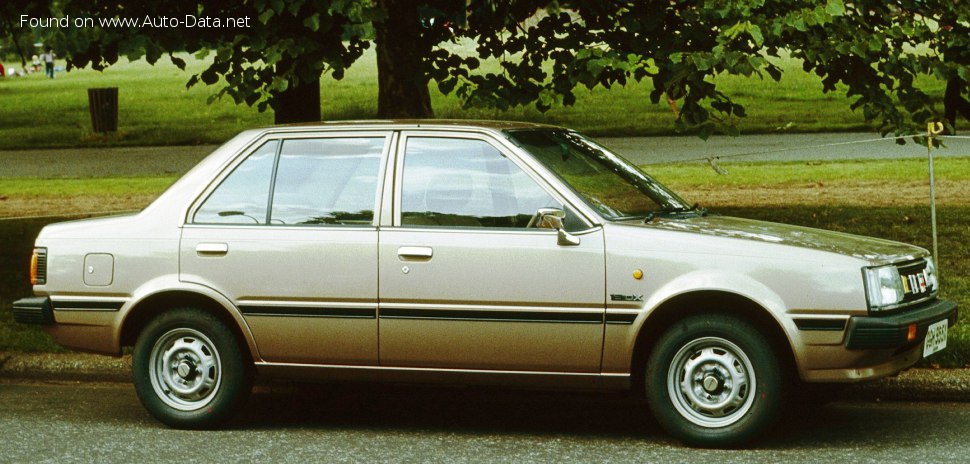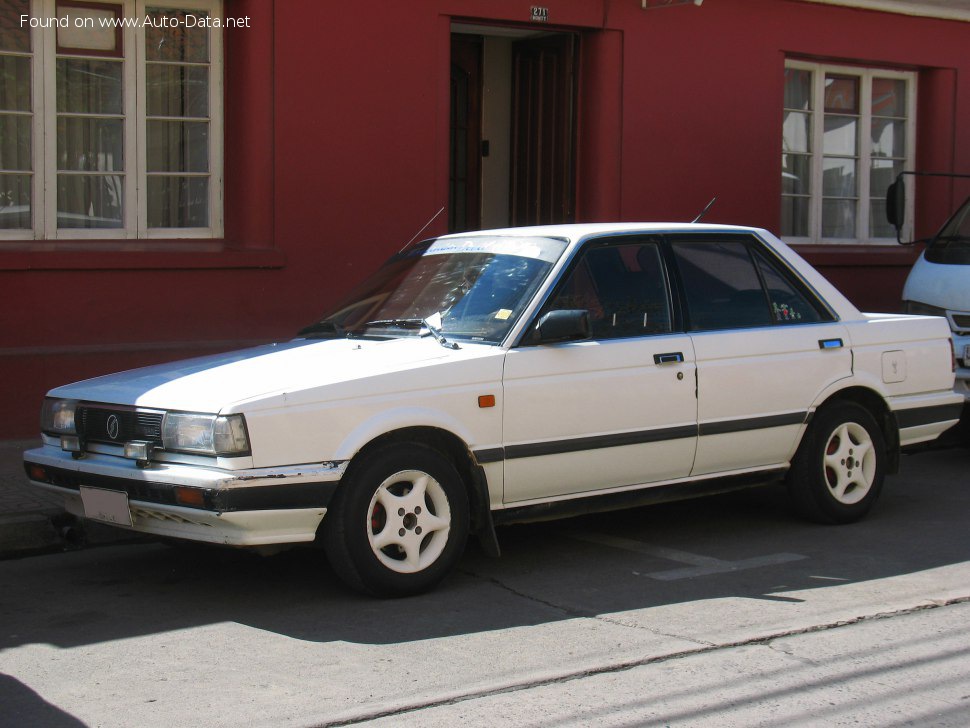
Introduction to the Nissan Sunny II GA15DE (B12)
The Nissan Sunny, a nameplate synonymous with reliability and practical transportation across various global markets, introduced its B12 generation in 1986. This iteration, often referred to as the Nissan Sunny II GA15DE (B12), represented Nissan’s continued commitment to the compact car segment, offering an economical and dependable vehicle for families and commuters alike. Produced from 1986 to 1988, the B12 generation built upon the Sunny’s established reputation, introducing updated styling and refined mechanicals for the latter half of the 1980s.
While the Sunny nameplate enjoyed widespread success in markets like Japan, Asia, and Europe, its presence in North America was primarily under the Sentra badge. Nevertheless, the underlying engineering and design philosophies were shared, making the B12 a significant model in Nissan’s global strategy. The specific variant under review, equipped with the 1.6-liter (84 Hp) GA15DE engine, stood out for its balance of fuel efficiency and adequate performance for daily driving, embodying the pragmatic spirit of the era’s compact sedans. This article delves into the technical specifications, design ethos, and lasting impact of this notable Japanese compact.
Engine and Performance: The GA15DE Heart of the Nissan Sunny II GA15DE (B12)
At the core of the Nissan Sunny II GA15DE (B12) 1.6 (84 Hp) was the naturally aspirated GA15DE internal combustion engine. While the model designation often listed it as a 1.6-liter type, the GA15DE code itself denotes a 1.5-liter inline-four gasoline (petrol) engine. This engine was a workhorse for Nissan, known for its robust construction, smooth operation, and commendable fuel economy, which were crucial attributes for vehicles in its class during the mid-to-late 1980s.
With a power output of 84 horsepower, the GA15DE provided the Sunny B12 with respectable, if not exhilarating, performance. This level of power was more than sufficient for urban commuting, highway cruising, and general family duties. The engine’s naturally aspirated design meant predictable power delivery and simpler maintenance compared to more complex forced-induction units. Power was delivered to the front wheels, a configuration that had become standard for compact cars of this period, offering benefits in terms of packaging efficiency, improved traction in adverse conditions, and cost-effectiveness. The front-wheel-drive architecture, combined with the lightweight chassis, contributed to the car’s agile handling and accessible driving dynamics. The focus was clearly on reliability and efficiency, ensuring that owners could depend on their Sunny for years of trouble-free operation, a hallmark of Nissan’s engineering at the time.
Design and Features: Practicality Meets 1980s Aesthetics
The Nissan Sunny II GA15DE (B12), produced as a sedan, exemplified the design trends of the mid-1980s. Its styling was characterized by clean, angular lines and a relatively boxy silhouette, a departure from the more rounded designs that would dominate the 1990s. This design language prioritized interior space and practicality, offering a spacious cabin for its compact footprint. As a 4-door sedan with seating for five occupants, the B12 was engineered to serve as a versatile family car or a dependable personal vehicle.
Key features for a car of this era typically revolved around functionality and basic comfort. While advanced electronics and luxury amenities were reserved for higher segments, the Sunny B12 would have offered standard features like manual windows and locks, a basic heating and ventilation system, and perhaps an AM/FM radio. Depending on the specific market and trim level, power steering might have been an option, enhancing maneuverability. Safety features, by 1980s standards, would have included seatbelts for all occupants and a robust body structure designed to meet contemporary crash standards. The emphasis was on durability and ease of use, with controls that were straightforward and intuitive. The sedan body style provided a secure and ample trunk space, making it a practical choice for grocery runs, family trips, or carrying luggage. The overall design was understated, functional, and aimed at a broad consumer base seeking reliable, no-nonsense transportation.
Technical Specifications
| Nissan Sunny II GA15DE (B12) 1.6 (84 Hp) – Key Specifications | |
|---|---|
| Brand | Nissan |
| Model | Sunny |
| Generation | Sunny II GA15DE (B12) |
| Engine Type (Designation) | 1.6 (84 Hp) GA15DE |
| Start of Production | 1986 year |
| End of Production | 1988 year |
| Powertrain Architecture | Internal Combustion engine |
| Body Type | Sedan |
| Seats | 5 |
| Doors | 4 |
| Fuel Type | Petrol (Gasoline) |
| Power | 84 Hp |
| Engine Aspiration | Naturally aspirated engine |
| Drivetrain Architecture | The Internal combustion engine (ICE) drives the front wheels of the vehicle. |
| Drive Wheel | Front wheel drive |
Legacy and Market Impact of the Nissan Sunny II GA15DE (B12)
The Nissan Sunny II GA15DE (B12), particularly with its 1.6-liter (84 Hp) GA15DE engine, cemented the Sunny’s reputation as a globally relevant compact car. While it may not have been a trendsetter in terms of groundbreaking technology or styling, its strength lay in its unwavering reliability, cost-effectiveness, and practical design. In its primary markets, which included Japan, various Asian nations, and parts of Europe, the B12 was a formidable competitor against other mainstream compacts of the era, such as the Toyota Corolla, Honda Civic, Mitsubishi Lancer, and Mazda 323. These vehicles all vied for market share by offering similar propositions: affordable, fuel-efficient, and dependable transportation.
The Sunny B12’s short production run from 1986 to 1988 belies its significant impact. It served as a critical bridge between earlier, more utilitarian Sunny generations and the slightly more refined B13 that followed. Its mechanical simplicity and robust engineering ensured a long service life, making it a popular choice for fleet operators and budget-conscious private buyers. Even decades later, many examples of the B12 Sunny can still be found on roads in various parts of the world, a testament to its enduring build quality.
Historically, the B12 generation played a key role in reinforcing Nissan’s image as a manufacturer of reliable and accessible vehicles. It contributed to the brand’s global expansion and helped solidify its position in the highly competitive compact segment. Its legacy is not one of high performance or luxury, but rather of being an honest, hardworking automobile that consistently delivered on its promise of dependable transportation. The Nissan Sunny II GA15DE (B12) remains a classic example of 1980s Japanese automotive engineering, focused on efficiency, durability, and meeting the everyday needs of its owners.