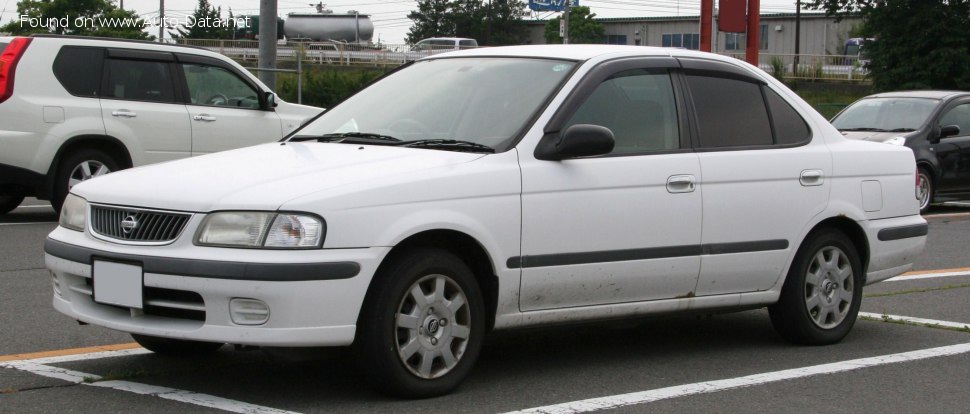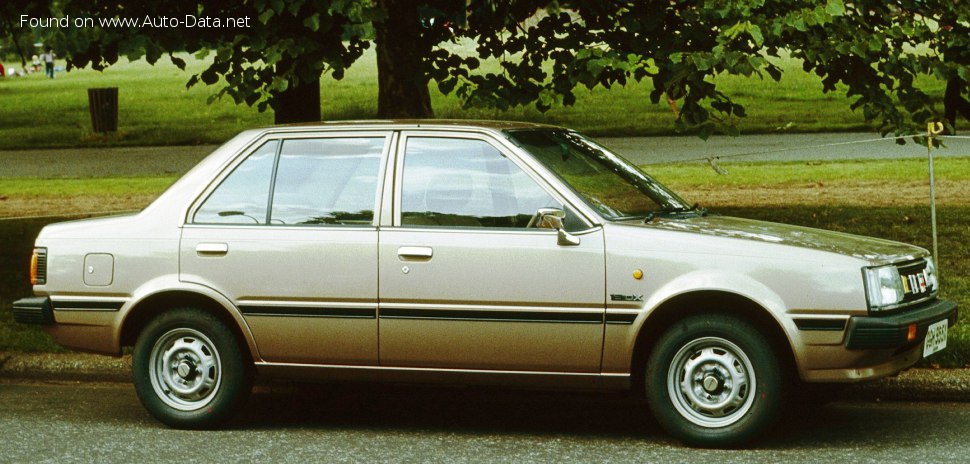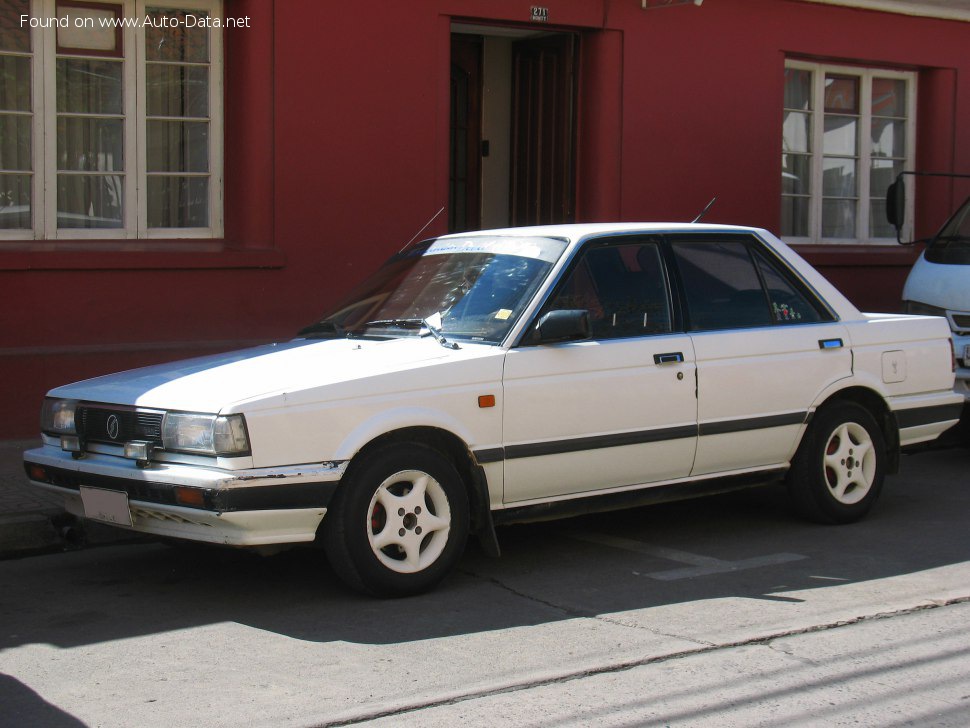
The Nissan Sunny II GA15DE (B12) 1.7 D (54 Hp): A Global Workhorse of the Late 1980s
The Nissan Sunny II, specifically the B12 generation, represents a pivotal era for Nissan’s global compact car strategy. Introduced in 1986, this generation continued the Sunny’s long-standing tradition of offering reliable, economical, and practical transportation to markets worldwide. While often known as the Sentra in North America, the B12 platform saw a diverse range of powertrains and body styles across different regions. This article focuses on a particularly utilitarian variant, the Nissan Sunny II GA15DE (B12) 1.7 D (54 Hp) sedan, a model primarily targeted at European, Asian, and other international markets where fuel efficiency and durability were paramount concerns, especially in the context of commercial fleets or family use where running costs were a significant factor. This diesel-powered sedan was a testament to Nissan’s engineering adaptability, catering to specific market demands with a focus on longevity and economy rather than outright performance.
Engine and Performance: The Heart of the Diesel Sunny II GA15DE (B12)
Under the hood of this specific Nissan Sunny II GA15DE (B12) variant lay a 1.7-liter naturally aspirated diesel engine, producing a modest 54 horsepower. In an era before common rail injection and turbocharging became ubiquitous in passenger diesels, this engine exemplified the robust and straightforward nature of diesel technology from the late 1980s. The “D” in its designation clearly indicates its diesel fuel type, setting it apart from its gasoline-powered siblings.
The powertrain architecture for the Nissan Sunny II GA15DE (B12) 1.7 D (54 Hp) was a classic front-wheel-drive setup, with the internal combustion engine driving the front wheels. This configuration was a hallmark of compact car design in the period, offering efficient packaging, improved traction in adverse conditions, and generally better fuel economy compared to rear-wheel-drive counterparts. While 54 horsepower might seem exceptionally low by today’s standards, it was deemed adequate for the intended purpose of this vehicle: reliable, economical transportation. The naturally aspirated design meant predictable power delivery, albeit without the surge of forced induction. Its torque characteristics, typical of a diesel, would have provided sufficient low-end grunt for city driving and hauling moderate loads, contributing to a sense of effortless progress despite the modest horsepower figure.
Performance metrics for such a vehicle would have prioritized fuel economy and longevity over acceleration figures. The 1.7-liter diesel engine was engineered for high mileage and low maintenance, making it an attractive option for buyers in regions where diesel fuel was prevalent and cost-effective. Its simplicity also meant fewer complex components, contributing to its reputation for reliability. This engine was not designed for spirited driving but rather for consistently delivering passengers and cargo from point A to point B with minimal fuss and maximum efficiency, a critical characteristic for a compact sedan in its market segment.
Design and Features: Functionality Over Flash
The Nissan Sunny II GA15DE (B12) 1.7 D (54 Hp) was offered exclusively as a 4-door sedan, a body style that epitomized practicality and family-oriented transport in the late 1980s. With seating for five occupants, the sedan offered a conventional and comfortable interior layout, making it suitable for both daily commutes and longer journeys. The design language of the B12 generation was typical of its era: a somewhat boxy, functional aesthetic that prioritized interior space and visibility. Sharp angles and a relatively upright greenhouse were common, ensuring a spacious cabin and a generous trunk for luggage.
Exterior styling cues would have been understated, focusing on aerodynamic efficiency for its time, but without the sleek, sculpted lines of modern vehicles. Practicality was key, with durable materials and finishes designed to withstand the rigors of daily use. Features would have been relatively basic compared to today’s standards. Expect manually operated windows, a simple heating and ventilation system, and perhaps an AM/FM radio as standard. Optional features might have included air conditioning or power steering, depending on the specific market and trim level. Safety features, while rudimentary by contemporary measures, would have included three-point seatbelts for front occupants and lap belts for rear passengers, along with a robust body structure designed to meet the crash standards of the late 1980s. The B12 Sunny’s interior would have emphasized durability and ease of cleaning, with hard-wearing fabrics and plastics chosen to endure years of family use.
The sedan body type was a global staple, offering a traditional silhouette that appealed to a broad demographic. Its four doors provided easy access for all passengers, and the separate trunk compartment offered secure and ample storage, a crucial consideration for families or individuals needing to carry luggage or groceries. The design ethos of the Nissan Sunny II GA15DE (B12) was one of honest utility, reflecting Nissan’s commitment to providing dependable and affordable mobility solutions across diverse international markets.
Technical Specifications: Nissan Sunny II GA15DE (B12) 1.7 D (54 Hp)
| General Information | |
|---|---|
| Brand | Nissan |
| Model | Sunny |
| Generation | Sunny II GA15DE (B12) |
| Type (Engine) | 1.7 D (54 Hp) |
| Start of Production | 1986 year |
| End of Production | 1991 year |
| Powertrain Architecture | Internal Combustion engine |
| Body Type | Sedan |
| Seats | 5 |
| Doors | 4 |
| Performance Specifications | |
| Fuel Type | Diesel |
| Power | 54 Hp |
| Engine Aspiration | Naturally aspirated engine |
| Drivetrain, Brakes and Suspension Specifications | |
| Drivetrain Architecture | The Internal combustion engine (ICE) drives the front wheels of the vehicle. |
| Drive Wheel | Front wheel drive |
Legacy and Market Impact: The Enduring Appeal of the Sunny
The Nissan Sunny II GA15DE (B12) 1.7 D (54 Hp) sedan played a significant role in solidifying Nissan’s reputation as a manufacturer of durable and economical vehicles, especially in markets outside of North America where this specific diesel variant thrived. Its reputation was built on unwavering reliability, exceptional fuel economy, and low running costs – attributes that resonated deeply with budget-conscious consumers and fleet operators alike. In regions like Europe, parts of Asia, and Africa, where diesel fuel was often cheaper and diesel engines were favored for their longevity and torque, the Sunny diesel became a common sight, serving reliably as family transport, taxis, and small business vehicles.
Competitors in its primary markets included other compact sedans offering similar diesel powertrains, such as the Toyota Corolla Diesel, the Honda Civic Diesel (though less common in this specific era), the Opel Kadett/Astra Diesel, Ford Escort Diesel, and the Volkswagen Jetta/Golf Diesel. Against these rivals, the Sunny distinguished itself with its characteristic Nissan dependability and a no-frills approach that prioritized functionality. While it might not have offered the same level of refinement or brand prestige as some European competitors, its straightforward engineering and robust construction often translated into fewer mechanical issues and easier maintenance over its operational life.
The historical significance of the Nissan Sunny II GA15DE (B12) lies in its contribution to Nissan’s global brand image as a provider of accessible and dependable mobility. It was a car that simply worked, day in and day out, without complaint. This generation of Sunny, and particularly its diesel variants, demonstrated Nissan’s commitment to tailoring its product offerings to specific regional needs, understanding that a one-size-fits-all approach was insufficient for a truly global automotive brand. The B12 Sunny’s legacy is one of quiet competence, a testament to the fact that not every car needs to be a performance leader or a technological marvel to leave a lasting impact. Instead, its impact was measured in the countless journeys it facilitated, the families it served, and the businesses it supported, proving that sometimes, the most important feature a car can offer is simply getting the job done, reliably and efficiently.