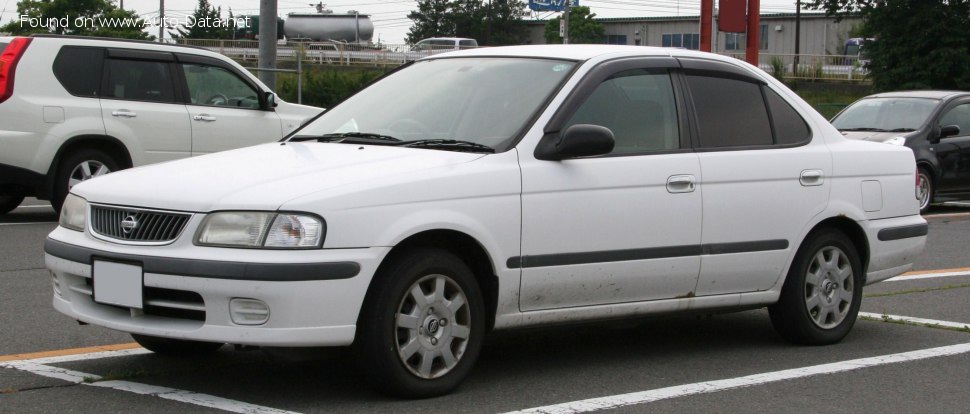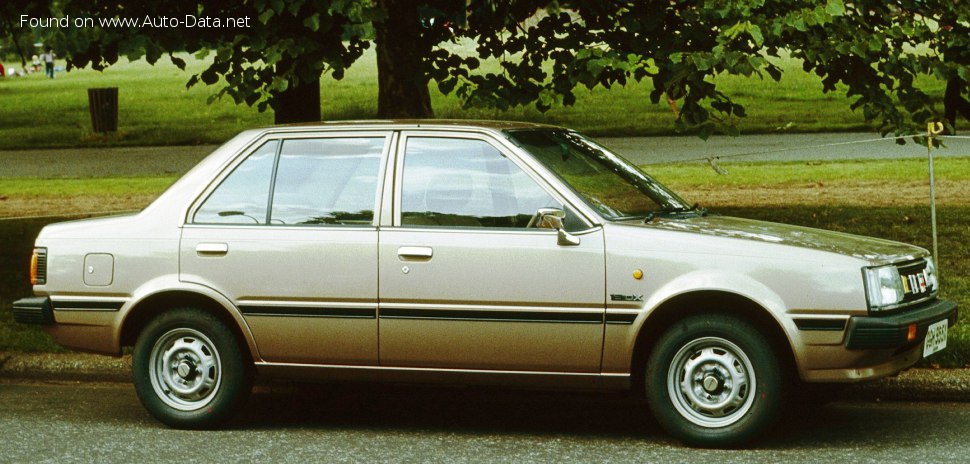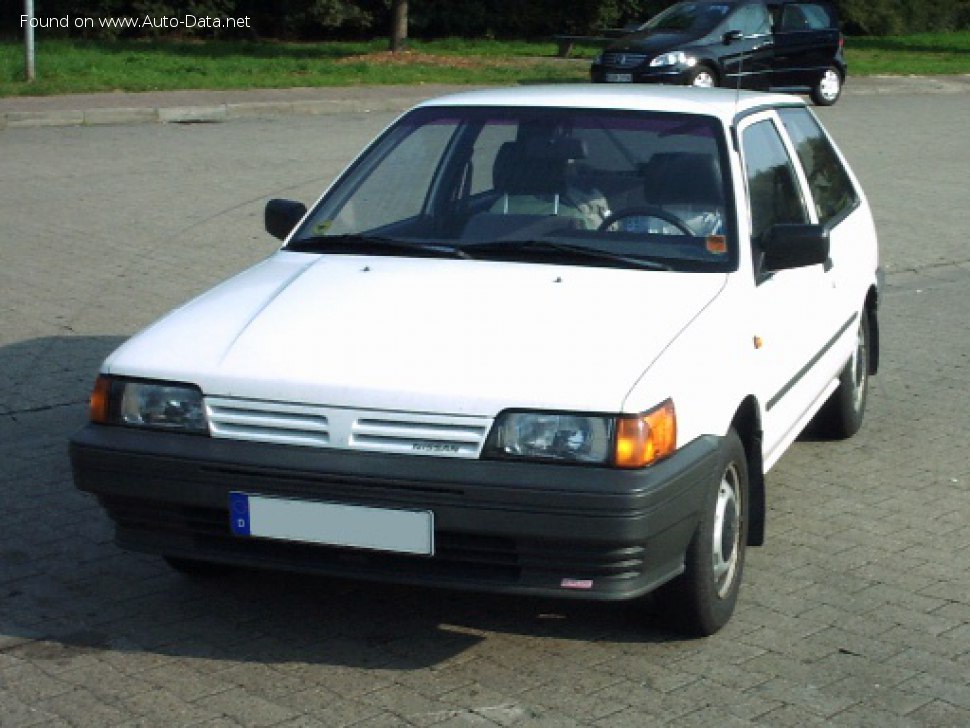
Introduction to the Nissan Sunny II Hatchback (N13)
The Nissan Sunny, a nameplate synonymous with reliable and economical transportation across numerous global markets, represents a pivotal model in Nissan’s extensive portfolio. The second generation of the Sunny hatchback, specifically the N13 series, built upon this legacy, offering a practical and accessible compact car solution. Produced from 1989 to 1991, the
Nissan Sunny II Hatchback (N13)
was a direct successor to the N12 generation, bringing with it updated styling, improved ergonomics, and refined mechanicals. While the Sunny name was largely absent from the North American market, where Nissan offered models like the Sentra (which shared platforms with the Sunny in various generations), the N13 was a robust competitor in Europe, Asia, Africa, and Australia. It was positioned as a sensible choice for families and individuals seeking a dependable, fuel-efficient, and easy-to-maintain vehicle without pretension. The 1.4 LX (75 Hp) variant, in particular, embodied the core philosophy of the N13 generation: offering adequate performance for daily driving combined with the inherent versatility of a hatchback body style. This model served as a workhorse, often lauded for its durability and low running costs, cementing its place in the automotive landscape of the late 1980s and early 1990s.
Engine and Performance of the Nissan Sunny II Hatchback (N13) 1.4 LX (75 Hp)
Powering the
Nissan Sunny II Hatchback (N13)
1.4 LX was a naturally aspirated 1.4-liter gasoline engine, engineered for efficiency and reliability rather than outright speed. This inline-four cylinder unit generated a modest but entirely competent 75 horsepower. For its era and market segment, this power output was considered perfectly adequate for the vehicle’s intended purpose. The engine’s design prioritized smooth operation and fuel economy, making it an ideal companion for both urban commuting and longer highway journeys. As a naturally aspirated engine, it delivered power in a linear and predictable fashion, contributing to an easy and forgiving driving experience.
The focus on a straightforward, robust powertrain meant that maintenance was generally simple and cost-effective, a significant factor for buyers in its primary markets. While specific torque figures are not provided, a 1.4-liter engine of this period producing 75 horsepower would typically offer a healthy amount of low-end torque, ensuring decent acceleration from a standstill and sufficient pulling power in various driving conditions. This engine was paired with a manual transmission, common for vehicles in this class, offering drivers direct control and further enhancing fuel efficiency. The powertrain architecture, being a conventional internal combustion engine, reflected the prevalent technology of the late 1980s, emphasizing proven engineering over experimental advancements. The 1.4 LX variant truly embodied the spirit of practical motoring, delivering a dependable and economical driving solution for millions.
Design and Features of the Nissan Sunny II Hatchback (N13)
Exterior Design
The
Nissan Sunny II Hatchback (N13)
adopted a contemporary design for its time, characterized by clean lines and a functional aesthetic. The hatchback body style was a popular choice in compact car segments globally, offering a compelling blend of passenger space and cargo versatility. The N13 generation moved away from some of the sharper, more angular designs of the early 1980s, towards a slightly softer, more rounded profile, though still retaining a distinctly Japanese “box-on-box” efficiency. Its compact dimensions made it nimble in city traffic and easy to park, while large glass areas ensured excellent outward visibility, a key safety and convenience feature often overlooked in modern designs. The LX trim level typically indicated a slightly more equipped version compared to base models, potentially including features like color-keyed bumpers or more elaborate wheel covers, though still maintaining a focus on practicality rather than luxury.
Interior and Practicality
Inside, the N13 Hatchback was designed with user-friendliness and durability in mind. The cabin offered seating for five, though the rear bench was more comfortable for two adults on longer journeys. The primary advantage of the hatchback configuration was its flexible cargo capacity. With the rear seats in place, the trunk provided ample space for groceries or luggage, and when folded down, it transformed into a surprisingly cavernous area capable of accommodating larger items, making it highly practical for diverse needs.
Features within the 1.4 LX were straightforward and focused on essential comforts and functionality. Power steering was likely standard or optional, aiding maneuverability. Depending on the specific market and trim level, amenities might have included a basic AM/FM radio, manual windows, and manual air conditioning. Safety features, by late 1980s standards, were primarily passive, relying on the car’s structural integrity, seatbelts, and crumple zones. Airbags were not standard on vehicles in this class at this time, highlighting the evolution of automotive safety over the decades. The interior materials were chosen for their hard-wearing properties, designed to withstand years of daily use, contributing to the Sunny’s reputation for longevity.
Technical Specifications: Nissan Sunny II Hatchback (N13) 1.4 LX (75 Hp)
| Category | Specification |
|---|---|
| Brand | Nissan |
| Model | Sunny |
| Generation | Sunny II Hatchback (N13) |
| Variant | 1.4 LX (75 Hp) |
| Production Start | 1989 year |
| Production End | 1991 year |
| Powertrain Architecture | Internal Combustion engine |
| Body Type | Hatchback |
| Fuel Type | Petrol (Gasoline) |
| Engine Displacement | 1.4 Liters |
| Power | 75 Hp |
| Engine Aspiration | Naturally aspirated engine |
Legacy and Market Impact of the Nissan Sunny II Hatchback (N13)
The
Nissan Sunny II Hatchback (N13)
, particularly variants like the 1.4 LX, played a crucial role in Nissan’s global strategy during the late 1980s and early 1990s. While not a headline-grabbing performance machine, its impact was profound in its ability to provide reliable, affordable, and practical transportation to a vast demographic. The Sunny nameplate, in its various forms, became synonymous with dependability, a reputation that the N13 generation enthusiastically upheld. Its simple, robust engineering meant fewer complex components to fail, contributing to a low cost of ownership and high owner satisfaction.
In its primary markets, such as Europe, Asia, and Australia, the N13 faced stiff competition from a host of established rivals. In Europe, it contended with popular models like the Volkswagen Golf, Ford Escort, Opel Kadett (later Astra), and Renault 19, all vying for market share in the fiercely competitive compact hatchback segment. In Asia, it competed against fellow Japanese stalwarts like the Honda Civic and Toyota Corolla, all of which offered similar propositions of reliability and practicality. The Sunny N13 carved out its niche by consistently delivering on its promise of value and durability, often appealing to buyers who prioritized longevity and economy over cutting-edge technology or sporty performance.
The N13’s historical significance lies in its contribution to Nissan’s image as a producer of dependable, globally relevant vehicles. It was a car that simply got the job done, day in and day out, without fuss. This unwavering reliability fostered strong brand loyalty and helped Nissan maintain a significant presence in numerous international markets. Even decades later, many N13 Sunny models continue to be seen on roads in various parts of the world, a testament to their inherent build quality and the enduring nature of their design. The
Nissan Sunny II Hatchback (N13)
1.4 LX stands as a quiet but powerful example of an automotive workhorse that genuinely impacted the daily lives of countless drivers, embodying the essence of practical and accessible motoring for its generation.