The Nissan Sunny II Hatchback (N13): A Global Compact Pioneer
The Nissan Sunny, a nameplate synonymous with reliable and economical compact transportation for decades, saw numerous iterations throughout its storied history. Among these, the second generation of the Nissan Sunny Hatchback, internally designated as N13, played a crucial role in Nissan’s global strategy during the mid-to-late 1980s. Specifically, the 1.5-liter variant, producing 71 horsepower, represented a practical and accessible option for drivers seeking efficient and dependable personal mobility. Launched in 1986 and produced until 1988, this particular model was a staple in markets outside North America, particularly in Europe and Asia, where its blend of Japanese engineering, practical design, and affordability resonated strongly with a broad consumer base. While its sedan counterpart was often rebadged as the Sentra in the United States, the Nissan Sunny II Hatchback (N13), with its distinct body style and powertrain offerings, carved its own niche in international markets.
Engine and Performance of the Nissan Sunny II Hatchback (N13) 1.5 (71 Hp)
At the heart of the 1986-1988 Nissan Sunny II Hatchback (N13) 1.5 lay a modest yet highly dependable 1.5-liter gasoline engine. This powerplant was designed with efficiency and longevity in mind, characteristic of Nissan’s engineering philosophy for its compact vehicles during that era. As a naturally aspirated engine, it delivered a straightforward power curve without the complexities of forced induction, contributing to its reputation for reliability and ease of maintenance. The engine generated 71 horsepower, a figure that, while not indicative of sporty aspirations, was entirely adequate for the vehicle’s intended purpose as an urban commuter and light-duty family car.
The 71 horsepower output, combined with the relatively light curb weight typical of compact hatchbacks from the 1980s, provided sufficient acceleration for city driving and comfortable cruising on highways. Fuel economy was a significant selling point, and the 1.5-liter unit was engineered to deliver competitive mileage figures, making it an economical choice for budget-conscious consumers. The powertrain architecture, based on an internal combustion engine, reflected the prevalent technology of the time, emphasizing durability and proven mechanical solutions. This engine was paired with a manual transmission, common for vehicles in this segment, offering drivers direct control and further enhancing fuel efficiency. The focus was less on raw speed and more on delivering a consistent, predictable, and economical driving experience, a formula that proved highly successful for Nissan in various international markets.
Design and Features: The Practicality of the Nissan Sunny II Hatchback (N13)
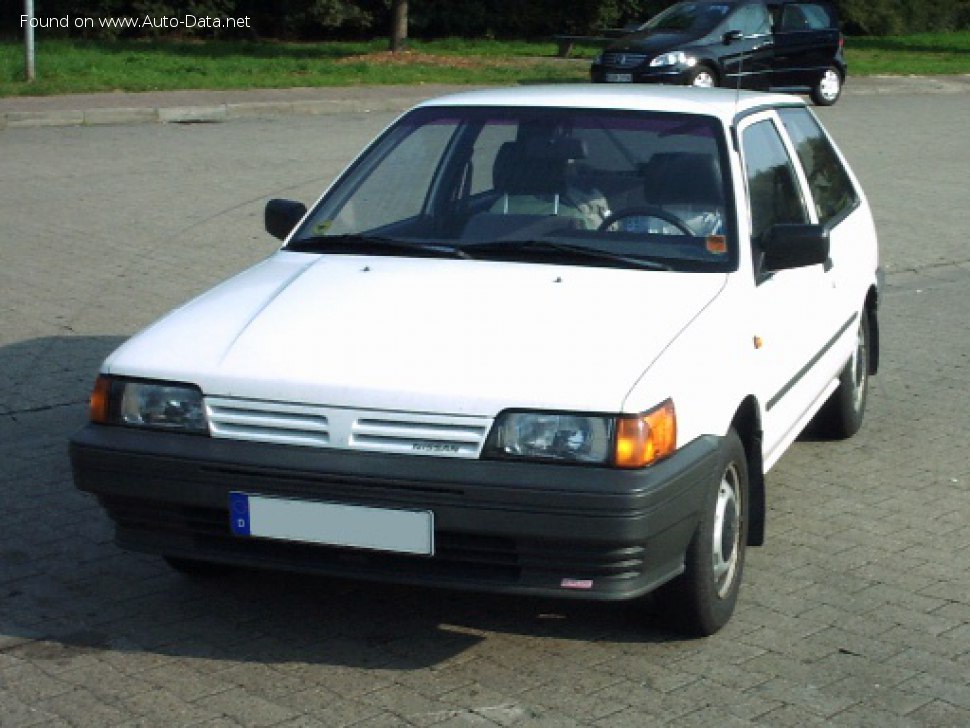
The design of the Nissan Sunny II Hatchback (N13) was a clear reflection of automotive aesthetics and functional priorities of the mid-1980s. It embraced a practical, somewhat boxy yet subtly rounded silhouette, characteristic of the era’s compact car design, which aimed to maximize interior space within a small footprint. The hatchback body style was particularly popular in Europe and Asia for its versatility, offering a generous cargo area accessible via a large rear hatch, making it ideal for everything from grocery runs to weekend trips. This design choice provided a significant advantage over its sedan counterparts in terms of cargo flexibility, a key factor for many buyers.
Inside, the N13 Sunny Hatchback prioritized ergonomics and straightforward usability. The cabin, while not opulent, was thoughtfully laid out, with controls that were easy to reach and operate. Materials were durable and designed to withstand years of daily use, aligning with the car’s reputation for robustness. Features, though basic by modern standards, were appropriate for its class in the 1980s. Expect standard amenities like a simple radio, manual window winders, and perhaps optional air conditioning in some markets. Safety features were rudimentary compared to today’s vehicles, typically including seatbelts and a sturdy body structure, but advanced systems like airbags or anti-lock brakes were still luxury items or not yet widely adopted in this segment. The emphasis was on providing a reliable, no-frills transportation solution that was easy to maintain and offered good value for money, qualities that made the Nissan Sunny a household name globally.
Technical Specifications: Nissan Sunny II Hatchback (N13) 1.5 (71 Hp)
| Specification | Detail |
|---|---|
| Brand | Nissan |
| Model | Sunny |
| Generation | Sunny II Hatchback (N13) |
| Engine Type | 1.5 (71 Hp) |
| Start of Production | 1986 year |
| End of Production | 1988 year |
| Powertrain Architecture | Internal Combustion engine |
| Body Type | Hatchback |
| Fuel Type | Petrol (Gasoline) |
| Power | 71 Hp |
| Engine Aspiration | Naturally aspirated engine |
Legacy and Market Impact of the Nissan Sunny II Hatchback (N13)
The Nissan Sunny II Hatchback (N13) 1.5 (71 Hp) might not be celebrated for groundbreaking performance or revolutionary design, but its legacy is firmly rooted in its unwavering reliability and economic viability. This model, like many of its Sunny predecessors and successors, solidified Nissan’s reputation as a purveyor of dependable, cost-effective vehicles across the globe. In its primary markets, particularly in Europe and various Asian countries, the N13 Hatchback was a formidable competitor against other compact segment stalwarts such as the Toyota Corolla Hatchback, Honda Civic Hatchback, Volkswagen Golf Mk2, and the Ford Escort. Its Japanese engineering prowess, known for meticulous quality control and durable components, often gave it an edge in terms of long-term ownership costs and mechanical fortitude.
The market impact of the N13 generation, and specifically the hatchback variant, was significant in reinforcing Nissan’s presence in the highly competitive compact car segment. It served as a practical, no-nonsense option for individuals and small families, contributing to Nissan’s overall sales volume and brand loyalty. The Sunny’s reputation for being a ‘set it and forget it’ kind of car, requiring minimal fuss and delivering consistent performance, made it a popular choice among those who prioritized practicality over flashiness. While it may not have garnered the same enthusiast following as some of its sportier contemporaries, its contribution to everyday mobility for millions of people cannot be overstated.
The relatively short production run of the 1.5 (71 Hp) variant from 1986 to 1988 was typical of the rapid evolution within the compact car market during that period, with manufacturers frequently updating models to stay competitive. Despite its brevity, this specific model year range for the Nissan Sunny II Hatchback (N13) played its part in the broader narrative of the Sunny lineage, a line of vehicles that consistently delivered on the promise of reliable, affordable, and efficient transportation. It stands as a testament to Nissan’s enduring commitment to accessible automotive engineering, a philosophy that continues to shape its product offerings even today.