The Nissan Sunny II (N13) 1.6 GTI 16V: Nissan’s Hot Hatch Contender
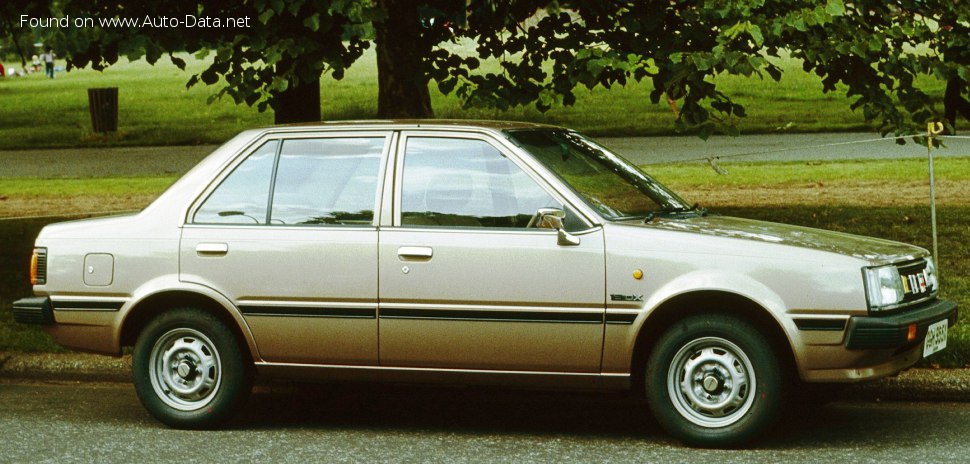
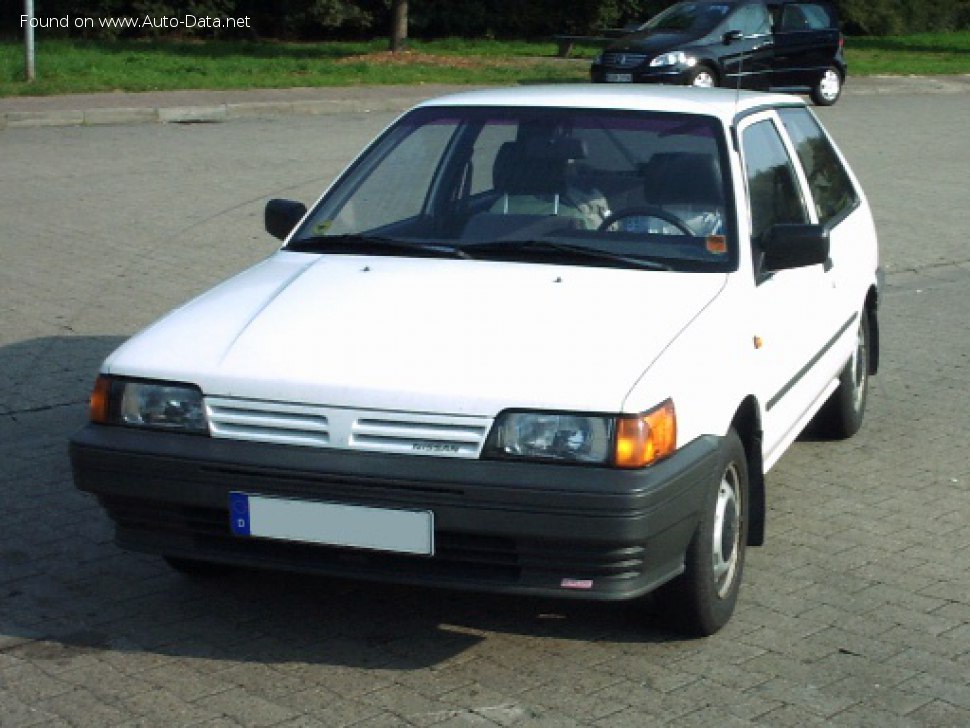
The Nissan Sunny II (N13), known across various global markets, including Japan, as the Nissan Pulsar, represented a crucial compact car offering from the Japanese automaker Nissan. Produced from 1986 to 1991, the N13 generation marked a significant evolutionary step from its predecessor. It embraced a more contemporary, rounded, and aerodynamic design aesthetic, a trend that was rapidly gaining traction throughout the late 1980s automotive landscape. While the N13 range was diverse, encompassing sedans, coupes, and station wagons, it was the three- and five-door hatchback variants that provided Nissan with a platform to enter the burgeoning and highly competitive European hot hatch market segment. At the forefront of this endeavor was the Nissan Sunny 1.6 GTI 16V, a performance-oriented model that debuted in 1987 and was manufactured through 1989. This particular variant was engineered with a clear objective: to directly challenge established European performance icons such as the Volkswagen Golf GTI, Peugeot 205 GTI, and Ford Escort XR3i. It aimed to offer a compelling alternative, characterized by a distinct blend of Nissan’s renowned Japanese engineering prowess, exceptional reliability, and engaging performance.
Engine and Performance: The CA16DE Powerplant
At the very core of the Nissan Sunny GTI’s spirited character was its sophisticated powertrain, the CA16DE engine. This naturally aspirated 1.6-liter (1598 cc) inline-four-cylinder engine was a standout in its class, primarily due to its advanced design and technical specifications for the era. It proudly featured a dual overhead camshaft (DOHC) configuration, coupled with four valves per cylinder, totaling 16 valves. This DOHC 16V architecture was still a relatively uncommon sight in mainstream compact cars during the late 1980s, typically reserved for more premium or performance-focused vehicles. The multi-valve setup allowed the engine to breathe significantly more efficiently, especially at higher revolutions, contributing to its free-revving nature and an impressive surge of power at the top end of the rev range. Fueling was meticulously managed by Nissan’s ECCS (Electronic Concentrated Control System), an advanced multi-point electronic fuel injection system. This system provided precise fuel metering, leading to enhanced performance, improved fuel efficiency, and sharper throttle response compared to the more basic carbureted or single-point injection systems often found on lower-trim models of the period.
This high-tech engine delivered a peak power output of 110 horsepower (81 kW; 108 bhp) at a relatively high 6,400 rpm, underscoring its high-revving design. Maximum torque was rated at 98 lb-ft (133 Nm) at 5,200 rpm, providing a strong mid-range pull. Power was exclusively channeled to the front wheels through a crisp-shifting five-speed manual transmission, which was the sole gearbox option for the GTI model. This well-matched powertrain endowed the lightweight hatchback with genuinely spirited performance credentials. The Sunny GTI was capable of accelerating from 0 to 62 mph (100 km/h) in approximately 9.0 seconds and could achieve a top speed of around 118 mph (190 km/h). These figures placed it firmly in contention with its European rivals, demonstrating Nissan’s commitment to creating a competitive performance vehicle. The CA16DE engine garnered widespread praise from automotive journalists and enthusiasts alike for its remarkable smoothness, bulletproof reliability, and eagerness to rev, collectively contributing to an engaging and enjoyable driving experience.
Chassis and Handling Enhancements for the Nissan Sunny 1.6 GTI 16V
To complement the potent CA16DE engine, Nissan undertook significant modifications and upgrades to the N13 chassis specifically for the GTI variant. While standard Sunny models were engineered to offer a comfortable and compliant ride, the GTI’s suspension system was thoroughly retuned to achieve superior handling dynamics and enhanced road-holding capabilities. The vehicle retained the platform’s fully independent suspension setup, a notable advantage over some competitors. This configuration featured MacPherson struts at the front, known for their compact design and effective damping, and a sophisticated parallel link system at the rear. The parallel link design offered better wheel control and stability compared to the simpler and often less effective torsion beam rear axles prevalent in many contemporary compact cars.
For the GTI, Nissan implemented a series of targeted modifications: stiffer springs were installed to reduce compression and improve responsiveness, uprated dampers were fitted to better control body movements and absorb road imperfections, and thicker anti-roll bars were added at both the front and rear axles. These enhancements worked in concert to significantly reduce body roll during aggressive cornering maneuvers, sharpen steering response, and provide the driver with a more connected and communicative feel with the road surface. Braking performance was also commensurate with the car’s increased speed potential. The system was enhanced with ventilated disc brakes at the front, which dissipate heat more effectively under heavy use, and solid disc brakes at the rear, ensuring consistent, fade-resistant stopping power and confident deceleration from high speeds.
Design and Interior Features
Visually, the Nissan Sunny 1.6 GTI 16V distinguished itself from its more utilitarian siblings through a subtly aggressive yet highly effective aerodynamic body kit. This package included a deeper front bumper, thoughtfully integrated with fog lights, which not only enhanced the car’s aesthetic appeal but also improved visibility in adverse conditions. Sculpted side skirts visually lowered the car’s profile, while a redesigned rear bumper and a prominent, tailgate-mounted spoiler further accentuated its sporting intentions. These elements were not merely cosmetic; they collectively contributed to a more aggressive and purposeful stance and played a functional role in improving aerodynamic stability at higher speeds. The exterior transformation was completed with unique 14-inch alloy wheels, which provided both a visual upgrade and reduced unsprung weight, along with discreet GTI and 16V badging that subtly announced its performance pedigree.
Inside the cabin, the sporting treatment continued, creating an environment focused on driver engagement. Ergonomically designed sports seats, featuring enhanced side bolsters, offered superior lateral support for both the driver and front passenger during spirited driving, ensuring occupants remained firmly in place. The driver was greeted by a three-spoke, leather-wrapped sports steering wheel, which offered a tactile and confident grip. A comprehensive instrument cluster provided all necessary information at a glance, including a prominent tachometer, essential for monitoring engine revolutions during performance driving. While perhaps not as overtly raw or minimalist as some of its French hot hatch counterparts, the Nissan Sunny GTI offered a compelling package that combined sophisticated engineering, spirited performance, and a high level of standard equipment, solidifying its position as a capable and often-underrated contender in the golden era of the hot hatchback.
Technical Specifications: Nissan Sunny 1.6 GTI 16V (N13)
| Feature | Specification |
|---|---|
| Model | Nissan Sunny 1.6 GTI 16V (N13) |
| Production Years | 1987-1989 |
| Engine Code | CA16DE |
| Engine Type | Inline-four, DOHC 16-valve |
| Displacement | 1.6 liters (1598 cc) |
| Fuel System | ECCS Multi-point Electronic Fuel Injection |
| Aspiration | Naturally Aspirated |
| Max Power | 110 hp (81 kW; 108 bhp) at 6,400 rpm |
| Max Torque | 98 lb-ft (133 Nm) at 5,200 rpm |
| Drivetrain | Front-Wheel Drive (FWD) |
| Transmission | 5-speed Manual |
| 0-62 mph (0-100 km/h) | Approx. 9.0 seconds |
| Top Speed | Approx. 118 mph (190 km/h) |
| Front Suspension | MacPherson Struts |
| Rear Suspension | Parallel Link System |
| Front Brakes | Ventilated Discs |
| Rear Brakes | Solid Discs |
| Wheels | 14-inch Alloy |
Legacy and Market Impact of the Nissan Sunny 1.6 GTI 16V
The Nissan Sunny 1.6 GTI 16V emerged during a truly iconic period for hot hatchbacks, a time when manufacturers fiercely competed to offer the most engaging and accessible performance cars to a broad audience. While it may not have achieved the household name recognition of some of its European counterparts, particularly in markets where it wasn’t officially sold, such as the United States, its impact in its primary European market was significant. The Sunny GTI carved out a niche for itself as a highly capable and, in many respects, an underrated contender.
Its primary competitors were formidable: the Volkswagen Golf GTI set the benchmark, the Peugeot 205 GTI was celebrated for its raw agility, and the Ford Escort XR3i offered a blend of practicality and sportiness. Against these titans, the Nissan Sunny GTI offered a distinct proposition. It leveraged Nissan’s burgeoning reputation for advanced engineering and exceptional reliability, qualities that often translated into lower running costs and greater peace of mind for owners. This blend of dependable Japanese engineering with genuine performance capabilities made it a compelling choice for buyers seeking excitement without sacrificing practicality or longevity.
The Nissan Sunny 1.6 GTI 16V contributed positively to Nissan’s image, demonstrating the brand’s ability to produce engaging and technologically advanced performance vehicles beyond its more traditional, larger sports cars. It showcased Nissan’s understanding of the European market’s demands for a compact, fun-to-drive, yet sensible car. Today, the Sunny GTI is remembered by enthusiasts as a well-engineered, engaging, and often overlooked gem from the late 1980s hot hatch scene. Its sophisticated engine, well-tuned chassis, and subtle sporting enhancements cemented its place as a legitimate participant in what many consider the “golden era” of the hot hatchback, a testament to Nissan’s global engineering capabilities and its ambition to compete at the highest levels of performance in various segments.