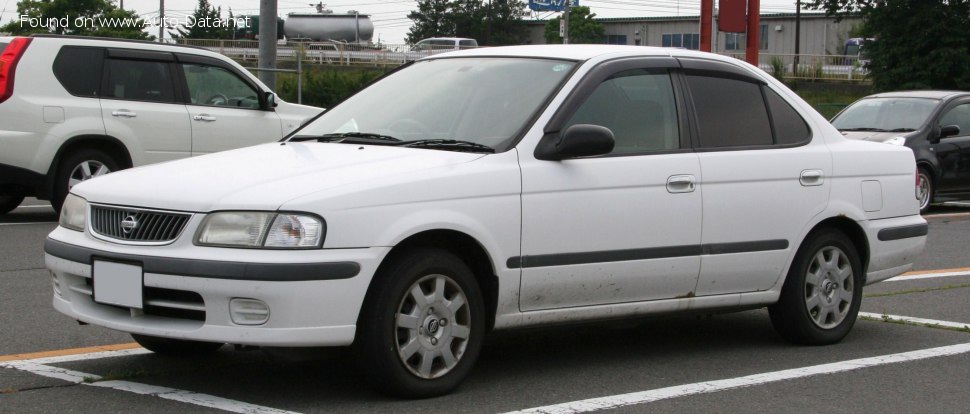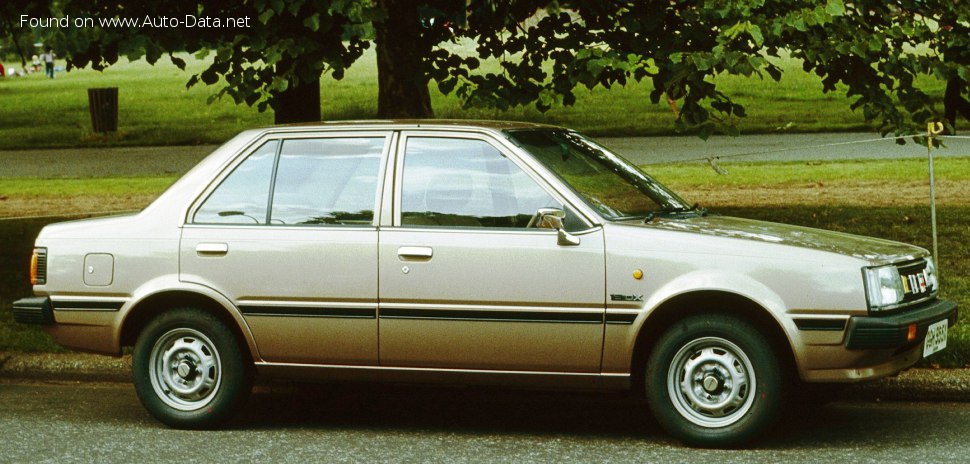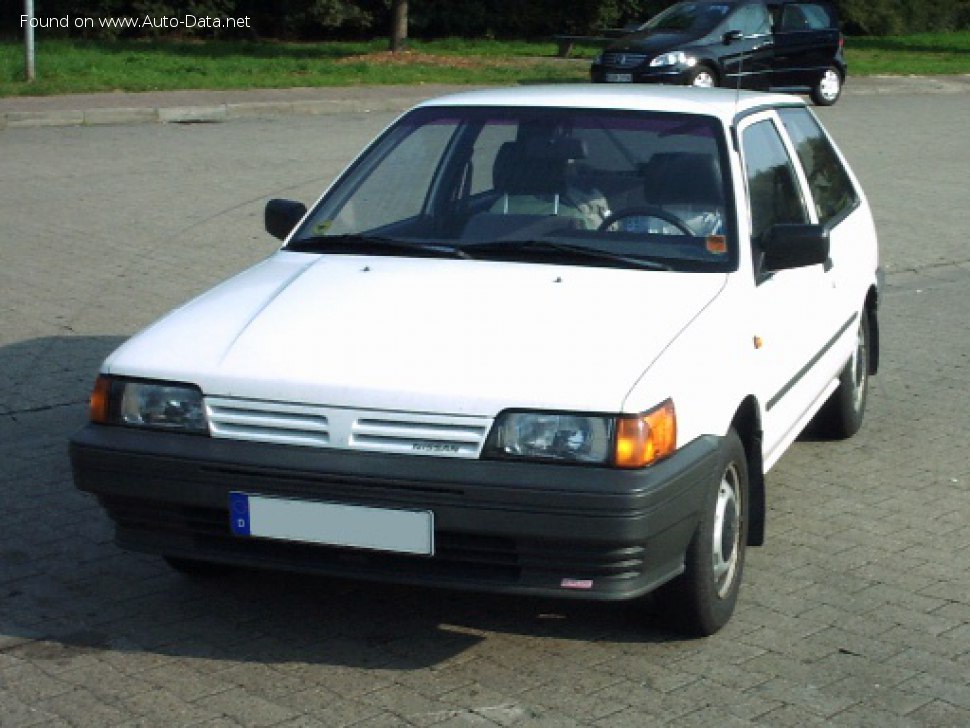
Introduction: The Nissan Sunny II Hatchback (N13)
The Nissan Sunny, a nameplate synonymous with reliable and economical compact transportation, saw its sixth generation, internally designated N13, roll off production lines from 1986 to 1990. Globally recognized and sold under various monikers, including the Nissan Sentra in North America, the Nissan Sunny II Hatchback (N13) represented Nissan’s formidable entry in the highly competitive compact car segment during the late 1980s. This particular iteration, the 1.6 i 12V with 90 horsepower, stood out as a popular choice, balancing everyday practicality with sufficient performance for its time. It was a vehicle designed to appeal to a broad demographic, from first-time car buyers to small families, offering a blend of Nissan’s burgeoning front-wheel-drive technology, efficient powertrains, and a reputation for steadfast durability.
The N13 generation marked a significant evolution for the Sunny line. Building on the success of its predecessors, it introduced more refined styling, improved aerodynamics, and enhanced interior packaging. Available in various body styles, including sedans, coupes, and station wagons, the hatchback variant, in particular, offered versatility and a youthful appeal. The 1.6 i 12V model, positioned as a mid-range offering, was crucial in solidifying the N13’s reputation for delivering solid value and dependable performance across diverse international markets.
The Nissan Sunny II Hatchback (N13) in the Global Market
The Nissan Sunny series has always been a cornerstone of Nissan’s global strategy, serving as a workhorse compact car in numerous markets worldwide. The N13 generation continued this tradition, adapting its identity to regional preferences. In North America, it was primarily known as the Sentra, a nameplate that had already established a strong foothold. The Sentra N13 shared much of its underlying architecture and powertrain options with its Sunny counterpart, though styling cues and trim levels were often tailored to American consumer tastes. This adaptability allowed Nissan to compete directly with giants like the Honda Civic and Toyota Corolla, both of which were also gaining significant traction in the U.S. market during this period.
In Europe and Asia, where the Sunny name was retained, the N13 was instrumental in bolstering Nissan’s market share. It was perceived as a sensible, no-nonsense car that offered good fuel economy and low running costs, attributes highly valued in these regions. Its robust build quality and straightforward mechanicals made it a favorite among those seeking reliable transportation without excessive frills. The hatchback body style, in particular, was popular in European cities for its compact dimensions and practical cargo space, making it adept at navigating tight urban environments while still offering enough room for weekend excursions. The N13 generation truly showcased Nissan’s ability to engineer a single platform for global consumption, with slight modifications to meet local regulations and consumer demands.
Engine and Performance: The 1.6 i 12V Powerplant
At the heart of the particular Nissan Sunny II Hatchback (N13) variant was a naturally aspirated 1.6-liter (1597 cc) inline-four gasoline engine. This powerplant, featuring a 12-valve configuration (three valves per cylinder), was engineered for a balance of efficiency and responsiveness, a common characteristic of Japanese engines from this era. It produced a respectable 90 horsepower, a competitive figure for a compact car in the late 1980s. This power output, combined with the N13’s relatively light curb weight, ensured adequate acceleration for city driving and comfortable cruising on highways.
The engine’s naturally aspirated design meant predictable power delivery, without the lag associated with early turbocharging technologies. It was known for its smooth operation and impressive reliability, often capable of accumulating high mileage with proper maintenance. Fueling was managed by an electronic fuel injection system, denoted by the “i” in its name (“1.6 i 12V”). This was a significant technological advancement over carbureted systems, offering improved fuel efficiency, lower emissions, and better cold-start performance, all crucial factors as automotive regulations began to tighten globally. The engine was typically paired with either a 5-speed manual transmission or an optional automatic transmission, both designed to optimize the engine’s power band for various driving conditions.
Design and Features: Late 1980s Compact Utility
The design of the Nissan Sunny II Hatchback (N13) reflected the prevailing automotive aesthetics of the late 1980s. It featured a more rounded, aerodynamic profile compared to its boxier predecessors, a trend driven by the industry’s pursuit of better fuel economy and reduced wind noise. The hatchback body style offered a pragmatic solution for many buyers, providing a flexible cargo area accessible via a large rear hatch, making it ideal for hauling groceries, luggage, or even small pieces of furniture. Its compact footprint, measuring around 158 inches in length, contributed to its maneuverability and ease of parking in urban environments.
Inside, the N13 Sunny focused on functionality and ergonomic design. The cabin was straightforward, with controls logically placed and easy to operate. While not luxurious, the materials were durable and designed to withstand years of use. Standard features for the 1.6 i 12V model typically included cloth upholstery, a basic AM/FM radio, and manual windows and door locks. Higher trim levels or optional packages might have added features like power steering, air conditioning, and a tachometer, which were considered desirable conveniences at the time. Safety features, while rudimentary by today’s standards, included three-point seatbelts for front occupants and optional rear window defrosters. The overall interior packaging aimed to maximize passenger space within the compact dimensions, offering comfortable seating for four adults, or five for shorter trips.
Technical Specifications for the Nissan Sunny II Hatchback (N13) 1.6 i 12V (90 Hp)
| Attribute | Specification |
|---|---|
| Brand | Nissan |
| Model | Sunny |
| Generation | Sunny II Hatchback (N13) |
| Type (Engine) | 1.6 i 12V (90 Hp) |
| Start of production | 1986 year |
| End of production | 1990 year |
| Powertrain Architecture | Internal Combustion engine |
| Body type | Hatchback |
| Fuel Type | Petrol (Gasoline) |
| Power | 90 Hp |
| Engine aspiration | Naturally aspirated engine |
Legacy and Market Impact of the N13 Sunny
The Nissan Sunny II Hatchback (N13), particularly the 1.6 i 12V variant, left a significant mark on the compact car segment during its production run. Its primary legacy is one of unwavering reliability and exceptional value. Nissan had cultivated a strong reputation for building durable vehicles, and the N13 Sunny reinforced this image. Owners often praised its low maintenance costs and its ability to withstand years of rigorous daily use, making it a popular choice for budget-conscious consumers and fleet operators alike. This dependability was a key competitive advantage against rivals.
In its competitive landscape, the N13 Sunny faced formidable opposition. In North America, as the Sentra, it battled directly with the highly popular Honda Civic and Toyota Corolla, both of which offered similar packages of economy, reliability, and practicality. In Europe, it contended with European stalwarts like the Volkswagen Golf, Opel Kadett (Vauxhall Astra), and Ford Escort, while in Asian markets, it competed with a broader range of domestic and international compacts. Despite this fierce competition, the N13 managed to carve out a substantial niche, particularly appealing to those who valued straightforward engineering and a proven track record.
The N13 generation also represented a period of transition for Nissan, as the company continued to refine its front-wheel-drive platforms and integrate more advanced electronic systems, such as fuel injection, into its mainstream models. While not a groundbreaking design icon, the Sunny N13 was a solid, well-engineered vehicle that contributed significantly to Nissan’s global sales success in the late 1980s. Its widespread availability and long service life mean that examples can still be found on roads today, a testament to its enduring quality and the robust engineering principles that guided its creation. The Nissan Sunny II Hatchback (N13) remains an important chapter in the history of compact cars, embodying the era’s focus on practicality, efficiency, and accessible technology.