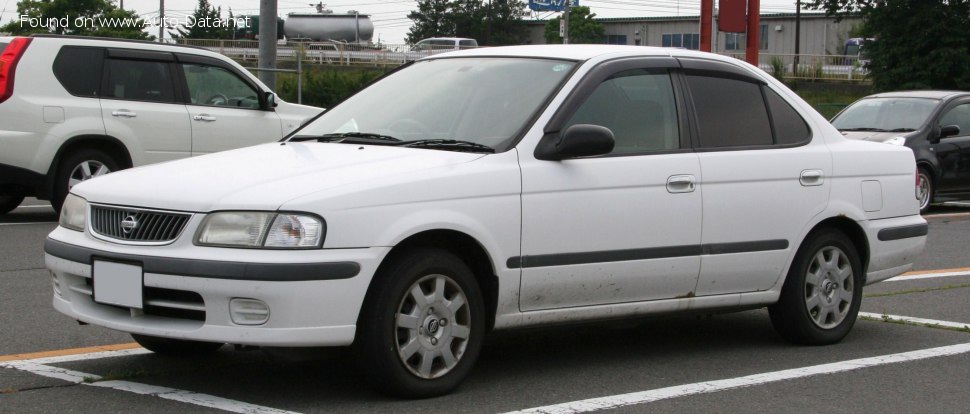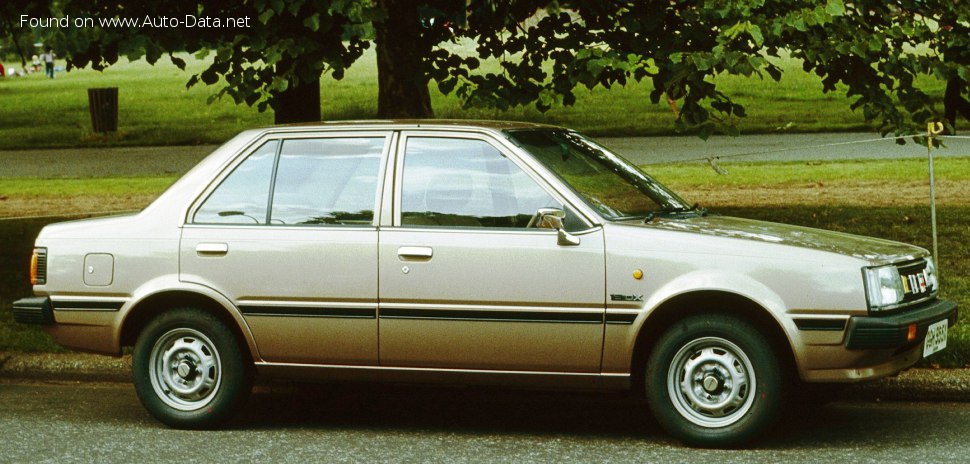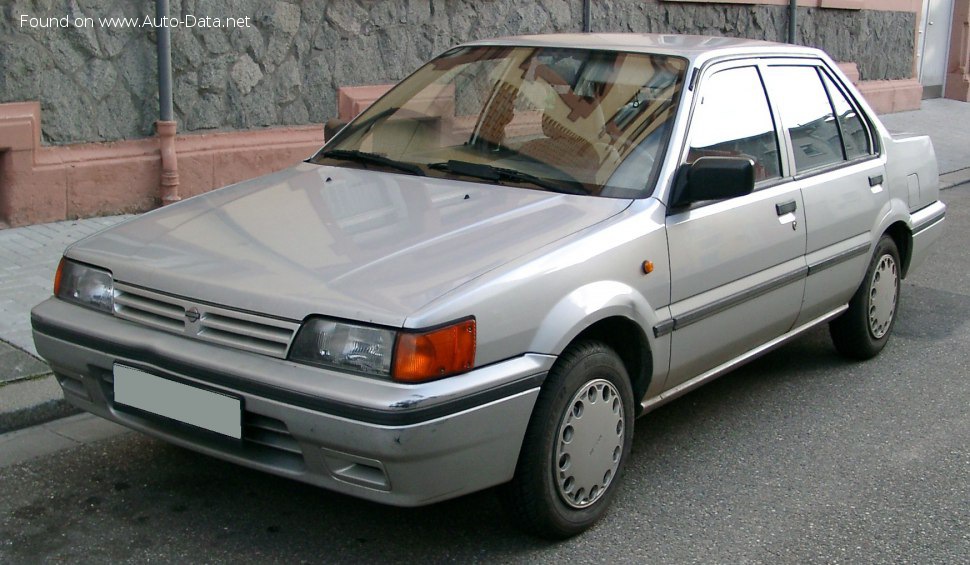
Introduction to the Nissan Sunny II (N13) 1.4 LX (75 Hp)
The Nissan Sunny, a nameplate synonymous with reliable and economical compact transportation across numerous global markets, saw its second generation under the N13 chassis code, produced from 1988 to 1991. This particular iteration, the Nissan Sunny II (N13) 1.4 LX (75 Hp) Sedan, represents a key offering in Nissan’s late 1980s lineup, emphasizing practicality, fuel efficiency, and a comfortable, if unpretentious, driving experience. While known as the Sunny in regions like Europe, Asia, and Oceania, this generation was also marketed prominently as the Sentra in North America, highlighting its broad international appeal and strategic importance to Nissan’s global sales strategy.
The N13 generation built upon the success of its predecessors by offering a more refined driving experience, improved aerodynamics, and a contemporary design that appealed to a wide demographic of buyers seeking dependable daily transport. The 1.4 LX variant, with its 75 horsepower engine, was positioned as an accessible and economical choice within the Sunny lineup, catering to markets where fuel efficiency and low running costs were paramount. This article delves into the technical aspects, design philosophy, and market impact of this enduring compact sedan.
Engine and Performance of the Nissan Sunny II (N13)
At the heart of the Nissan Sunny II (N13) 1.4 LX lies a naturally aspirated internal combustion engine, a staple of compact car engineering in its era. This 1.4-liter (approximately 85 cubic inches) petrol (gasoline) engine was engineered for durability and efficiency, rather than outright speed. Producing a modest but entirely adequate 75 horsepower, the powertrain delivered a smooth and predictable driving experience, well-suited for urban commuting and relaxed highway cruising. The engine’s design emphasized longevity and ease of maintenance, characteristics that contributed significantly to the Sunny’s reputation for reliability.
The naturally aspirated setup meant a linear power delivery, without the sudden surge associated with turbocharged engines, making it easy to drive for a wide range of motorists. While specific torque figures are not provided, an engine of this displacement and power output would typically generate sufficient torque at lower RPMs to ensure responsive acceleration in city traffic. This configuration, combined with what was likely a manual transmission (though automatic options were often available in the Sunny range), offered a direct and engaging connection between driver and machine, a common trait in compact cars of the period. The focus on fuel economy made the 1.4 LX an attractive option for budget-conscious consumers across its various markets.
Design and Features of the Sunny II (N13) Sedan
The design of the Nissan Sunny II (N13) Sedan perfectly encapsulated the automotive aesthetic of the late 1980s – a shift from the more angular designs of the early 80s towards smoother, more aerodynamic forms. The N13 featured a clean, understated profile with slightly rounded edges, a stark contrast to some of its boxier predecessors. This evolution in styling not only contributed to a more modern appearance but also improved aerodynamic efficiency, which in turn aided fuel economy and reduced wind noise at higher speeds.
As a sedan, the Sunny II (N13) offered the traditional three-box configuration, providing a separate trunk for ample cargo space, a key selling point for families and individuals needing practical utility. The LX trim level, typically positioned above base models, would have offered a comfortable interior environment with practical features. While specifics for the 1.4 LX are not detailed, generally, an LX trim from this era would include amenities such as cloth upholstery, a basic AM/FM radio, manual windows and locks (though power options might have been available on higher trims or as optional extras), and possibly power steering. The dashboard layout was designed for ergonomic simplicity, with clearly legible gauges and straightforward controls, ensuring ease of use for the driver.
In terms of safety, the N13 generation, like many vehicles of its time, relied primarily on passive safety features such as seatbelts for all occupants and a robust body structure designed to absorb impact energy. Active safety features like anti-lock braking systems (ABS) were still emerging technologies and were typically reserved for higher trim levels or larger, more premium vehicles, if available at all on a compact car like the Sunny II (N13) 1.4 LX. The focus remained on providing a reliable, safe, and comfortable cabin for everyday use, reflecting the prevailing standards and expectations for compact sedans during its production run.
Technical Specifications
| Attribute | Specification |
|---|---|
| Brand | Nissan |
| Model | Sunny |
| Generation | Sunny II (N13) |
| Type (Engine) | 1.4 LX (75 Hp) |
| Start of Production | 1988 year |
| End of Production | 1991 year |
| Powertrain Architecture | Internal Combustion engine |
| Body type | Sedan |
| Fuel Type | Petrol (Gasoline) |
| Power | 75 Hp |
| Engine Aspiration | Naturally aspirated engine |
| Drivetrain | Internal Combustion engine |
Legacy and Market Impact of the Nissan Sunny II (N13)
The Nissan Sunny II (N13), particularly in its 1.4 LX (75 Hp) Sedan guise, carved out a significant legacy as a highly dependable and economically sensible choice in the fiercely competitive compact car segment of the late 1980s and early 1990s. Its reputation for bulletproof reliability and low running costs made it a popular choice for first-time car buyers, small families, and fleet operators alike across Europe, Asia, and other international markets where the Sunny nameplate held sway. In North America, its Sentra counterpart similarly solidified Nissan’s presence in the entry-level segment, competing directly with established rivals.
Competitors for the Sunny II (N13) were numerous and formidable, including the Honda Civic, Toyota Corolla, Mazda 323 (known as Protegé in some markets), Ford Escort, and the Volkswagen Jetta. Against these strong contenders, the Sunny distinguished itself through its pragmatic approach to motoring: offering solid engineering, a comfortable ride, and a spacious interior for its class, all wrapped in a package that was easy to own and operate. While it may not have boasted the sportiness of some rivals or the premium feel of others, its consistent performance in areas critical to everyday drivers ensured its enduring appeal.
The historical significance of the Nissan Sunny II (N13) lies in its contribution to Nissan’s global brand image as a producer of reliable and accessible vehicles. It was a workhorse for many, a testament to Japanese automotive engineering prowess in an era of rapid technological advancement. Even decades after its production ceased, many N13 generation vehicles continue to operate on roads worldwide, a true testament to their robust build quality and the foresight of their designers. The Nissan Sunny II (N13) remains a classic example of a compact sedan that perfectly balanced affordability, practicality, and durability, leaving an indelible mark on the automotive landscape. Its impact is a reminder that sometimes, the most successful cars are not the flashiest or the fastest, but those that simply get the job done, day in and day out, for millions of owners.