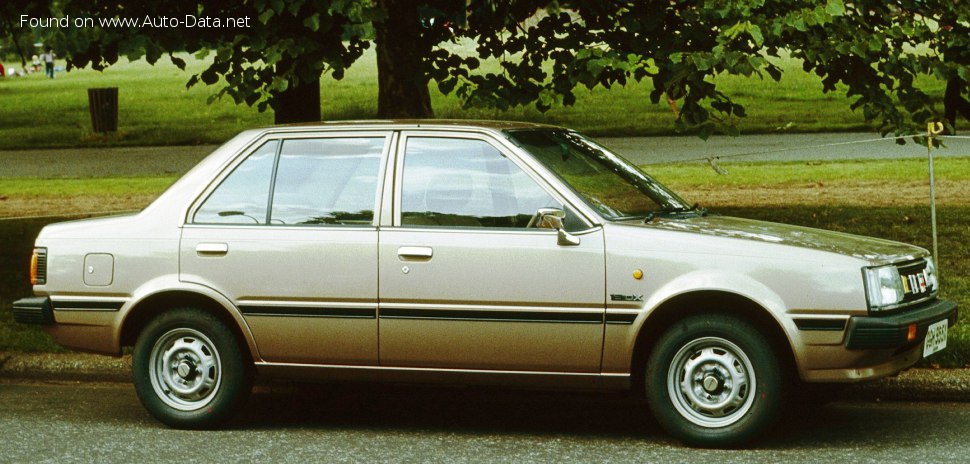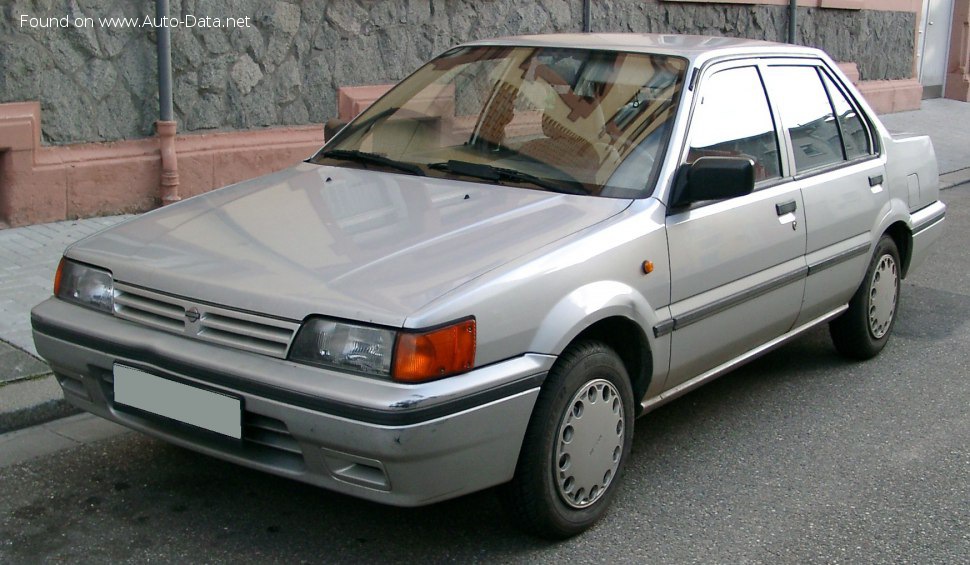
The Nissan Sunny II (N13) 1.6 GTI 16V: A Global Compact Performer
The Nissan Sunny, a nameplate synonymous with reliable and economical compact transportation across numerous international markets, saw its second generation (designated N13) introduced in 1986. While known in North America primarily as the Nissan Sentra, the Sunny name carried significant weight in Europe, Asia, and other regions. Among the various configurations offered during its production run, the Nissan Sunny II (N13) 1.6 GTI 16V sedan, produced from 1987 to 1988, represented a particularly sporting iteration. This variant combined the N13 generation’s practical sedan body with a lively, naturally aspirated 16-valve engine, aiming to offer a blend of everyday usability and engaging performance in the competitive compact segment.
The N13 generation was a crucial model for Nissan, designed to appeal to a broad demographic looking for a dependable and efficient vehicle. The introduction of a GTI variant, particularly in a sedan body style, showcased Nissan’s intent to inject a degree of driving enthusiasm into its mainstream offerings. While the “GTI” moniker often conjures images of hot hatchbacks, the Sunny 1.6 GTI 16V sedan offered a more subtle, yet equally capable, performance package for those who preferred a traditional three-box design.
Engine and Performance: The Heart of the Nissan Sunny II (N13) GTI
At the core of the Nissan Sunny II (N13) 1.6 GTI 16V’s appeal was its advanced powertrain for the era. The vehicle was equipped with a 1.6-liter (approximately 97.6 cubic inches) inline four-cylinder gasoline engine. What set this engine apart was its 16-valve cylinder head design, a technology that was becoming increasingly common in performance-oriented compacts during the late 1980s. This multi-valve configuration allowed for better airflow into and out of the combustion chambers, leading to improved volumetric efficiency and higher power output compared to conventional 8-valve engines of similar displacement.
This naturally aspirated engine produced a respectable 110 horsepower (Hp). While not an outright powerhouse by today’s standards, this output was quite competitive for a 1.6-liter engine in the late 1980s, especially within the compact sedan class. The lack of forced induction meant a linear and predictable power delivery, characteristics often appreciated by driving enthusiasts. The engine’s design emphasized responsiveness and a willingness to rev, providing a spirited driving experience that belied the Sunny’s otherwise conservative image. Paired with a likely five-speed manual transmission (though not specified in the data, it was standard for most GTI variants of the time), the 1.6 GTI 16V offered engaging acceleration and a dynamic feel, making daily commutes and weekend drives more enjoyable. This powertrain architecture, relying on internal combustion, was a testament to the conventional yet effective engineering practices of Nissan during this period.
Design and Features: Practicality with a Sporting Edge
The Nissan Sunny II (N13) 1.6 GTI 16V was offered exclusively as a sedan, a body style that emphasized practicality, cabin space, and a traditional aesthetic. The N13 generation’s design language was typical of late 1980s Japanese automobiles: clean lines, a relatively boxy profile, and an emphasis on aerodynamic efficiency. While not overtly flashy, the GTI variant likely featured subtle enhancements to distinguish it from standard Sunny models. These could have included unique alloy wheels, a more aggressive front grille, perhaps a rear spoiler, and discreet “GTI” badging.
Inside, the N13 Sunny’s cabin was designed for functionality and durability. While specific features for the GTI variant are not detailed, it would have likely included sportier seating with better bolstering, a leather-wrapped steering wheel, and perhaps unique gauge clusters to enhance the driving experience. The sedan body offered comfortable seating for four adults and a generous trunk, making it a versatile choice for families or individuals needing cargo capacity. Safety features, typical for the era, would have included three-point seatbelts, and a robust body structure designed to meet contemporary crash standards. The focus was on providing a well-built, reliable, and comfortable interior that could withstand years of use, while the GTI trim added a touch of performance-oriented flair to the otherwise sensible package.
Technical Specifications
Below are the key technical specifications for the Nissan Sunny II (N13) 1.6 GTI 16V (110 Hp) sedan:
| Category | Specification |
|---|---|
| Brand | Nissan |
| Model | Sunny |
| Generation | Sunny II (N13) |
| Type (Engine) | 1.6 GTI 16V (110 Hp) |
| Start of Production | 1987 year |
| End of Production | 1988 year |
| Powertrain Architecture | Internal Combustion engine |
| Body Type | Sedan |
| Fuel Type | Petrol (Gasoline) |
| Power | 110 Hp |
| Engine Aspiration | Naturally aspirated engine |
| Drivetrain | Internal Combustion engine |
Legacy and Market Impact
The Nissan Sunny II (N13) played a significant role in Nissan’s global strategy during the late 1980s. While this specific 1.6 GTI 16V variant was not widely marketed in the United States under the Sunny name (where the N13 platform formed the basis for the Nissan Sentra), it carved out a niche in European, Asian, and other international markets. In these regions, the Sunny competed fiercely with other popular compacts such as the Toyota Corolla, Honda Civic, Mazda 323, and various European offerings like the Opel Kadett/Vauxhall Astra and Ford Escort.
The N13 Sunny, in general, built upon Nissan’s reputation for reliability, fuel efficiency, and affordability. The 1.6 GTI 16V variant, though produced for a relatively short two-year period, contributed to the model’s image by demonstrating Nissan’s capability to produce engaging driver’s cars within a practical package. It offered a compelling alternative for buyers who desired the performance of a “warm hatch” but preferred the more traditional styling and larger trunk capacity of a sedan. Its 16-valve engine was a technological highlight, showcasing Nissan’s commitment to modern engine design. This variant helped to broaden the appeal of the Sunny nameplate, attracting a segment of buyers who might otherwise have looked to more overtly sporting brands.
Today, the Nissan Sunny II (N13) 1.6 GTI 16V is remembered as a capable and somewhat understated performance sedan from an era when Japanese manufacturers were making significant strides in engineering and market presence. While not as iconic as some of its hot-hatch contemporaries, it represents a solid piece of Nissan’s automotive heritage, embodying the brand’s blend of innovation, reliability, and occasional sporting ambition in a globally relevant compact car.