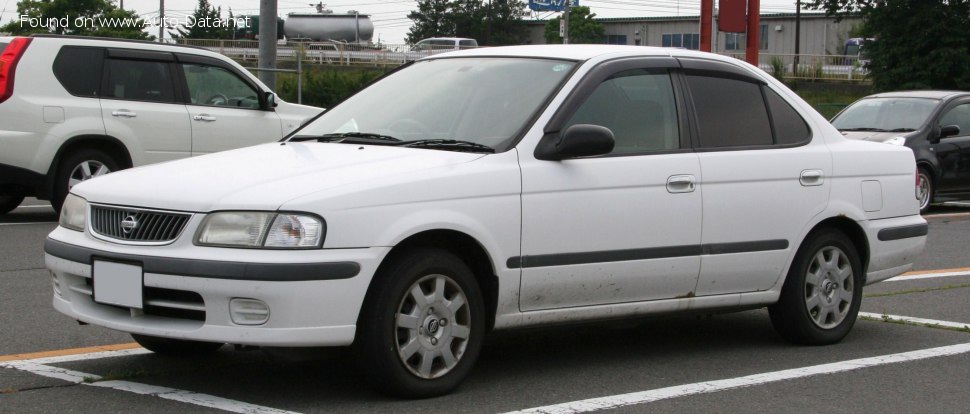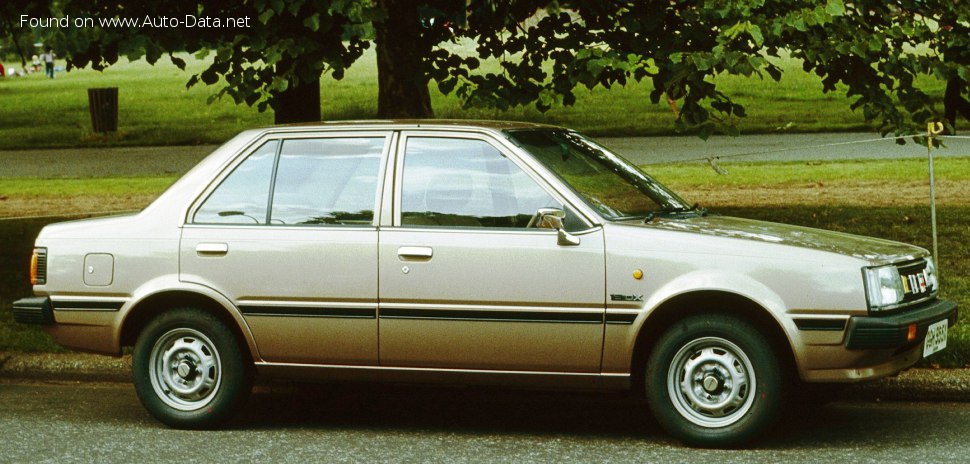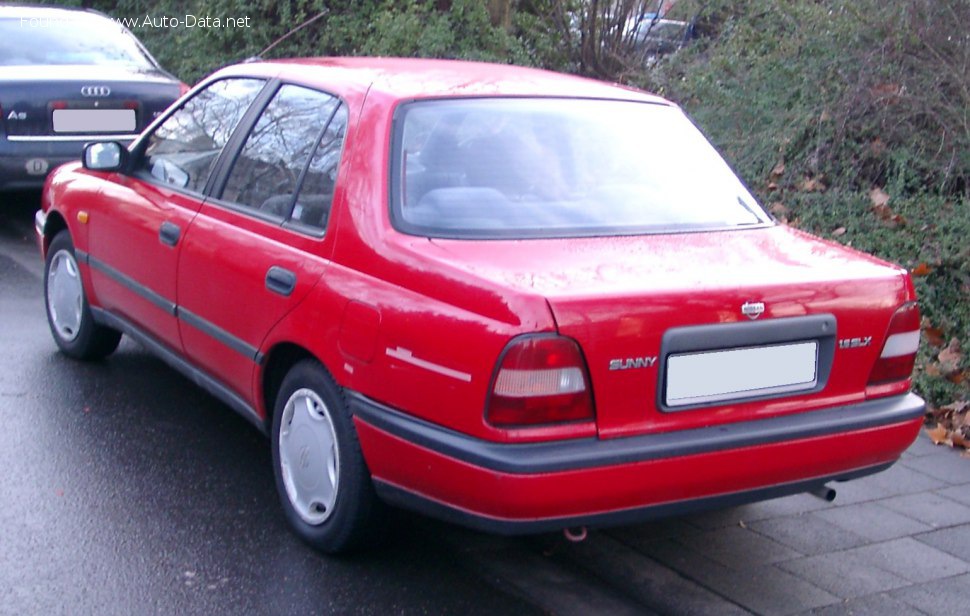
Introduction to the Nissan Sunny III (N14) 2.0 i 16V (143 Hp)
The Nissan Sunny, a nameplate with a storied history spanning several decades, represented Nissan’s compact car offering in numerous markets around the globe. The third generation of this lineage, designated as the N14, emerged in 1990 and continued production until 1994. This particular variant, the Nissan Sunny III (N14) 2.0 i 16V (143 Hp), stood out as a performance-oriented model within the conventional sedan lineup, showcasing Nissan’s engineering prowess in delivering a spirited driving experience within an accessible package. While the “Sunny” name was not typically used for this generation in the United States, its platform and mechanical underpinnings were famously shared with the beloved Nissan Sentra B13, particularly the high-performance Sentra SE-R, which also featured the highly regarded SR20DE engine.
Positioned within the competitive C-segment, the N14 Sunny aimed to combine reliability, practicality, and a touch of driving excitement. The 2.0 i 16V model, in particular, was designed to appeal to buyers seeking more than just basic transportation, offering a blend of robust power, agile handling for its class, and Nissan’s reputation for durability. Its four-door sedan body style provided ample room for five occupants and a generous trunk, making it a versatile choice for families and enthusiasts alike in markets ranging from Europe to Asia.
Engine and Performance: The Heart of the Nissan Sunny III (N14)
At the core of the Nissan Sunny III (N14) 2.0 i 16V lies one of Nissan’s most celebrated four-cylinder engines: the SR20DE. This 1998 cm³ (121.93 cu. in.) naturally aspirated inline-four engine was a marvel of its time, renowned for its excellent balance of power, reliability, and tunability. Featuring a double overhead camshaft (DOHC) valvetrain with 16 valves (four per cylinder), the SR20DE efficiently managed airflow for optimal combustion. Its multi-port manifold injection system ensured precise fuel delivery, contributing to both its performance and relatively good fuel economy for a sporty compact.
The engine produced a healthy 143 horsepower at 6400 rpm, a significant output for a compact sedan in the early 1990s. Torque figures were equally impressive, reaching 178 Nm (131.29 lb.-ft.) at 4800 rpm, providing a strong mid-range pull that made for engaging driving. With a compression ratio of 10:1 and a square bore and stroke of 86 mm (3.39 in.) each, the SR20DE was designed for both responsiveness and durability. This powertrain architecture, with the engine mounted front-transverse, drove the front wheels through a precise 5-speed manual transmission, offering direct driver engagement and control.
The vehicle’s kerb weight of 1070 kg (2358.95 lbs.) resulted in an impressive weight-to-power ratio of 7.5 kg/Hp (133.6 Hp/tonne) and a weight-to-torque ratio of 6 kg/Nm (166.4 Nm/tonne). These figures underscored the Sunny 2.0 i 16V’s capability to deliver brisk acceleration and a lively driving experience, distinguishing it from its more mundane siblings and many of its direct competitors in the compact segment.
Design and Features of the Nissan Sunny III (N14)
The Nissan Sunny III (N14) adopted a clean, aerodynamic, and somewhat understated design that was characteristic of early 1990s Japanese automotive aesthetics. As a four-door sedan, it prioritized practicality and conventional appeal. Its dimensions—166.54 inches in length, 66.54 inches in width, and 54.92 inches in height, with a wheelbase of 95.67 inches—placed it firmly within the compact sedan category, offering a manageable footprint for urban environments while still providing a comfortable interior.
Inside, the Sunny N14 was configured for five occupants, offering a functional and ergonomic cabin. The trunk space was generous for its class, providing 440 liters (15.54 cu. ft.) of cargo volume, making it suitable for family duties or long trips. The fuel tank capacity of 50 liters (13.21 US gallons) offered a decent cruising range.
In terms of chassis and safety features, the N14 Sunny was equipped with a robust setup for its time. The front suspension utilized a wishbone design, while the rear featured a spring strut system, providing a balance of ride comfort and handling stability. Stopping power came from ventilated discs at the front and drum brakes at the rear, a common configuration for the era. Critically, this variant also included an Anti-lock Braking System (ABS), a significant safety enhancement for the early 1990s, offering improved control during hard braking. Steering was managed by a rack and pinion system, assisted by hydraulic power steering, ensuring ease of maneuverability at low speeds and good feedback at higher velocities. The vehicle rode on 185/60 R14 tires, a standard size that contributed to its responsive handling.
Technical Specifications
| Category | Specification | Value |
|---|---|---|
| General Information | Brand | Nissan |
| Model | Sunny | |
| Generation | Sunny III (N14) | |
| Type (Engine) | 2.0 i 16V (143 Hp) | |
| Start of Production | 1990 year | |
| End of Production | 1994 year | |
| Powertrain Architecture | Internal Combustion engine | |
| Body type | Sedan | |
| Seats | 5 | |
| Doors | 4 | |
| Performance Specs | Fuel Type | Petrol (Gasoline) |
| Power | 143 Hp @ 6400 rpm. | |
| Power per liter | 71.6 Hp/l | |
| Torque | 178 Nm (131.29 lb.-ft.) @ 4800 rpm. | |
| Weight-to-power ratio | 7.5 kg/Hp, 133.6 Hp/tonne | |
| Weight-to-torque ratio | 6 kg/Nm, 166.4 Nm/tonne | |
| Engine Specs | Engine Layout | Front, Transverse |
| Engine Model/Code | SR20DE | |
| Engine Displacement | 1998 cm³ (121.93 cu. in.) | |
| Number of Cylinders | 4 | |
| Engine Configuration | Inline | |
| Cylinder Bore | 86 mm (3.39 in.) | |
| Piston Stroke | 86 mm (3.39 in.) | |
| Compression Ratio | 10:1 | |
| Number of Valves per Cylinder | 4 | |
| Fuel Injection System | Multi-port manifold injection | |
| Engine Aspiration | Naturally aspirated engine | |
| Valvetrain | DOHC | |
| Engine Oil Capacity | 3.4 l (3.59 US qt) | |
| Coolant | 5.7 l (6.02 US qt) | |
| Space, Volume, and Weights | Kerb Weight | 1070 kg (2358.95 lbs.) |
| Trunk (boot) Space – Minimum | 440 l (15.54 cu. ft.) | |
| Fuel Tank Capacity | 50 l (13.21 US gal) | |
| Dimensions | Length | 4230 mm (166.54 in.) |
| Width | 1690 mm (66.54 in.) | |
| Height | 1395 mm (54.92 in.) | |
| Wheelbase | 2430 mm (95.67 in.) | |
| Front Track | 1445 mm (56.89 in.) | |
| Rear (Back) Track | 1430 mm (56.3 in.) | |
| Drivetrain, Brakes, and Suspension | Drivetrain Architecture | The Internal combustion engine (ICE) drives the front wheels of the vehicle. |
| Drive Wheel | Front wheel drive | |
| Number of Gears and Type of Gearbox | 5 gears, manual transmission | |
| Front Suspension | Wishbone | |
| Rear Suspension | Spring Strut | |
| Front Brakes | Ventilated discs | |
| Rear Brakes | Drum | |
| Assisting Systems | ABS (Anti-lock braking system) | |
| Steering Type | Steering rack and pinion | |
| Power Steering | Hydraulic Steering | |
| Tires Size | 185/60 R14 |
Legacy and Market Impact of the Nissan Sunny III (N14)
The Nissan Sunny III (N14), particularly in its 2.0 i 16V guise, carved out a significant niche in the global compact car market during its production run from 1990 to 1994. While the “Sunny” name was prevalent in markets like Europe, Japan, and parts of Asia, its platform and the illustrious SR20DE engine found considerable fame in North America under the Nissan Sentra B13 chassis, most notably in the iconic Sentra SE-R. The SE-R, essentially the US market’s performance counterpart to the Sunny 2.0 i 16V, quickly gained a reputation as a “poor man’s BMW” due to its exceptional handling, robust engine, and affordable price point. This cross-market success underscored the fundamental engineering strengths of the N14 platform and its SR20DE powerplant.
In its primary markets, the Sunny N14 competed fiercely with other stalwarts of the compact segment, including the Toyota Corolla, Honda Civic, Mazda 323/Familia, and Mitsubishi Lancer. What set the 2.0 i 16V variant apart was its potent engine, which offered a distinct performance advantage over many of its rivals’ standard offerings. This made it a compelling choice for buyers who desired a practical family sedan but refused to compromise on driving dynamics. Its DOHC, multi-port injected SR20DE engine became legendary for its reliability and high-revving nature, building a loyal following among enthusiasts who appreciated its potential for aftermarket tuning and its durability in motorsport applications.
The N14 Sunny’s legacy is defined by its role as a dependable, well-engineered compact car that also offered a surprising level of performance in its top-tier trim. It contributed to Nissan’s reputation for building robust and engaging vehicles, bridging the gap between everyday practicality and enthusiast appeal. Even decades after its production ended, the SR20DE engine continues to be celebrated in automotive circles, and the N14 platform is still recognized for its solid foundation and enduring design, making the Nissan Sunny III (N14) 2.0 i 16V a noteworthy chapter in Nissan’s rich automotive history.