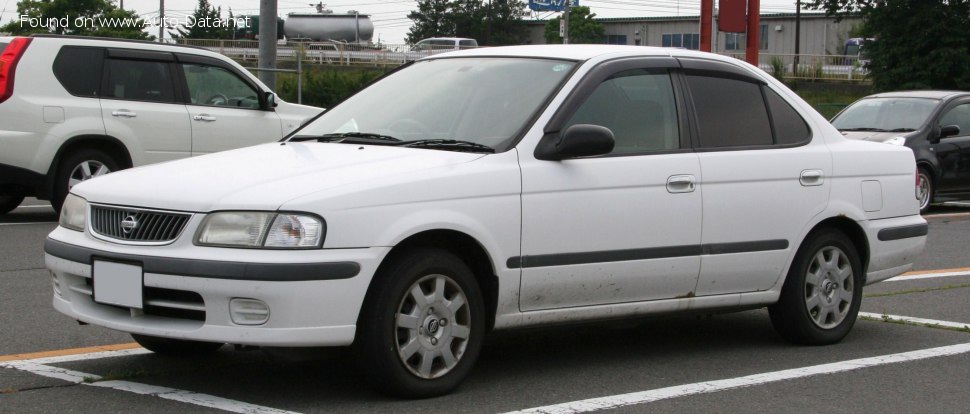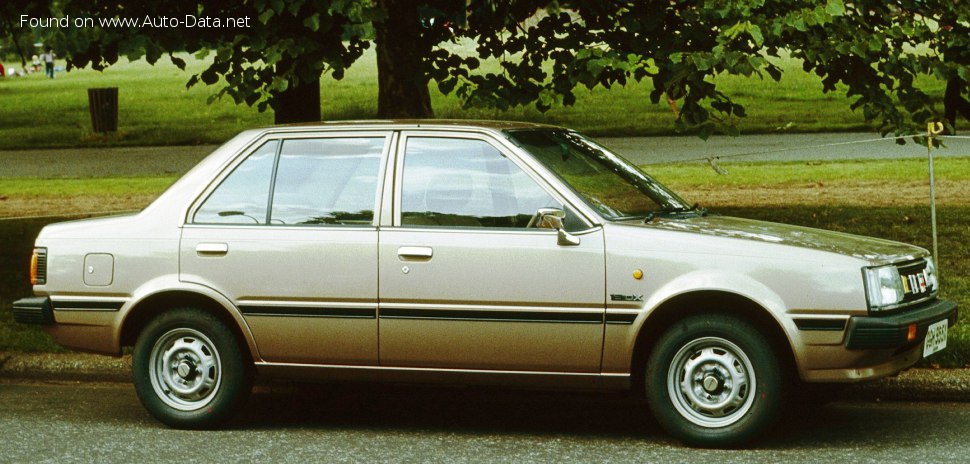
The Nissan Sunny Kasten (Y10): A Global Workhorse
The Nissan Sunny Kasten (Y10) 1.7 D (54 Hp) represents a specific, utility-focused variant within the broader and highly successful Nissan Sunny lineage. Produced from 1990 to 2000, this particular model carved out a niche as a durable and economical light commercial vehicle in various international markets, primarily outside of the United States. While the Sunny nameplate is globally recognized for its passenger car offerings, the Kasten variant, specifically configured as a pick-up, underscored Nissan’s commitment to providing robust and practical solutions for small businesses, agriculture, and general utility transport where efficiency and reliability were paramount.
The Y10 generation of the Nissan Sunny, upon which the Kasten was based, was a significant evolution for the platform, introducing more contemporary styling and improved engineering. However, the Kasten pick-up variant deliberately emphasized function over form, providing a no-frills, resilient vehicle designed to withstand demanding work conditions. Its relatively modest power output from a naturally aspirated diesel engine was perfectly aligned with its intended purpose: delivering consistent performance, excellent fuel economy, and straightforward maintenance, making it a popular choice in regions prioritizing operational cost-effectiveness and longevity.
Introduction to the Y10 Generation
The Nissan Sunny series, known as the Pulsar in some markets, has a long and storied history, with the Y10 generation marking an important chapter from 1990 onwards. This generation was characterized by its more rounded, aerodynamic styling compared to its predecessors and offered a wide array of body styles, including sedans, hatchbacks, and wagons. The Kasten, or “box” variant, often referred to as a panel van or light truck in various regional markets, leveraged the Y10’s robust underpinnings to create a dedicated utility vehicle. While passenger versions of the Y10 were available with a range of gasoline and diesel engines and focused on providing comfortable and efficient daily transport, the Kasten pick-up was engineered with a singular focus: hauling capacity and uncompromising durability.
For markets where a simple, tough, and affordable light commercial vehicle was essential, the Sunny Kasten (Y10) filled a critical role. It wasn’t designed for high-speed highway cruising or luxurious comfort, but rather for navigating challenging rural roads, urban delivery routes, and carrying substantial loads without complaint. This pragmatic approach ensured its relevance and popularity in economies where every dollar (or local currency unit) counted towards the bottom line of small enterprises and individual tradespeople.
Engine and Performance
At the heart of the Nissan Sunny Kasten (Y10) 1.7 D was a 1.7-liter naturally aspirated diesel engine, producing a modest 54 horsepower. In an era increasingly dominated by turbocharged powerplants, this engine stood out for its simplicity and inherent reliability. While 54 horsepower might seem low by modern standards, particularly for a pick-up, it was perfectly adequate for the vehicle’s intended applications. Naturally aspirated diesels of this period were renowned for their excellent fuel efficiency and robust construction, capable of accumulating hundreds of thousands of miles with proper maintenance.
The engine’s design prioritized low-end torque delivery, which is crucial for a utility vehicle that needs to move heavy loads from a standstill or climb inclines without excessive strain. While specific torque figures are not provided, naturally aspirated diesel engines of this displacement and power typically delivered a healthy amount of torque at low RPMs, making them ideal for urban stop-and-go traffic or navigating rough terrain. The absence of a turbocharger meant fewer complex components, reducing potential points of failure and simplifying repairs, which was a significant advantage in regions with limited access to advanced diagnostic equipment or specialized mechanics.
Fuel economy was another strong suit of this powertrain. Diesel engines are inherently more efficient than gasoline counterparts, and a naturally aspirated unit with a lower power output only enhanced this characteristic. For businesses and individuals operating on tight budgets, the ability to cover significant distances on minimal fuel was a compelling factor, contributing directly to lower operating costs over the vehicle’s lifespan. This combination of reliability, efficiency, and low maintenance made the 1.7 D engine a workhorse, perfectly matched to the Kasten’s utility-focused mission.
Design and Features
The Nissan Sunny Kasten (Y10) was designed as a pick-up, emphasizing functionality and practicality above all else. Its body type featured a distinct cargo bed at the rear, making it suitable for transporting a wide variety of goods, tools, and materials. The cabin, likely a single-cab configuration, was utilitarian but robust, built to withstand the rigors of daily commercial use. Interior materials would have been chosen for their durability and ease of cleaning rather than luxury, reflecting the vehicle’s role as a work tool.
Key design features would have included a sturdy chassis capable of handling significant payload weights, reinforced suspension components to cope with heavy loads and uneven roads, and a no-nonsense exterior that prioritized resilience. Ground clearance would have been sufficient for navigating various terrains, common in the rural and developing markets where this vehicle found its strongest foothold. The design would have allowed for easy loading and unloading, potentially featuring drop-side gates on the cargo bed for maximum accessibility.
In terms of features, the Sunny Kasten (Y10) would have been equipped with the essentials. Power steering might have been an option or standard in later models, aiding maneuverability with heavy loads. Heating and ventilation systems would be basic but functional. Safety features, typical for a utility vehicle of the 1990s, would have included seatbelts and a robust body structure designed to protect occupants in the event of an impact, rather than advanced electronic aids. The emphasis was on mechanical integrity and simple, reliable components that could be easily maintained or repaired in the field.
Technical Specifications
| Specification | Detail |
|---|---|
| Brand | Nissan |
| Model | Sunny |
| Generation | Sunny Kasten (Y10) |
| Type (Engine) | 1.7 D (54 Hp) |
| Start of production | 1990 year |
| End of production | 2000 year |
| Powertrain Architecture | Internal Combustion engine |
| Body type | Pick-up |
| Fuel Type | Diesel |
| Power | 54 Hp |
| Engine aspiration | Naturally aspirated engine |
Legacy and Market Impact
The Nissan Sunny Kasten (Y10) 1.7 D (54 Hp) left a significant legacy as a testament to Nissan’s engineering philosophy of building reliable, cost-effective utility vehicles for global markets. Its primary impact was felt in regions where ruggedness, low running costs, and ease of maintenance were prioritized over outright performance or luxury. In parts of Europe, Asia, Africa, and Latin America, this pick-up became a ubiquitous sight, serving as a vital tool for countless small businesses, farmers, and tradespeople.
Its reputation for durability was a cornerstone of its success. Owners often lauded its ability to withstand demanding work conditions, carry substantial loads, and operate reliably for many years, often exceeding typical vehicle lifespans. This inherent toughness, coupled with the fuel efficiency of its diesel engine, made it an economically sound choice, allowing businesses to minimize operational expenses and maximize productivity.
The Sunny Kasten (Y10) competed in a fiercely contested segment against other well-established utility vehicles. Its rivals would have included models like the Toyota Hilux (though often larger and more powerful), Mitsubishi L200/Triton, Ford Courier (based on the Fiesta platform in Europe), and various other small pick-ups and panel vans from manufacturers like Opel/Vauxhall (e.g., Combo) and Volkswagen (e.g., Caddy). What set the Sunny Kasten apart was its direct lineage from a popular passenger car platform, offering a balance of car-like maneuverability and truck-like utility, often at a competitive price point.
Historically, the Nissan Sunny Kasten (Y10) contributed significantly to Nissan’s global footprint in the light commercial vehicle sector. It demonstrated Nissan’s understanding of diverse market needs, providing tailored solutions that resonated with local economies. Even after its production ceased in 2000, many units continued to serve faithfully for years, a testament to their enduring quality and design. The Kasten’s impact lies not in groundbreaking technology, but in its unwavering reliability and accessibility, solidifying its place as a true workhorse in the annals of international automotive history.