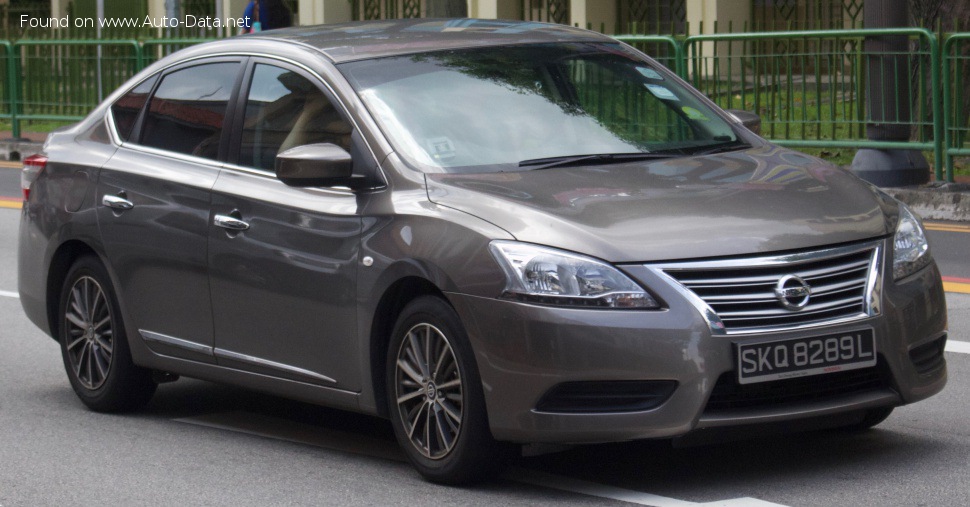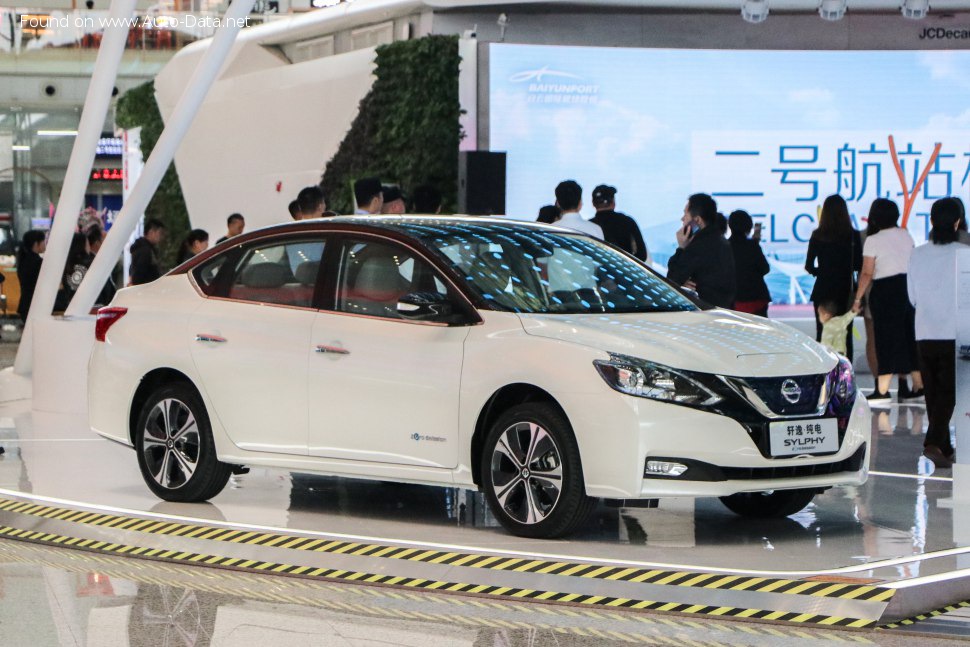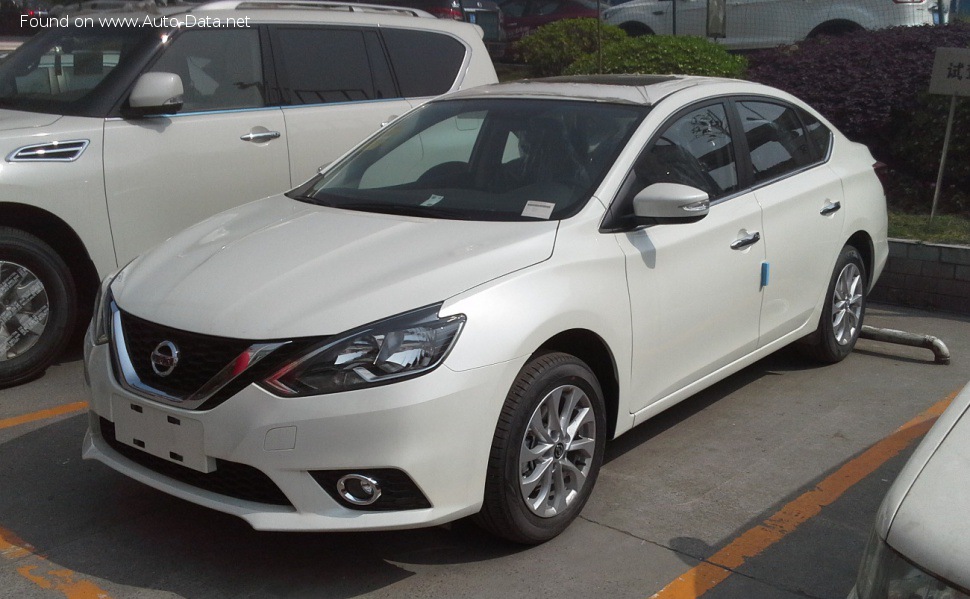
The Nissan Sylphy (B17, Facelift 2016): A Global Compact Sedan Standard
The Nissan Sylphy, specifically the B17 generation with its 2016 facelift, represents a pivotal offering in Nissan’s global compact sedan lineup. Produced from 2016 to 2019, this iteration of the Sylphy was primarily targeted at and highly successful in Asian markets, including China and Southeast Asia, where it competed fiercely in the C-segment. While not sold under the “Sylphy” nameplate in North America, its underpinnings and market positioning are closely related to the Nissan Sentra, a familiar name to American consumers. The Nissan Sylphy (B17, facelift 2016) carved out a niche for itself as a practical, spacious, and fuel-efficient four-door sedan, designed to meet the demands of urban families and fleet operators seeking reliability and low running costs.
This B17 generation, first introduced in 2012, received a significant refresh in 2016, bringing updated styling, enhanced features, and subtle mechanical refinements to keep it competitive. The facelift aimed to inject a more contemporary and premium feel into the Sylphy, aligning its aesthetics with Nissan’s evolving design language seen across its global portfolio. Its architecture is based on Nissan’s V platform, shared with other compact models, emphasizing light weight and structural rigidity for improved driving dynamics and efficiency.
Engine and Performance of the Nissan Sylphy (B17, Facelift 2016) 1.6 CVT
Under the hood, the Nissan Sylphy (B17, facelift 2016) 1.6 variant is powered by Nissan’s well-proven HR16DE engine. This naturally aspirated 1.6-liter (1598 cm³ or 97.52 cu. in.) inline-four gasoline engine is a testament to Nissan’s engineering philosophy of balancing performance with exceptional fuel economy and reliability. Featuring a Double Overhead Camshaft (DOHC) valvetrain with four valves per cylinder and a multi-port manifold injection fuel system, the engine is designed for smooth power delivery and efficient combustion.
The HR16DE unit produces a respectable 126 horsepower at 5600 rpm, providing ample motivation for daily driving and highway cruising. Torque output stands at 113.58 lb.-ft. (154 Nm) at 4000 rpm, ensuring responsive acceleration in city traffic. This powertrain is mated to Nissan’s advanced XTRONIC Continuously Variable Transmission (CVT). The XTRONIC CVT is renowned for its seamless power delivery, eliminating traditional gear shifts for a smoother and more refined driving experience, while also playing a crucial role in the vehicle’s impressive fuel efficiency.
Performance figures for the Sylphy 1.6 CVT are indicative of its practical orientation. It accelerates from 0 to 60 mph in a measured 11.1 seconds, with 0 to 62 mph (0-100 km/h) taking 11.7 seconds. The maximum speed is rated at 113.71 mph (183 km/h). However, where the Sylphy truly shines is in its fuel economy. With an extra urban fuel consumption rating of 45.2 US mpg (5.2 l/100 km), it offers competitive running costs, a significant factor for buyers in its target markets. The powertrain architecture is front-wheel drive, with the engine mounted transversely at the front, a common and efficient layout for compact sedans.
Design and Features
The 2016 facelift brought a fresh aesthetic to the Nissan Sylphy, integrating Nissan’s signature “V-motion” grille, which adds a dynamic and modern face to the sedan. The updated styling also included redesigned headlights, taillights, and bumpers, giving the car a more assertive and sophisticated appearance. As a four-door, five-seat sedan, the Sylphy prioritizes interior space and comfort, a key selling point in its segment. Its dimensions — a length of 182.32 inches (4631 mm), width of 69.29 inches (1760 mm), and height of 59.17 inches (1503 mm) — contribute to a spacious cabin and a substantial road presence.
A generous wheelbase of 106.3 inches (2700 mm) is instrumental in providing ample legroom for both front and rear passengers, making long journeys more comfortable. The trunk capacity is a commendable 18.01 cu. ft. (510 liters), offering significant cargo space for luggage, groceries, or family essentials. The interior design, while practical, also incorporated improved materials and finishes in the facelifted model, aiming for a more upscale feel. Features commonly found in this trim level would include power windows, air conditioning, and a functional infotainment system, though specific details vary by market.
For ride and handling, the Sylphy employs an independent McPherson strut front suspension with coil springs and an anti-roll bar, a setup known for its balance of comfort and stability. The rear features a semi-independent suspension with coil springs, contributing to a compliant ride. Braking duties are handled by ventilated discs at the front and solid discs at the rear, complemented by an Anti-lock Braking System (ABS) for enhanced safety during emergency stops. The steering system is a rack and pinion type with electric power steering, providing light and precise control, particularly beneficial in urban environments. The vehicle is fitted with 195/60 R16 tires on 16-inch wheel rims, offering a good balance of grip and ride comfort. With a ground clearance of 6.5 inches (165 mm), the Sylphy is well-suited for varied road conditions often encountered in its primary markets.
Technical Specifications
| Category | Specification |
|---|---|
| Brand | Nissan |
| Model | Sylphy (B17, facelift 2016) |
| Type (Engine) | 1.6 (126 Hp) CVT |
| Production Start | 2016 |
| Production End | 2019 |
| Body Type | Sedan |
| Seats | 5 |
| Doors | 4 |
| Powertrain Architecture | Internal Combustion Engine (ICE) |
| Drivetrain Architecture | Front-wheel drive |
| Drive Wheel | Front wheel drive |
| Fuel Type | Petrol (Gasoline) |
| Fuel Consumption (Extra Urban) | 45.2 US mpg (5.2 l/100 km) |
| Acceleration 0-60 mph | 11.1 sec |
| Acceleration 0-62 mph (0-100 km/h) | 11.7 sec |
| Maximum Speed | 113.71 mph (183 km/h) |
| Power | 126 Hp @ 5600 rpm |
| Power per liter | 78.8 Hp/l |
| Torque | 113.58 lb.-ft. (154 Nm) @ 4000 rpm |
| Engine Layout | Front, Transverse |
| Engine Model/Code | HR16DE |
| Engine Displacement | 1.6 liters (1598 cm³ / 97.52 cu. in.) |
| Number of Cylinders | 4 |
| Engine Configuration | Inline |
| Cylinder Bore | 3.07 in. (78 mm) |
| Piston Stroke | 3.29 in. (83.6 mm) |
| Compression Ratio | 9.8:1 |
| Valves per Cylinder | 4 |
| Fuel Injection System | Multi-port manifold injection |
| Engine Aspiration | Naturally aspirated engine |
| Valvetrain | DOHC |
| Engine Oil Capacity | 3.17 US qt (3 l) |
| Coolant Capacity | 6.97 US qt (6.6 l) |
| Gearbox Type | Automatic transmission CVT XTRONIC |
| Front Suspension | Independent, McPherson with coil spring and anti-roll bar |
| Rear Suspension | Semi-independent, coil spring |
| Front Brakes | Ventilated discs |
| Rear Brakes | Disc |
| Assisting Systems | ABS (Anti-lock Braking System) |
| Steering Type | Steering rack and pinion |
| Power Steering | Electric Steering |
| Tires Size | 195/60 R16 |
| Wheel Rims Size | 16 inches |
| Kerb Weight | 2652.16 – 2766.8 lbs. (1203-1255 kg) |
| Weight-to-Power Ratio | 9.5 kg/Hp |
| Weight-to-Torque Ratio | 7.8 kg/Nm |
| Trunk (boot) Space – minimum | 18.01 cu. ft. (510 l) |
| Fuel Tank Capacity | 13.74 US gal (52 l) |
| Length | 182.32 in. (4631 mm) |
| Width | 69.29 in. (1760 mm) |
| Height | 59.17 in. (1503 mm) |
| Wheelbase | 106.3 in. (2700 mm) |
| Front Track | 60.63 in. (1540 mm) |
| Rear Track | 60.63 in. (1540 mm) |
| Ride Height (Ground Clearance) | 6.5 in. (165 mm) |
| Minimum Turning Circle | 34.12 ft. (10.4 m) |
Legacy and Market Impact
The Nissan Sylphy (B17, facelift 2016) solidified its reputation as a highly competent and reliable compact sedan in its primary markets. Its blend of spaciousness, fuel efficiency, and Nissan’s established reputation for durability made it a strong contender against rivals such as the Toyota Corolla, Honda Civic, Hyundai Elantra, and Mazda 3 in the Asian C-segment. While these competitors often offered sportier dynamics or more advanced features, the Sylphy consistently appealed to a segment of buyers prioritizing comfort, practicality, and cost-effectiveness.
The Sylphy’s impact was particularly significant in emerging markets where affordability and low running costs are paramount. It served as a practical family car, a dependable option for ride-sharing services, and a popular choice for corporate fleets. Its robust build quality and straightforward mechanicals contributed to lower maintenance costs and higher resale values, further enhancing its appeal. The 2016 facelift helped extend its market relevance during its production run, ensuring it remained visually appealing and feature-competitive against newer designs.
Globally, the Sylphy (and its regional counterparts like the Sentra) plays a crucial role in Nissan’s strategy to maintain a strong presence in the compact sedan segment, which remains vital in many parts of the world despite the rising popularity of SUVs. The B17 generation, particularly with its refined 2016 facelift, represents a period where Nissan successfully balanced traditional sedan values with modern efficiency and design cues, leaving a legacy as a well-rounded and impactful vehicle in its class. Its consistent performance in sales and positive owner feedback underscored its importance as a workhorse and family staple across numerous international markets.