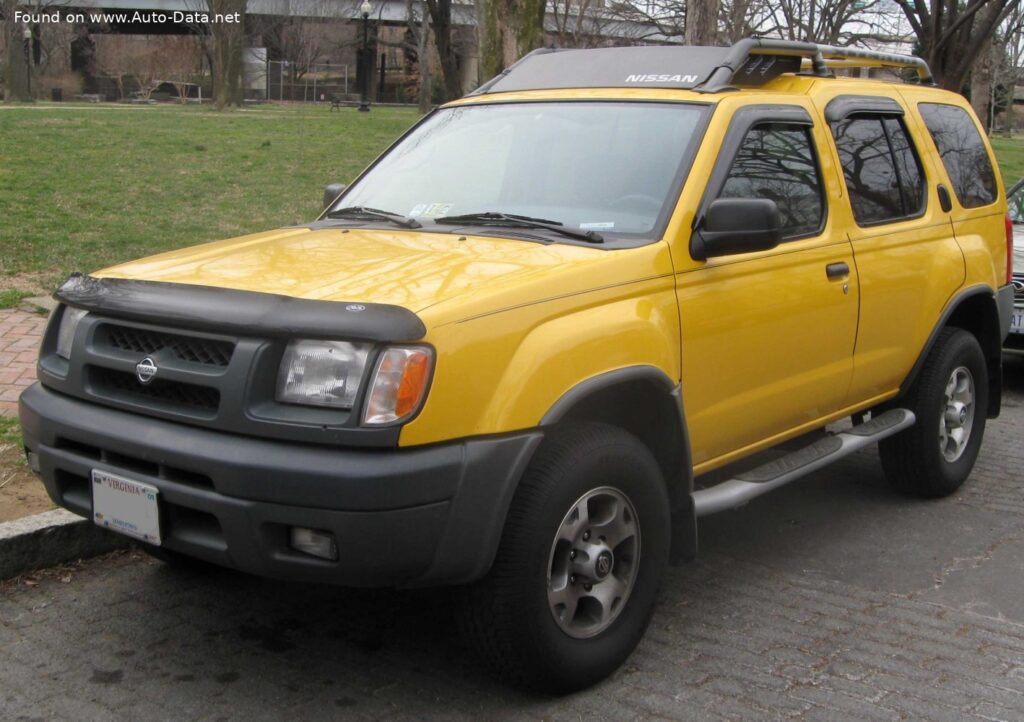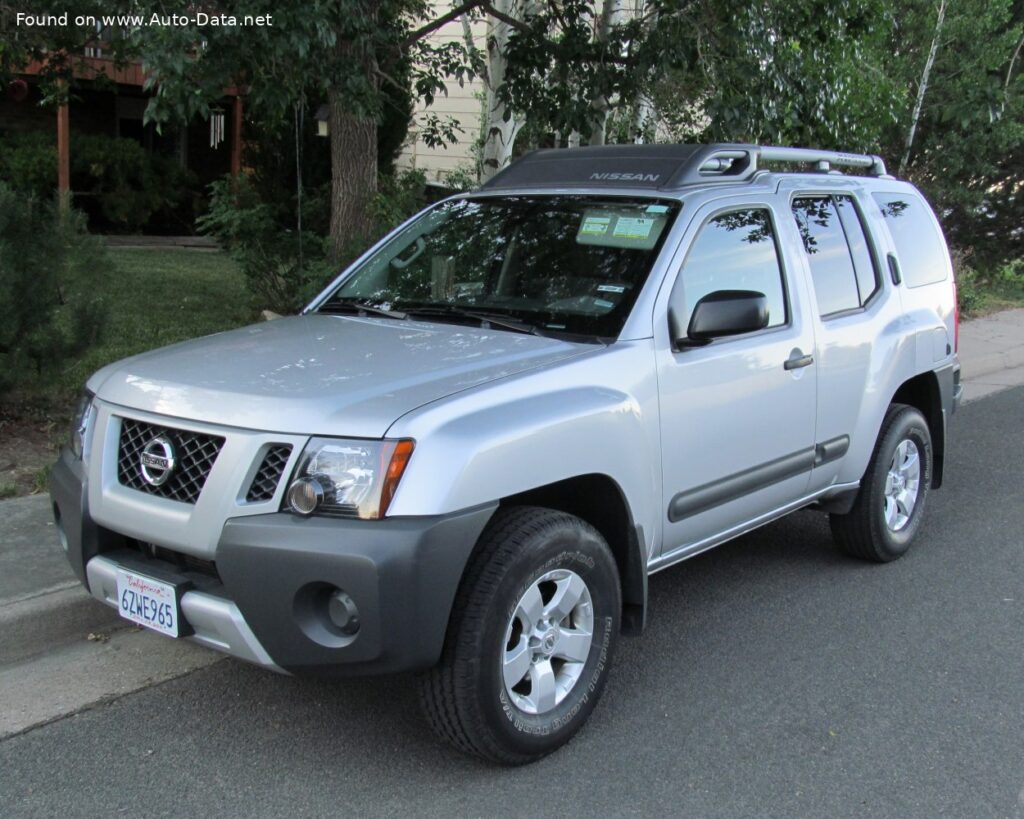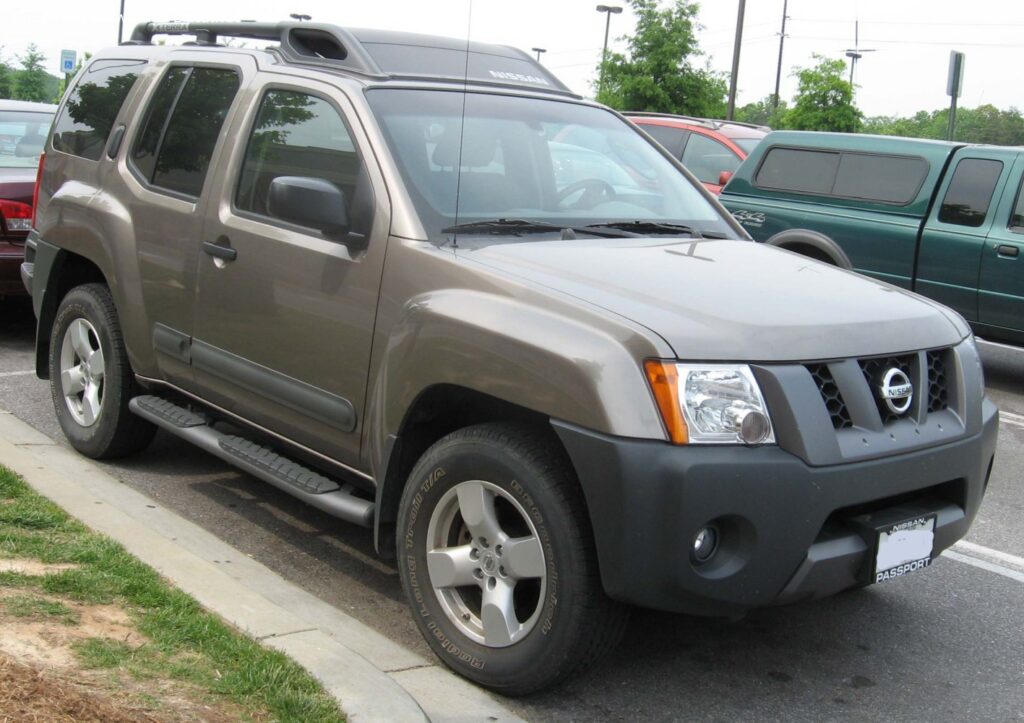
The Nissan Xterra II 4.0 V6 (265 Hp) represents a pivotal iteration in the lineage of Nissan’s purpose-built, adventure-oriented sport utility vehicle. Launched for the 2005 model year, this second-generation Xterra, specifically equipped with the robust 4.0-liter V6 engine, quickly established itself as a formidable contender in the mid-size SUV segment, particularly appealing to North American consumers seeking rugged capability over urban refinement. From its inception, the Xterra was engineered as a direct response to the growing demand for vehicles that could confidently tackle challenging off-road conditions while still serving as practical daily drivers. The Generation II model, produced from 2005 to 2008 for this particular engine configuration, built upon the original’s reputation, offering enhanced power, improved ride dynamics, and a more refined, yet still undeniably utilitarian, interior. It stood out in a market increasingly saturated with car-based crossovers, maintaining its body-on-frame construction and a focus on genuine utility, making the Nissan Xterra II 4.0 V6 (265 Hp) a distinct choice for outdoor enthusiasts and adventurers.
Engine & Performance of the Nissan Xterra II 4.0 V6 (265 Hp)
At the heart of the Nissan Xterra II 4.0 V6 (265 Hp) lies the formidable VQ40DE engine, a naturally aspirated 4.0-liter V6 that delivers a compelling blend of power and torque. This engine, renowned for its durability and smooth operation, generates a robust 265 horsepower at 5600 rpm. The power output is complemented by an impressive 381 Nm (281.01 lb.-ft.) of torque, peaking at a relatively accessible 4000 rpm. This low-end torque characteristic is particularly beneficial for off-road excursions, allowing the Xterra to climb steep grades and navigate challenging terrain with confidence, even at lower engine speeds. The engine utilizes a multi-port manifold injection system and a Double Overhead Camshaft (DOHC) valvetrain with four valves per cylinder, contributing to its efficient combustion and power delivery.
The VQ40DE engine boasts a bore of 95.5 mm (3.76 in.) and a stroke of 92 mm (3.62 in.), with a compression ratio of 9.7:1. Its front, longitudinal layout optimizes weight distribution and packaging for the drivetrain. For this specific variant, power is delivered to the rear wheels via a durable 6-speed manual transmission, offering drivers a direct and engaging connection to the vehicle’s capabilities. While many Xterra models featured four-wheel drive, the rear-wheel-drive configuration highlighted here still benefits from the robust powertrain and chassis design, offering a traditional SUV driving experience. The Xterra’s powertrain architecture, centered on an internal combustion engine driving the rear wheels, underscores its traditional SUV roots.
In terms of fuel efficiency, the Nissan Xterra II 4.0 V6 (265 Hp) reflects its rugged design and powerful engine. Urban fuel consumption is rated at approximately 13.8 liters per 100 km, which translates to about 17 US miles per gallon. On the extra-urban cycle, efficiency improves to 10.7 liters per 100 km, or roughly 22 US miles per gallon. These figures, while not groundbreaking by modern crossover standards, were competitive for a body-on-frame SUV of its era, especially one engineered for significant off-road prowess and a substantial towing capacity of 2268 kg (5000 lbs.) with brakes. The vehicle adheres to the LEV2-LEV emission standard, indicating its compliance with then-current environmental regulations for light-duty vehicles.
The Xterra’s weight-to-power ratio stands at 7.1 kg/Hp (140.8 Hp/tonne), and its weight-to-torque ratio is 4.9 kg/Nm (202.4 Nm/tonne). These metrics highlight the effective power delivery relative to its curb weight, which ranges from 1882 to 1894 kg (4149.1 to 4175.56 lbs.). The 80-liter (21.13 US gallon) fuel tank ensures a reasonable cruising range for extended trips into the wilderness.
Design & Features
The design of the Nissan Xterra II is unmistakably rugged and functional, embodying its outdoor adventure ethos. As a 5-door SUV with seating for five, it maintains a classic, boxy silhouette that prioritizes interior space and utility. Its exterior dimensions are substantial yet manageable: a length of 4539 mm (178.7 in.), a width of 1849 mm (72.8 in.), and a height of 1902 mm (74.88 in.). The wheelbase measures 2700 mm (106.3 in.), contributing to a stable ride both on and off the pavement.
Crucial to its off-road capability are its generous ground clearance, which ranges from 211 to 241 mm (8.31 to 9.49 in.), and its impressive approach, departure, and ramp-over angles. The approach angle is between 30.5-33.2°, the departure angle is 27.3-29.4°, and the ramp-over angle ranges from 22.1-24.6°. These metrics are vital for navigating obstacles without scraping the undercarriage or bumpers, solidifying its reputation as a genuine off-road vehicle.
Inside, the Xterra focuses on practicality. The cargo area is expansive, offering a minimum trunk space of 997 liters (35.21 cu. ft.) with the rear seats up, expanding to a cavernous 1860 liters (65.69 cu. ft.) when the rear seats are folded down. This ample space, combined with its rugged interior materials, makes it ideal for hauling camping gear, sports equipment, or other adventure necessities. The rear cargo area often featured a washable load floor and utility tie-down channels, further enhancing its versatility.
The chassis and suspension systems are designed for durability and performance across varied terrains. The Xterra features ventilated disc brakes on both the front and rear axles, providing strong and consistent stopping power, complemented by an Anti-lock Braking System (ABS) for enhanced safety during emergency braking. Steering is managed by a hydraulic rack and pinion system, offering direct feedback and robust control, particularly important when traversing uneven ground. The vehicle is equipped with 265/75 R16 tires, a common size for off-road vehicles, providing a good balance of traction, durability, and ride comfort. While specific features like roof racks or interior storage solutions varied by trim, the overall design ethos of the Xterra II remained centered on providing a capable and reliable platform for outdoor pursuits.
Technical Specifications
| Category | Specification | Metric Value | US/Imperial Value |
|---|---|---|---|
| Brand | Nissan | ||
| Model | Xterra | ||
| Generation | Xterra II | ||
| Type (Engine) | 4.0 V6 (265 Hp) | ||
| Start of production | 2005 year | ||
| End of production | 2008 year | ||
| Powertrain Architecture | Internal Combustion engine | ||
| Body type | SUV | ||
| Seats | 5 | ||
| Doors | 5 | ||
| Performance Specs | |||
| Fuel consumption (economy) – urban | 13.8 l/100 km | – | 17 US mpg |
| Fuel consumption (economy) – extra urban | 10.7 l/100 km | – | 22 US mpg |
| Fuel Type | Petrol (Gasoline) | ||
| Emission standard | LEV2-LEV | ||
| Weight-to-power ratio | 7.1 kg/Hp | 140.8 Hp/tonne | – |
| Weight-to-torque ratio | 4.9 kg/Nm | 202.4 Nm/tonne | – |
| Engine Specs | |||
| Power | 265 Hp @ 5600 rpm | – | – |
| Power per liter | 67 Hp/l | – | – |
| Torque | 381 Nm @ 4000 rpm | – | 281.01 lb.-ft. @ 4000 rpm |
| Engine layout | Front, Longitudinal | ||
| Engine Model/Code | VQ40DE | ||
| Engine displacement | 3954 cm3 | – | 241.29 cu. in. |
| Number of cylinders | 6 | ||
| Engine configuration | V-engine | ||
| Cylinder Bore | 95.5 mm | – | 3.76 in. |
| Piston Stroke | 92 mm | – | 3.62 in. |
| Compression ratio | 9.7:1 | ||
| Number of valves per cylinder | 4 | ||
| Fuel injection system | Multi-port manifold injection | ||
| Engine aspiration | Naturally aspirated engine | ||
| Valvetrain | DOHC | ||
| Engine oil capacity | 5.1 l | – | 5.39 US qt |
| Coolant | 10.2 l | – | 10.78 US qt |
| Space, Volume and Weights | |||
| Kerb Weight | 1882-1894 kg | – | 4149.1 – 4175.56 lbs. |
| Trunk (boot) space – minimum | 997 l | – | 35.21 cu. ft. |
| Trunk (boot) space – maximum | 1860 l | – | 65.69 cu. ft. |
| Fuel tank capacity | 80 l | – | 21.13 US gal |
| Permitted trailer load with brakes (12%) | 2268 kg | – | 5000.08 lbs. |
| Dimensions | |||
| Length | 4539 mm | – | 178.7 in. |
| Width | 1849 mm | – | 72.8 in. |
| Height | 1902 mm | – | 74.88 in. |
| Wheelbase | 2700 mm | – | 106.3 in. |
| Front track | 1570 mm | – | 61.81 in. |
| Rear (Back) track | 1570 mm | – | 61.81 in. |
| Ride height (ground clearance) | 211-241 mm | – | 8.31 – 9.49 in. |
| Approach angle | 30.5-33.2° | ||
| Departure angle | 27.3-29.4° | ||
| Ramp-over (brakeover) angle | 22.1-24.6° | ||
| Drivetrain, Brakes and Suspension Specs | |||
| Drivetrain Architecture | The Internal combustion engine (ICE) drives the rear wheels of the vehicle. | ||
| Drive wheel | Rear wheel drive | ||
| Number of gears and type of gearbox | 6 gears, manual transmission | ||
| Front brakes | Ventilated discs | ||
| Rear brakes | Ventilated discs | ||
| Assisting systems | ABS (Anti-lock braking system) | ||
| Steering type | Steering rack and pinion | ||
| Power steering | Hydraulic Steering | ||
| Tires size | 265/75 R16 | ||
Legacy & Market Impact
The Nissan Xterra II 4.0 V6 (265 Hp) carved out a significant niche in the North American automotive market, establishing itself as a go-to vehicle for consumers who genuinely prioritized off-road capability and rugged utility over plush interiors and on-road refinement. In an era when many traditional SUVs were transitioning to unibody platforms and becoming softer, more car-like crossovers, the Xterra steadfastly maintained its body-on-frame construction, solid rear axle, and robust suspension, cementing its reputation as a “real” SUV.
Its primary competitors during its production run included the Toyota 4Runner, particularly the fourth-generation model, and to some extent, the Jeep Cherokee (KJ generation). While the 4Runner offered similar levels of reliability and off-road prowess, the Xterra often presented a more budget-friendly alternative with a distinct, youthful, and adventurous image. It lacked the luxury pretensions of some rivals, instead focusing on practical features like its integrated roof rack with a built-in gear box, durable interior materials, and ample cargo space designed for easy cleaning after a muddy adventure. This focus on no-frills functionality resonated strongly with its target demographic of outdoor enthusiasts, surfers, mountain bikers, and campers.
The Xterra’s market impact was profound for Nissan, solidifying its position as a brand capable of producing highly capable utility vehicles alongside its popular sedans and trucks. It represented a commitment to a segment that valued authenticity and ruggedness. The 4.0 V6 engine, shared with other Nissan trucks and SUVs like the Frontier and Pathfinder, underscored its robust engineering and reliability, contributing to its strong resale value and loyal following. The Xterra was not just a vehicle; it was a lifestyle statement, symbolizing freedom and adventure.
When Nissan eventually discontinued the Xterra after the 2015 model year (the second generation itself saw production end in 2015, with this specific engine variant until 2008), it left a noticeable void in the market for a mid-size, body-on-frame SUV that was both affordable and genuinely capable off-road. Its legacy endures through a dedicated community of owners who continue to modify and cherish their Xterras for their enduring toughness and spirit of adventure. The Nissan Xterra II 4.0 V6 (265 Hp) remains a testament to Nissan’s engineering prowess in creating a vehicle that perfectly balanced everyday usability with serious off-road credibility, leaving an indelible mark on the landscape of American SUVs.