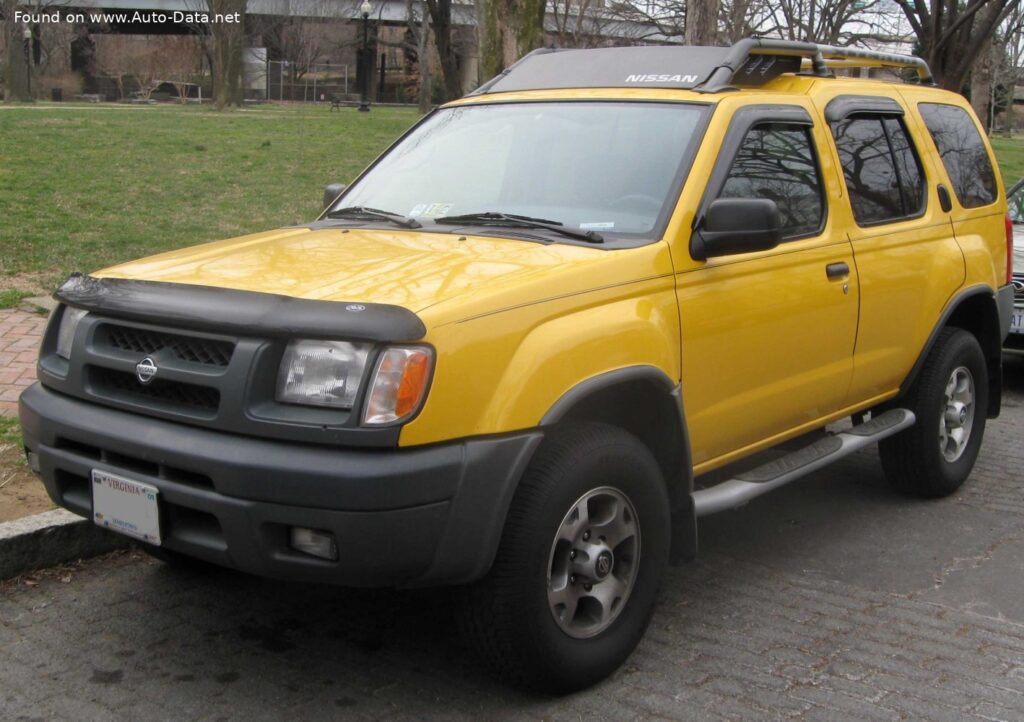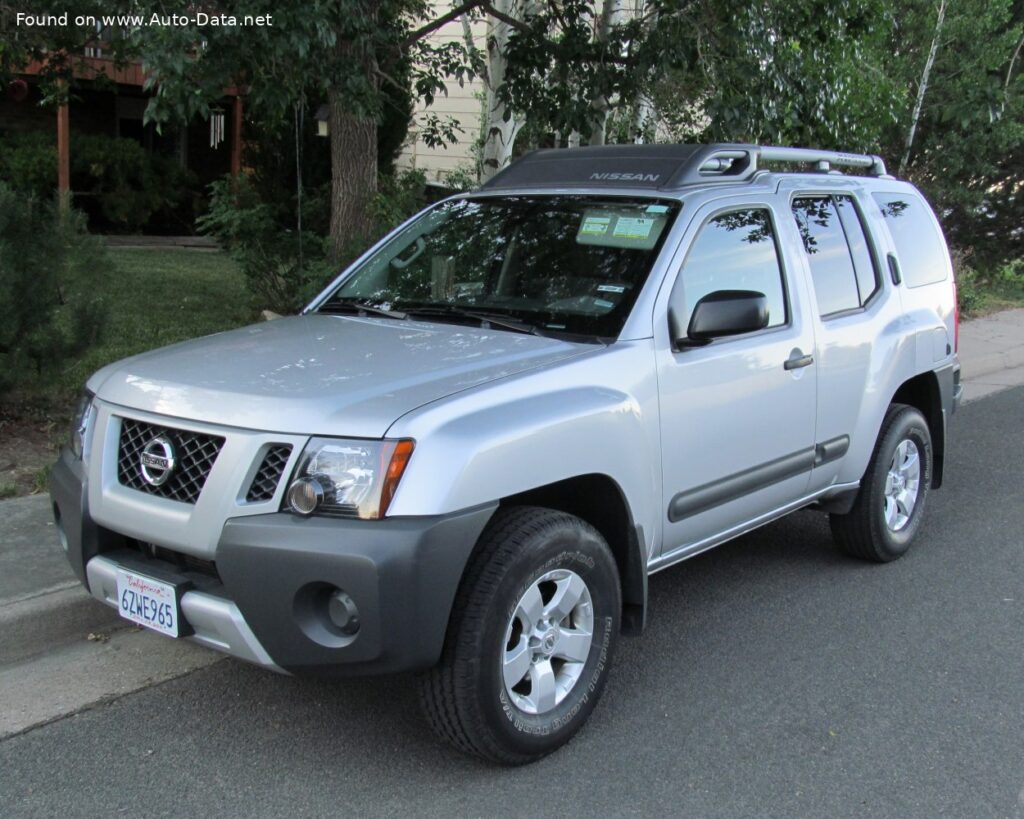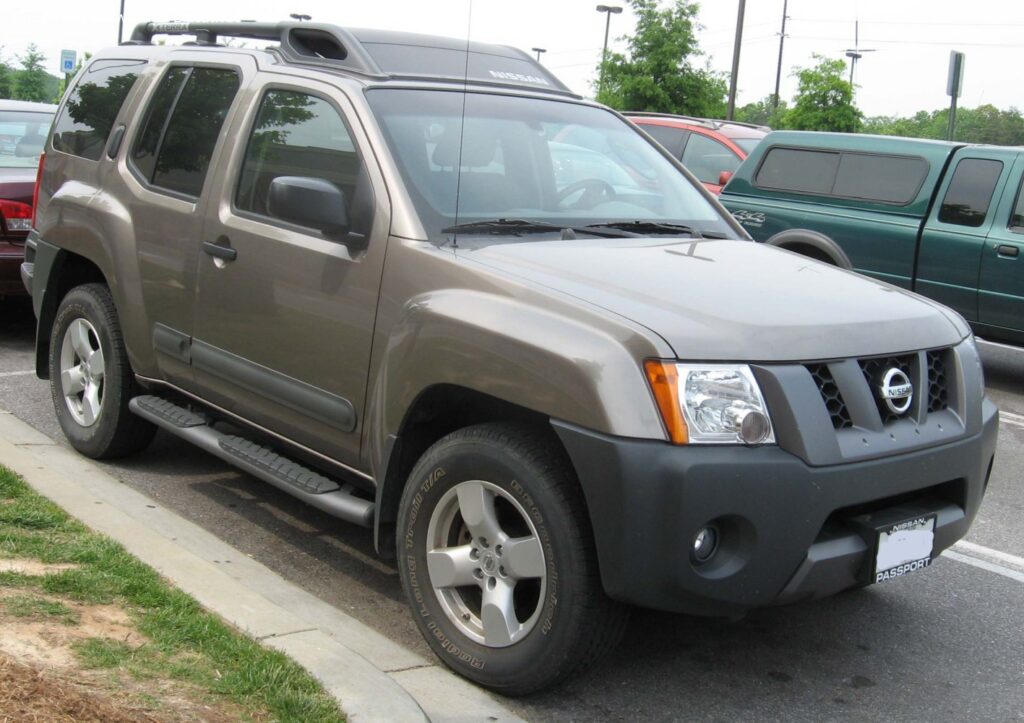
The Nissan Xterra II 4.0 V6 (265 Hp) 4×4, produced from 2005 to 2008, represents a pivotal era for Nissan’s rugged, body-on-frame SUV. As the second generation of a vehicle specifically engineered to appeal to the North American outdoor adventure market, the Xterra II built upon its predecessor’s reputation for uncompromising utility and off-road prowess. Unlike many of its contemporaries that were transitioning towards more car-like unibody constructions, the Xterra II remained staunchly committed to its truck-based roots, sharing its F-Alpha platform with the Frontier pickup truck and Pathfinder SUV. This strategic decision solidified its position as a go-to choice for consumers seeking a durable, capable, and authentic sport utility vehicle, rather than a mere crossover. The 4.0 V6 (265 Hp) 4×4 variant, in particular, stood out as the powerhouse of the lineup, offering robust performance tailored for challenging terrains and demanding tasks, cementing the Nissan Xterra II 4.0 V6 (265 Hp) 4×4 as a true icon in the segment.
The Nissan Xterra II 4.0 V6 (265 Hp) 4×4: Power and Drivetrain Dynamics
At the heart of the Nissan Xterra II 4.0 V6 (265 Hp) 4×4 lies the formidable VQ40DE engine, a 4.0-liter (3954 cm³ or 241.29 cu. in.) naturally aspirated V6 power plant renowned for its durability and strong torque delivery. This engine is part of Nissan’s acclaimed VQ series, which has earned numerous accolades for its smooth operation and reliability. The VQ40DE in the Xterra II generates an impressive 265 horsepower at 5600 rpm, translating to a power-per-liter output of 67 horsepower, a respectable figure for a utility-focused SUV of its time. More critically for its intended use, the engine produces a substantial 281 lb-ft (381 Nm) of torque, peaking at a accessible 4000 rpm. This robust torque output is crucial for off-road maneuvering, climbing steep grades, and confidently pulling trailers, with a permitted trailer load with brakes reaching 5,000 lbs (2268 kg).
The powertrain architecture of the Xterra II 4.0 V6 (265 Hp) 4×4 is engineered for maximum versatility and ruggedness. It features an all-wheel-drive (4×4) system where the internal combustion engine primarily drives the rear wheels. The front wheels can be engaged as needed through an electrically or mechanically operated clutch, offering both two-wheel-drive for everyday efficiency and four-wheel-drive for enhanced traction in challenging conditions. Power is managed through a precise 6-speed manual transmission, providing the driver with direct control over gear selection, a preference for many off-road enthusiasts who value the tactile engagement and robust nature of a manual gearbox. The engine’s layout is front, longitudinal, contributing to a balanced weight distribution and optimal drivetrain geometry for a 4×4 system.
Further technical details of the VQ40DE include a DOHC (Dual Overhead Camshaft) valvetrain with 4 valves per cylinder, ensuring efficient airflow and combustion. Fuel is delivered via a multi-port manifold injection system, a proven technology for reliable fuel delivery. With a compression ratio of 9.7:1, the engine is designed to run efficiently on regular gasoline. The cylinder bore measures 3.76 inches (95.5 mm) and the piston stroke is 3.62 inches (92 mm), indicating an oversquare design that favors higher RPM power. Despite its powerful output, the Xterra II’s fuel economy figures reflect its rugged nature, with an urban consumption estimated at 17 US mpg (13.8 l/100 km) and extra-urban consumption at 21 US mpg (11.2 l/100 km). With a 21.13 US gallon (80 l) fuel tank, it offers a decent range for extended adventures. The vehicle’s weight-to-power ratio stands at 7.5 kg/Hp (134 Hp/tonne), and its weight-to-torque ratio is 5.2 kg/Nm (192.6 Nm/tonne), underscoring its solid performance for its curb weight range of 4360.74 – 4387.2 lbs (1978-1990 kg).
Design, Utility, and Chassis of the Nissan Xterra II
The design philosophy of the Nissan Xterra II 4.0 V6 (265 Hp) 4×4 is unequivocally function-first, embodying a utilitarian aesthetic that perfectly complements its adventurous spirit. As a traditional SUV, it features a robust 5-door body and comfortable seating for 5 occupants. Its exterior dimensions – 178.7 inches (4539 mm) in length, 72.8 inches (1849 mm) in width, and 74.88 inches (1902 mm) in height – provide a substantial road presence without being overly cumbersome, making it maneuverable both on trails and in urban environments. The 106.3-inch (2700 mm) wheelbase contributes to a stable ride, while identical front and rear tracks of 61.81 inches (1570 mm) enhance its sure-footedness.
Where the Xterra II truly shines is in its off-road capabilities. It boasts an impressive ground clearance ranging from 8.31 to 9.49 inches (211-241 mm), allowing it to clear obstacles that would challenge many other SUVs. This is further complemented by excellent approach, departure, and ramp-over angles: 30.5-33.2° for approach, 27.3-29.4° for departure, and 22.1-24.6° for ramp-over, all critical metrics for navigating uneven terrain without scraping. The vehicle’s rugged stance is supported by 265/75 R16 tires, offering a large contact patch and ample sidewall for absorbing impacts and improving traction.
Inside, the Xterra II prioritizes practicality and versatility. The interior is designed to withstand the rigors of an active lifestyle, featuring durable materials and thoughtful storage solutions. Cargo capacity is a significant strong suit, with a minimum trunk space of 35.21 cu. ft. (997 liters) that expands to a cavernous 65.69 cu. ft. (1860 liters) with the rear seats folded down. This ample space makes it ideal for hauling gear for camping, sports, or any outdoor pursuit. The robust chassis, underpinned by a body-on-frame construction, provides the necessary rigidity and strength for both heavy-duty tasks and enduring rough roads. Braking is handled by ventilated discs at both the front and rear, ensuring strong stopping power, aided by an Anti-lock Braking System (ABS) for enhanced safety and control on varied surfaces. Steering is a hydraulic rack and pinion system, providing direct feedback and robust performance, essential for precise handling in demanding conditions. The Xterra II, with its blend of rugged design, practical features, and formidable off-road specifications, truly embodies the spirit of adventure.
Technical Specifications
| Brand | Nissan |
| Model | Xterra |
| Generation | Xterra II |
| Type (Engine) | 4.0 V6 (265 Hp) 4×4 |
| Start of production | 2005 year |
| End of production | 2008 year |
| Powertrain Architecture | Internal Combustion engine |
| Body type | SUV |
| Seats | 5 |
| Doors | 5 |
| Fuel consumption (economy) – urban | 17 US mpg (13.8 l/100 km) |
| Fuel consumption (economy) – extra urban | 21 US mpg (11.2 l/100 km) |
| Fuel Type | Petrol (Gasoline) |
| Emission standard | LEV2-LEV |
| Weight-to-power ratio | 7.5 kg/Hp, 134 Hp/tonne |
| Weight-to-torque ratio | 5.2 kg/Nm, 192.6 Nm/tonne |
| Power | 265 Hp @ 5600 rpm. |
| Power per litre | 67 Hp/l |
| Torque | 281.01 lb.-ft. @ 4000 rpm (381 Nm @ 4000 rpm) |
| Engine layout | Front, Longitudinal |
| Engine Model/Code | VQ40DE |
| Engine displacement | 241.29 cu. in. (3954 cm3) |
| Number of cylinders | 6 |
| Engine configuration | V-engine |
| Cylinder Bore | 3.76 in. (95.5 mm) |
| Piston Stroke | 3.62 in. (92 mm) |
| Compression ratio | 9.7:1 |
| Number of valves per cylinder | 4 |
| Fuel injection system | Multi-port manifold injection |
| Engine aspiration | Naturally aspirated engine |
| Valvetrain | DOHC |
| Engine oil capacity | 5.39 US qt (5.1 l) |
| Coolant | 10.78 US qt (10.2 l) |
| Kerb Weight | 4360.74 – 4387.2 lbs. (1978-1990 kg) |
| Trunk (boot) space – minimum | 35.21 cu. ft. (997 l) |
| Trunk (boot) space – maximum | 65.69 cu. ft. (1860 l) |
| Fuel tank capacity | 21.13 US gal (80 l) |
| Permitted trailer load with brakes (12%) | 5000.08 lbs. (2268 kg) |
| Length | 178.7 in. (4539 mm) |
| Width | 72.8 in. (1849 mm) |
| Height | 74.88 in. (1902 mm) |
| Wheelbase | 106.3 in. (2700 mm) |
| Front track | 61.81 in. (1570 mm) |
| Rear (Back) track | 61.81 in. (1570 mm) |
| Ride height (ground clearance) | 8.31 – 9.49 in. (211-241 mm) |
| Approach angle | 30.5-33.2° |
| Departure angle | 27.3-29.4° |
| Ramp-over (brakeover) angle | 22.1-24.6° |
| Drivetrain Architecture | The Internal combustion engine (ICE) drives the rear wheels permanently, and the front wheels are driven through an electrically or mechanically operated clutch if necessary. |
| Drive wheel | All wheel drive (4×4) |
| Number of gears and type of gearbox | 6 gears, manual transmission |
| Front brakes | Ventilated discs |
| Rear brakes | Ventilated discs |
| Assisting systems | ABS (Anti-lock braking system) |
| Steering type | Steering rack and pinion |
| Power steering | Hydraulic Steering |
| Tires size | 265/75 R16 |