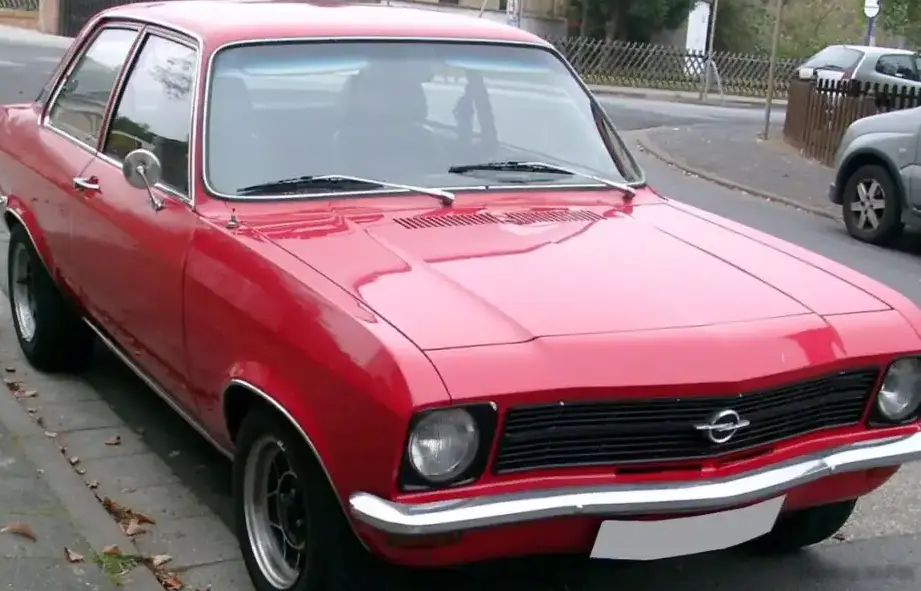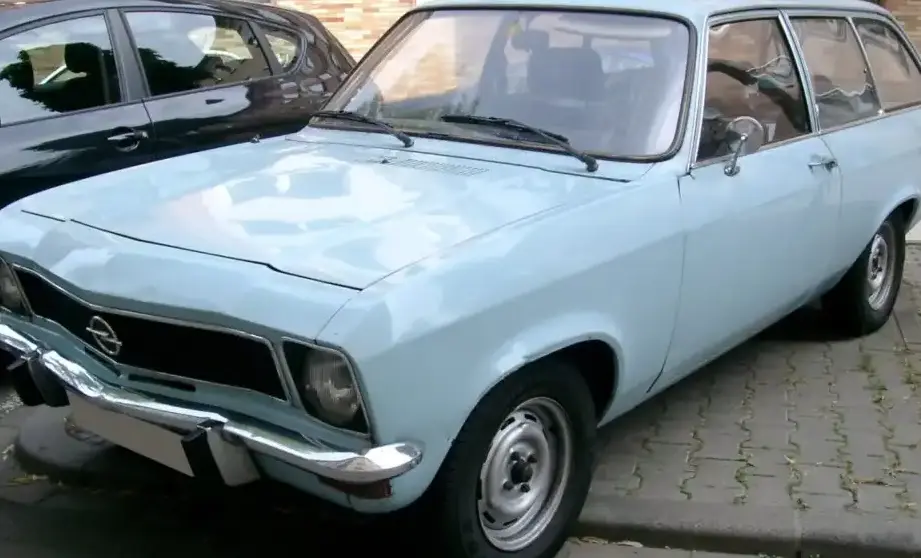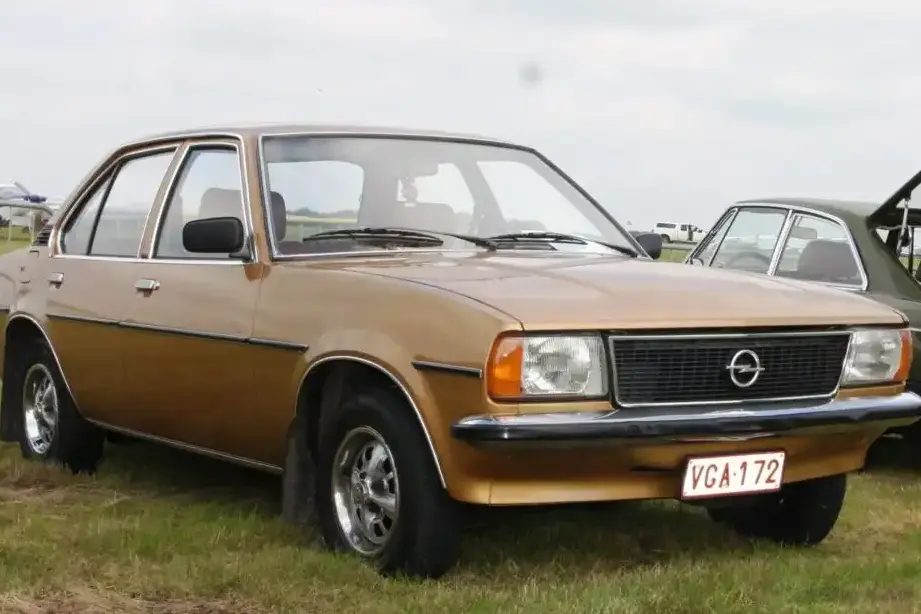
The Opel Ascona B 1.2, producing 55 horsepower, was a mainstay of the Ascona B range from 1976 to 1979. Positioned as the entry-level model, it offered affordable transportation within Opel’s mid-size lineup. The Ascona B itself represented a significant update to the original Ascona A, offering improved styling, a more spacious interior, and a wider range of engine options. This 1.2-liter variant, while not known for its performance, played a crucial role in making the Ascona B accessible to a broader customer base, particularly in European markets where fuel economy and practicality were highly valued.
Technical Specifications
| Brand | Opel |
| Model | Ascona |
| Generation | Ascona B |
| Type (Engine) | 1.2 (55 Hp) |
| Start of production | 1976 |
| End of production | 1979 |
| Powertrain Architecture | Internal Combustion engine |
| Body type | Sedan |
| Seats | 5 |
| Doors | 2-4 |
| Fuel Type | Petrol (Gasoline) |
| Acceleration 0 – 100 km/h | 20.5 sec |
| Acceleration 0 – 62 mph | 20.5 sec |
| Acceleration 0 – 60 mph | 19.5 sec |
| Maximum speed | 138 km/h (85.75 mph) |
| Weight-to-power ratio | 16.3 kg/Hp, 61.5 Hp/tonne |
| Weight-to-torque ratio | 10.7 kg/Nm, 93.9 Nm/tonne |
| Power | 55 Hp @ 5400 rpm |
| Power per litre | 46 Hp/l |
| Torque | 84 Nm @ 3400 rpm (61.96 lb.-ft. @ 3400 rpm) |
| Engine Model/Code | 12N |
| Engine displacement | 1196 cm3 (72.98 cu. in.) |
| Number of cylinders | 4 |
| Engine configuration | Inline |
| Cylinder Bore | 79 mm (3.11 in.) |
| Piston Stroke | 61 mm (2.4 in.) |
| Compression ratio | 7.8:1 |
| Number of valves per cylinder | 2 |
| Fuel injection system | Carburettor |
| Engine aspiration | Naturally aspirated engine |
| Valvetrain | OHV |
| Engine oil capacity | 2.75 l (2.91 US qt | 2.42 UK qt) |
| Coolant | 5.1 l (5.39 US qt | 4.49 UK qt) |
| Kerb Weight | 895 kg (1973.14 lbs.) |
| Max. weight | 1320 kg (2910.1 lbs.) |
| Max load | 425 kg (936.96 lbs.) |
| Trunk (boot) space – minimum | 380 l (13.42 cu. ft.) |
| Fuel tank capacity | 50 l (13.21 US gal | 11 UK gal) |
| Permitted trailer load with brakes (12%) | 1000 kg (2204.62 lbs.) |
| Permitted trailer load without brakes | 485 kg (1069.24 lbs.) |
| Length | 4321 mm (170.12 in.) |
| Width | 1670 mm (65.75 in.) |
| Height | 1380 mm (54.33 in.) |
| Wheelbase | 2518 mm (99.13 in.) |
| Front track | 1375 mm (54.13 in.) |
| Rear (Back) track | 1375 mm (54.13 in.) |
| Ride height (ground clearance) | 130 mm (5.12 in.) |
| Drag coefficient (Cd) | 0.46 |
| Minimum turning circle (turning diameter) | 10.1 m (33.14 ft.) |
| Drivetrain Architecture | The Internal combustion engine (ICE) drives the rear wheels of the vehicle. |
| Drive wheel | Rear wheel drive |
| Number of gears and type of gearbox | 4 gears, manual transmission |
| Front brakes | Disc |
| Rear brakes | Drum |
Powertrain & Engine Architecture
The heart of the Ascona B 1.2 was the 12N engine, a 1196cc inline-four cylinder unit. This engine utilized a simple overhead valve (OHV) valvetrain and a single carburetor for fuel delivery. The 12N was a relatively basic design, prioritizing reliability and affordability over outright performance. Its 7.8:1 compression ratio was typical for the era, and the engine produced 55 horsepower at 5400 rpm and 84 Nm (62 lb-ft) of torque at 3400 rpm. The four-speed manual transmission was the standard offering, providing a straightforward driving experience. This engine was a common sight in other Opel models of the time, like the Kadett, demonstrating its versatility and cost-effectiveness for the manufacturer.
Driving Characteristics
The Ascona B 1.2 was not a sporty car. Acceleration was leisurely, taking approximately 20.5 seconds to reach 62 mph (100 km/h). Top speed was around 85.75 mph (138 km/h). The four-speed manual transmission, while adequate, lacked the versatility of five-speed gearboxes found in higher-spec Ascona models. The engine’s torque peak at 3400 rpm meant that drivers often needed to shift down to maintain momentum when climbing hills or overtaking. Compared to the more powerful 1.6-liter and 2.0-liter versions, or even the diesel options, the 1.2 felt underpowered, but it offered a smoother, more relaxed driving experience, particularly in urban environments.
Equipment & Trim Levels
The 1.2-liter Ascona B was typically offered in a basic trim level. Standard features included cloth upholstery, vinyl floor covering, and basic instrumentation. Optional extras, such as a radio, upgraded seats, and a sunroof, were available, but these added to the vehicle’s cost. The interior was functional and durable, reflecting the car’s focus on practicality. The dashboard layout was simple and easy to use, with clearly marked gauges and controls. The Ascona B 1.2 was often seen as a ‘fleet’ car, meaning it was frequently purchased by companies for use by their employees, so many examples were equipped with minimal options.
Chassis & Braking
The Ascona B featured a rear-wheel-drive layout with a conventional suspension setup. The front suspension utilized independent coil springs, while the rear employed a live axle with leaf springs. Braking was accomplished via disc brakes on the front wheels and drum brakes on the rear. The suspension provided a comfortable ride, but handling was not particularly sharp. The relatively light weight of the 1.2-liter model (approximately 895 kg or 1973 lbs) helped to mitigate some of the limitations of the suspension and braking systems. Stabilizer bars were not typically fitted to the base 1.2 model, further emphasizing its focus on comfort over performance.
Market Reception & Comparison
The Ascona B 1.2 was generally well-received as an affordable and reliable family car. Critics acknowledged its lack of performance but praised its fuel economy and practicality. Compared to its siblings, the 1.2 offered the lowest purchase price and running costs. The 1.6-liter and 2.0-liter models provided significantly more power and performance, but at a higher price point. The diesel versions offered even better fuel economy, but were often noisier and less refined. The 1.2 appealed to buyers who prioritized economy and reliability over driving excitement.
Legacy
The Opel Ascona B 1.2, while not a collector’s item, remains a relatively common sight in the classic car market. The 12N engine is known for its durability, and many examples are still on the road today. However, finding well-maintained examples can be challenging, as many were used as everyday transportation and subjected to years of wear and tear. Parts availability is generally good, but some components may be difficult to source. The Ascona B 1.2 represents a significant piece of automotive history, embodying the spirit of affordable and practical motoring in the 1970s. Its simplicity and reliability continue to appeal to enthusiasts and classic car owners alike.